Artwork
The watering place
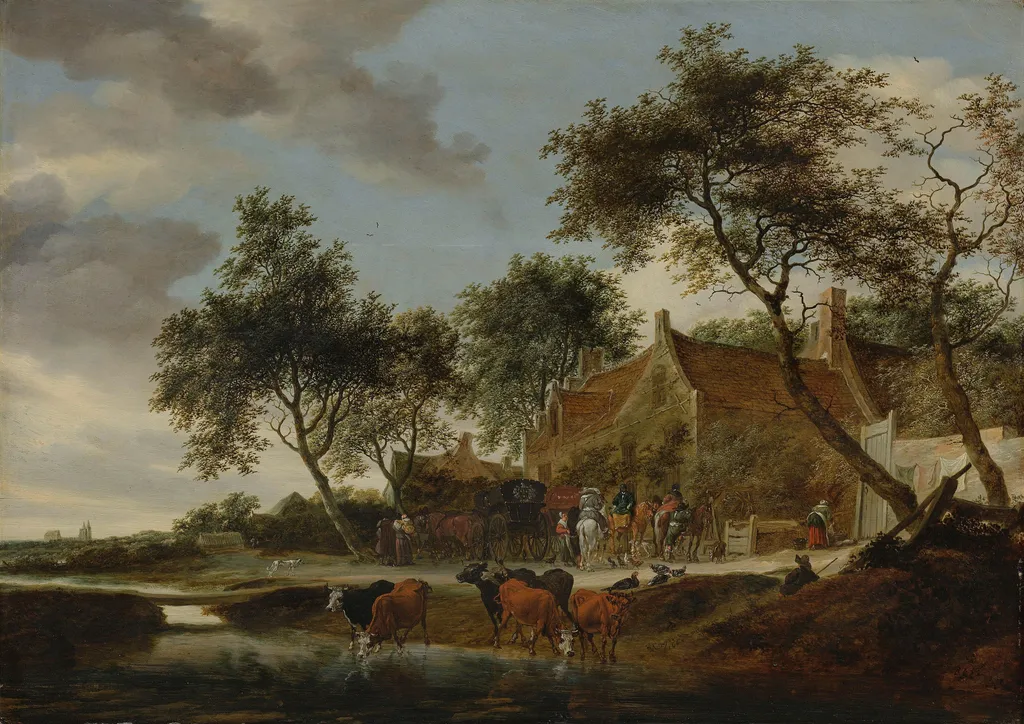
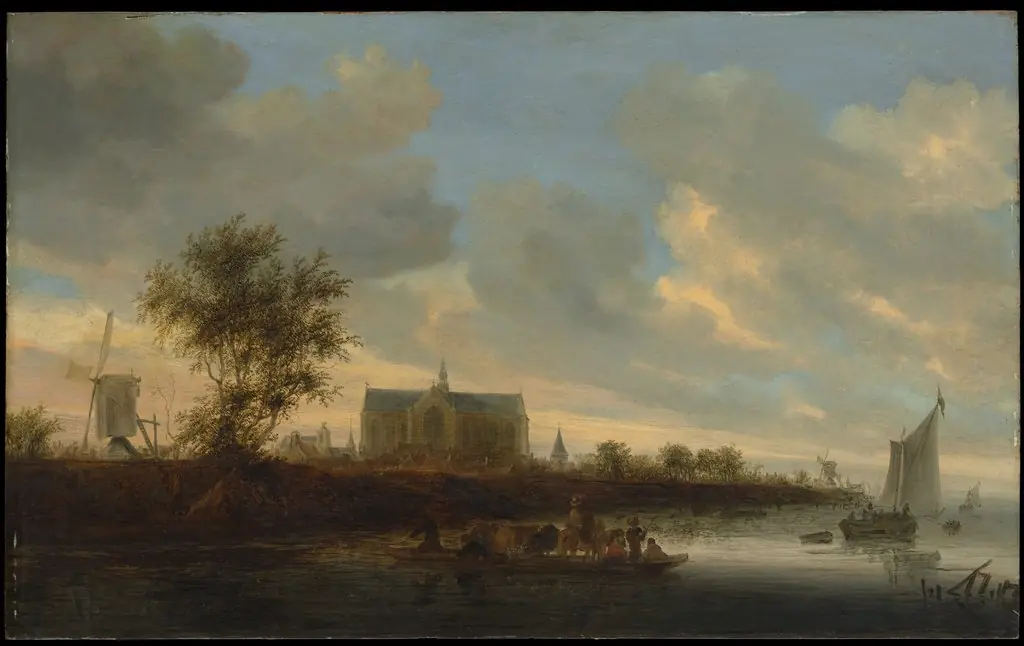
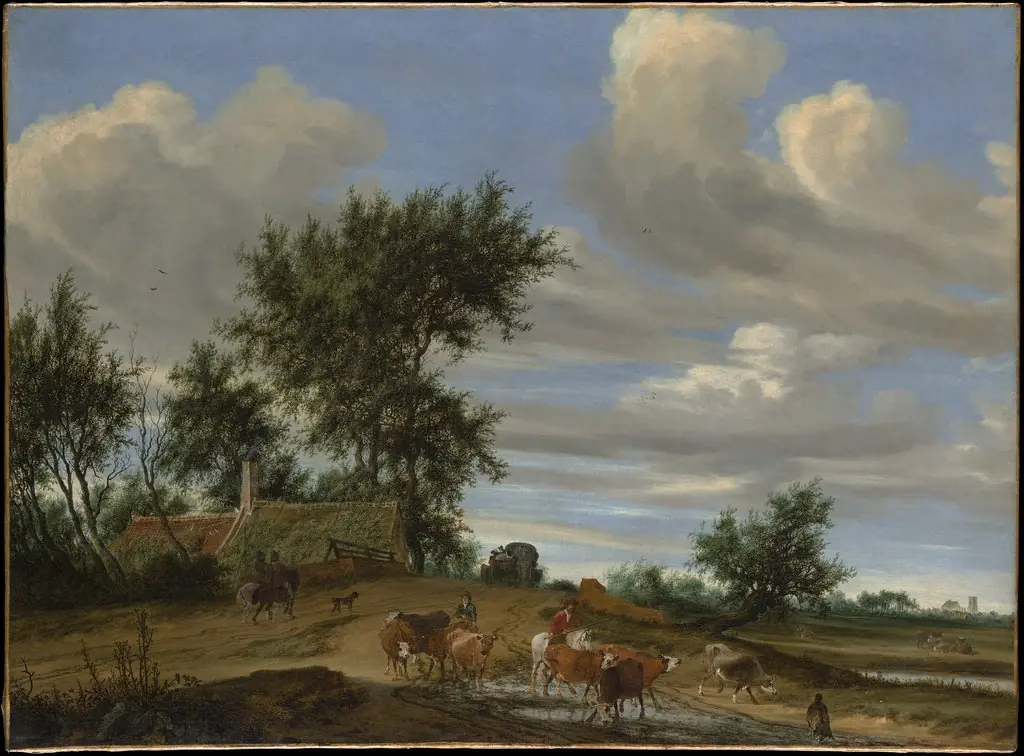
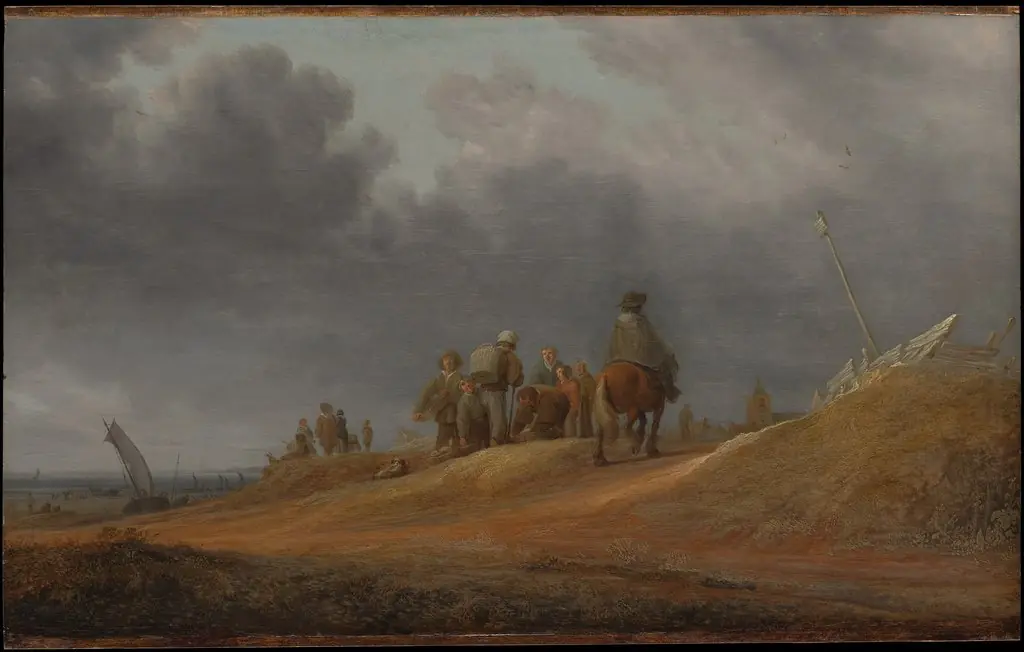
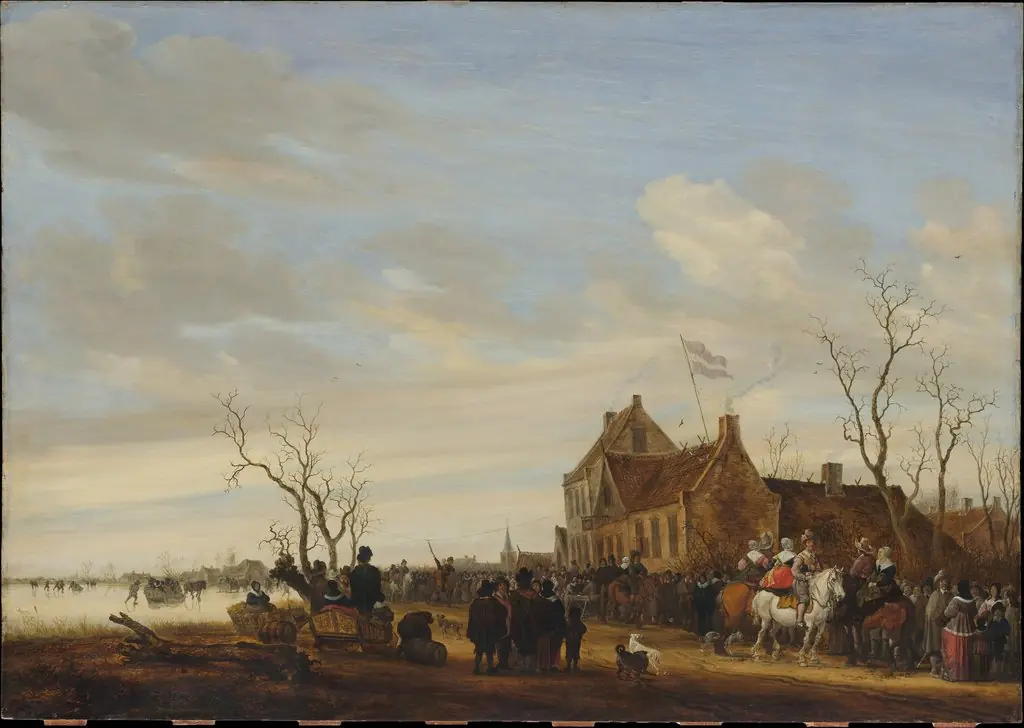
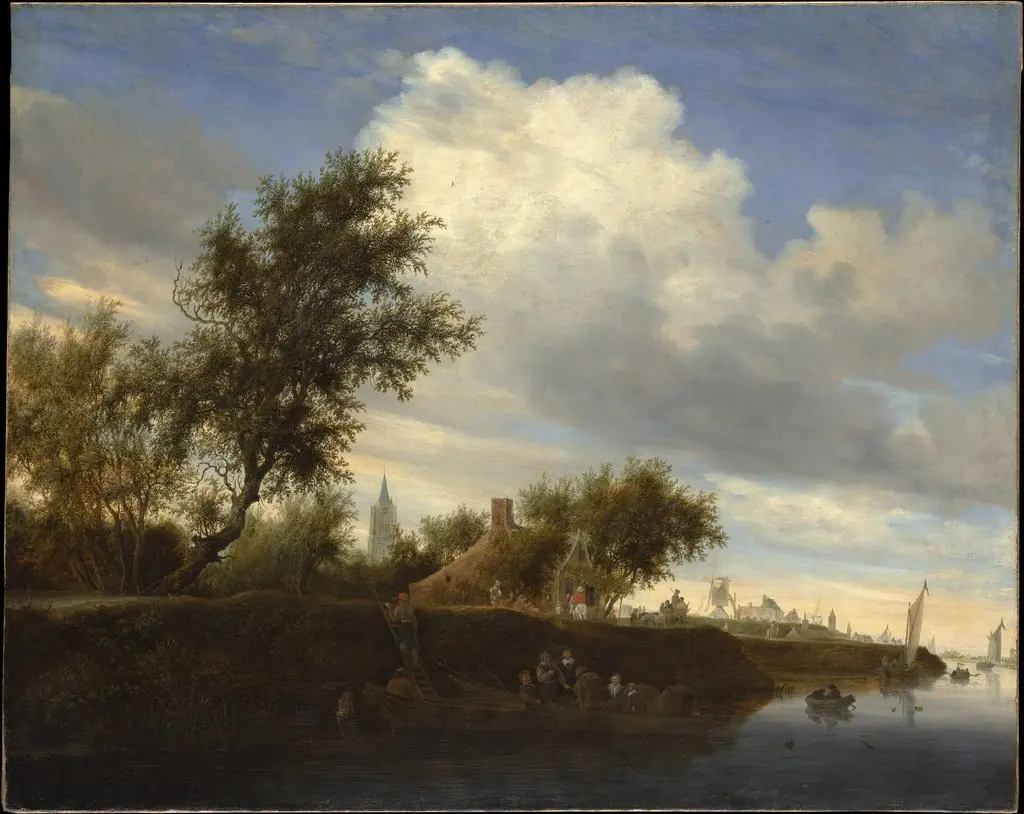
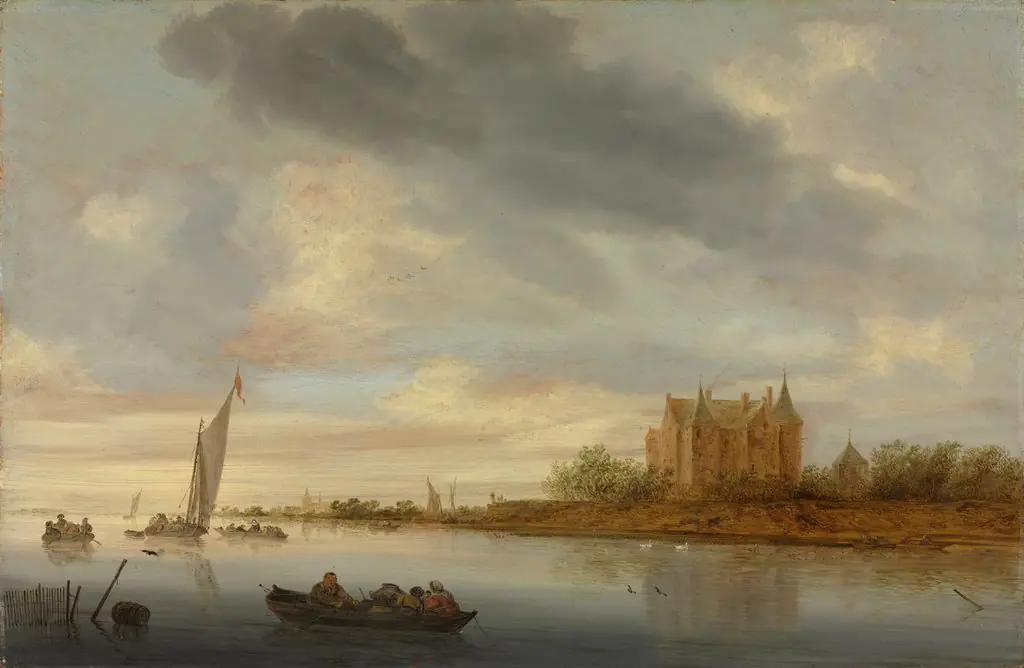
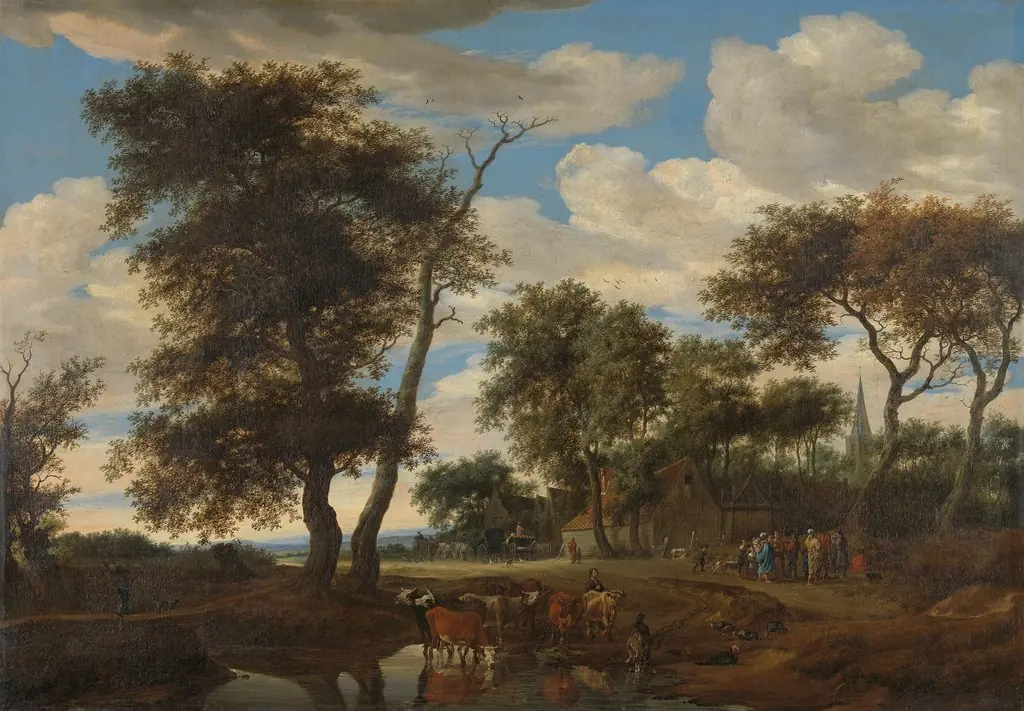
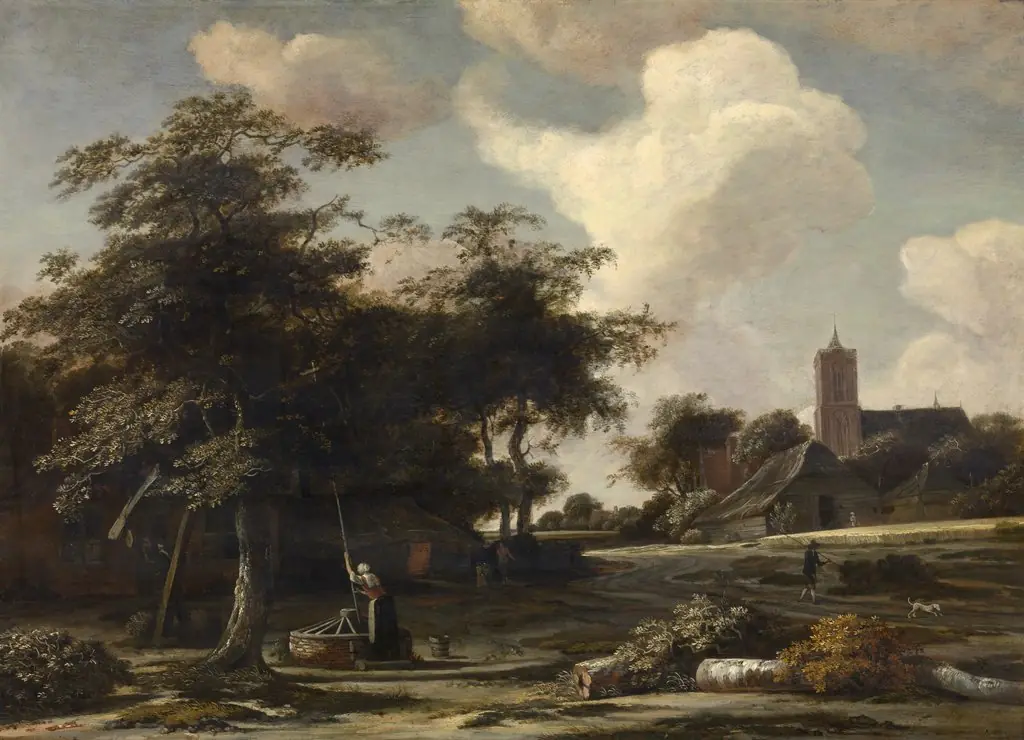
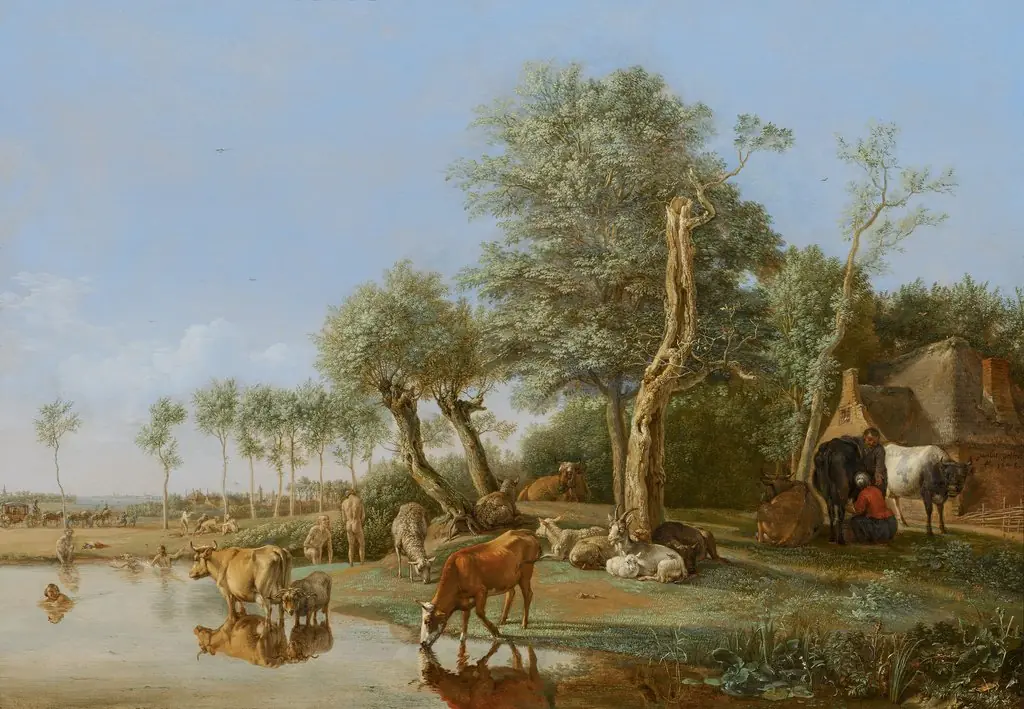
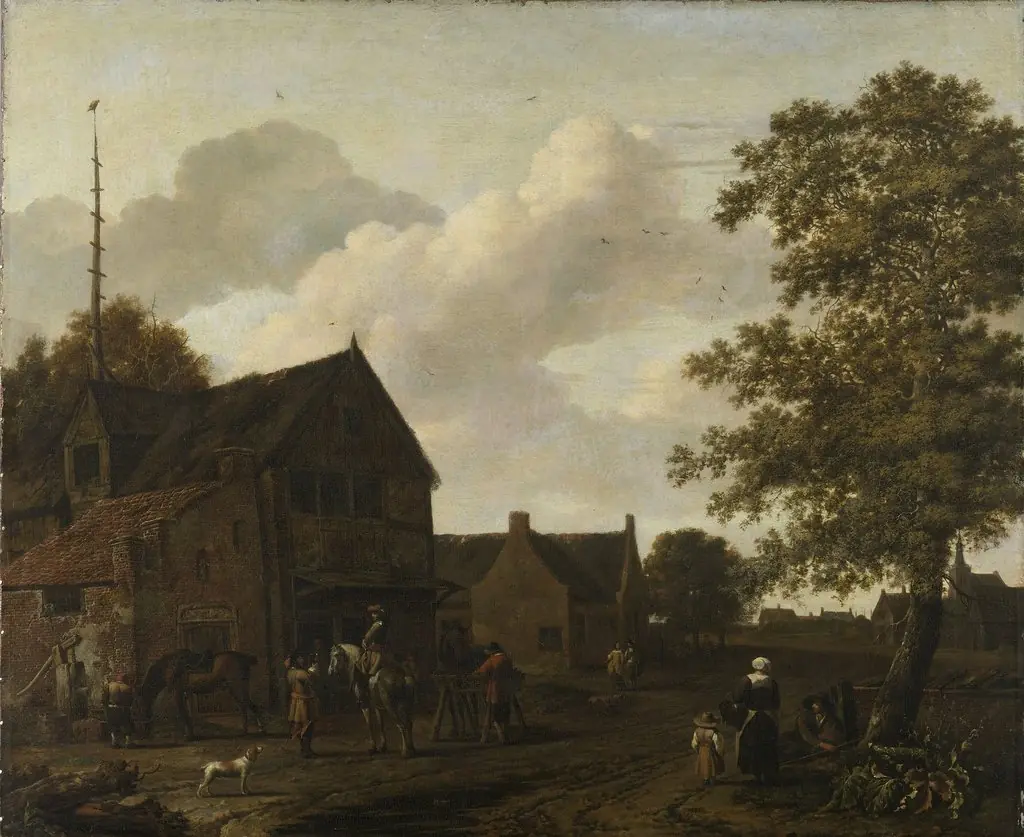
The watering place is an oil painting by the Dutch Golden Age artist Salomon van Ruysdael. It dates from 1660 and is held in the collection of the Rijksmuseum.
About this work
Subject & Meaning
The artwork is a landscape painting depicting a scene at a watering place, consistent with the genre classification provided by its creators and collections.
The artwork is a landscape painting depicting a scene at a watering place, consistent with the genre classification provided by its creators and collections. As a work by Salomon van Ruysdael from 1660, the piece captures a rural setting where the primary focus is the natural environment and the activity of watering, likely involving livestock or travelers, though specific iconographic details regarding symbolism or deeper allegorical meaning are not elaborated in the available records. The composition serves as a representation of 17th-century Dutch landscape traditions, emphasizing the interaction between humanity, animals, and the natural world without explicit symbolic narrative beyond the descriptive title.
Technique & Style
The watering place is an oil painting executed on panel, a support characteristic of Salomon van Ruysdael's Dutch landscape practice. The composition is laid out horizontally, measuring approximately 61 cm in height by 85 cm in width, a landscape-oriented format well suited to the panoramic river scenes for which the artist was known.
Stylistically, the work belongs to the Dutch Golden Age tradition of landscape painting, presenting a tranquil waterside view typical of the genre. The use of oil paint on a wooden support allowed for the fine tonal modulation and atmospheric perspective associated with mid-seventeenth-century Dutch landscape conventions.
History & Provenance
The painting is dated to 1660 based on its internal record and the Rijksmuseum’s collection data.
It entered the Rijksmuseum’s holdings through the bequest of Leendert Dupper, whose ownership is recorded by the museum. The canvas has remained in the Rijksmuseum’s collection since, with no intervening ownership changes documented.
The painting The Watering Place by Salomon van Ruysdael is held in the collection of the Rijksmuseum. The work, created in 1660, is executed in oil paint on panel. It was previously owned by Leendert Dupper before entering the museum's holdings.
The provided sources do not list a specific inventory or accession number for the piece, nor do they detail any exhibition history.
Context
Salomon van Ruysdael painted The watering place in 1660, an oil on panel landscape now held by the Rijksmuseum. The work entered the collection of Leendert Dupper before being acquired by the museum, reflecting the trajectory of 17th-century Dutch landscape painting through private ownership and institutional preservation. Its dimensions of 61 cm by 85 cm align with contemporary compositional practices in Dutch Golden Age art, emphasizing naturalistic detail and atmospheric depth characteristic of the era.
Legacy
The painting's enduring reputation rests on its masterful atmospheric rendering of a Dutch river scene, showcasing Ruysdael's skill in light and composition. Its inclusion in the Rijksmuseum collection has ensured continued public access and scholarly attention, cementing its status as a representative example of 17th-century Dutch landscape painting. The work's technical execution in oil on panel, documented in the Rijksmuseum records, remains a point of reference for studies of Dutch Golden Age techniques.
Overview
The Watering Place is a 1660 oil painting by Salomon van Ruysdael, a prominent Dutch Golden Age landscape painter. The work is part of the Rijksmuseum's collection.
Own this work as a print
Artist & collection
Artist
Salomon van Ruysdael (c. 1602, Naarden – buried 3 November 1670, Haarlem) was a Dutch Golden Age landscape painter. He was the uncle of Jacob van Ruisdael.