Artwork
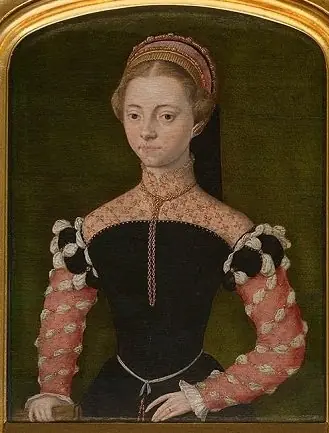
Portrait of a Young Woman as Portia Catonis
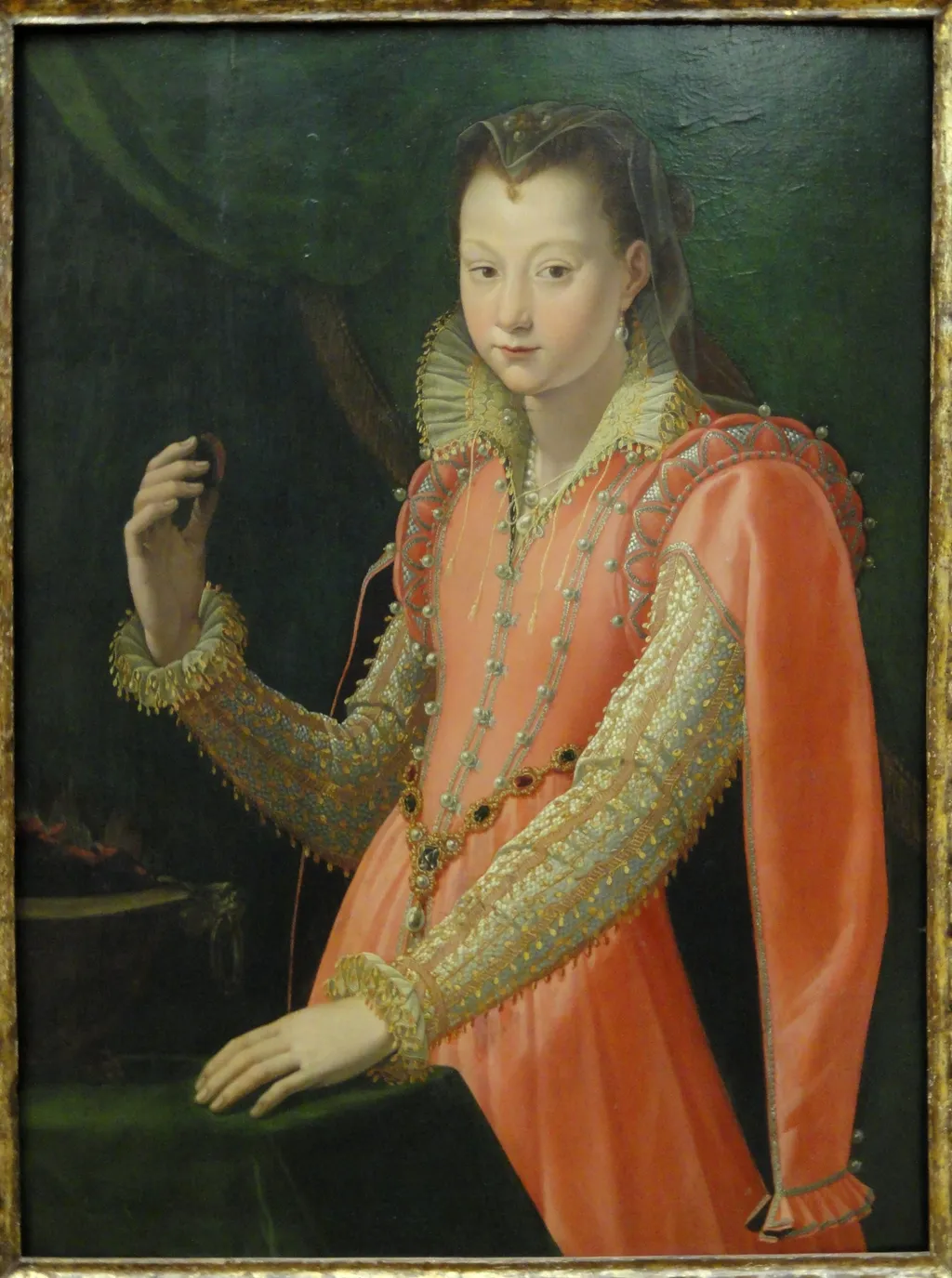
Portrait of a Young Woman as Portia Catonis is an unspecified painting by the Mannerist artist Santi di Tito. It dates from 1589 and is held in the collection of the Statens Museum for Kunst.
About this work
Subject & Meaning
The work draws on classical themes of female resolve and moral courage, aligning with Counter-Reformation ideals of virtuous exempla in private collections.
The painting shows a young woman embodying Portia, the wife of Brutus, a figure from Shakespeare's Julius Caesar and a symbol of stoic virtue. She is depicted holding a dagger, referencing her legendary willingness to die rather than betray her principles. The work draws on classical themes of female resolve and moral courage, aligning with Counter-Reformation ideals of virtuous exempla in private collections.
History & Provenance
Santi di Tito created the oil painting Portrait of a Young Woman as Portia Catonis in 1577. The work depicts the historical figure Porcia and is classified as a portrait. Current records indicate the painting is held in the collection of the Statens Museum for Kunst. The dimensions of the canvas are recorded as 1000 cm in height and 770 cm in width.
The painting is housed in the collection of the Statens Museum for Kunst, where it is recorded under the accession details associated with its entry in the museum’s catalogue. It was created in 1577 and has been displayed in exhibitions focused on Renaissance portraiture at the same institution. The work measures 1000.0 cm in height and 770.0 cm in width.
Context
Santi di Tito painted Portrait of a Young Woman as Portia Catonis in 1577, depicting Porcia as a figure of tragic resolve drawn from Shakespeare's Julius Caesar and Plutarch's Lives. The work entered the collection of the Statens Museum for Kunst, where it remains on display. Its portrayal of female fortitude has been examined in scholarship focusing on Counter-Reformation ideals of virtue and theatricality in late Renaissance portraiture.
Legacy
The painting has been cited in art historical literature as an influential example of Counter-Reformation portraiture, particularly for its depiction of the Roman heroine Portia, whose narrative of sacrifice and stoicism resonated with contemporary audiences. Scholars have noted its role in shaping visual representations of female resolve during the late Renaissance, influencing later interpretations of historical and allegorical subjects. Its presence in a major Danish collection has contributed to ongoing scholarly discourse on Santi di Tito’s impact beyond Italy, reinforcing his reputation as a pivotal figure in the development of emotive portraiture.
The work continues to be referenced in studies of gendered narratives in early modern art, underscoring its enduring significance in art historical narratives.
Overview
Created in 1589 by Santi di Tito, this portrait presents a young woman identified as Porcia, a figure from Roman history. Executed in the late‑Mannerist style that anticipates Baroque sensibilities, the painting now belongs to the Statens Museum for Kunst’s collection.
Technique & Style
Rendered with a rich coral dress trimmed in gold and silver embroidery, the composition relies on strong chiaroscuro to model the figure against a deep, dark background. The high collar, belt, and delicately veiled face are highlighted by careful light contrasts that give the portrait a three‑dimensional presence.
Own this work as a print
Artist & collection
Artist
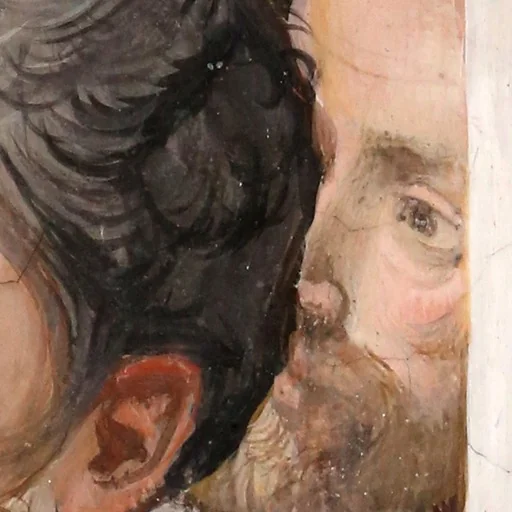
Santi di Tito (5 December 1536 – 25 July 1603) was one of the most influential and leading Italian painters of the proto-Baroque style – what is sometimes referred to as "Counter-Maniera" or Counter-Mannerism.

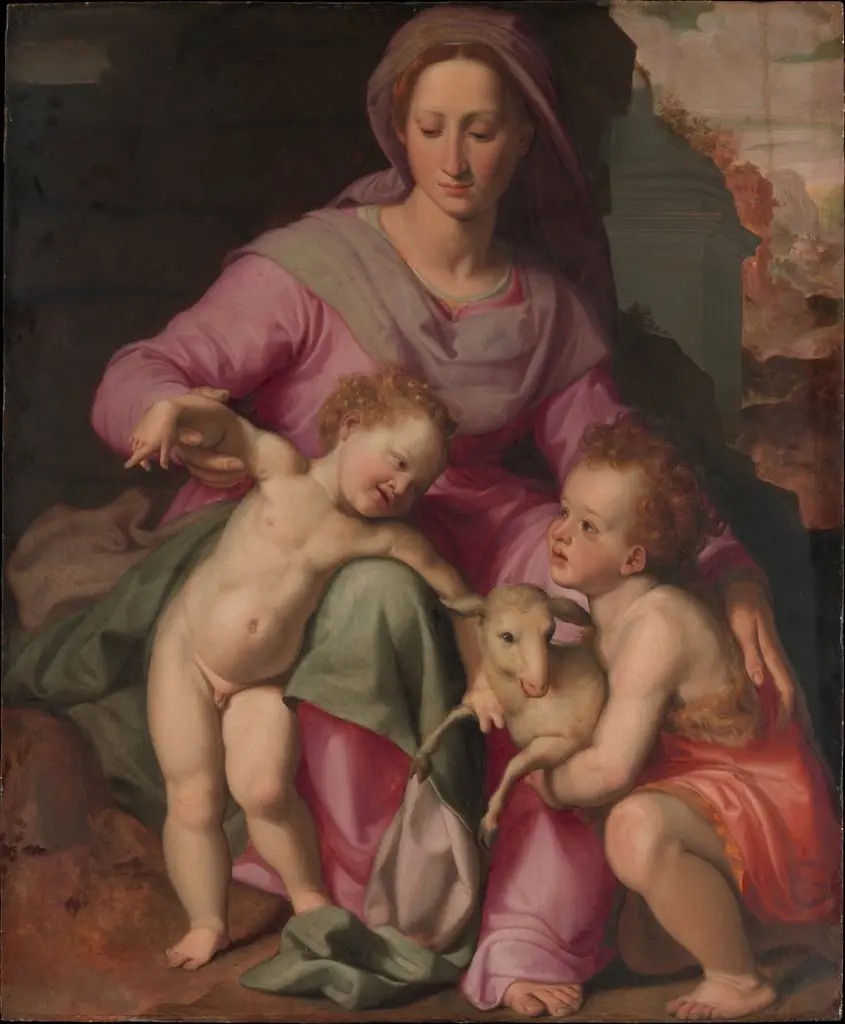
 Portrait of a young woman
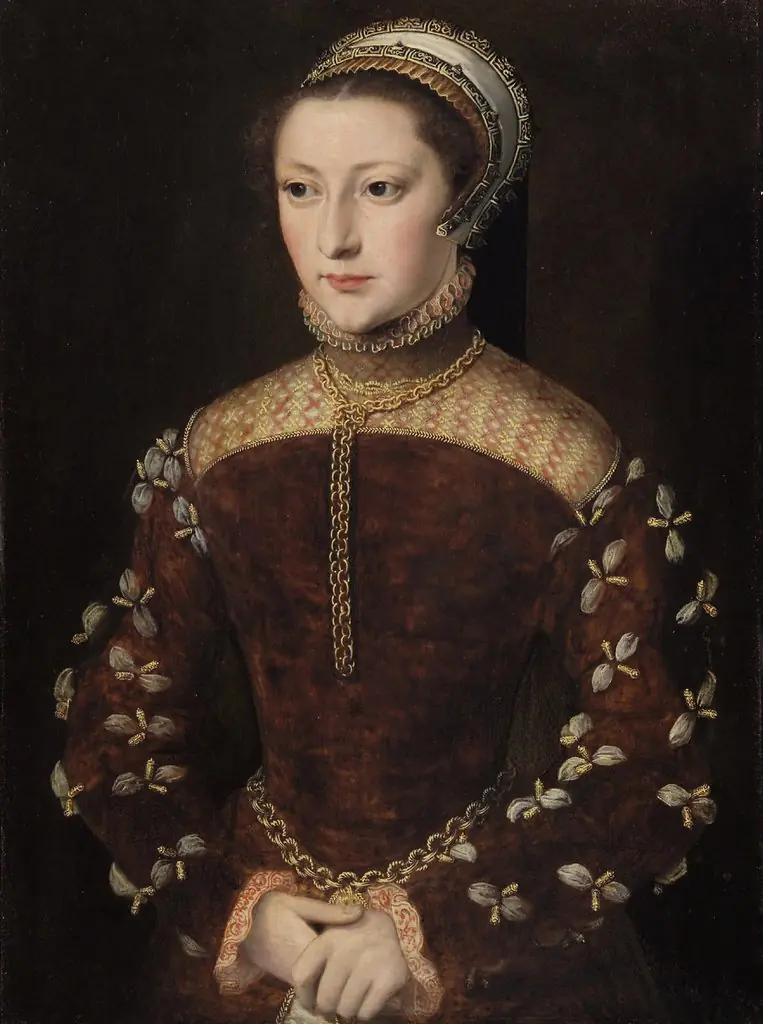 Weibliches Bildnis
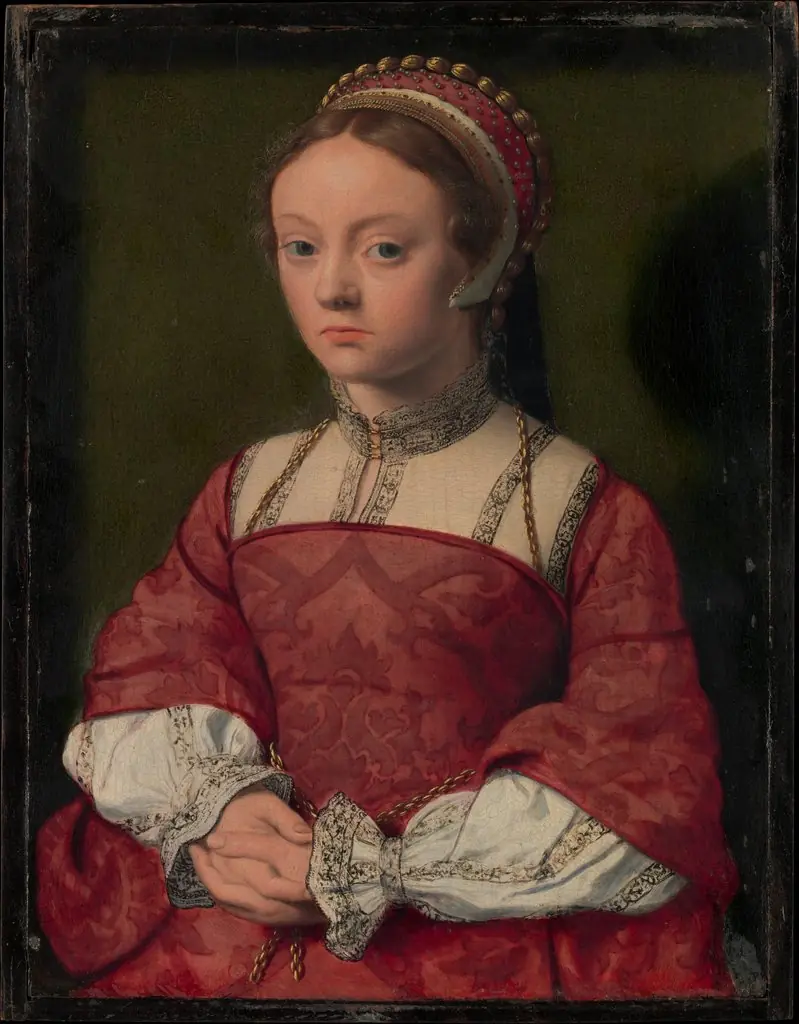 Portrait of a Young Woman
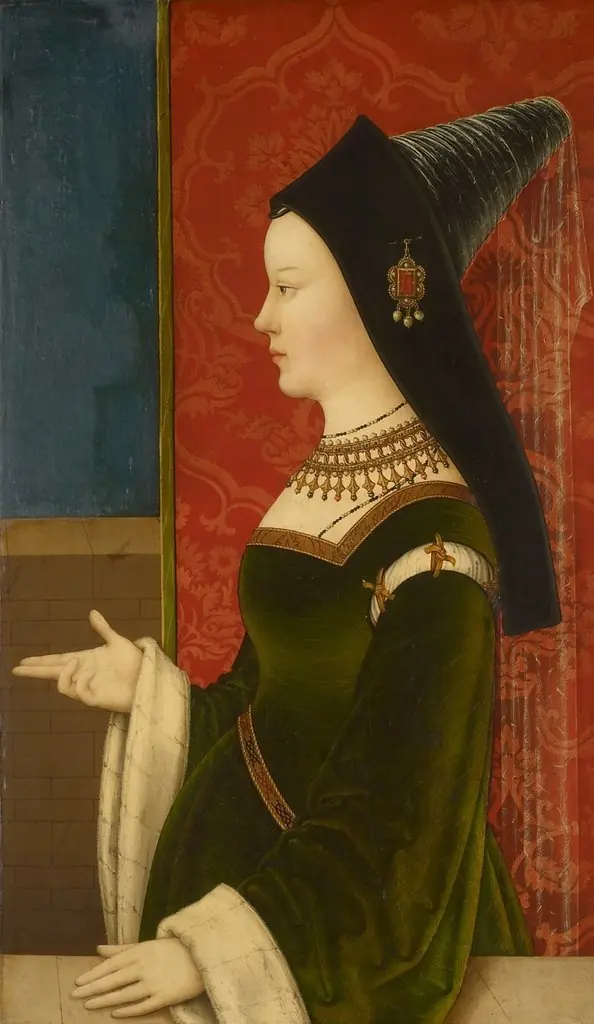 Mary Duchess of Burgundy
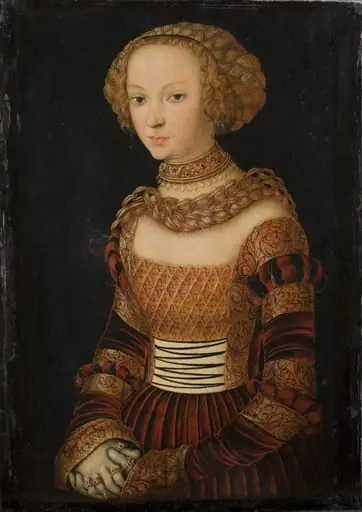 Portrait of a Young Woman. Princess Emily of Saxony?
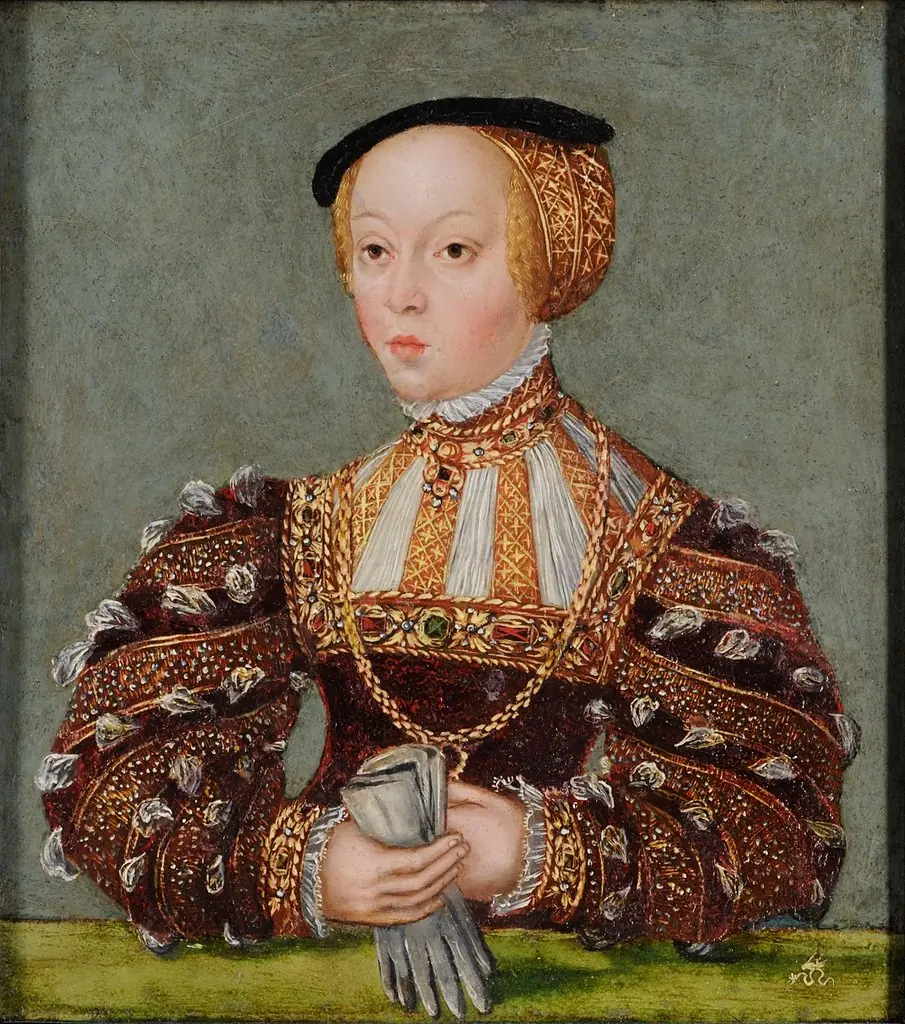 Elisabeth of Austria
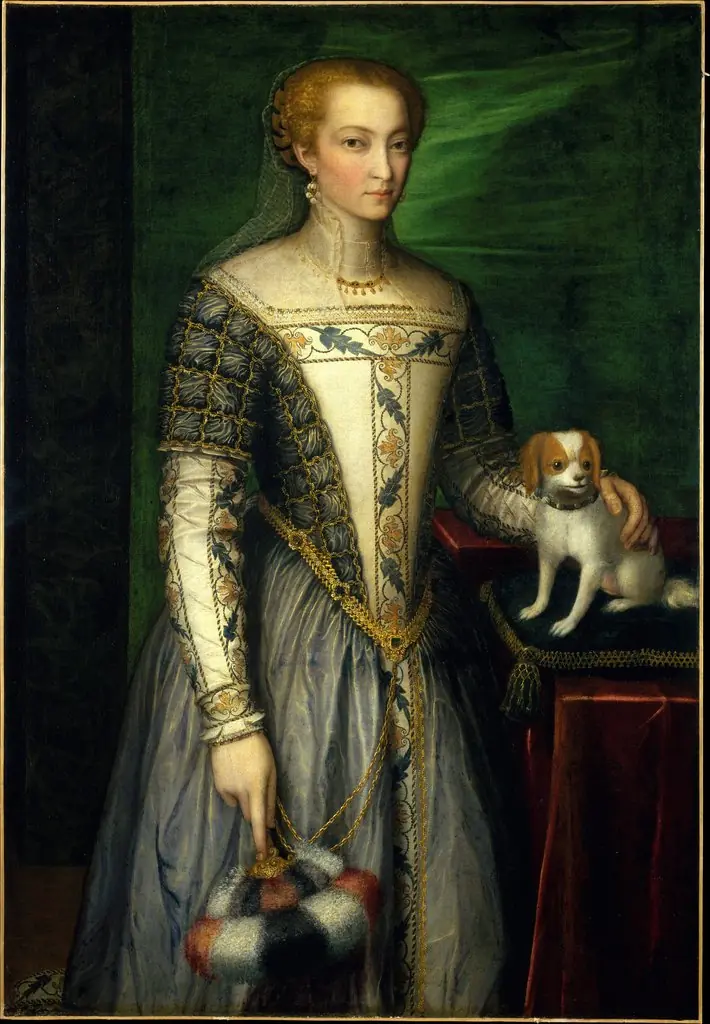 Portrait of a Woman
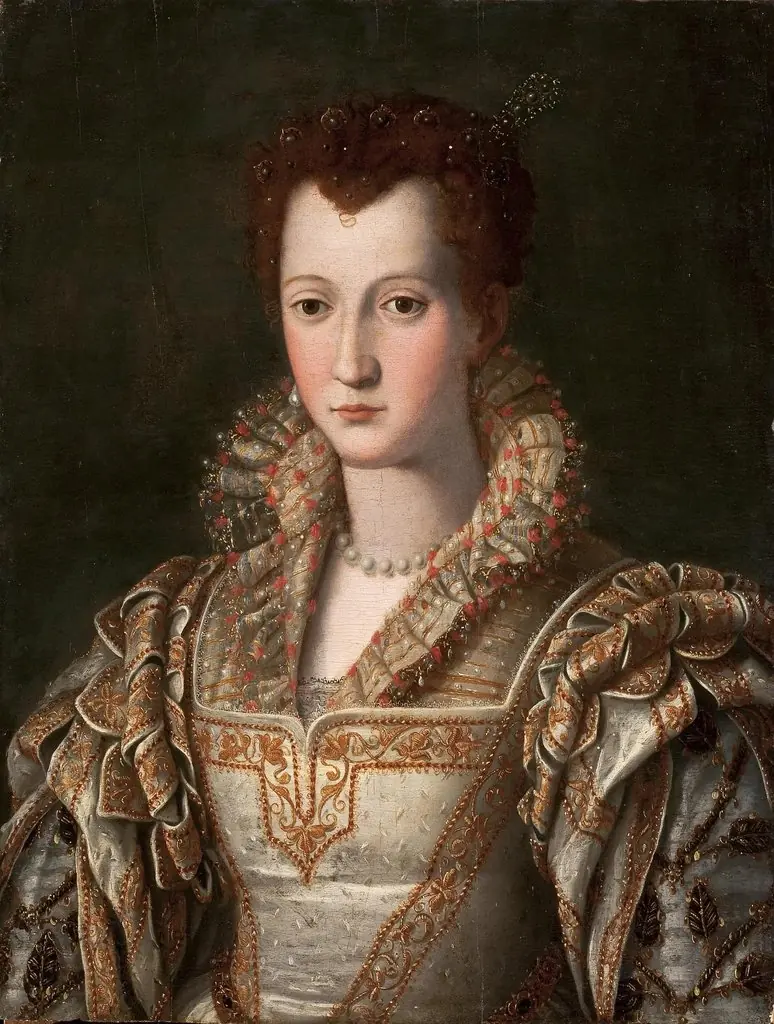 Portrait of Eleonora (Dianora) Medici of Toledo
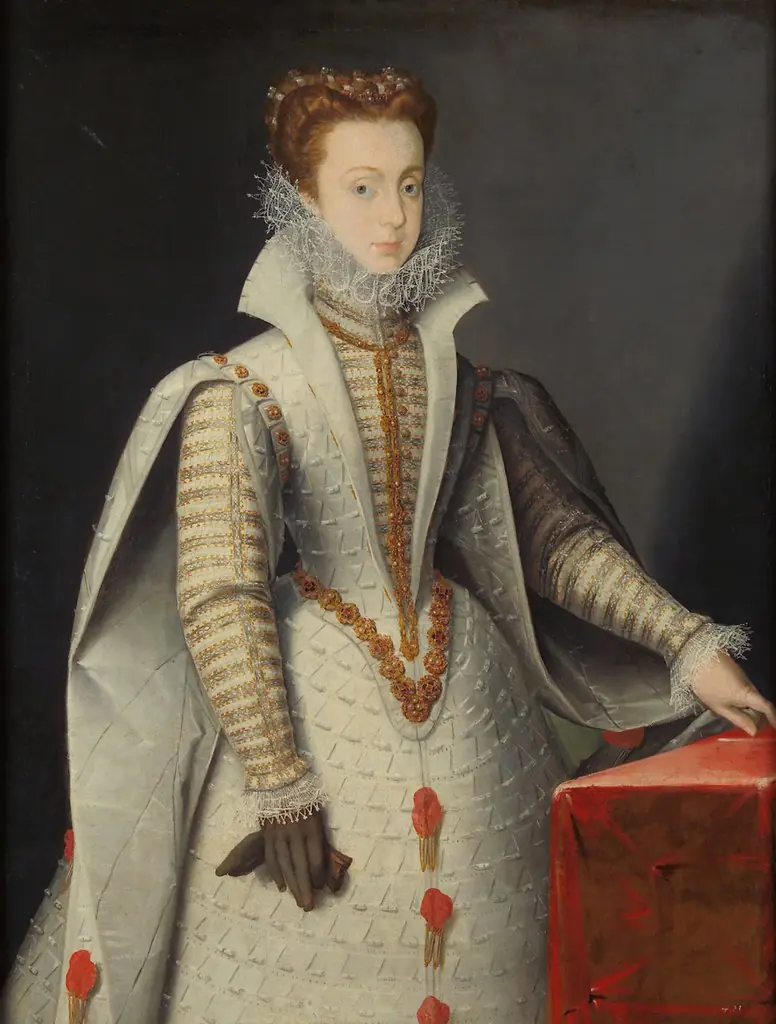 Herzogin Margarete von Joyeuse (1564-1625), Dreiviertelbildnis
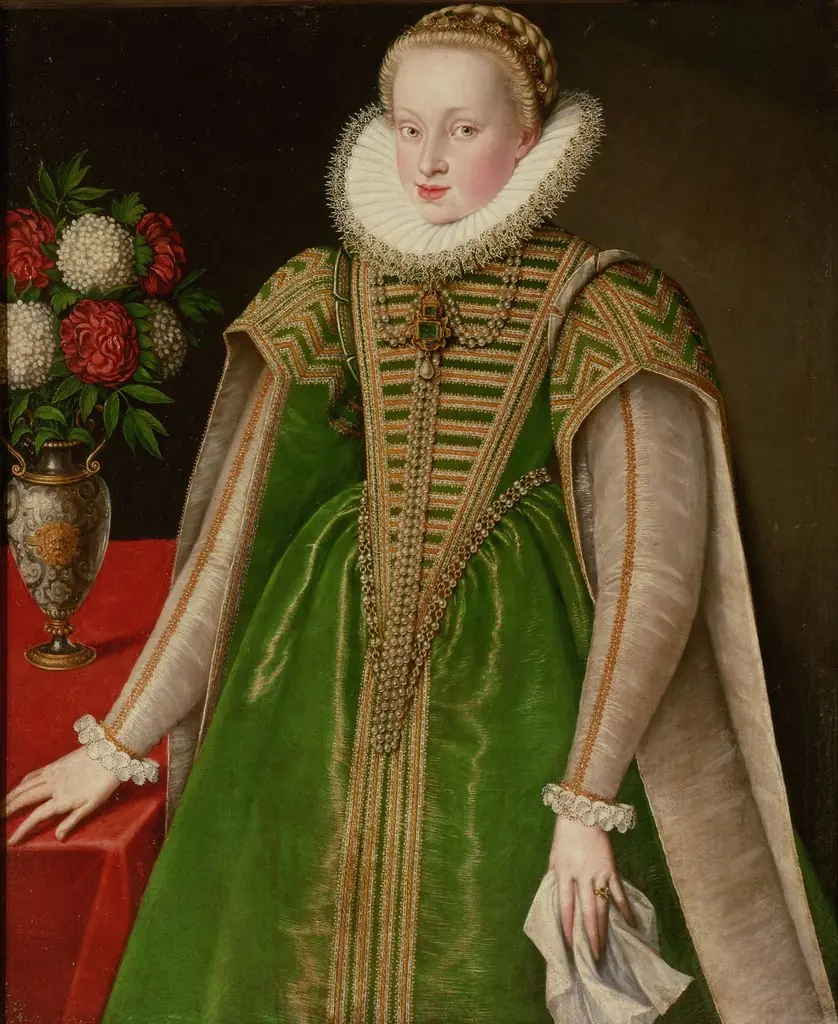 Erzherzogin Maria Christierna (1574-1621) in grünem Gewand, Kniestück
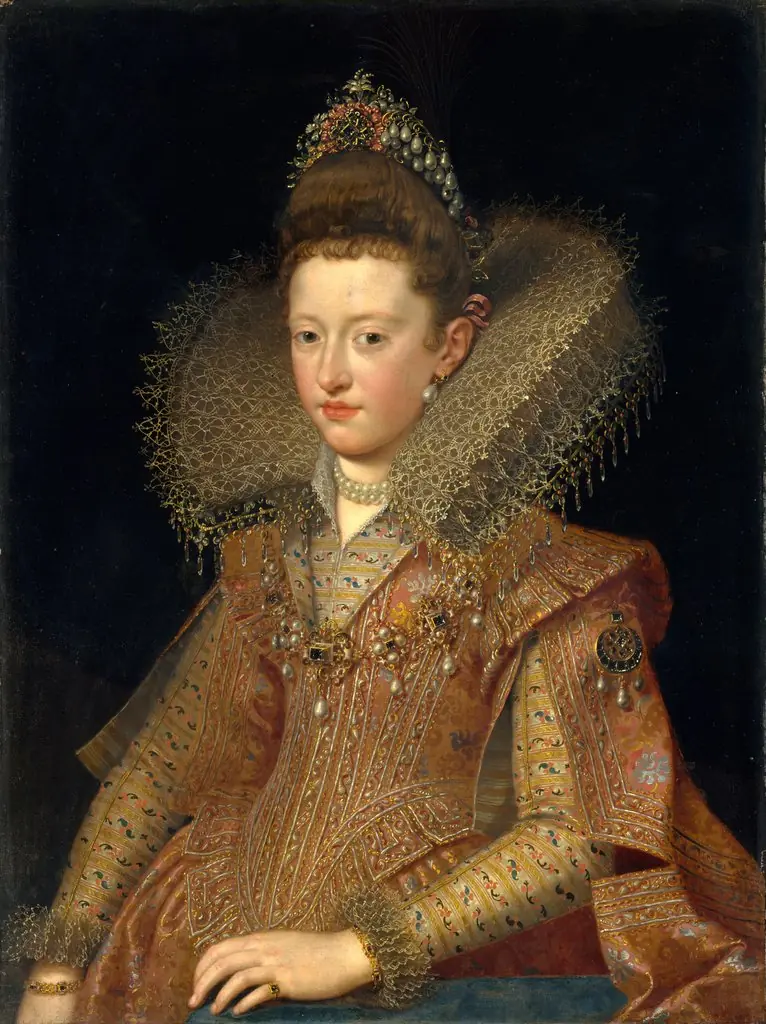 Margherita Gonzaga (1591–1632), Princess of Mantua
- Portrait of a Young Woman as Portia Catonis