Artwork
Marie Buloz Pailleron (Madame Édouard Pailleron)
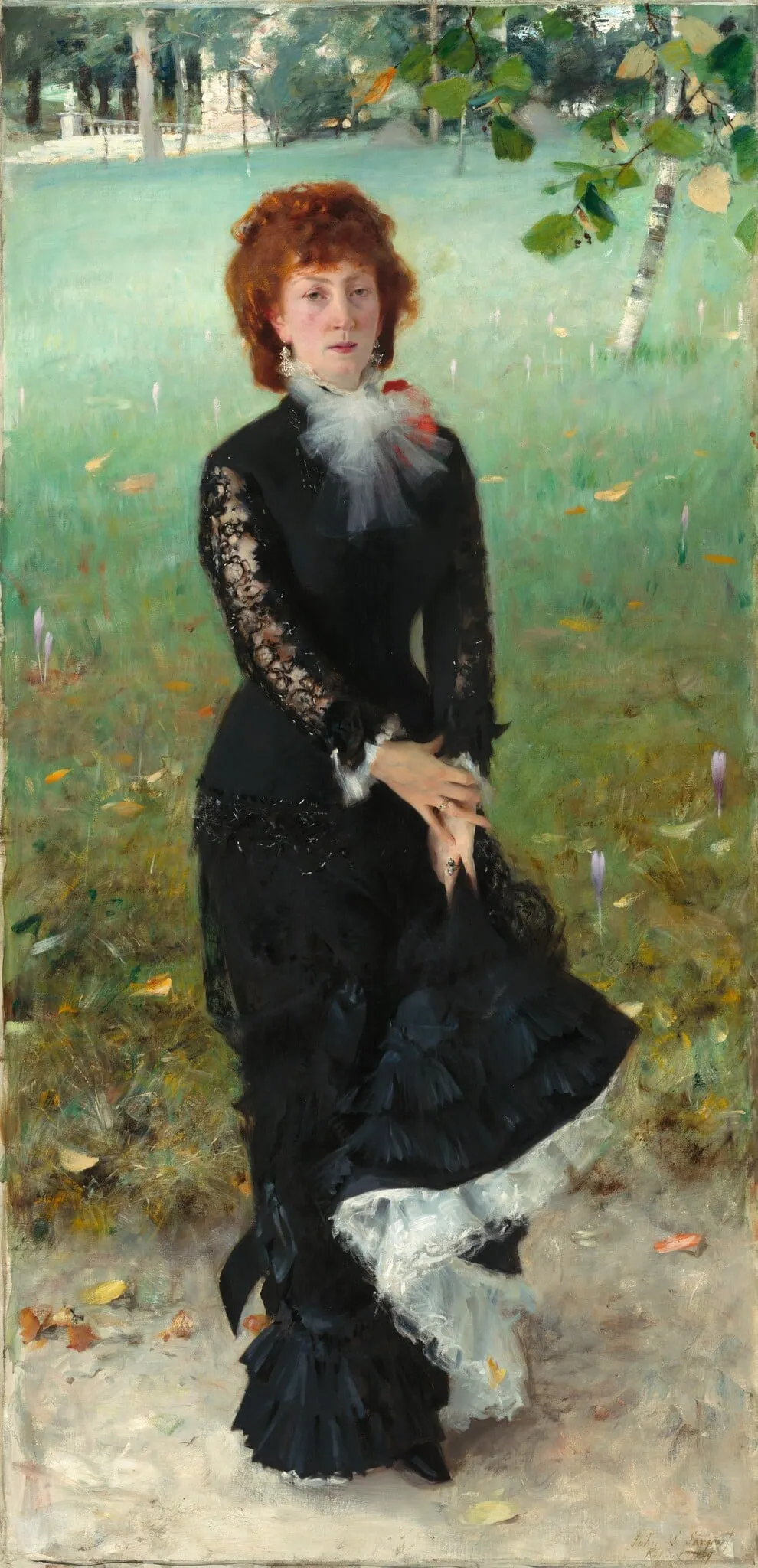
Marie Buloz Pailleron (Madame Édouard Pailleron) is an oil painting by the Impressionist artist John Singer Sargent. It dates from 1879 and is held in the collection of the National Gallery of Art.
- Inscription
- Inscribed:lower right: John S. Sargent / Ronjoux 1879
About this work
Technique & Style
The palette is restrained yet rich, dominated by ivory, rose, and muted blues, with restrained use of darker accents to define contours and depth.
The portrait is executed in oil on canvas, measuring 211.2 cm in height and 104.4 cm in width. Sargent’s handling emphasizes fluid brushwork and delicate modeling, particularly in the rendering of the sitter’s face and the satin gown, where luminous highlights contrast with deeper tonal passages. The composition is structured along a vertical axis, with the figure positioned slightly off-center, drawing attention to the poised yet reserved expression and the cascading folds of the dress.
The palette is restrained yet rich, dominated by ivory, rose, and muted blues, with restrained use of darker accents to define contours and depth. No specific condition issues are documented in the provided sources.
History & Provenance
The portrait was commissioned in 1879 by Édouard Pailleron in Chambéry, France, shortly after Sargent’s return from Italy. It remained in the Pailleron family by descent: first to his daughter, Marie-Louise Pailleron, in 1899, and then to her son, Henri Bourget-Pailleron, in 1950. Upon Henri Bourget-Pailleron’s death, his widow retained the work until its acquisition by the Corcoran Gallery of Art in Washington in 1964. The painting transferred to the National Gallery of Art in 2014 as part of the Corcoran’s collection.
The painting is held at the National Gallery of Art, Washington, D.C. It was purchased in 1964 by the Corcoran Gallery of Art, Washington, and was acquired by the National Gallery of Art in 2014. The work was exhibited in 'Sargent and Paris'.
Overview
John Singer Sargent completed Marie Buloz Pailleron (Madame Édouard Pailleron) in 1879, rendering the subject in oil on canvas. This painting exemplifies Sargent's celebrated portraiture, a genre for which the American expatriate artist became widely recognized. The work captures a specific individual, reflecting the artist's focus on depicting figures from the social circles of his time.
Subject & Meaning
The portrait presents Marie Buloz Pailleron standing amidst a verdant landscape, with trees and a distant building framing her figure. She wears a dark, flowing gown accented with lace sleeves and a white ruffled collar, her red hair styled elegantly. Her posture, with one hand resting on her hip, and her direct gaze towards the viewer convey a sense of assured presence. The setting and attire collectively suggest a refined social standing.
Context
John Singer Sargent, an American artist living abroad, established his reputation through numerous portraits of high-society figures during the Belle Époque and Edwardian eras. This painting is representative of his extensive output, which includes nearly 900 oil works alongside thousands of watercolors and drawings. His skill in capturing the essence of his sitters made him a sought-after artist among the affluent.
Artist & collection
Artist
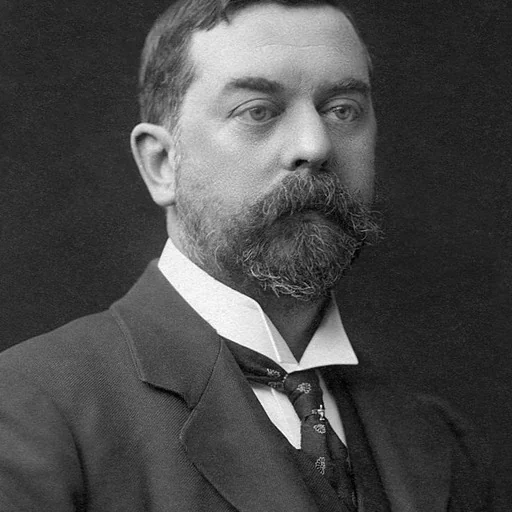
John Singer Sargent (; January 12, 1856 – April 15, 1925) was an American expatriate artist, considered the "leading portrait painter of his generation" for his evocations of Belle Époque and Edwardian-era luxury.

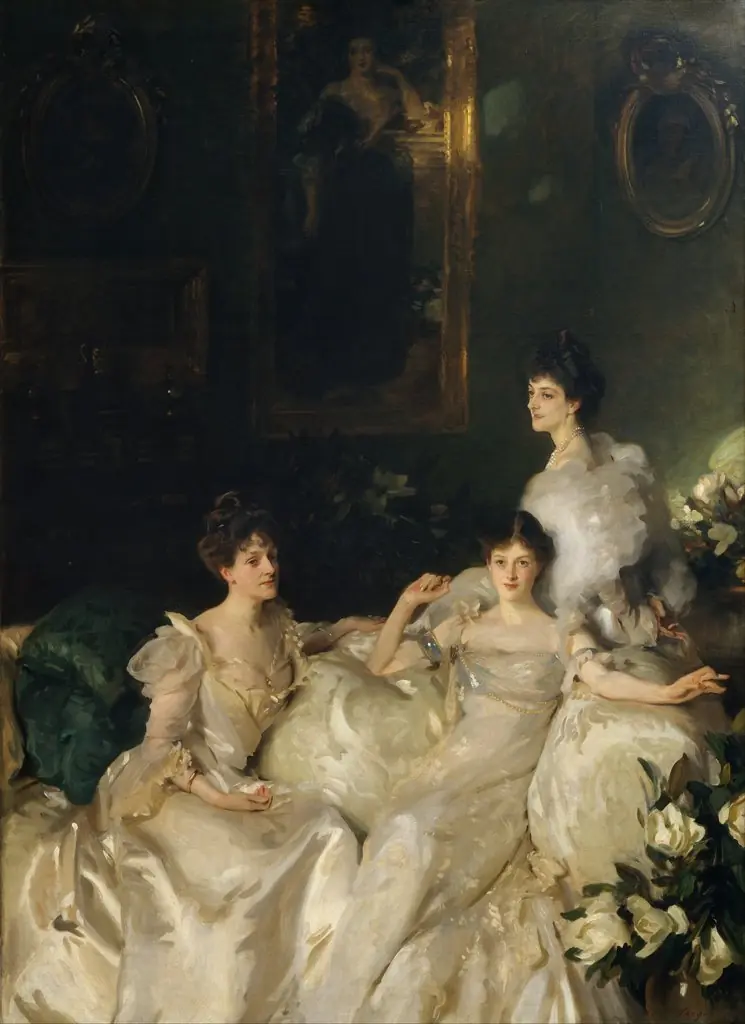
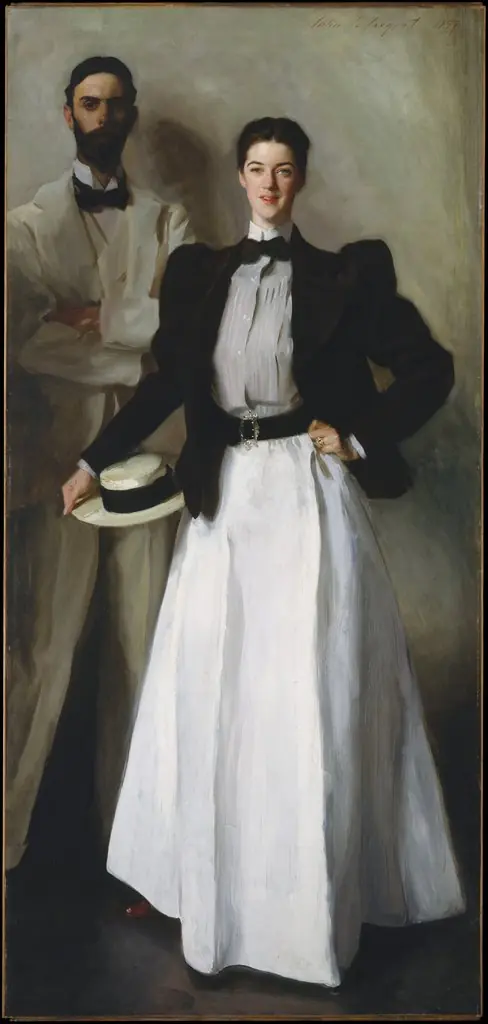
- Portrait of Madame Paul Poirson
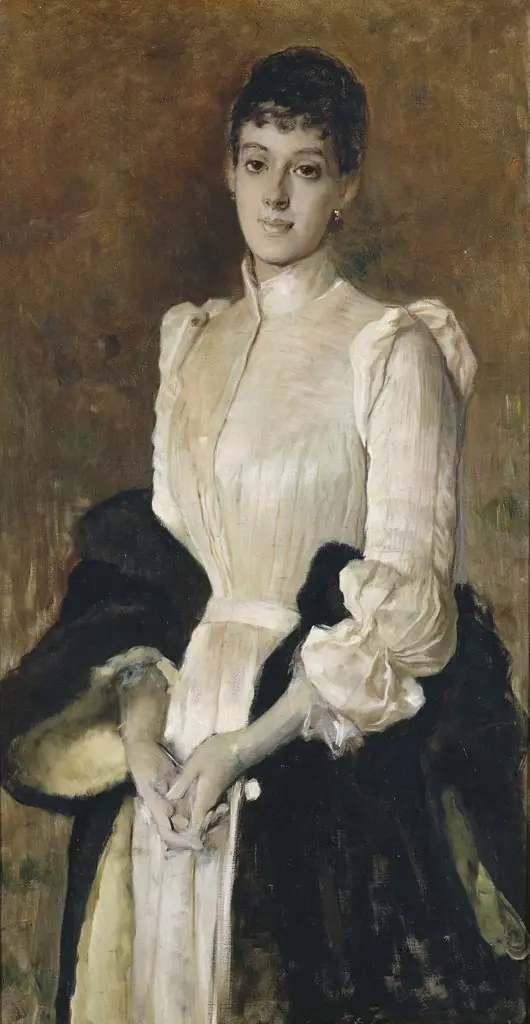 Concepción Miramón
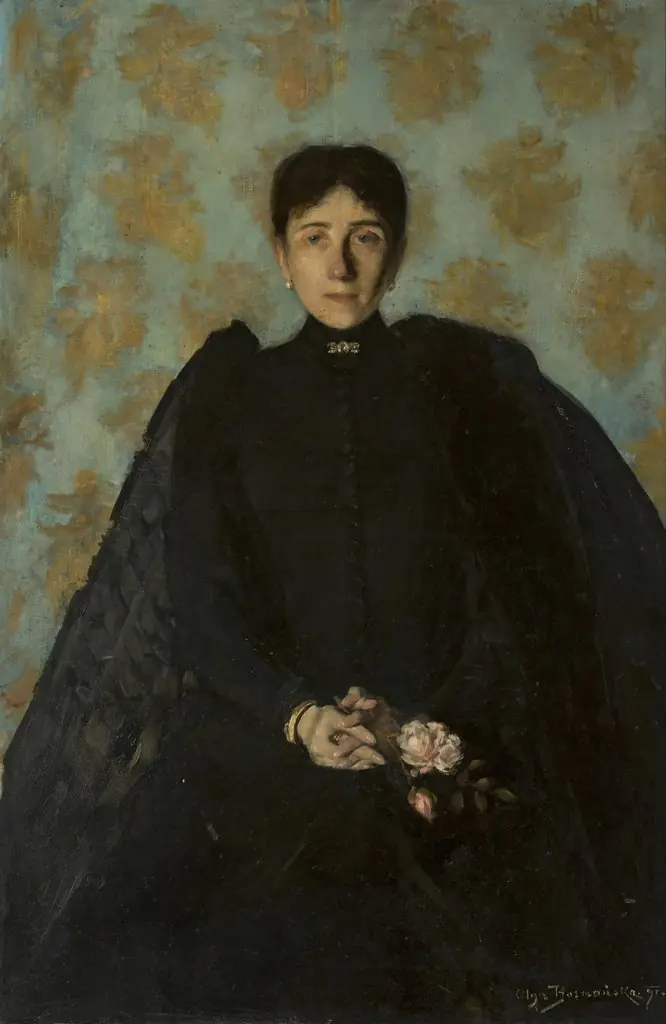 Portrait of a woman
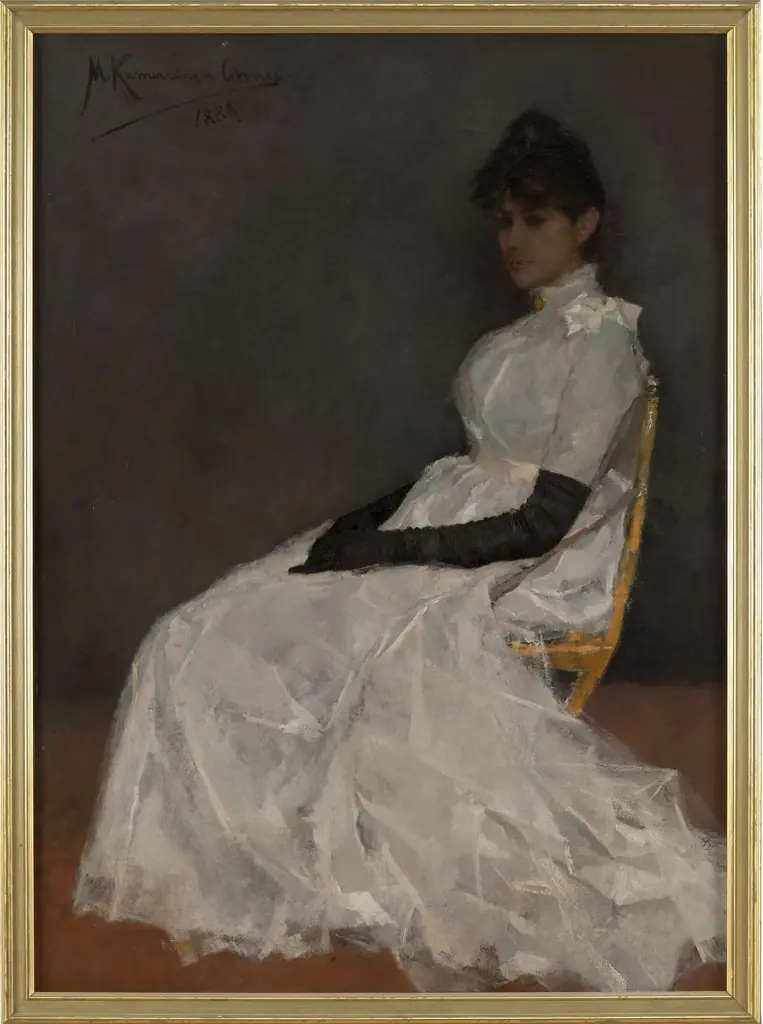 Portrait of Jenny Kamerlingh Onnes
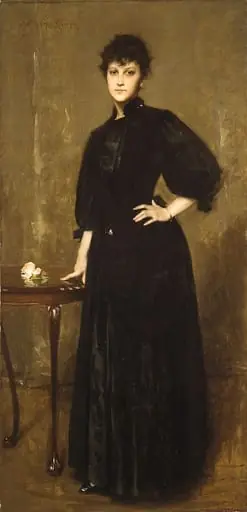 Lady in Black
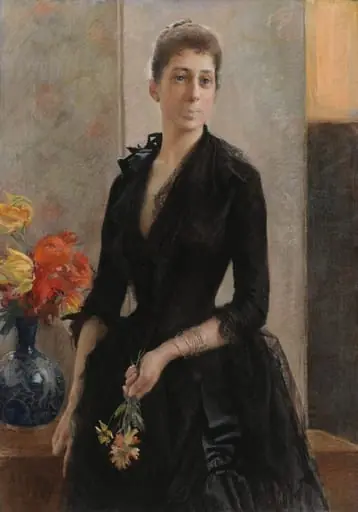 Mme Weissgerber de Stragewiczin (sittemmin Mme R.Berenger) muotokuva
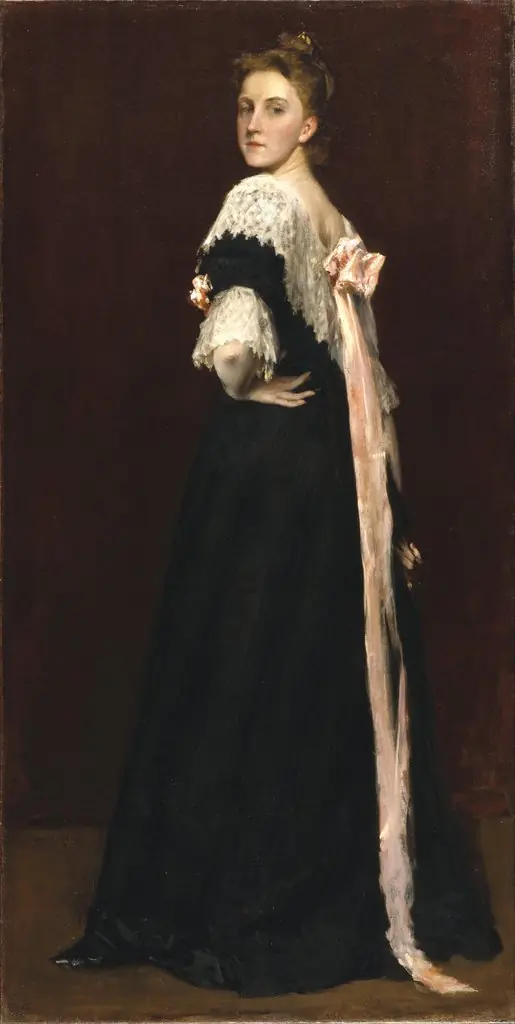 Lydia Field Emmet
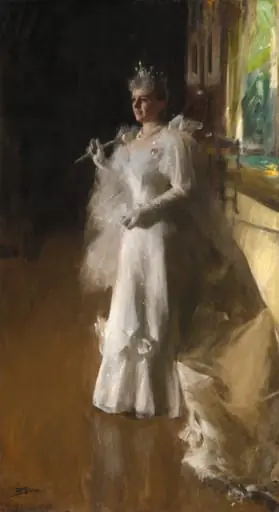 Mrs. Potter Palmer
 Mother of Pearl and Silver: The Andalusian
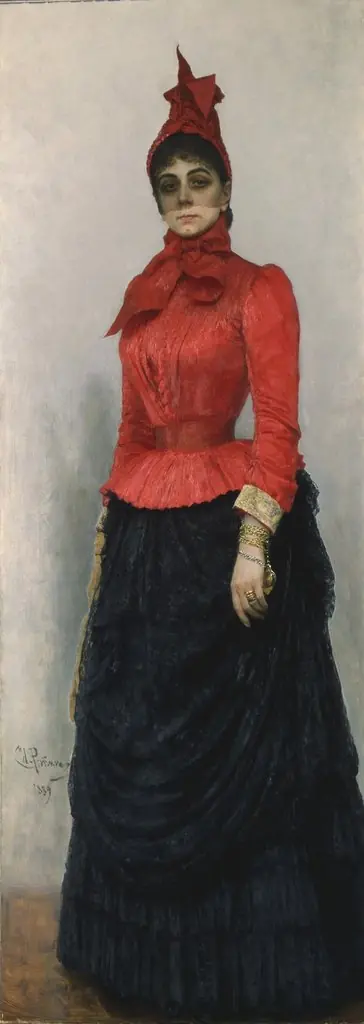 Portrait of Baroness V.I. Ikskul von Hildenbandt
 Edith Reynolds
 Jessica Penn in Black with White Plumes