Artwork
Bird on a Lotus Bud
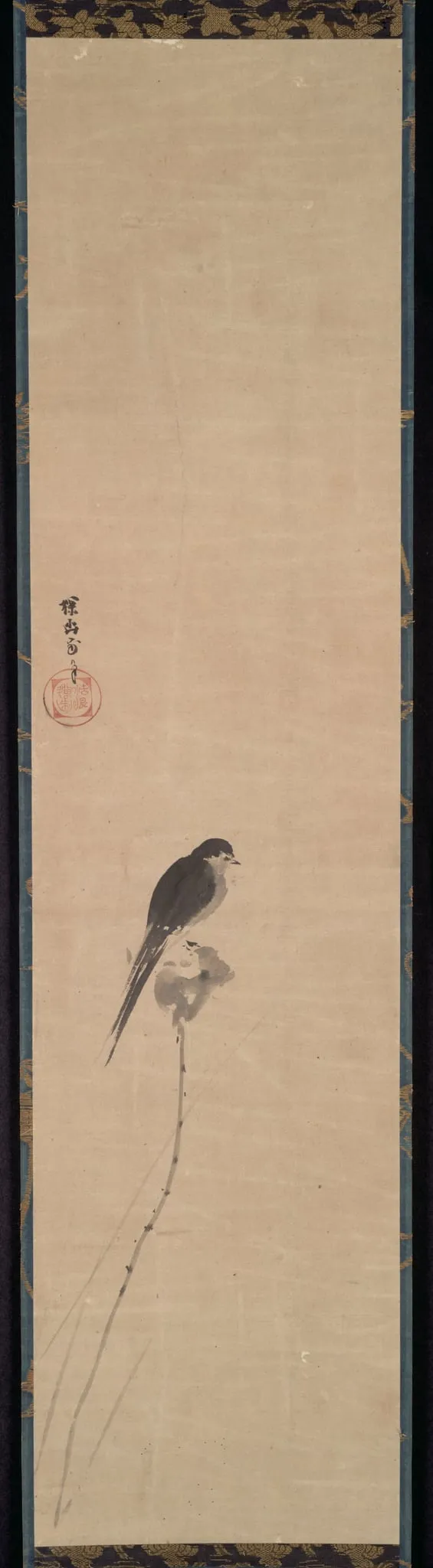
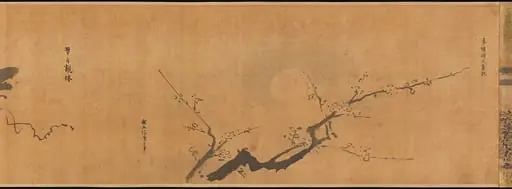
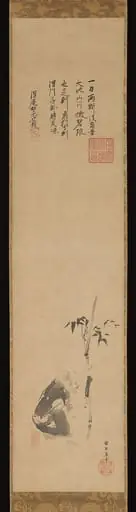
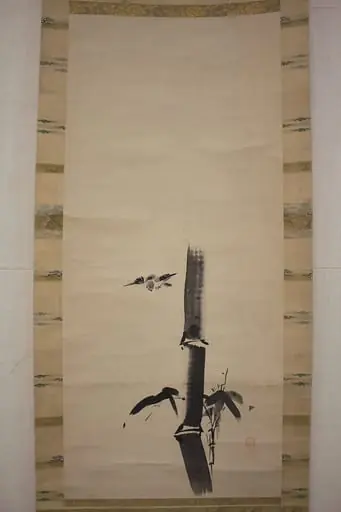
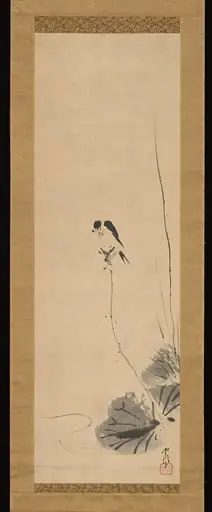
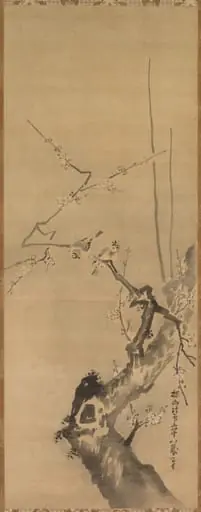
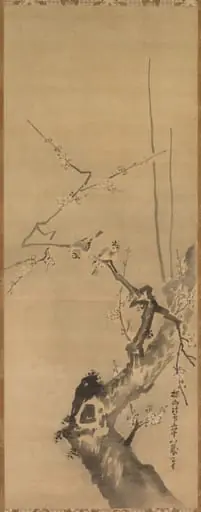
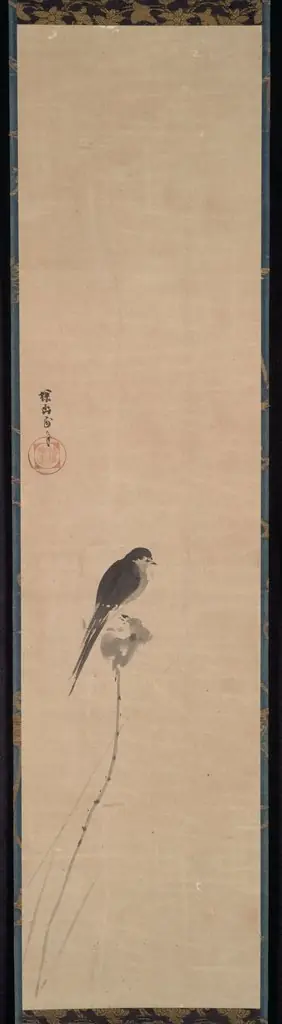
Bird on a Lotus Bud is an unspecified painting by the Baroque artist Kano Tan'yū. It dates from 1604 and is held in the collection of the Cleveland Museum of Art. Created around 1604 by Kanō Tan’yū, this ink painting captures a solitary bird resting on a lotus bud.
- Accession no.
- 2001.165
- Credit line
- Gift of Alan L. and Paul L. Hyde in memory of their mother, Katharine Litchfield Hyde
About this work
Overview
Created around 1604 by Kanō Tan’yū, this ink painting captures a solitary bird resting on a lotus bud. Executed in the tradition of the Kanō school, it reflects the refined aesthetic favored by elite patrons during the early Tokugawa period. The work is part of the Cleveland Museum of Art’s collection and exemplifies the school’s emphasis on disciplined brushwork and naturalistic observation.
Subject & Meaning
The lotus, a symbol of purity and spiritual emergence in East Asian culture, paired with the quiet presence of the bird, suggests stillness and harmony.
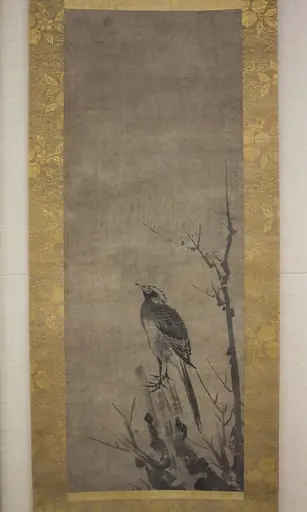
The composition centers on a bird, its slender tail and rounded form rendered with precision, perched atop a closed lotus bud. The lotus, a symbol of purity and spiritual emergence in East Asian culture, paired with the quiet presence of the bird, suggests stillness and harmony. The image invites contemplation rather than narrative, aligning with Zen-inflected ideals of quietude and natural order.
Technique & Style
Tan’yū employed monochrome ink washes to define form, using varying tonal gradations to suggest volume without color. The bird’s feathers are indicated with swift, controlled strokes, while the lotus bud is softly modeled in pale gray. The warm beige background, left largely unadorned, enhances the sense of spatial calm. The technique balances economy with sensitivity, characteristic of Kanō school refinement.
History & Provenance
The painting was produced during Tan’yū’s early career, when he was establishing the Kanō school’s dominance in official artistic circles. It likely served as a decorative screen or hanging scroll for a samurai or aristocratic residence. The work entered the Cleveland Museum of Art’s collection in the 20th century, where it remains a key example of Edo-period ink painting.
Context
In early 17th-century Japan, the Tokugawa shogunate promoted artistic order and restraint. The Kanō school, as the official painterly lineage, adapted Chinese models into a distinctly Japanese idiom. Works like this one, blending Chinese ink techniques with native sensibilities, met the tastes of a new ruling class seeking cultural legitimacy through refined, understated imagery.
Legacy
Tan’yū’s influence extended through generations of Kanō painters, and this small work exemplifies the school’s enduring capacity to convey depth through simplicity. Its quiet composition continues to be studied for its mastery of ink modulation and compositional balance, representing a pivotal moment in the evolution of Japanese ink painting beyond overt decoration.
Artist & collection