Artwork
山水図|Landscape with Pavilion
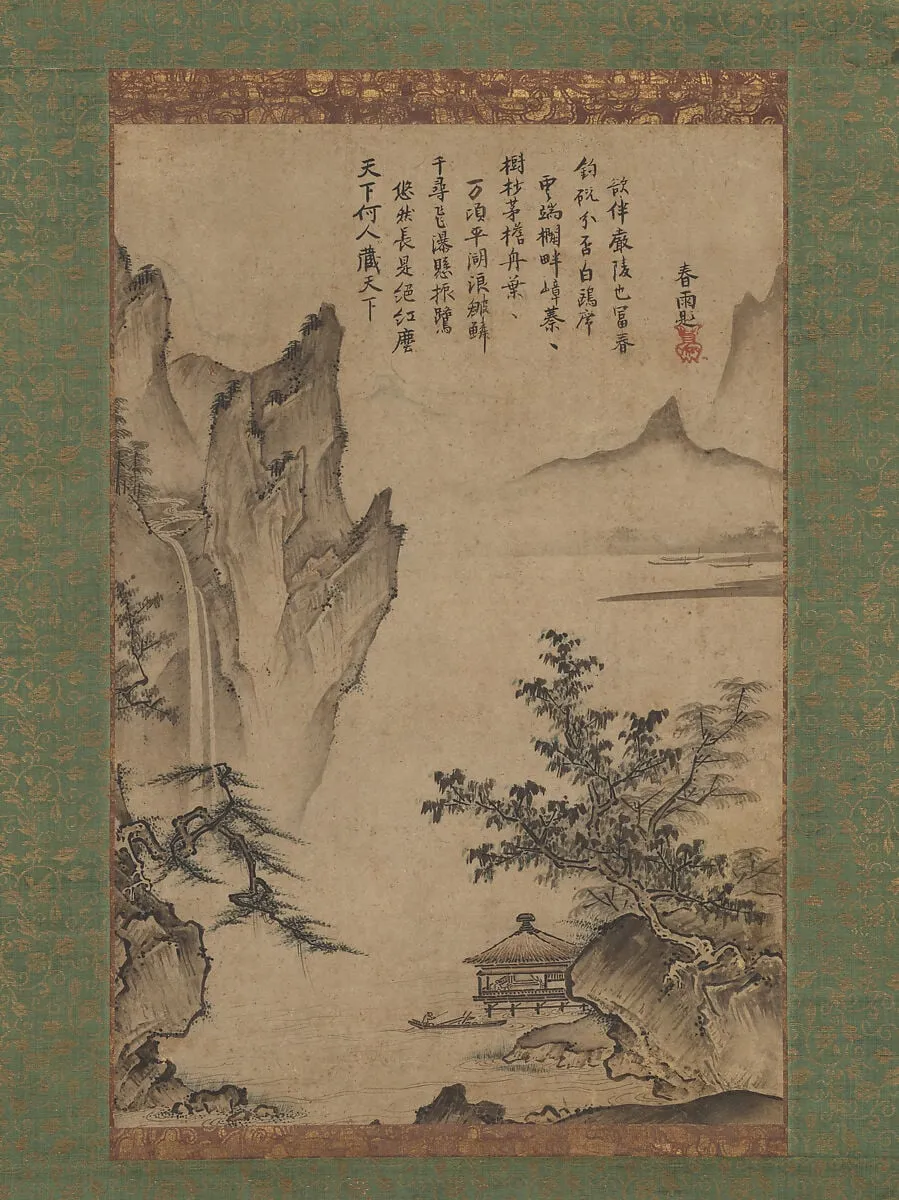
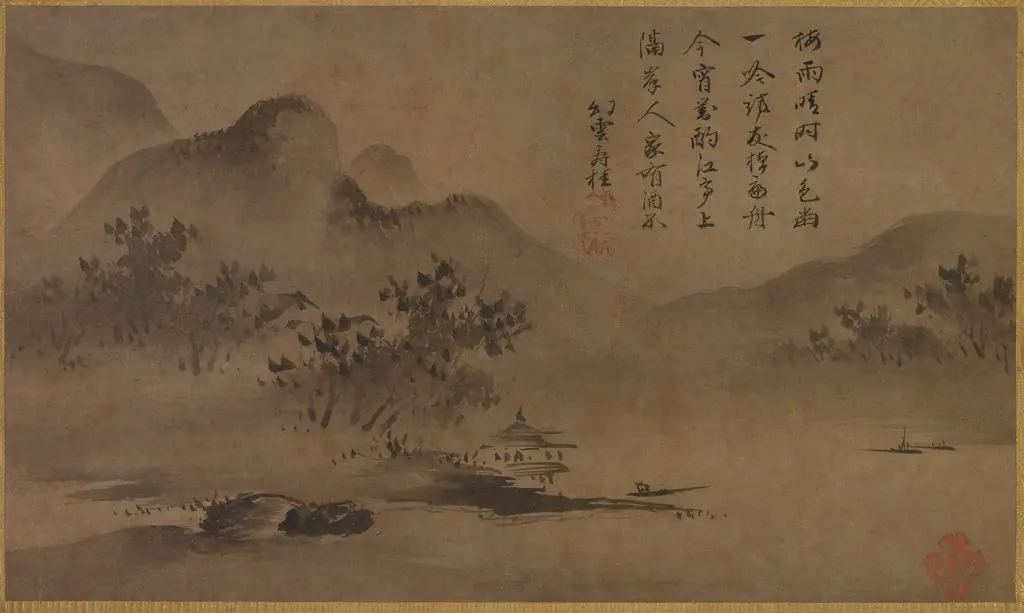
山水図|Landscape with Pavilion is an ink painting by the Ming dynasty painting artist Tōgen Zuisen 桃源瑞仙. It dates from 1479 and is held in the collection of the Metropolitan Museum of Art. Tōgen Zuisen's Landscape with Pavilion, rendered in ink and subtle color on paper, dates to 1479.
About this work
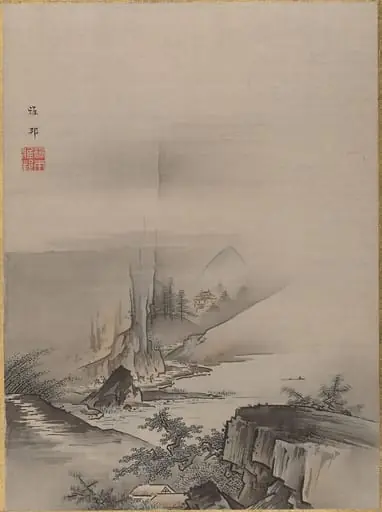
Jagged mountains, a tiny pavilion, and a lone pine clinging to a cliff fill a tall scroll, with most of the paper left bare so the empty space reads as mist. This quiet manner was made for Zen monks to meditate on rather than to display skill. Tōgen Zuisen painted it in 1479 in ink and color on paper.
Subject & Meaning
The hanging scroll titled 山水図|Landscape with Pavilion, created by Kenkō Shōkei in 1479, portrays a traditional East Asian landscape that combines natural topography with a small pavilion. Its iconography features a distant mountain range and a modest architectural structure, both recurring motifs in the landscape painting genre that convey ideas of retreat and scholarly contemplation. As a work in the Metropolitan Museum of Art’s collection, the piece exemplifies the aesthetic of ink and color on paper used to represent the harmony between humanity and the natural world.
The composition underscores the cultural significance of landscape imagery in 15th‑century Japanese art, where mountains and pavilions serve as symbolic elements within the broader genre of landscape painting.
Technique & Style
The work is classified as a landscape painting, with the visual focus on mountainous terrain rendered in the traditional ink-and-color technique.
Landscape with Pavilion is executed as a hanging scroll in ink and color on paper, a format and medium combination characteristic of late fifteenth-century Japanese painting. The work is classified as a landscape painting, with the visual focus on mountainous terrain rendered in the traditional ink-and-color technique. The scroll format supports a vertical compositional orientation suited to the depiction of towering peaks and pavilion architecture set within a mountainous setting.
Produced in 1479, the piece reflects the ink-based handling associated with Zen-influenced monastic painters of the Muromachi period, though specific brushwork details and current condition are not documented in the available records.
History & Provenance
Created in 1479 in Japan, this hanging scroll titled Landscape with Pavilion is attributed to the artist Kenkō Shōkei, though some internal records also associate the name Tōgen Zuisen with the work. Executed in ink and color on paper, the painting depicts a mountainous landscape. The work currently resides in the collection of the Metropolitan Museum of Art, where it is classified as a landscape painting.
While the specific circumstances of its commission and the detailed chain of ownership prior to its museum acquisition are not specified in the available records, the date of inception is firmly established as 1479.
Overview
Tōgen Zuisen's Landscape with Pavilion, rendered in ink and subtle color on paper, dates to 1479. This hanging scroll presents a serene mountain vista, characterized by its minimalist composition and delicate palette. It invites viewers to engage with a tranquil natural world.
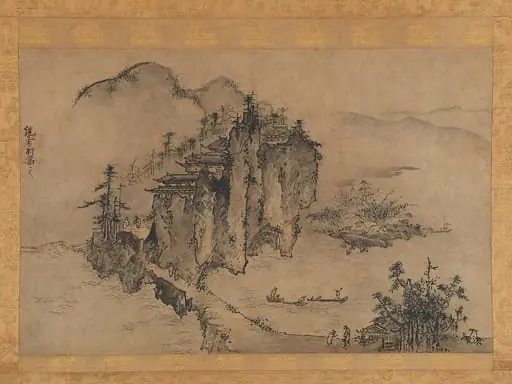
Artist & collection
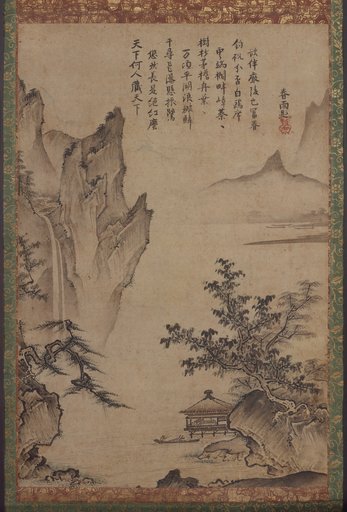
Artist
Togen Zuisen and Kenko Shokei painted ink-and-paper landscapes in 15th-century Japan and left a single scroll, "Landscape with Pavilion" (1478-80), where mist curls around a pavilion tucked among pines.

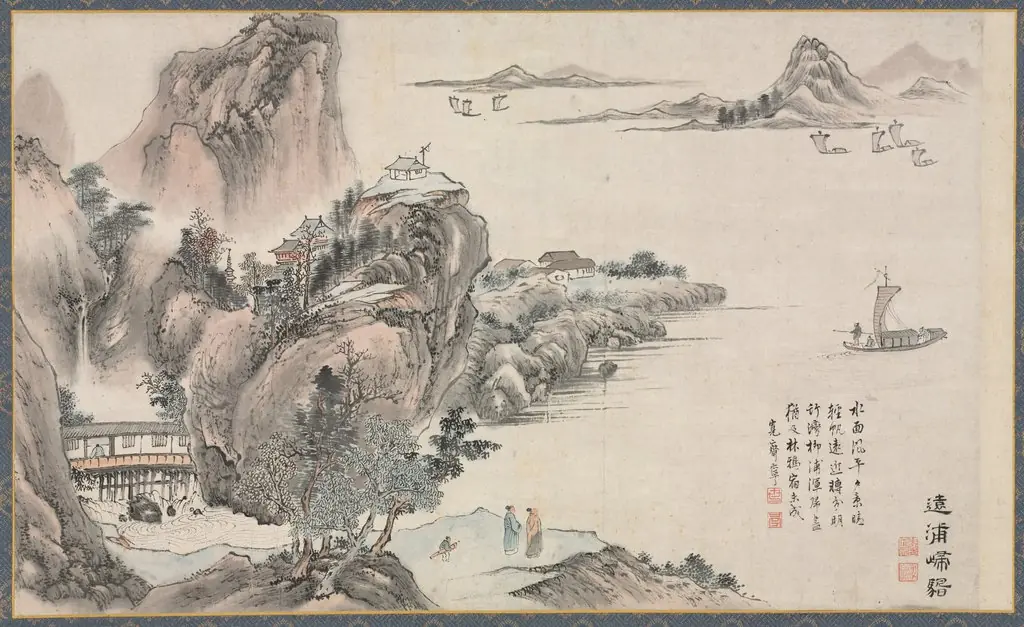 Returning Sails off a Distant Shores, from Eight Views of Xiao-Xiang
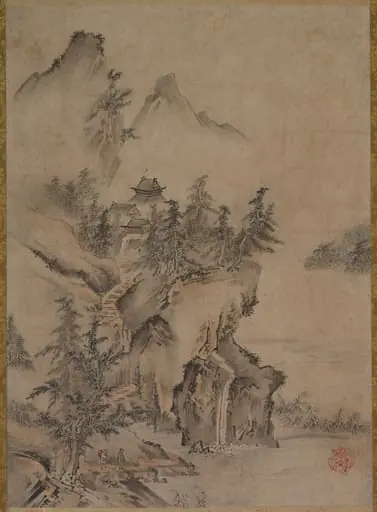 Chinese Literatus Traveling to a Mountain Temple
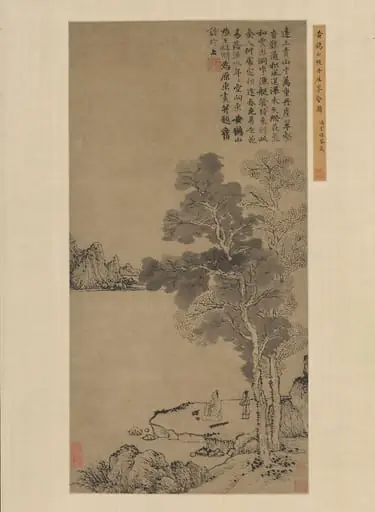 元 王蒙 丹崖翠壑圖 軸|Red Cliffs and Green Valleys
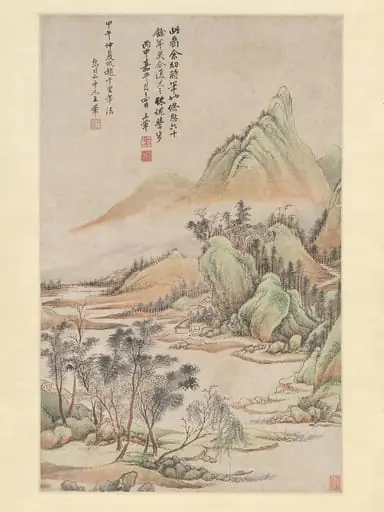 倣趙伯駒山水圖 軸|Landscape in the Style of Zhao Boju (Fang Zhao Boju shanshui)
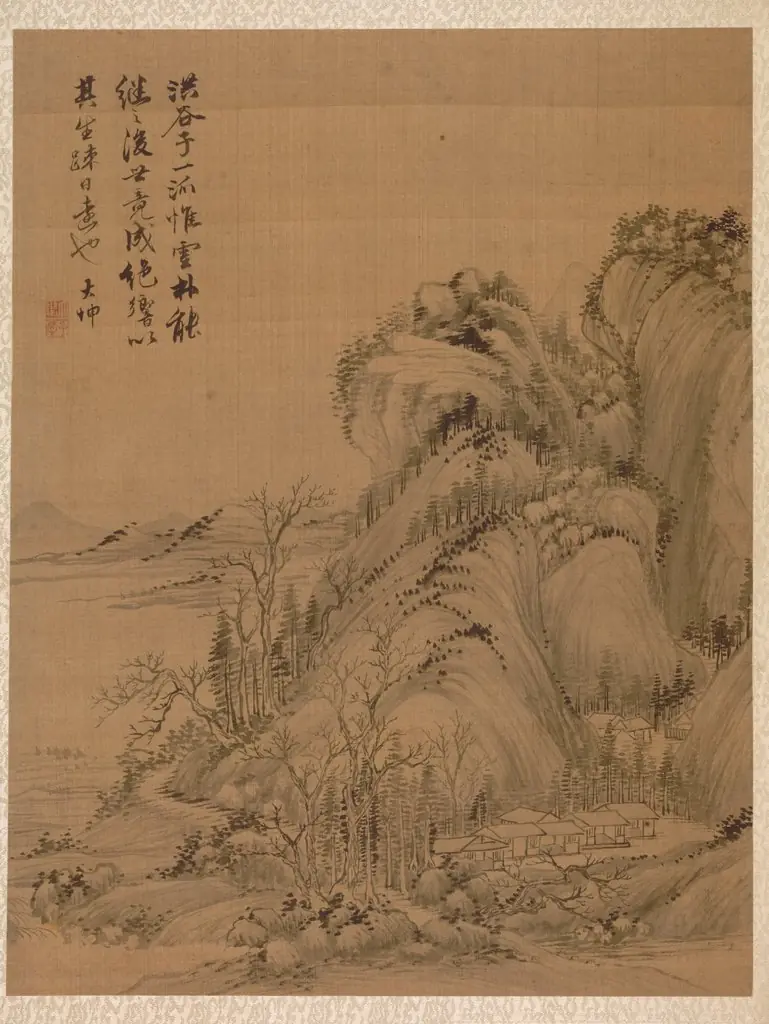 Landscape in the Style of Ching Hao
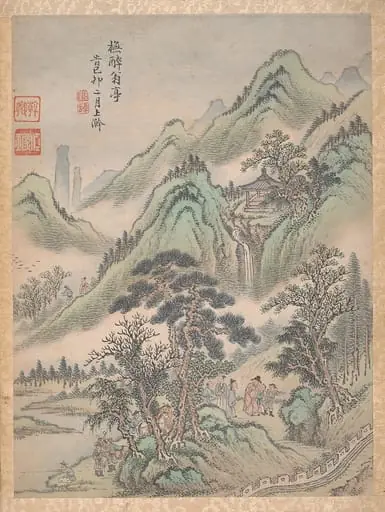 清 陸漢 山水八開 冊|Eight landscapes
 Untitled
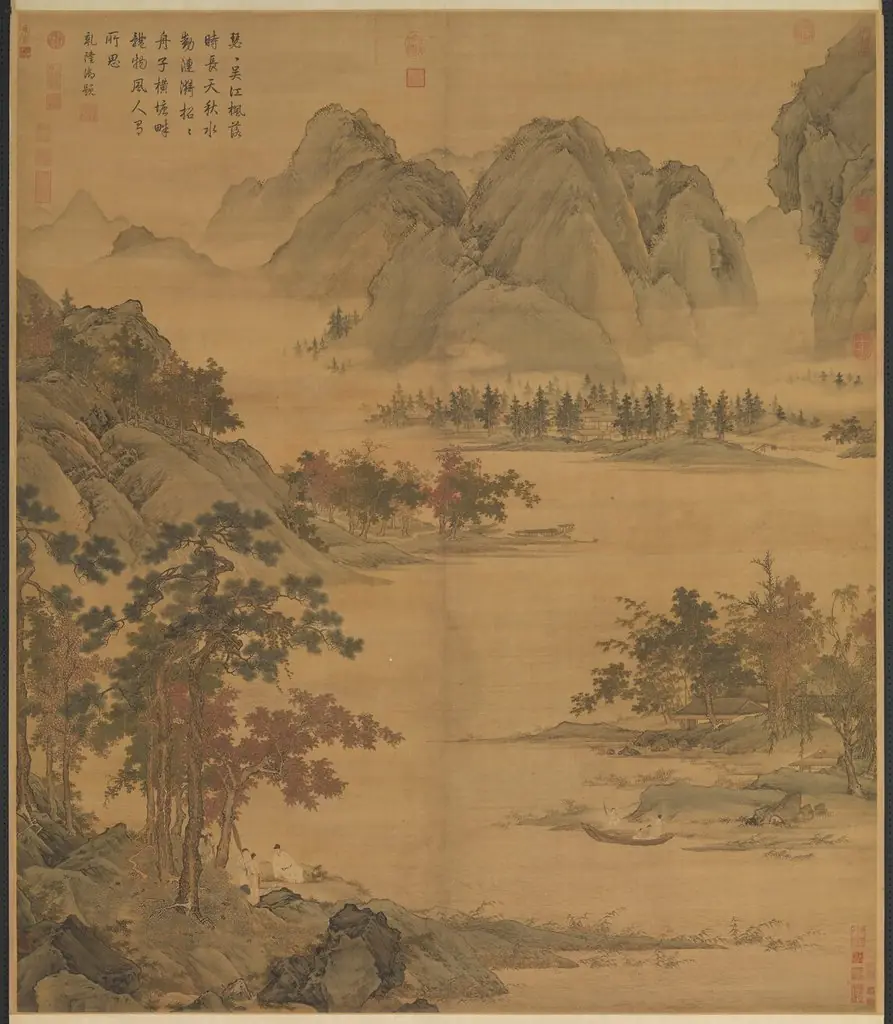 明仇英秋江待渡 軸
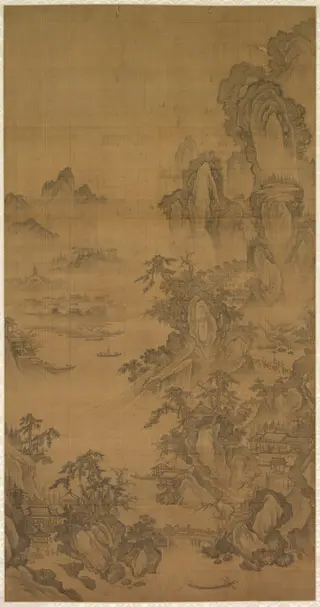 Mountain Market, Clear with Rising Mist
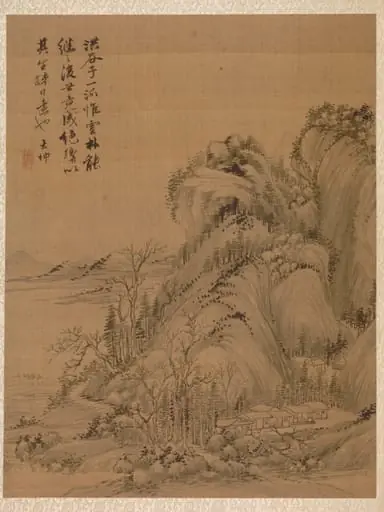 Landscape in the Style of Ching Hao
 Landscape
- 雪村周継筆 山水図|Landscape with Rocky Precipice