Artwork
Untitled
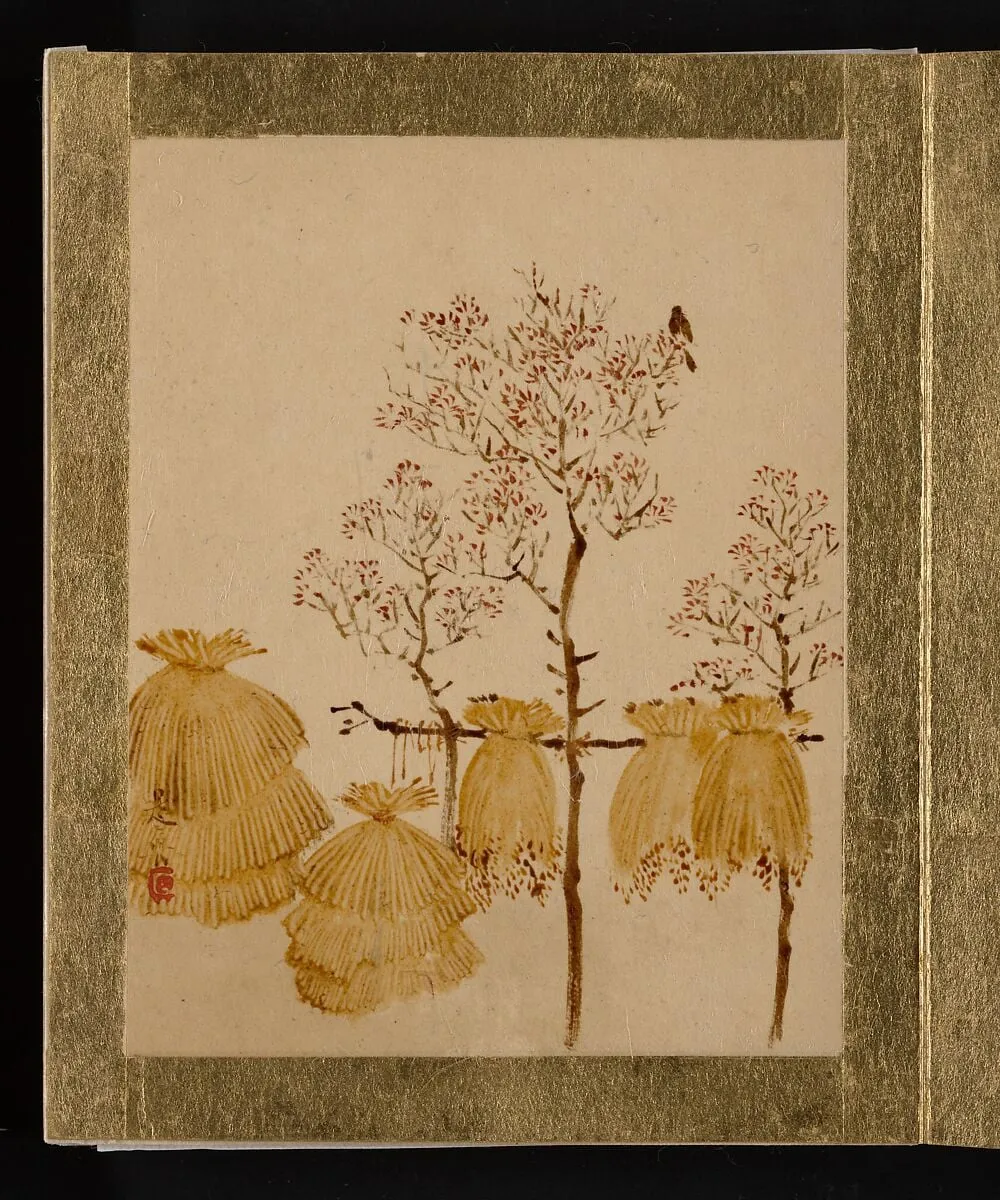
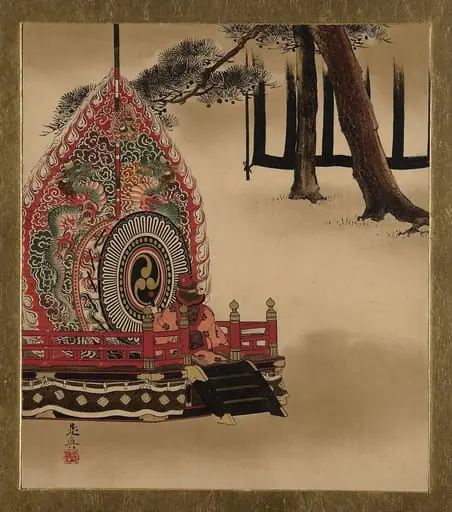
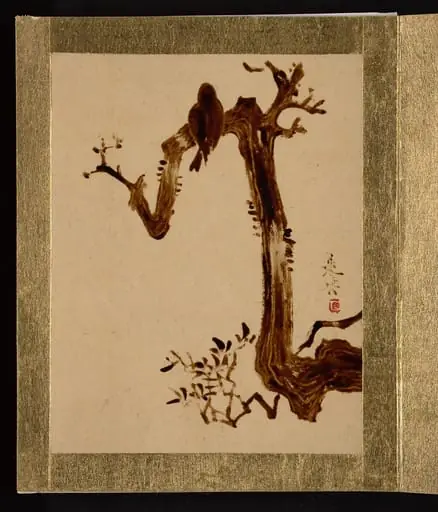
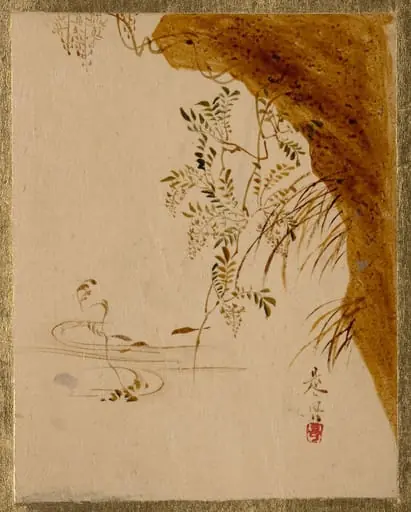
Untitled is an unspecified painting by the Nihonga artist Shibata Zeshin. It dates from 1837 and is held in the collection of the Metropolitan Museum of Art.
About this work
Subject & Meaning
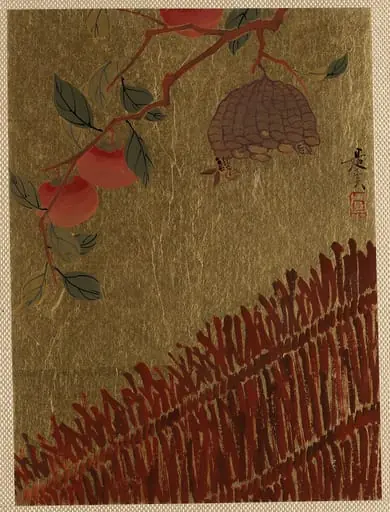
The piece was created in Japan and is now part of the Metropolitan Museum of Art collection, where it is catalogued as depicting a tree.
Untitled (1837) is a Japanese album leaf painted in lacquer on paper, classified as a landscape genre work. The composition centers on a single tree, rendering the natural subject typical of the landscape category. Its modest dimensions of 11.4 cm by 8.9 cm reflect the intimate scale of such album leaves.
The piece was created in Japan and is now part of the Metropolitan Museum of Art collection, where it is catalogued as depicting a tree. As a landscape painting, the work exemplifies the artist’s focus on natural forms within a refined, decorative medium.
Technique & Style
Shibata Zeshin executed this landscape on an album leaf using lacquer on paper, a medium that showcases his innovative approach to traditional Japanese painting materials. The work depicts a tree, rendered with the precise handling characteristic of Zeshin's early period. Measuring 11.4 cm in height and 8.9 cm in width, the small scale of the support suggests an intimate, contemplative viewing experience typical of album leaf paintings.
The use of lacquer on paper rather than more conventional pigments demonstrates the artist's experimental engagement with medium and surface.
History & Provenance
Untitled by Shibata Zeshin was created in 1837, executed as a lacquer-on-paper album leaf depicting a tree. The work is held in the collection of the Metropolitan Museum of Art, where it remains located. No further details regarding commission, intermediate ownership, or acquisition history are documented in the available sources.
Overview
Shibata Zeshin’s untitled work, executed in 1837, presents a solitary tree trunk rendered on a lacquered album leaf. The piece belongs to the broader category of paintings, though its materiality diverges from conventional ink or watercolor approaches.
Context
In an era when Japanese painters typically employed ink, watercolor, or pigments, Zeshin’s choice of lacquer was unconventional. This material allowed him to explore a luminous surface quality that set his work apart from his contemporaries.
Artist & collection


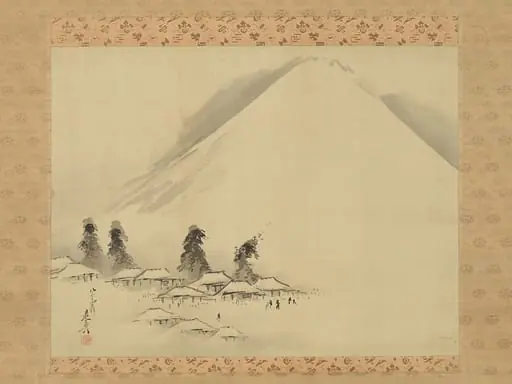
- 歷代集繪 冊 無款桃花
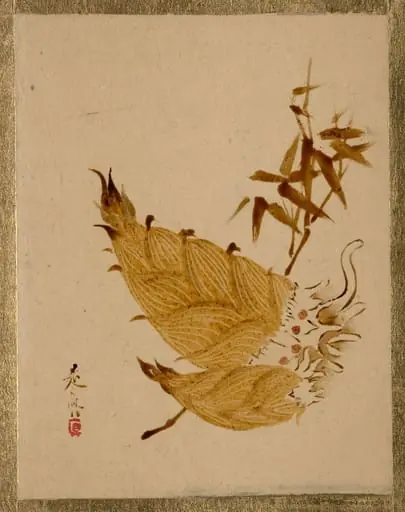 柴田是真筆筍図|Bamboo Shoots
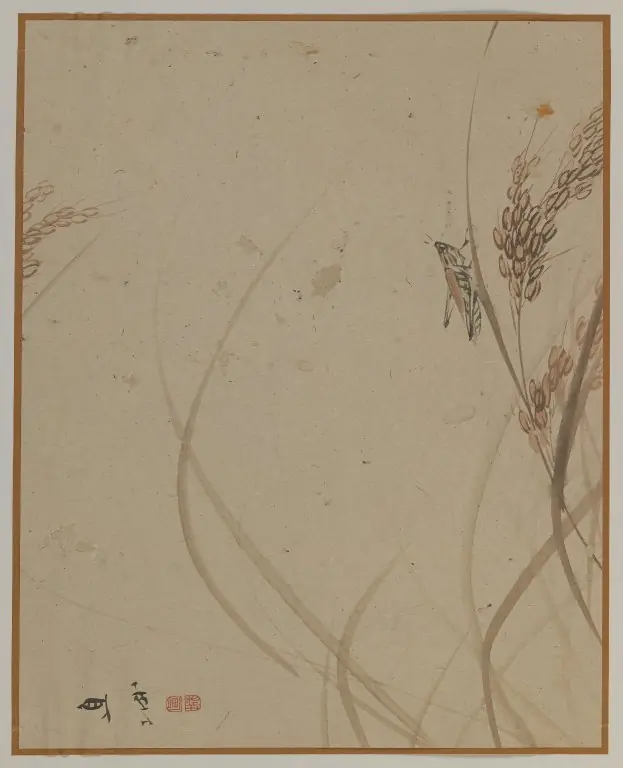 Grasshopper on Stalk of Rice
 Flowering Prunus
 Untitled
 松花堂昭乗書・伝俵屋宗達下絵 和歌色紙 |Poem by Onakatomi Yoshinobu with Underpainting of Hollyhocks
 Untitled
 明 十竹齋書畫譜 四開|Leaf from the Ten Bamboo Studio Manual of Painting and Calligraphy
 Untitled
 Oak apples
 Untitled
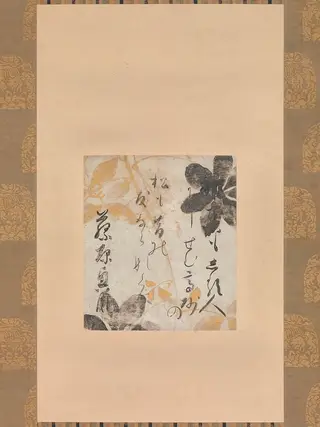 鉄線下絵和歌色紙|Poem by Fujiwara no Okikaze with Underpainting of Clematis