Artwork
The Marriage of the Virgin
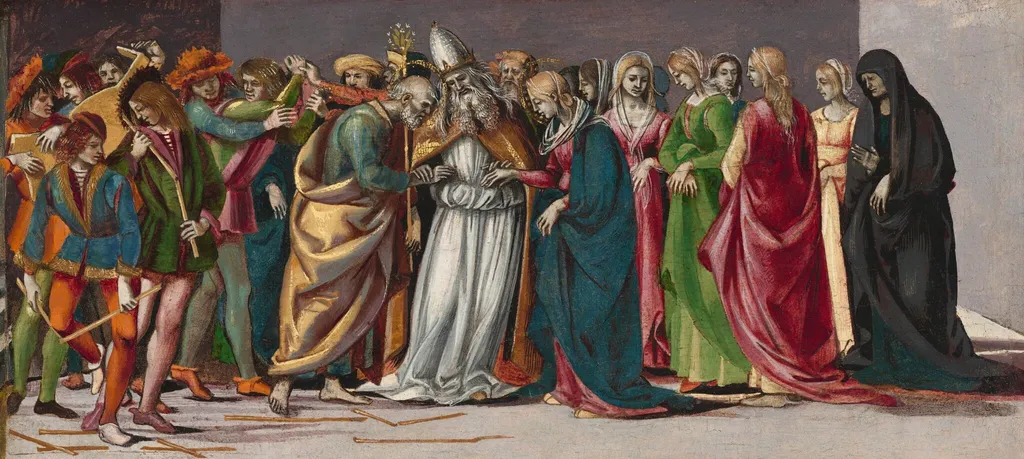
The Marriage of the Virgin is a tempera painting by the Early Renaissance artist Luca Signorelli. It dates from 1490 and is held in the collection of the National Gallery of Art.
About this work
Technique & Style
Executed in 1490, this religious painting by Luca Signorelli utilizes tempera applied to a wooden panel support.
Executed in 1490, this religious painting by Luca Signorelli utilizes tempera applied to a wooden panel support. The work presents a horizontal format, measuring 21.6 cm in height and 48 cm in width. As a tempera piece on panel, the medium reflects standard practices for Italian religious art of the late fifteenth century prior to the widespread dominance of oil painting.
The compact dimensions suggest the work was likely intended for private devotion or as part of a smaller decorative ensemble rather than a large-scale altarpiece.
History & Provenance
Luca Signorelli executed this tempera on panel in 1490. The work's documented ownership begins with Thomas Blayds of London, whose estate sold it at Christie & Manson in March 1849 under the title The Birth of St. John. By the 1890s, the painting belonged to Edward Habich in Kassel, who donated it to the Königliche Gemäldegalerie around 1900.
The museum sold the piece circa 1920, after which it entered the collection of Rudolf Chillingworth in Nuremberg. Following Chillingworth's 1922 auction in Lucerne, the panel was held by Jacques Goudstikker in Amsterdam by 1930 and subsequently inherited by Desirée Goudstikker von Saher in 1949. New York dealer Piero Tozzi later acquired the work, selling it to the Samuel H. Kress Foundation in February 1955. The foundation gifted the painting to the National Gallery of Art in 1961.
The Marriage of the Virgin by Luca Signorelli is held in the National Gallery of Art, Washington, D.C., as part of the Samuel H. Kress Collection with accession number 1961.1.1.
Its exhibition history includes display at the Samuel H. Kress Foundation prior to its 1961 gift to the National Gallery of Art. The painting has also been shown in the context of the Kress Collection holdings, though specific exhibition records post-1961 are not detailed in the cited provenance.
Overview
Luca Signorelli's The Marriage of the Virgin, executed around 1490 in tempera on panel, exemplifies early Renaissance painting. This religious composition portrays a central couple surrounded by a gathering of figures, some of whom express strong reactions. The work showcases Signorelli's approach to narrative and figural arrangement within the period's artistic conventions, reflecting the artist's skill in rendering complex human interactions.
Subject & Meaning
The painting depicts a pivotal religious event, with a man in a white robe and tall hat joined with a woman in blue, their hands meeting. Surrounding them, a diverse crowd in vibrant attire appears engaged in discussion or disagreement, adding a dynamic element to the sacred narrative. This portrayal captures the human drama inherent in the biblical account of the Virgin Mary's betrothal, a common theme in Renaissance art.
Context
Luca Signorelli, a painter originating from Cortona, was active across significant Italian artistic centers such as Florence, Siena, and Rome during the Renaissance. His career saw him contribute to the vibrant artistic landscape of these cities before he eventually returned to his hometown in his early forties. This painting belongs to a period when Signorelli was establishing his distinctive style within the broader Renaissance movement.
Artist & collection
Artist
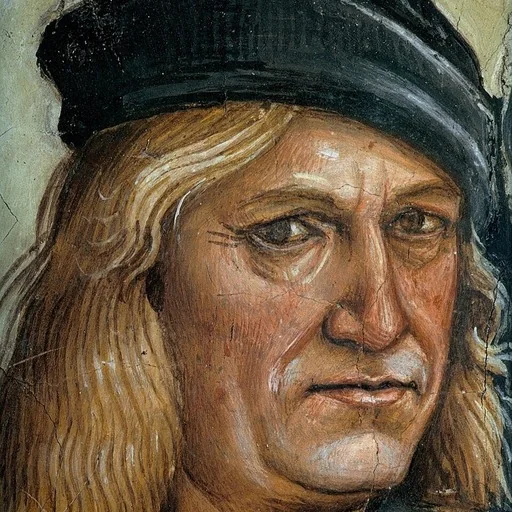
Luca Signorelli (c. 1441/1445 – 16 October 1523) was an Italian Renaissance painter from Cortona, in Tuscany, who was noted in particular for his ability as a draftsman and his use of foreshortening. His massive frescos…

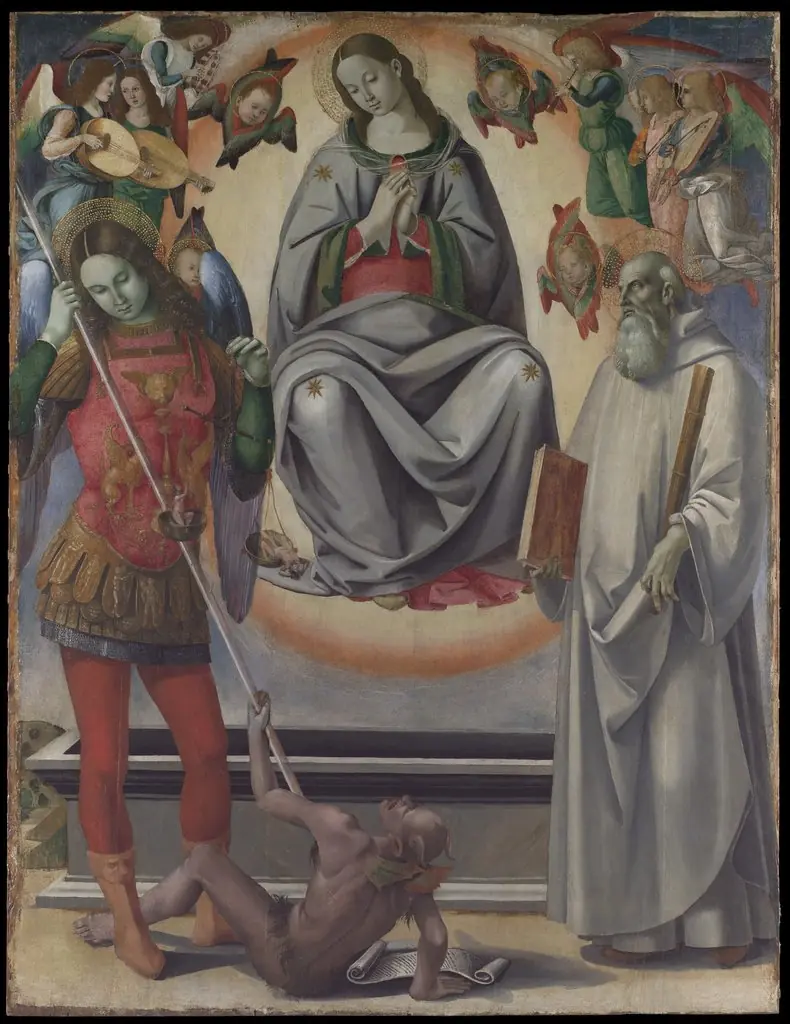
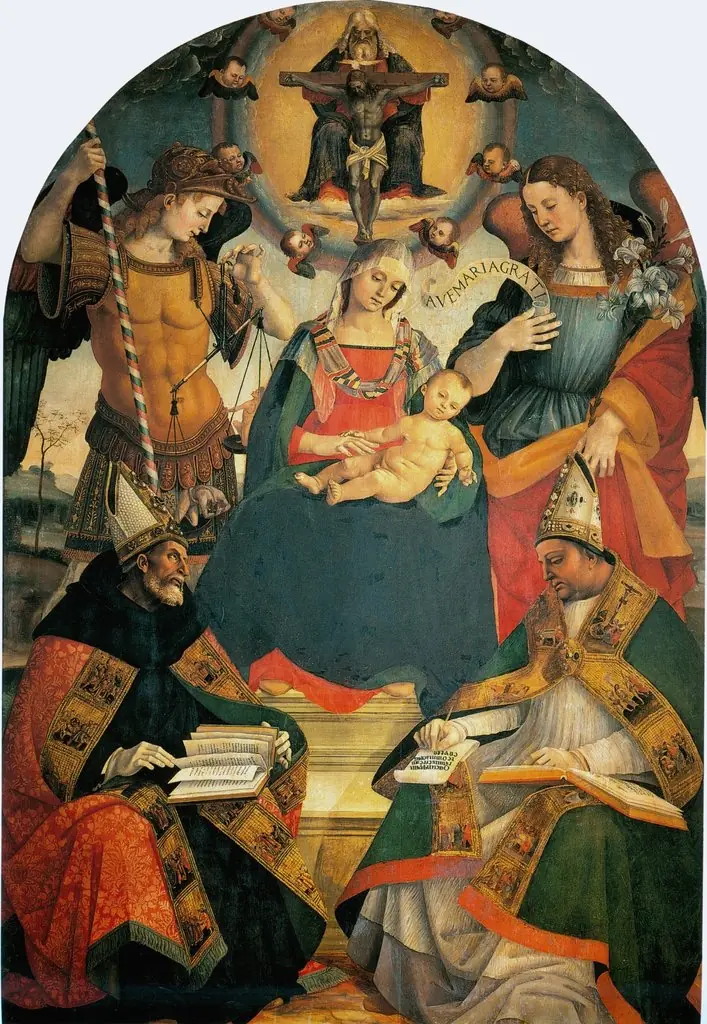
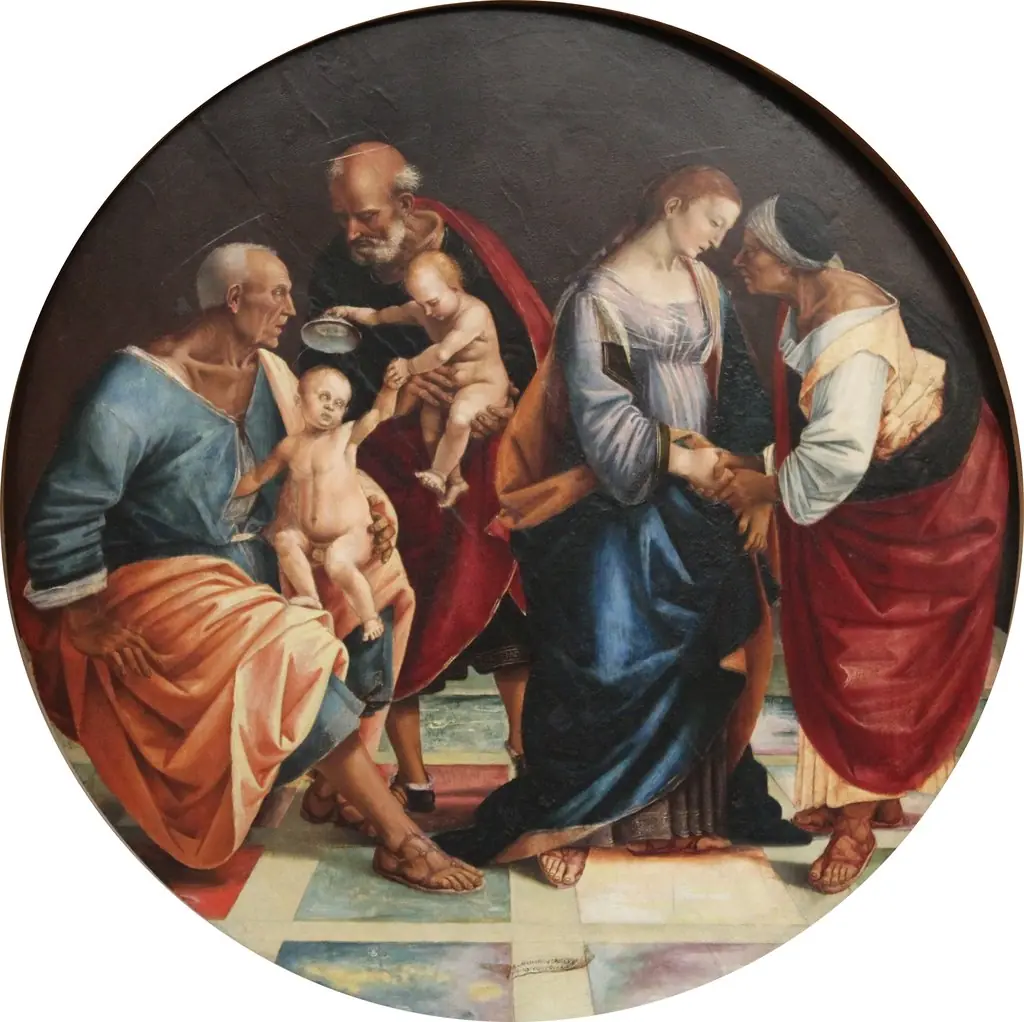
 Visitation (Meeting of Mary and Elizabeth in the Presence of Saints Joseph and Jerome)
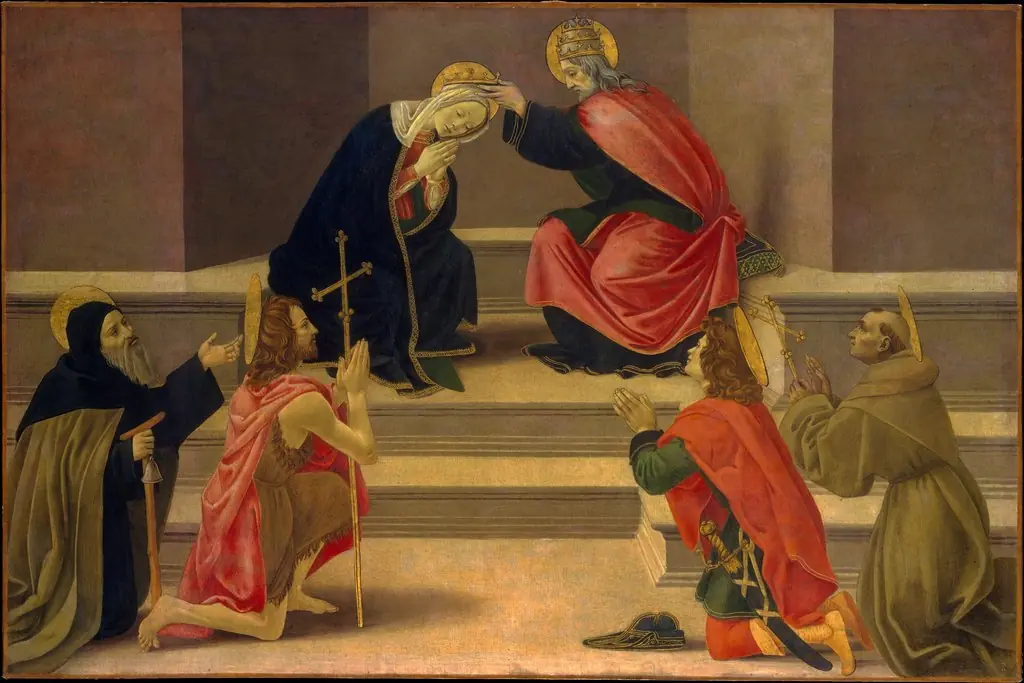 The Coronation of the Virgin
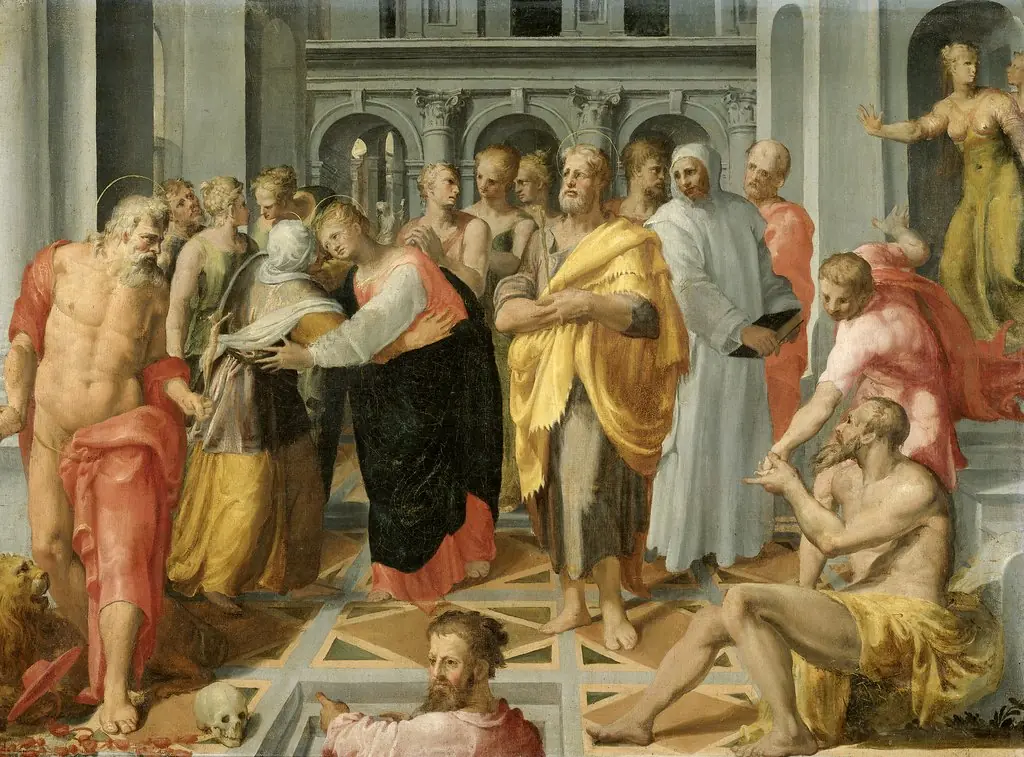 Visitation (Meeting of Mary and Elizabeth in the Presence of Saints Joseph and Jerome)
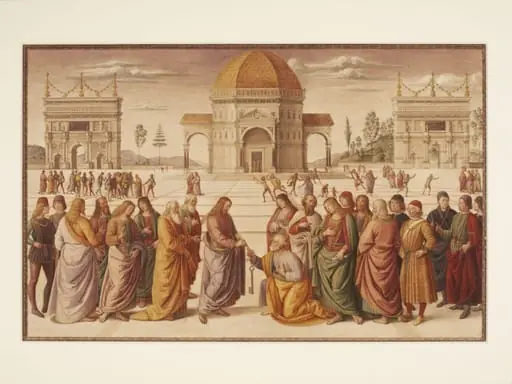 The Delivery of Keys to St Peter
 Susanna and the Elders in the Garden, and the Trial of Susanna before the Elders
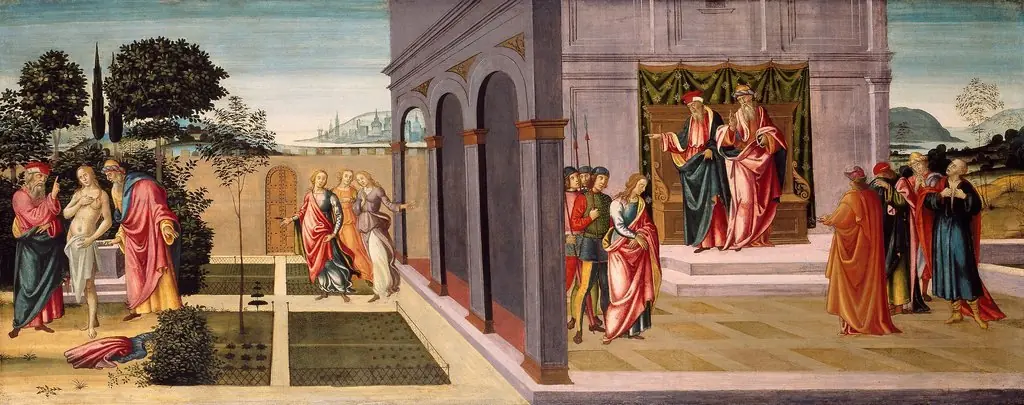 Susanna and the Elders in the Garden, and the Trial of Susanna before the Elders
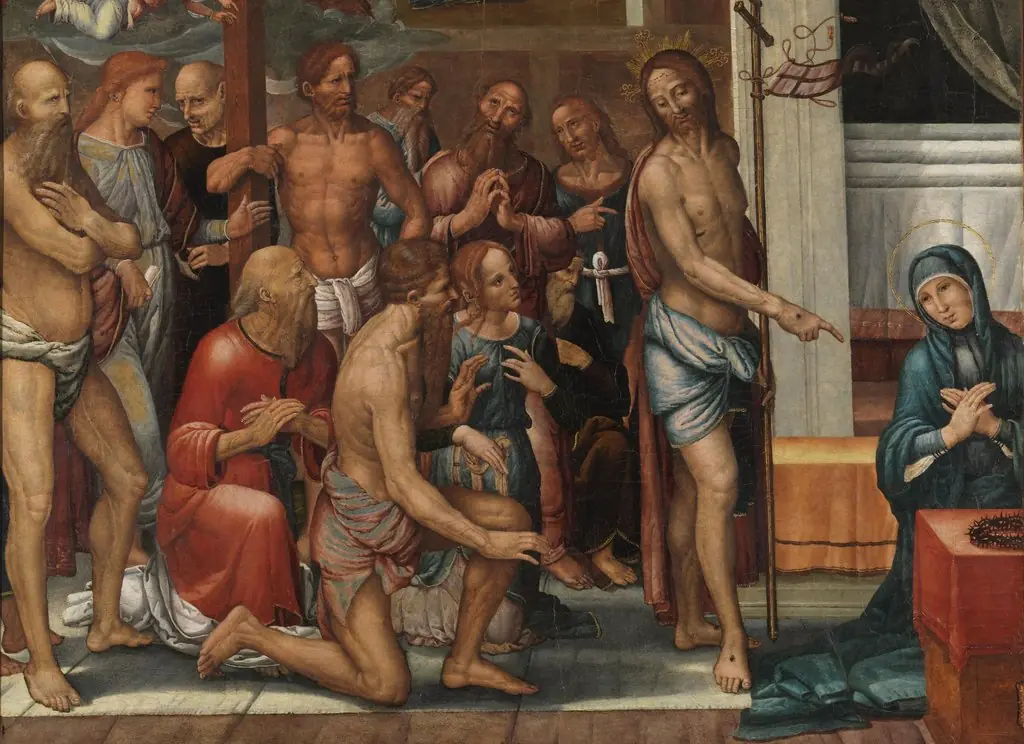 Christ presents the Redeemed from Limbo to the Virgin
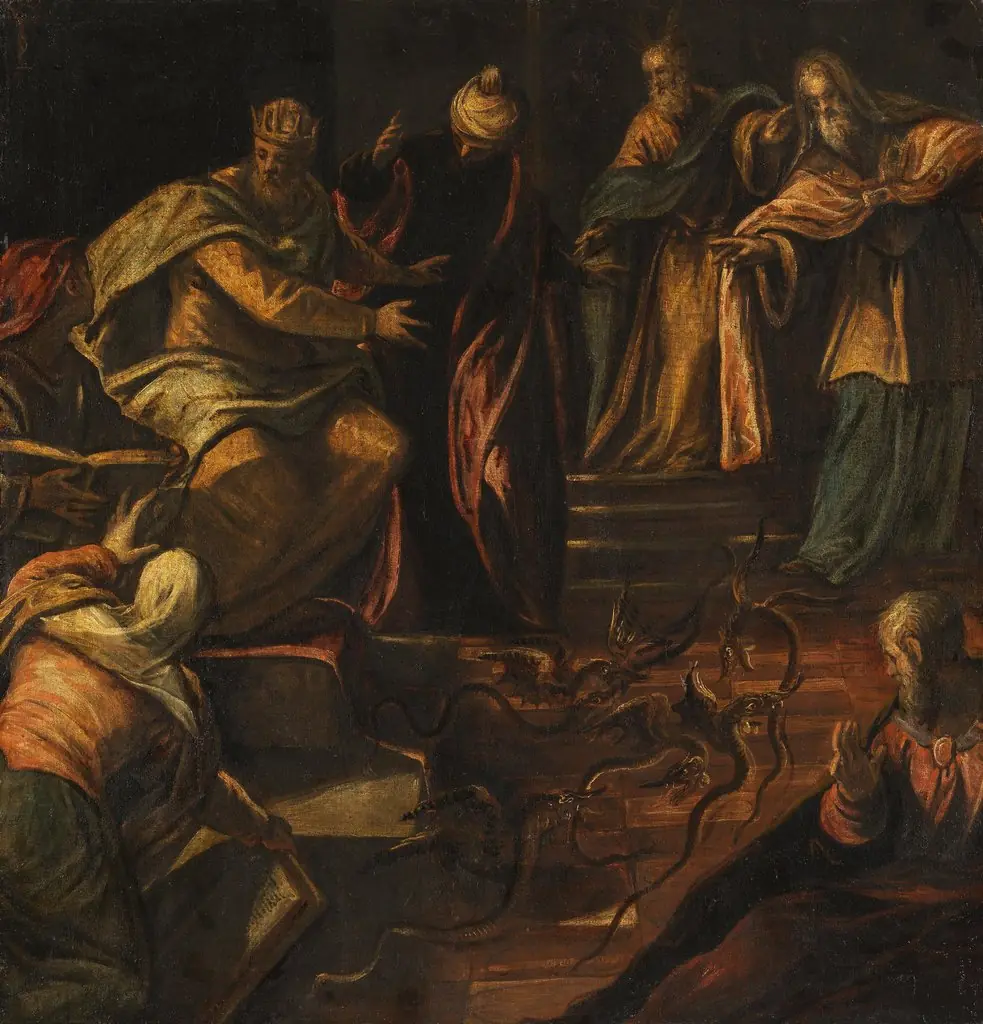 Das mosaische Schlangenwunder (Umkreis)
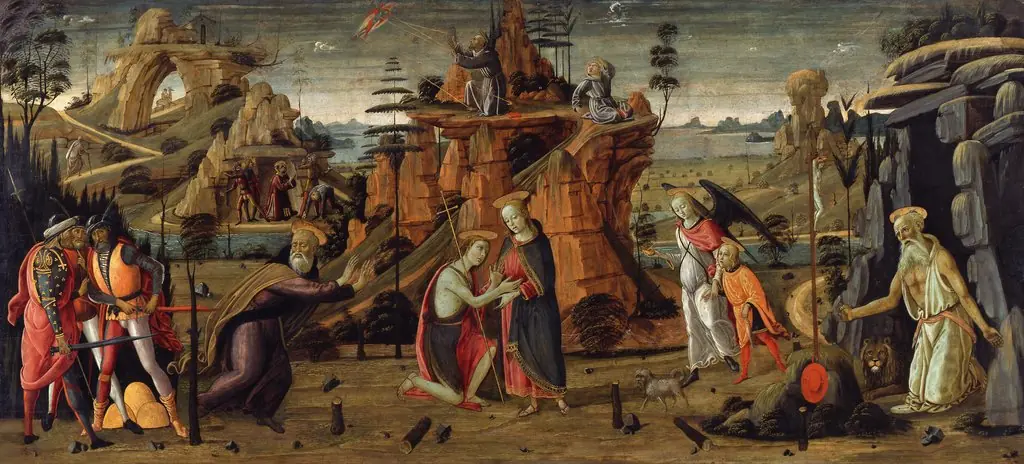 Landscape with biblical scenes and scenes from the legends of saints
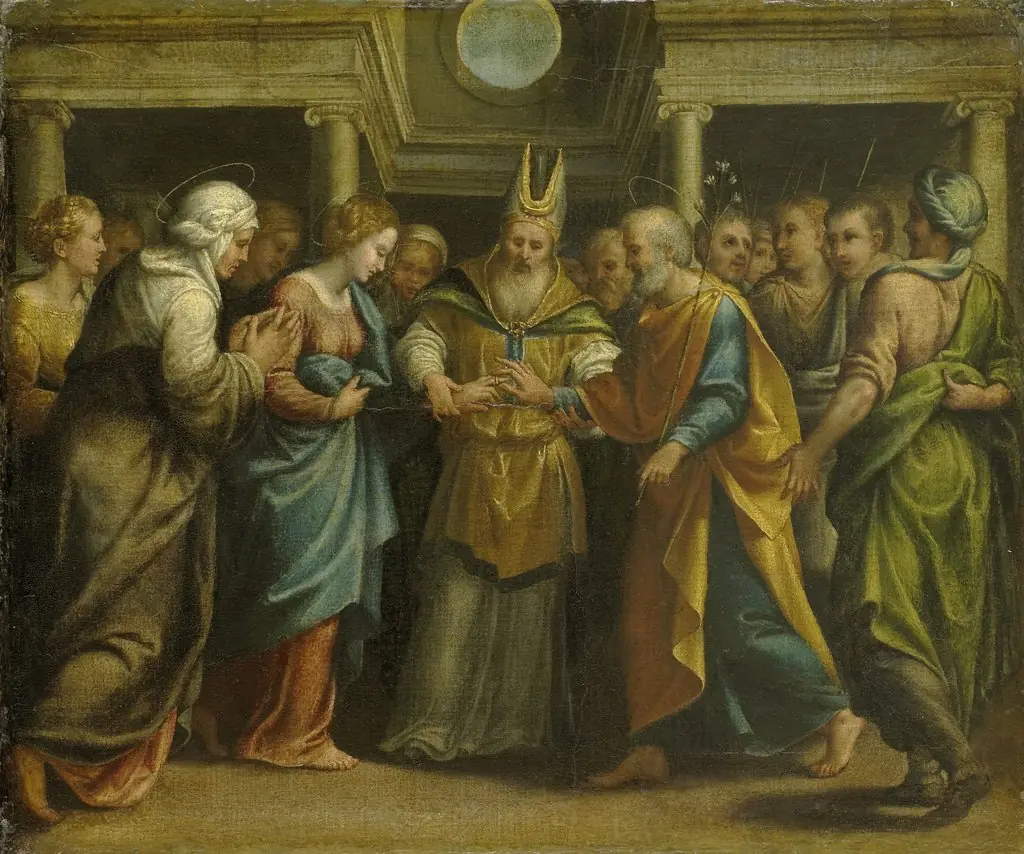 Marriage of Mary and Joseph