Artwork
Madonna and Child
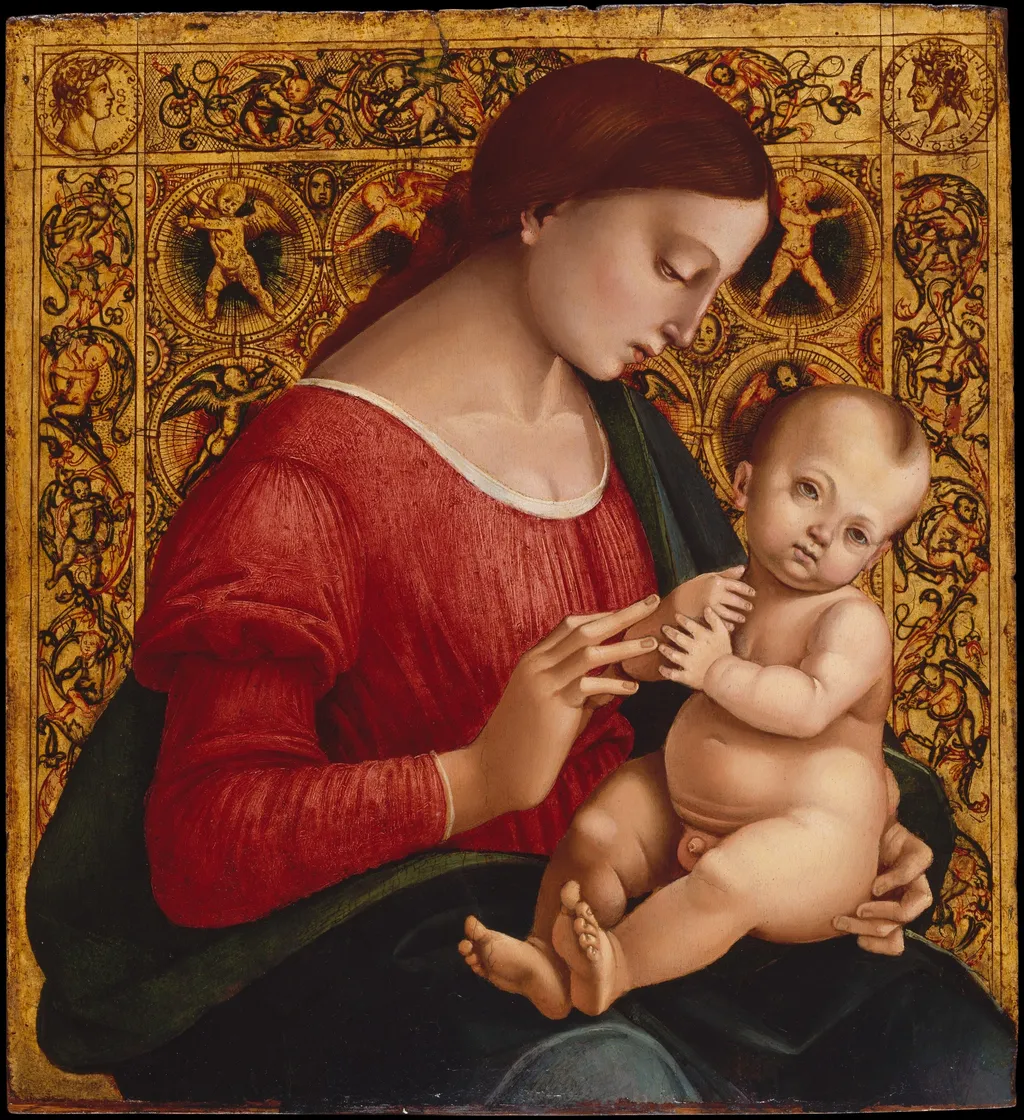
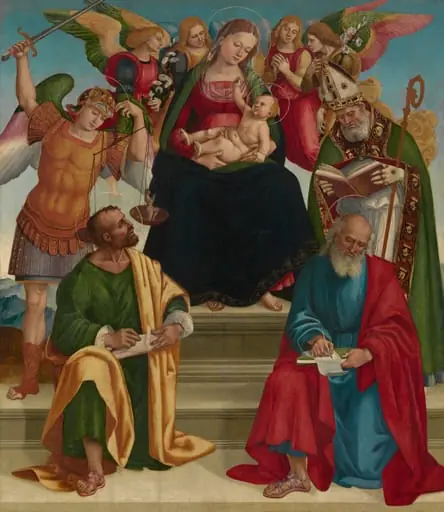
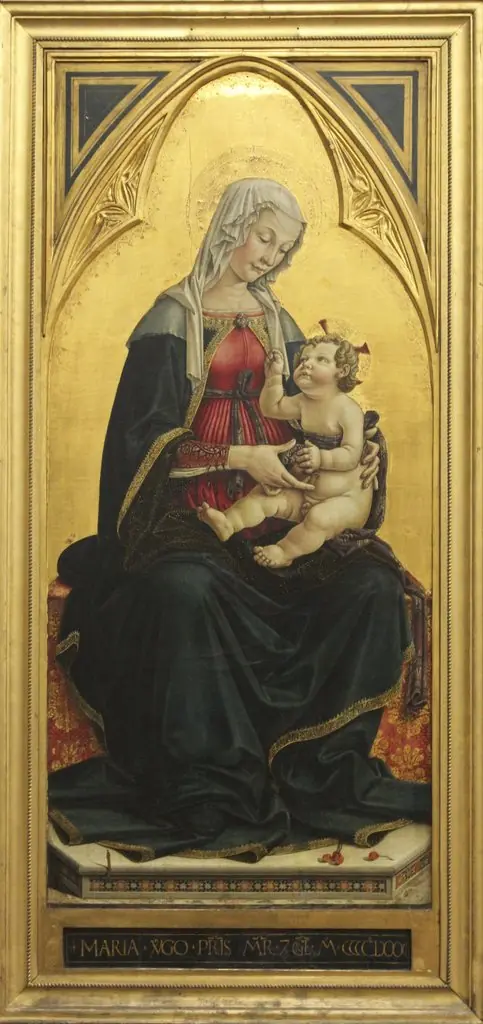
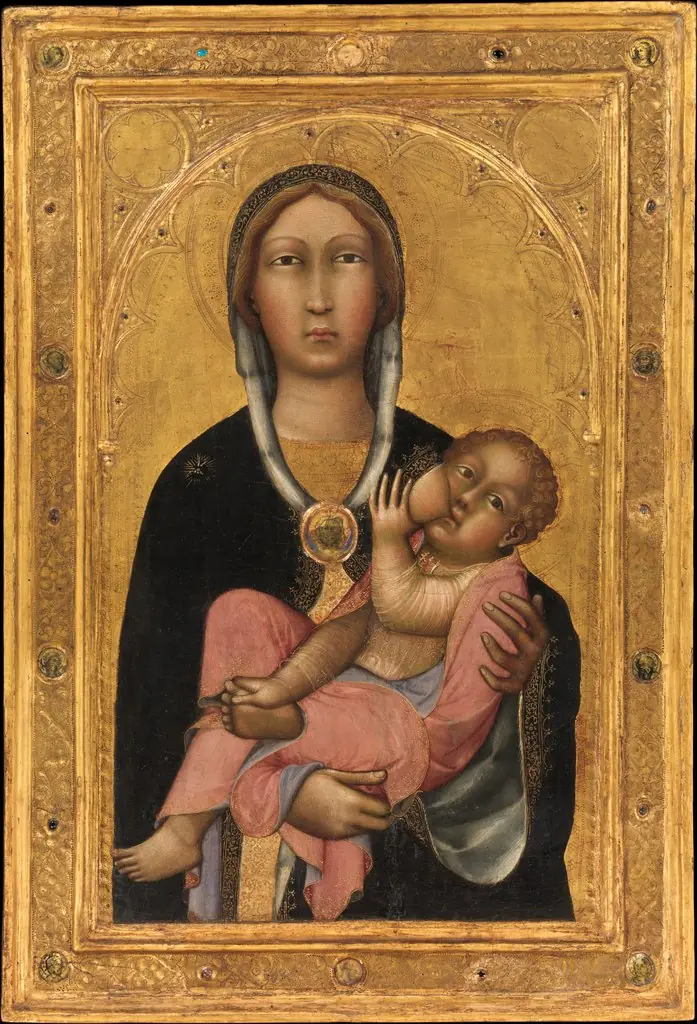
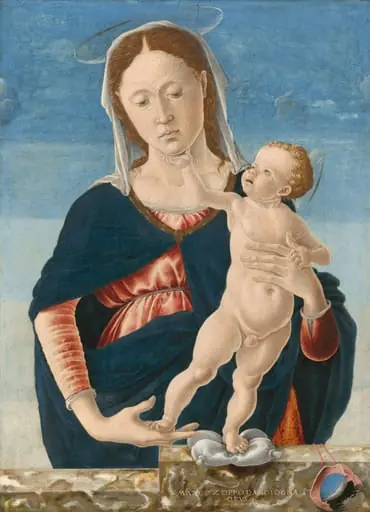
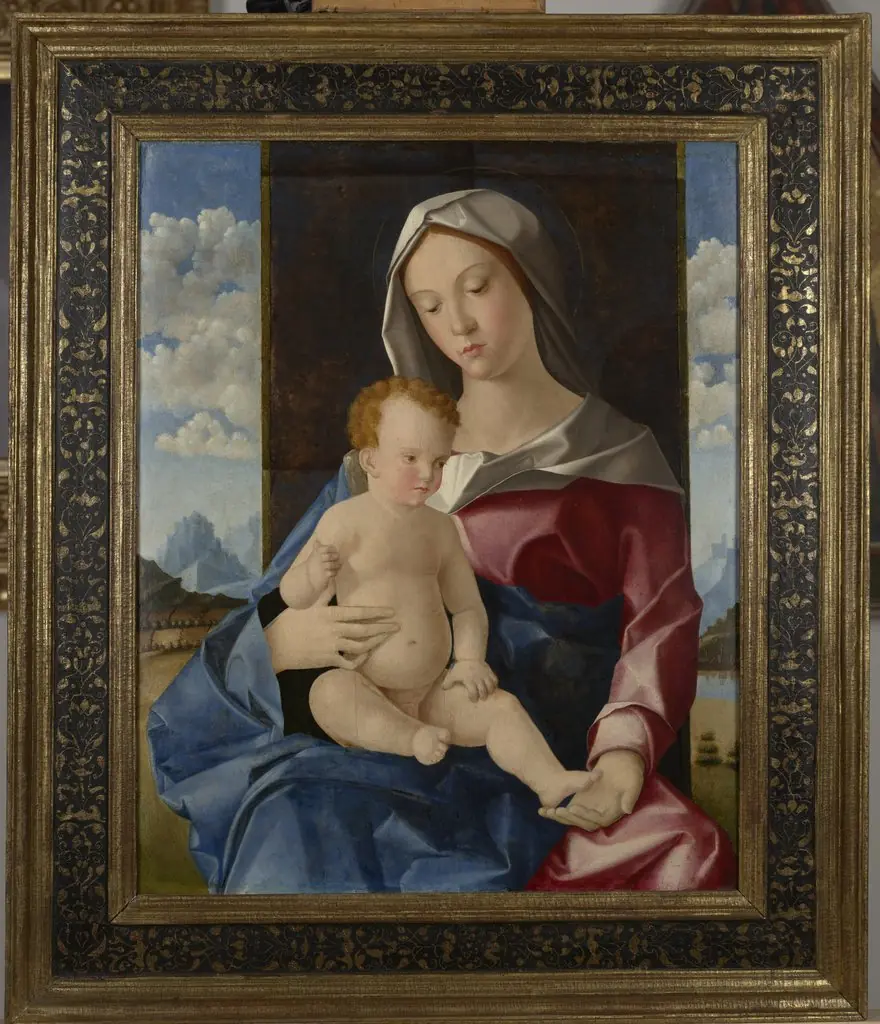
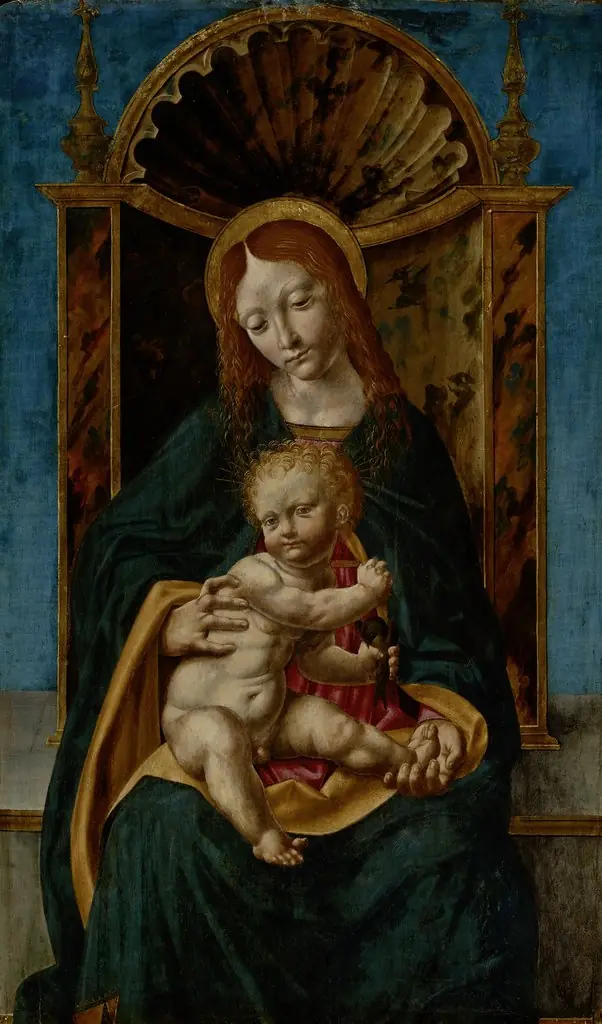
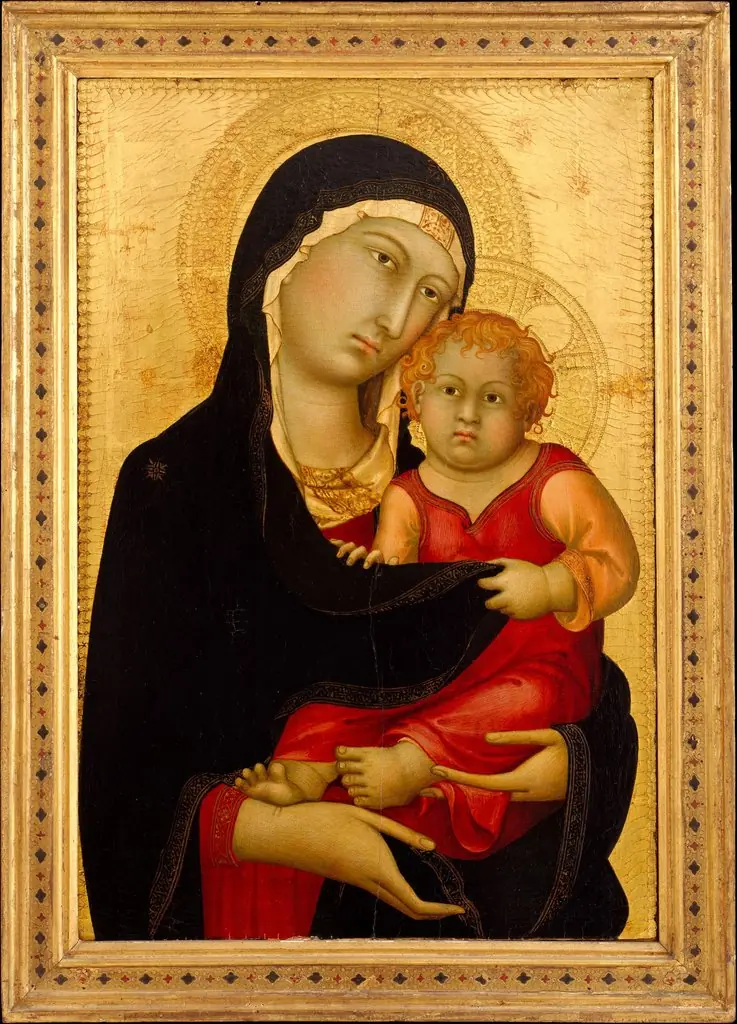
Madonna and Child is an unspecified painting by the Early Renaissance artist Luca Signorelli. It dates from 1505 and is held in the collection of the Metropolitan Museum of Art.
About this work
Subject & Meaning
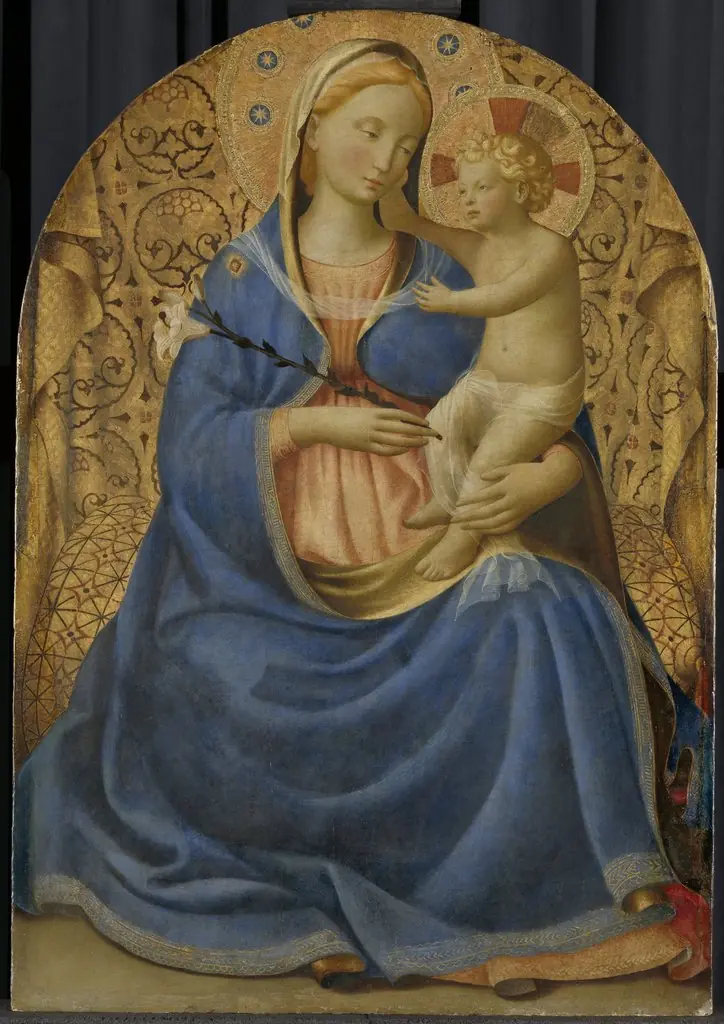
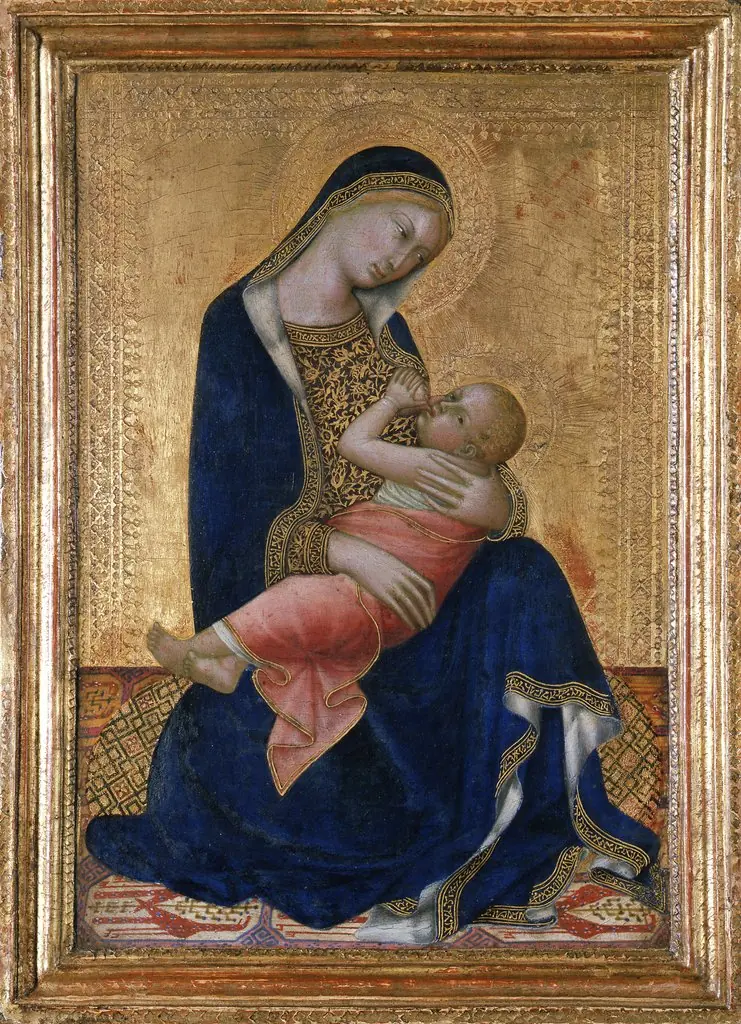
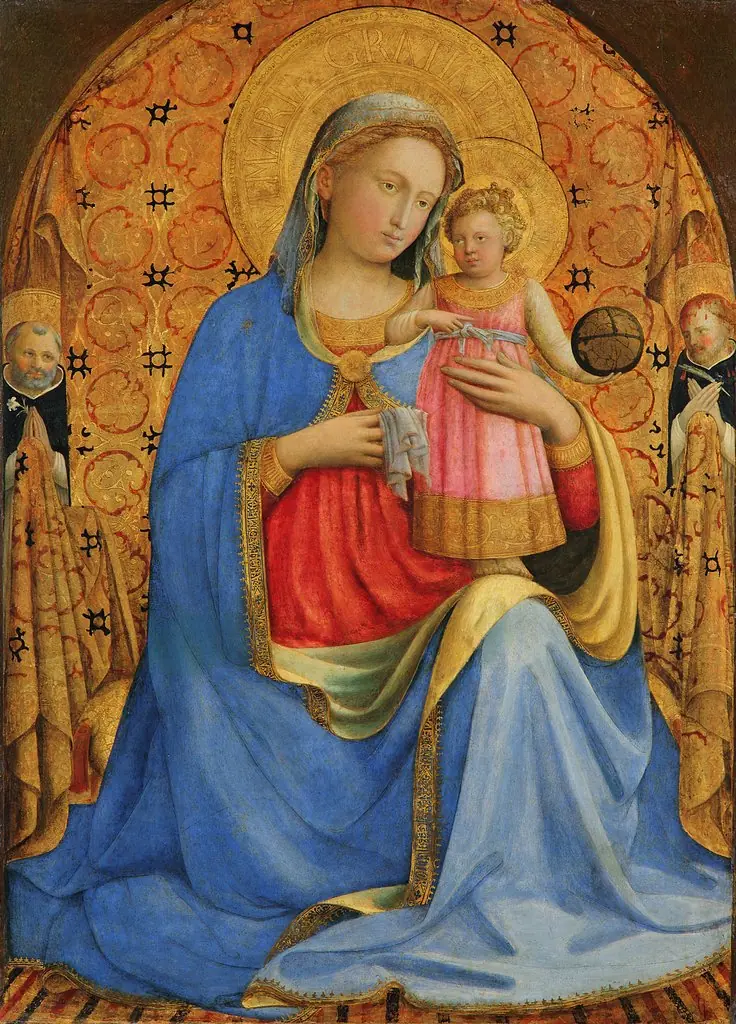
The work's main subject is identified as the Madonna and Child, with the figures of Mary and the Christ Child named as what is depicted.
The painting depicts the Madonna and Child, a devotional subject showing the Virgin Mary holding the Christ Child. The work's main subject is identified as the Madonna and Child, with the figures of Mary and the Christ Child named as what is depicted. Classified as religious art, the image belongs to the long-standing Christian iconographic tradition in which the Virgin is shown with her infant son, expressing both maternal tenderness and the theological significance of the Incarnation. The work functions as a sacred representation rather than a narrative scene.
History & Provenance
Created in 1505 by the Italian Renaissance artist Luca Signorelli, this religious painting depicts the Madonna and Child and measures approximately 51.4 cm in height by 47.6 cm in width. Its documented ownership history includes the collector Jules Bache, after whose tenure the panel entered the collection of the Metropolitan Museum of Art in New York, where it remains. The available sources identify Bache as a former owner but do not provide an explicit accession number or any exhibition history for the piece.
Overview
Luca Signorelli, an Italian Renaissance painter, completed Madonna and Child in 1505. This early Renaissance work portrays the Virgin Mary with the Christ Child. The painting is currently part of the collection at The Metropolitan Museum of Art.
Signorelli, originally from Cortona in Tuscany, was recognized for his proficiency in drawing and the use of foreshortening in his compositions.
Technique & Style
Signorelli's command of draftsmanship is evident in the rendering of the figures. The artist employed strong contrasts of light and shadow, a technique known as chiaroscuro, to create a sense of depth and volume, particularly noticeable in the modeling of the Christ Child's face. This approach gives the figures a sculptural, almost three-dimensional quality, enhancing their presence.
Own this work as a print
Artist & collection
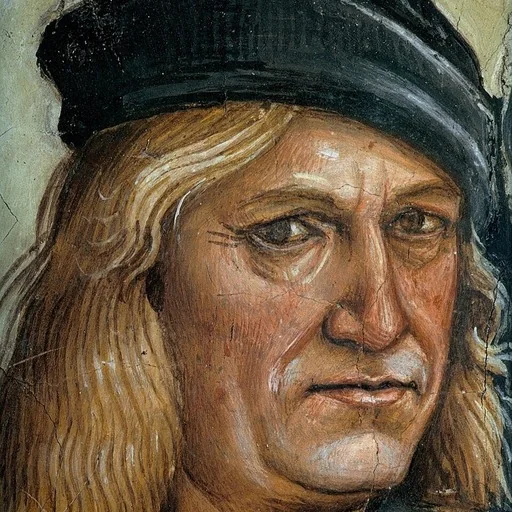
Artist
Luca Signorelli (c. 1441/1445 – 16 October 1523) was an Italian Renaissance painter from Cortona, in Tuscany, who was noted in particular for his ability as a draftsman and his use of foreshortening. His massive frescos…