Artwork
曽我蕭白筆 寿老人図|The God of Good Fortune Jurōjin
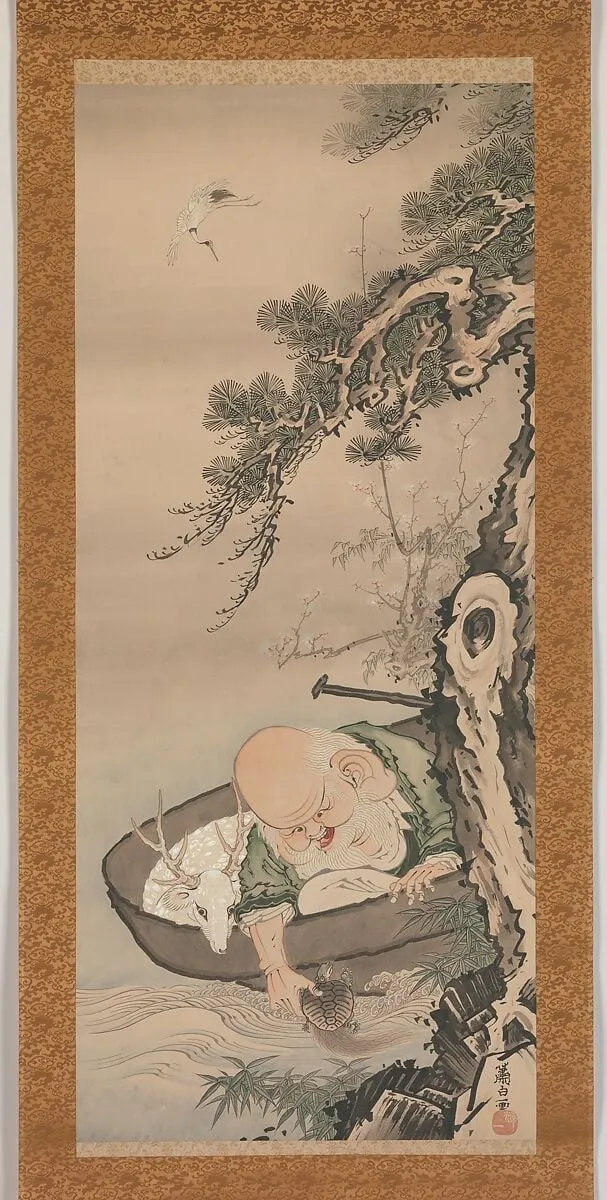
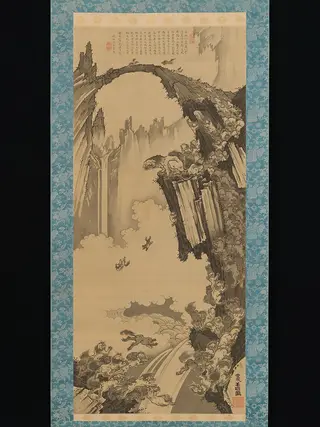
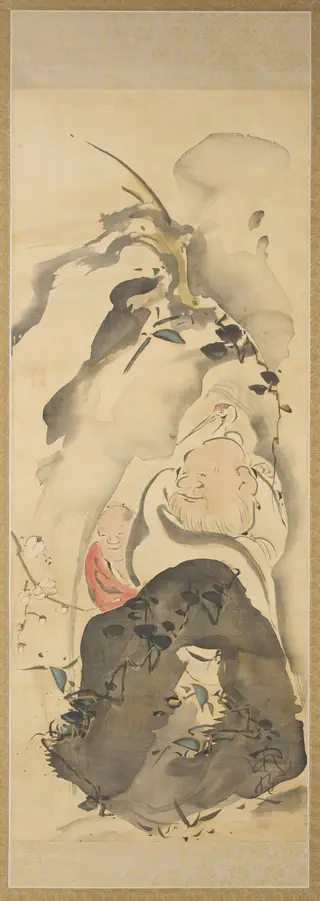
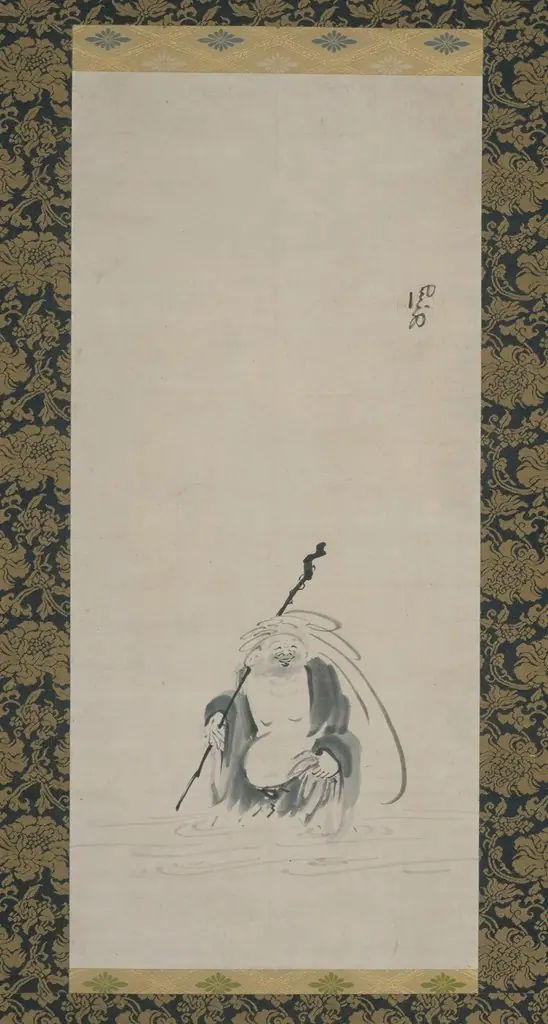
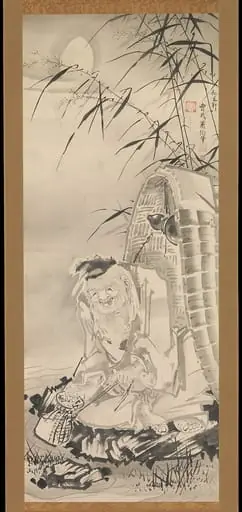
曽我蕭白筆 寿老人図|The God of Good Fortune Jurōjin is an ink painting by the Nihonga artist Soga Shōhaku. It dates from 1773 and is held in the collection of the Metropolitan Museum of Art.
About this work
Subject & Meaning
The composition combines ink and subtle color on paper, typical of Edo-period religious paintings, and was later acquired by the Metropolitan Museum of Art.
The hanging scroll by Soga Shōhaku, dated 1773, titled 曽我蕭白筆 寿老人図|The God of Good Fortune Jurōjin depicts the God of Good Fortune Jurōjin, accompanied by traditional symbols of longevity such as a crane, a turtle, a deer and a boat. The inclusion of these symbols is associated with longevity and good fortune. The composition combines ink and subtle color on paper, typical of Edo-period religious paintings, and was later acquired by the Metropolitan Museum of Art.
Technique & Style
Created in 1773 by Soga Shōhaku, this hanging scroll utilizes ink and color applied to paper as its primary medium and support. The work functions as a religious painting depicting Jurōjin, the God of Good Fortune. Stylistically, the composition incorporates specific iconographic elements including a boat, a crane, a deer, and a turtle.
These figures are rendered through the artist's distinctive handling of ink and pigment, characteristic of his approach to religious subjects during this period. The combination of monochromatic ink with selective color application defines the visual texture of the piece, while the choice of paper support dictates the specific handling required for the scroll format.
History & Provenance
The painting was created by Soga Shōhaku in 1773, executed in ink and color on paper as a hanging scroll. Its production took place in Japan. The work is now held in the collection of the Metropolitan Museum of Art, where it is accessioned as a painting by Soga Shōhaku dated 1773, documented under the title The God of Good Fortune (Jurōjin). No earlier ownership chain, commissioning circumstances, or exhibition history is documented in the available sources.
Legacy
The 1773 hanging scroll by Soga Shōhaku, titled 曽我蕭白筆 寿老人図 (The God of Good Fortune Jurōjin), exemplifies Edo-period religious painting through its ink and color on paper format and its depiction of a boat, crane, deer, and turtle. Its inclusion in the Metropolitan Museum of Art's collection signals scholarly recognition of the work as a representative example of Japanese devotional painting, contributing to ongoing discussions of fortune-god imagery in East Asian visual culture.
Overview
This hanging scroll by Soga Shōhaku depicts Jurōjin, one of the Seven Gods of Good Fortune, rendered in ink and color on paper. The composition features the deity, identifiable by his long white beard, accompanied by traditional symbols of longevity: a crane, a deer, and a turtle, all positioned beneath a pine tree.
Artist & collection

Artist
Shōhaku spent his life in Kyoto, the creative heart of Japan, where he painted scrolls and screens that looked nothing like the soft landscapes of his day.