Artwork
Untitled
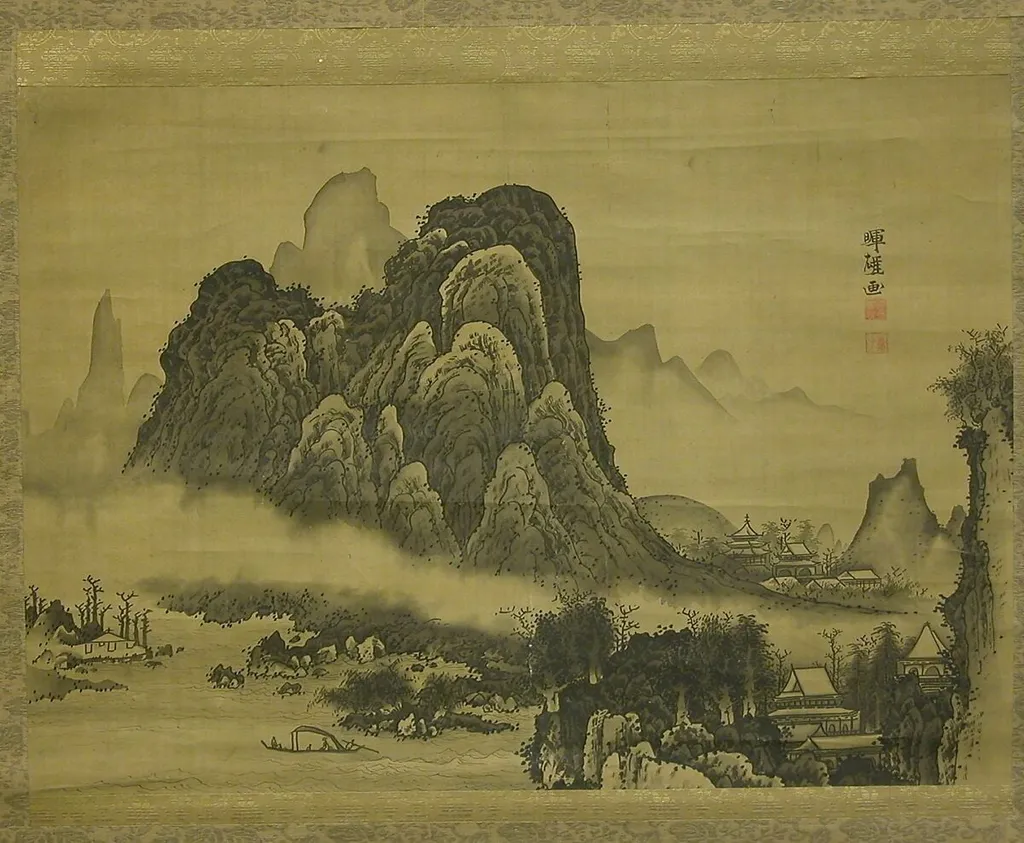
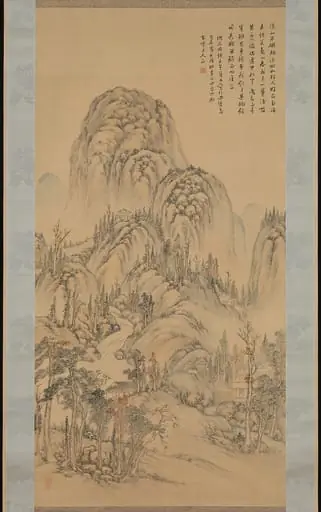
Untitled is an ink painting by the Rinpa school artist Soga Shōhaku. It dates from 1762 and is held in the collection of the Metropolitan Museum of Art.
About this work
Subject & Meaning
No additional symbolic layers or allegorical meanings are detailed in the available records beyond this direct engagement with the mountainous subject matter.
Created in 1762 by the Japanese artist Soga Shōhaku, this hanging scroll presents a landscape composition centered on a mountain. Executed in ink and color on silk, the work's primary subject is the natural topography, specifically the depicted peak which dominates the visual field. As a landscape painting, the piece focuses on the representation of the physical environment rather than narrative figuration or religious iconography.
The sources identify the mountain as the sole specific element depicted, suggesting the work's meaning is rooted in the artistic interpretation of nature typical of the genre. No additional symbolic layers or allegorical meanings are detailed in the available records beyond this direct engagement with the mountainous subject matter.
Technique & Style
The work Untitled (1762) is a hanging scroll painted in ink and color on silk, classifying it as a landscape painting that portrays a mountain. Soga Shōhaku employed traditional brush techniques, layering ink washes with subtle pigment washes to render atmospheric depth, while the scroll format allows the image to be unrolled for viewing. The support is silk, a common medium for Edo‑period hanging scrolls, and the composition emphasizes expansive negative space typical of the period’s stylistic conventions.
No specific condition issues are recorded, but the work remains within its original structural integrity as a mounted scroll. Formal qualities include a restrained palette, delicate line work, and a compositional balance that highlights the solitary mountain motif.
History & Provenance
The work titled Untitled was produced in 1762 in Japan by the Edo‑period painter Soga Shōhaku as a hanging scroll in ink and color on silk. It portrays a mountain landscape, a genre documented in both the artist’s catalogue and the Metropolitan Museum of Art’s records. According to the museum’s collection data, the scroll entered the Met’s holdings and has remained in its care, making it the current owner. No documentation of a specific commission or earlier private owners is available in the cited sources.
Created in 1762 by Soga Shōhaku, this hanging scroll depicting a mountainous landscape is held in the collection of the Metropolitan Museum of Art. The institution serves as the current location for the work, which is classified as a painting executed in ink and color on silk. While the artwork's inception and physical attributes are documented, the provided records do not list a specific accession number or detail any past exhibition history for this piece.
Overview
Soga Shōhaku's Untitled is a hanging scroll from approximately 1762, rendered in ink and color on silk. This landscape painting presents a towering mountain scene, characteristic of the artist's distinctive and often dramatic approach to traditional subjects. It exemplifies his unique stylistic choices that diverged significantly from the prevailing artistic trends of his era.
Context
Created in the 18th century, Untitled stands apart from the prevalent landscape painting styles in Japan. While other artists often pursued refined aesthetics and subtle details, Shōhaku's forceful execution and stark imagery represented a radical departure. His distinctive approach to ink painting offered a unique and individualistic vision within the broader artistic landscape of the period.
Artist & collection

Artist
Shōhaku spent his life in Kyoto, the creative heart of Japan, where he painted scrolls and screens that looked nothing like the soft landscapes of his day.

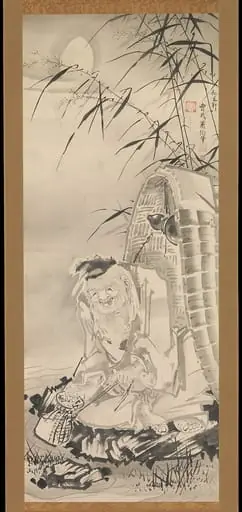
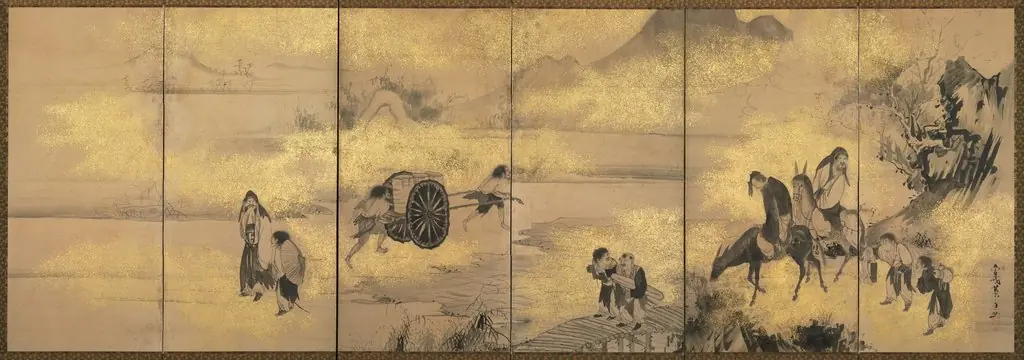
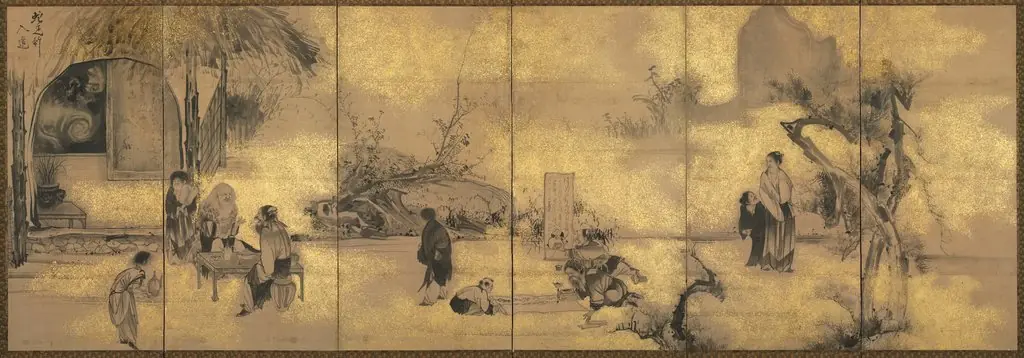
- Untitled
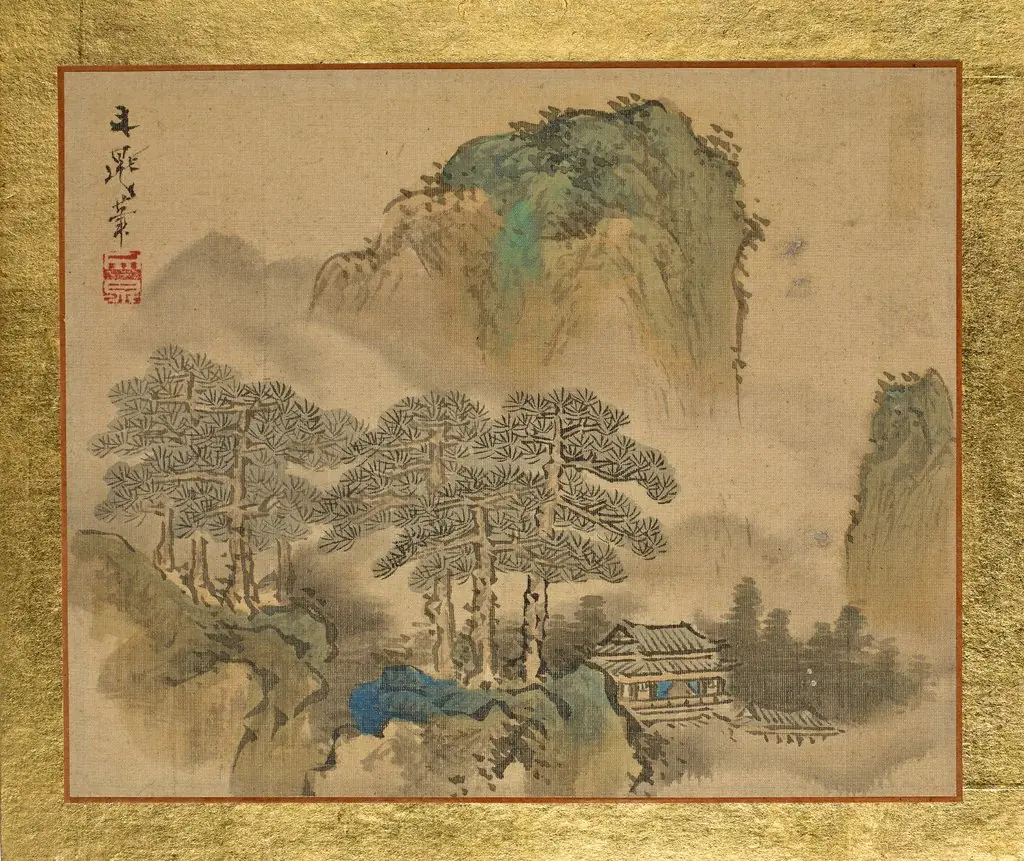 A House next to Pine Trees, in front of Mountains
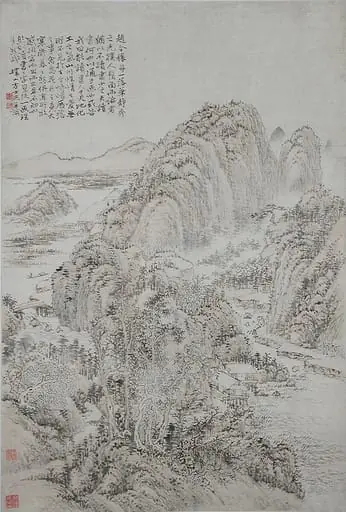 清 方士庶 山水圖 軸|Landscape
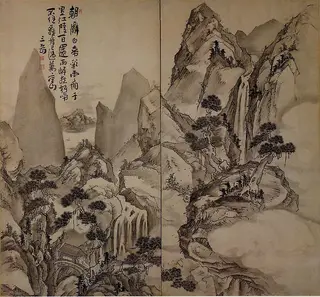 Untitled
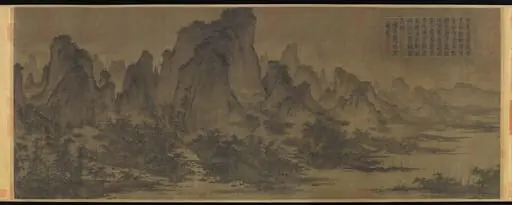 北宋 傳屈鼎 夏山圖 卷|Summer Mountains
 Untitled
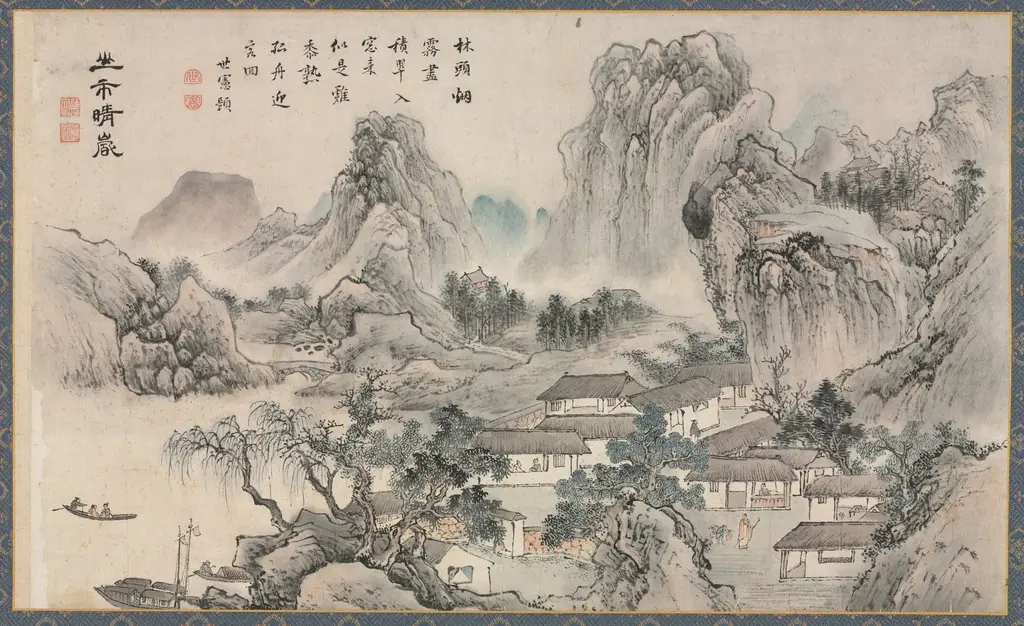 Mountain Market in Clearing Mist, from Eight Views of Xiao-Xiang
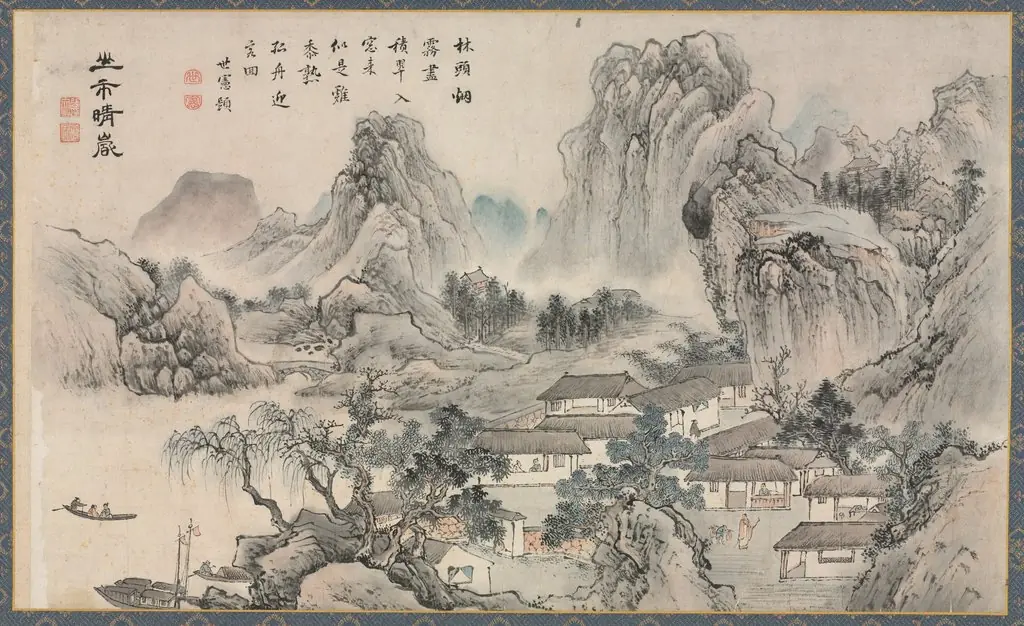 Four Motifs from the Eight Views of Xiao-Xiang
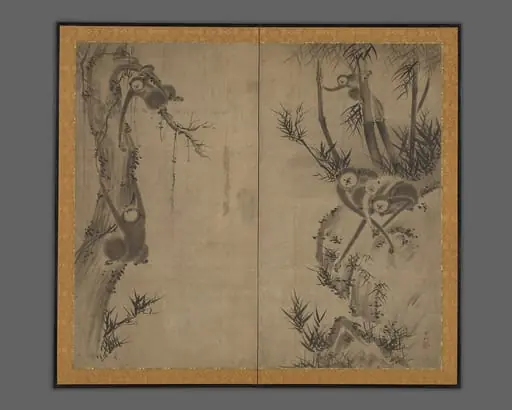 Untitled
 Untitled
 明 傳謝時臣 松溪琴客圖 軸|Listening to the Zither Among Streams and Pines
 Mountain Village in Spring