Artwork
Scene in a church, sketch for a historical scene
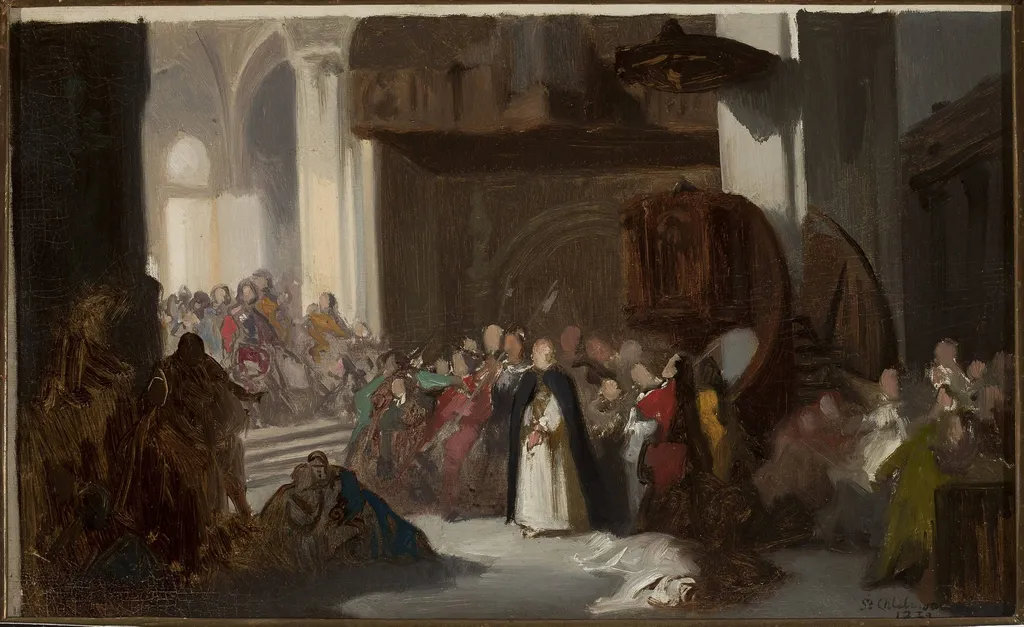
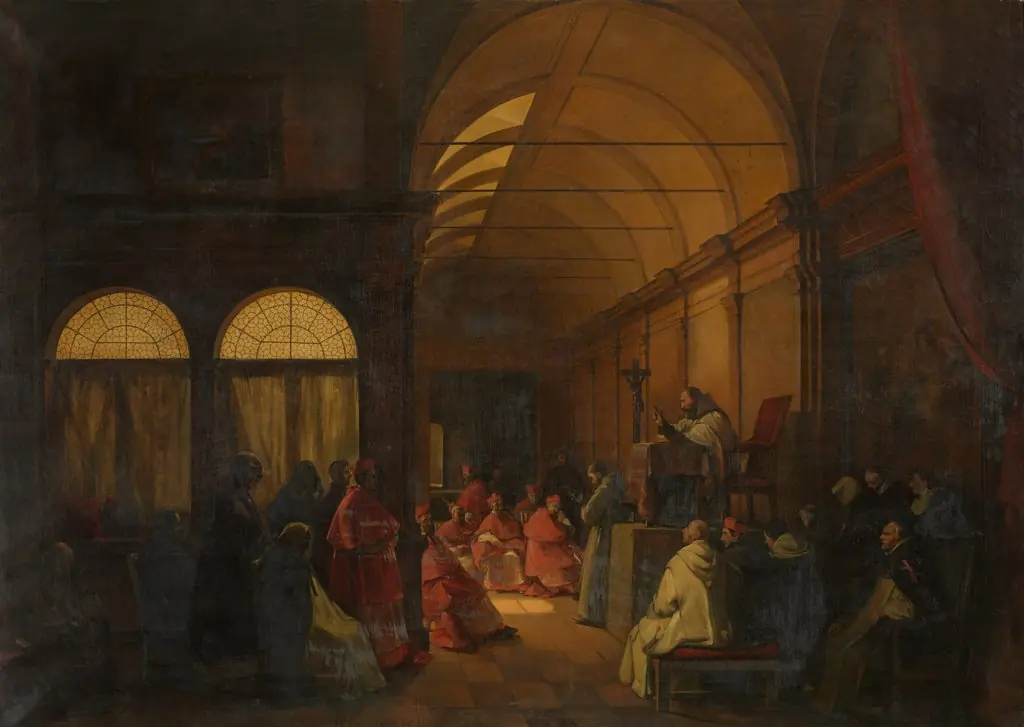
Scene in a church, sketch for a historical scene is an oil painting by the Orientalist artist Stanisław Chlebowski. It dates from 1872 and is held in the collection of the National Museum in Warsaw.
About this work
Overview
Though rooted in European ecclesiastical architecture, the composition reflects the artist’s broader interest in cultural and religious rituals beyond Poland.
Painted in 1872 by Stanisław Chlebowski, this oil sketch presents an interior church scene intended as preparation for a larger historical work. Though rooted in European ecclesiastical architecture, the composition reflects the artist’s broader interest in cultural and religious rituals beyond Poland. The piece remains part of the National Museum in Warsaw’s collection, representing a lesser-known facet of Chlebowski’s oeuvre focused on Western religious settings rather than his more familiar Orientalist subjects.
Subject & Meaning
A central figure in a white robe and dark cape addresses a gathered congregation, suggesting a moment of ritual or proclamation. The attendees, dressed in varied formal garments, convey a sense of solemnity and collective attention. The scene avoids overt narrative detail, instead evoking quiet reverence through posture and attire.
The painting’s ambiguity invites interpretation as a moment of spiritual authority or communal witness, consistent with 19th-century interest in religious ceremony as a subject of moral and aesthetic reflection.
Technique & Style
Chlebowski employs oil paint to model forms with subtle gradations of light and shadow, demonstrating a clear use of chiaroscuro. The contrast between the illuminated central figure and the dimmer surrounding figures directs visual focus. The architectural backdrop, marked by a soaring arch, enhances spatial depth without excessive detail.
Brushwork is controlled yet expressive, prioritizing atmospheric cohesion over fine finish, characteristic of a preparatory sketch meant to establish composition and mood before a final work.
History & Provenance
Created in 1872, the painting was likely produced during Chlebowski’s period of active engagement with historical and religious themes. It entered the National Museum in Warsaw’s collection at some point after its completion, though specific acquisition records are not widely documented. Unlike his more celebrated Orientalist works, this piece remained relatively private, possibly serving as a study for an unexecuted larger composition, which may explain its limited public exposure.
Context
In the late 19th century, European artists frequently turned to religious interiors as settings for narratives of authority, faith, and social order. Chlebowski, though better known for depictions of the Middle East, engaged with Western ecclesiastical themes as part of broader academic traditions. This sketch aligns with contemporaneous efforts by Polish painters to explore national and universal spiritual subjects, even as political fragmentation limited the visibility of such works beyond domestic circles.
Legacy
Though not widely exhibited or reproduced, the sketch contributes to understanding Chlebowski’s artistic range beyond Orientalism. It reveals his technical fluency in handling light and spatial depth within confined interiors, skills that informed his larger historical compositions. As a preserved study, it offers insight into the preparatory processes of 19th-century academic painters and the quiet, often overlooked works that underpinned their more public achievements.
Artist & collection
Artist
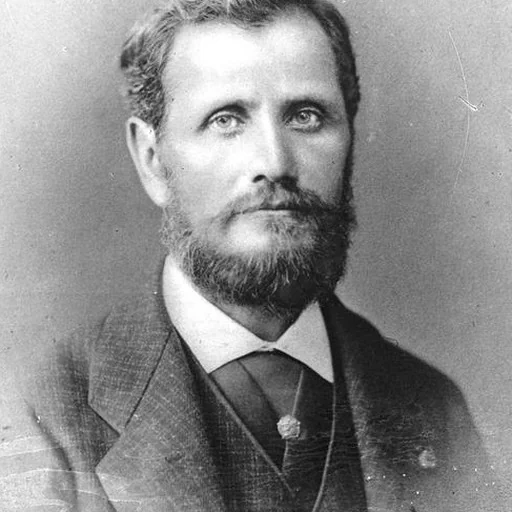
Stanisław Chlebowski (1835–1884) was a Polish painter. He was a renowned specialist in Oriental themes and history painting.

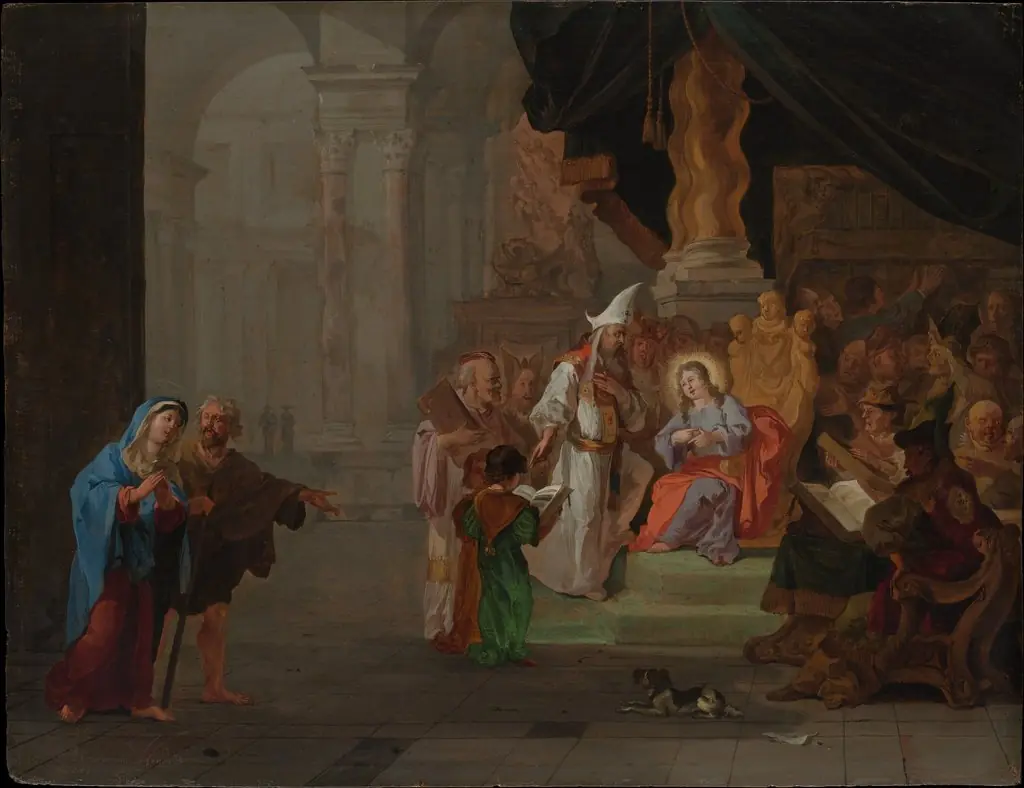
- Christ among the Doctors
 Before the Conclave
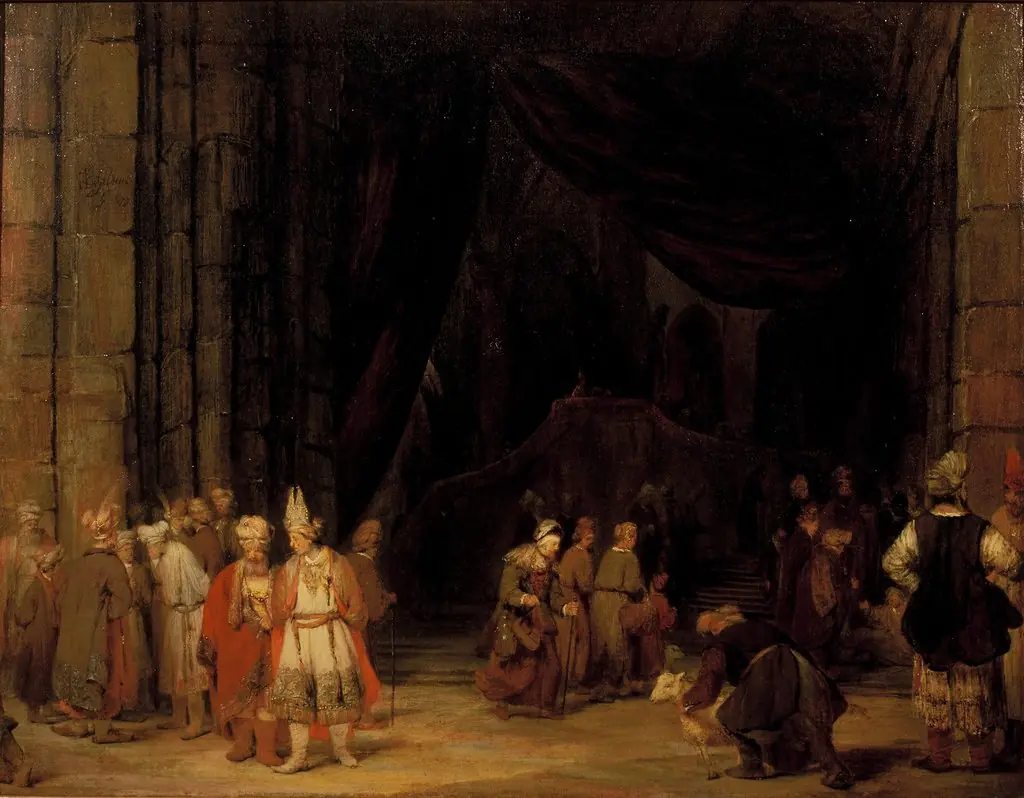 Courtyard of a temple
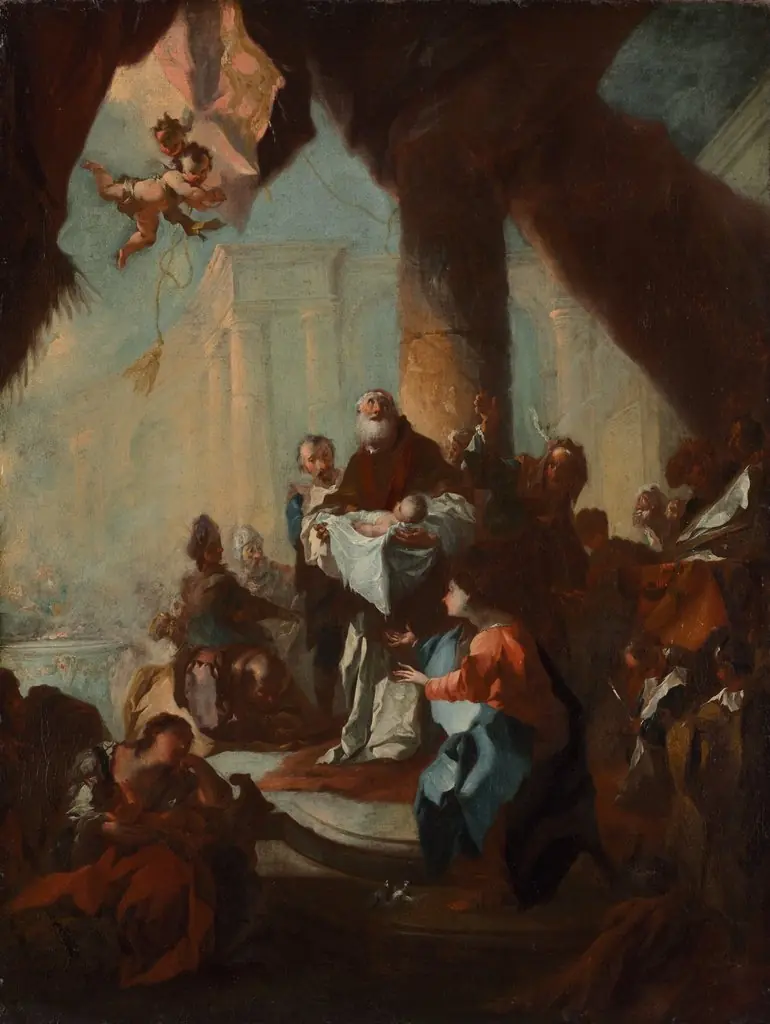 Study for "The Presentation of Christ in the Temple" (for Saint Ulrich, Vienna)
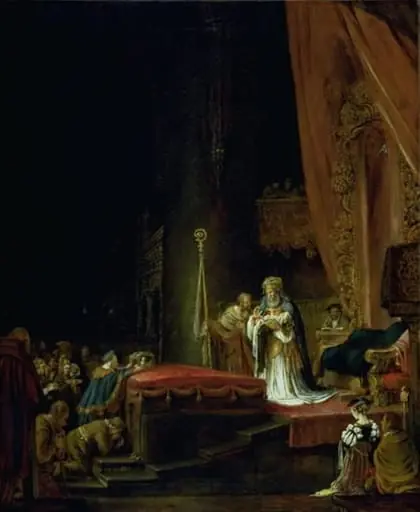 The Presentation in the Temple
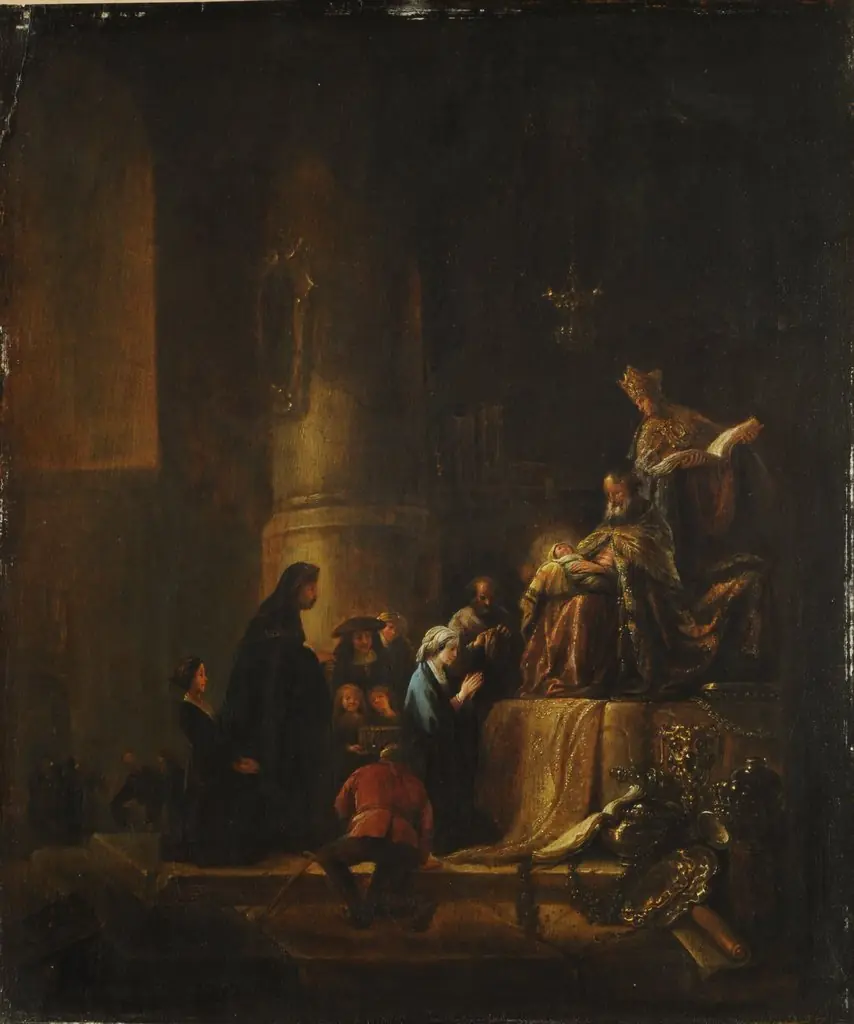 Presentation to the temple
 Queen of Sheba before Solomon
 The arrest of Christ
 Coronation of Catherine II
 Count Wilczek beseeching king John Sobieski to help Vienna against the Turks, sketch
 Presentation of Christ in the Temple
 Scenă biblică