Artwork
Rana Amar Singh II (reigned 1698–1710) smoking a hookah
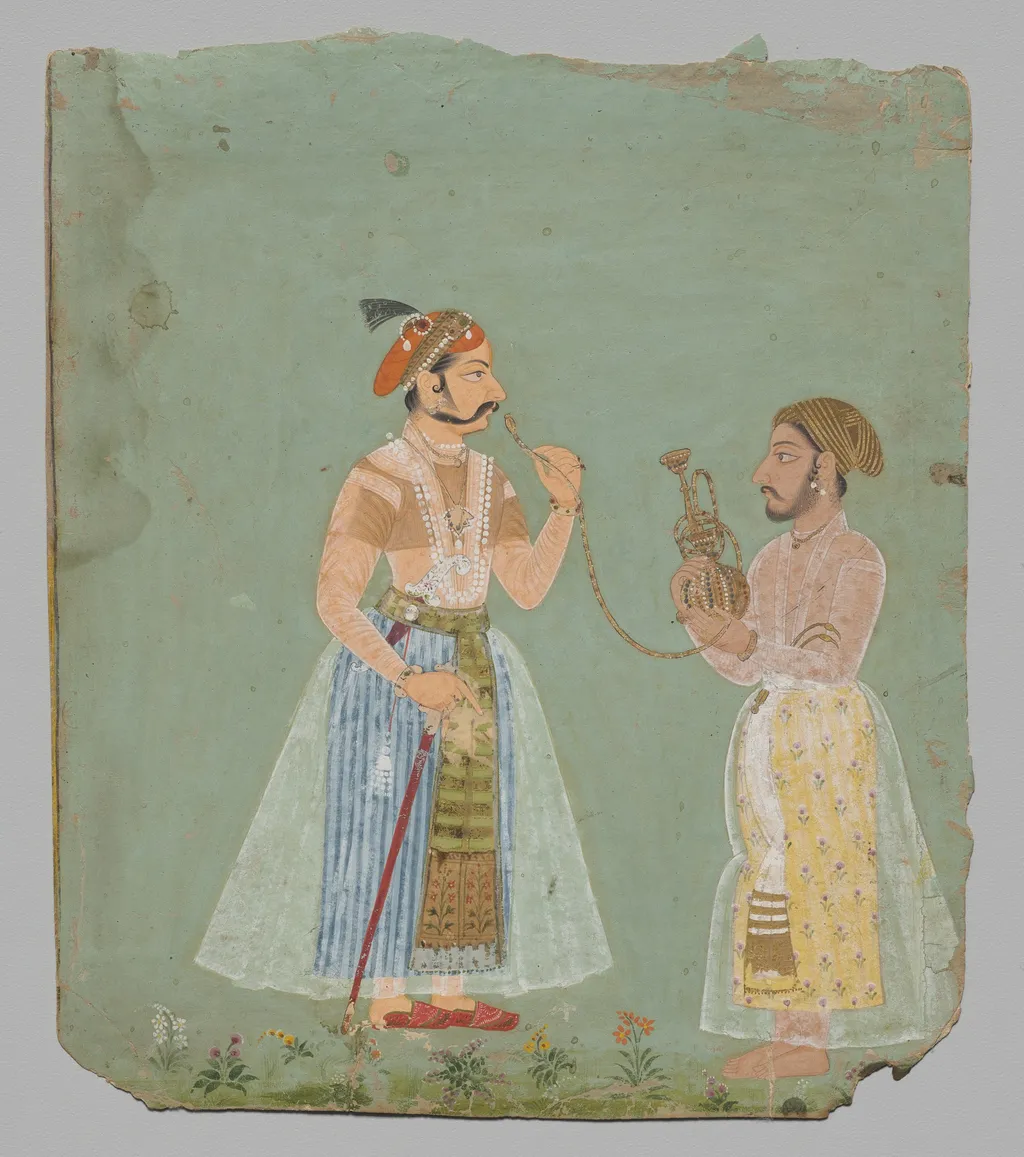
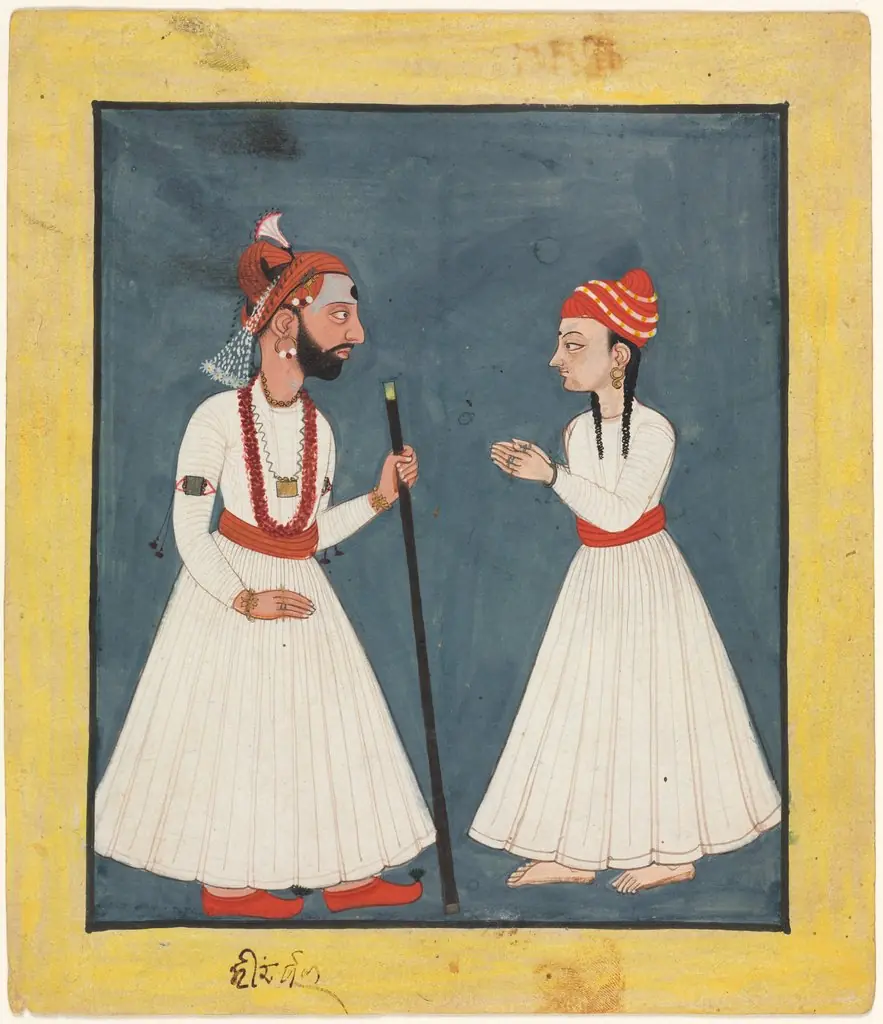
Rana Amar Singh II (reigned 1698–1710) smoking a hookah is an unspecified painting by Stipple Master. It dates from 1700 and is held in the collection of the Cleveland Museum of Art. Created in 1700, this portrait presents the Rajput ruler Rana Amar Singh II, who governed from 1698 to 1710, in a moment of leisure.
About this work
Subject & Meaning
The depiction of the hookah underscores the subject's status and the cultural practices associated with the court of Amar Singh II.
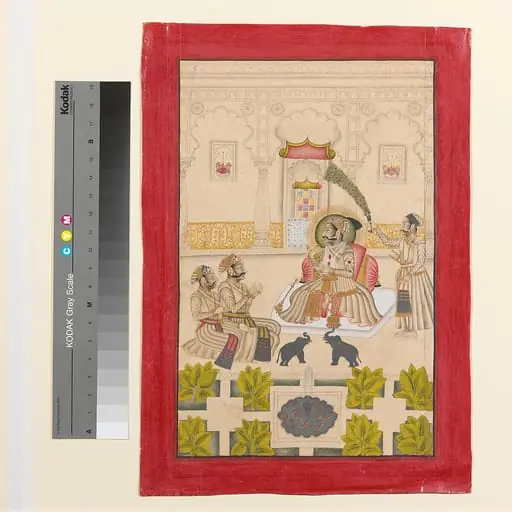
The work is a portrait depicting Rana Amar Singh II, who reigned from 1698 to 1710, engaged in the act of smoking a hookah. Created around 1700 by the artist known as the Stipple Master, the piece focuses on the ruler in a moment of leisure. As a portrait genre painting, the image serves to document the appearance and personal habits of the Mewar ruler during his reign.
The depiction of the hookah underscores the subject's status and the cultural practices associated with the court of Amar Singh II.
Technique & Style
Created around 1700, this portrait of Rana Amar Singh II is classified as a painting attributed to the artist known as the Stipple Master. The work is executed on a painted support, consistent with the conventions of Indian portraiture from the early eighteenth century. Stylistically, the piece functions as a formal portrait, capturing the ruler in the act of smoking a hookah.
The attribution to the Stipple Master suggests a specific hand within the Mewar school, though the artist remains otherwise unidentified in broader records. The painting is currently held in the collection of the Cleveland Museum of Art.
History & Provenance
The work was created in 1700 by the Stipple Master for an unidentified patron, as indicated by its classification as a portrait in the artist’s corpus. It entered the collection of the Cleveland Museum of Art, where it has been housed since at least 1991. The painting is recorded with an inception date of 1700-01-01, confirming its early 18th-century origin.
The painting is part of the Cleveland Museum of Art's collection, listed under accession number 1991.170. It has been exhibited in the museum’s permanent galleries dedicated to Indian miniature paintings and was featured in the 2018 exhibition "India: Art and Culture, 1500–1900" at the same institution.
Overview
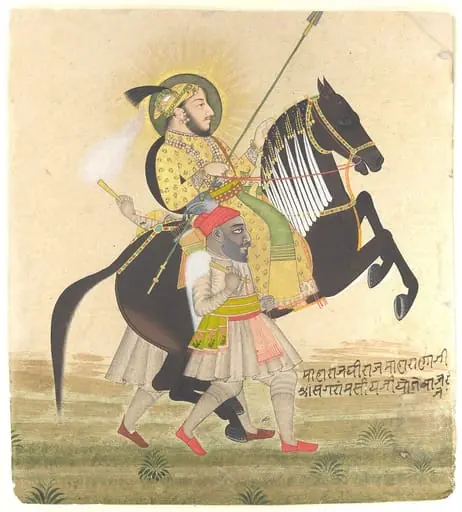
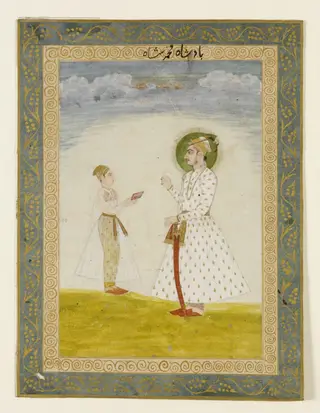
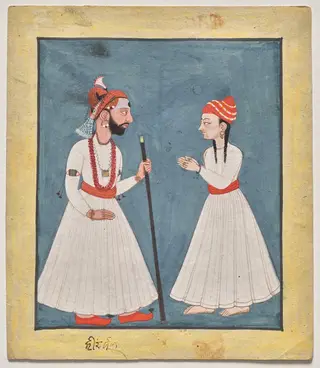
Created in 1700, this portrait presents the Rajput ruler Rana Amar Singh II, who governed from 1698 to 1710, in a moment of leisure. Executed by the anonymous artist known as the Stipple Master, the work now belongs to the collection of the Cleveland Museum of Art. The composition features two figures standing on a grassy, flower‑dotted ground, bathed in a soft, light‑green backdrop.
Context
During Amar Singh II’s reign, the Mewar kingdom experienced a period of relative stability, allowing the patronage of fine arts. Hookah smoking, imported from the Middle East, had become a fashionable pastime among Indian nobility, symbolizing both wealth and cultural exchange. The portrait thus reflects broader patterns of Indo‑Persian artistic synthesis and the adoption of foreign customs within Rajput elite circles.
Own this work as a print
Artist & collection