Artwork
清 佚名 蘇軾(僞款) 墨竹圖 卷|Bamboo
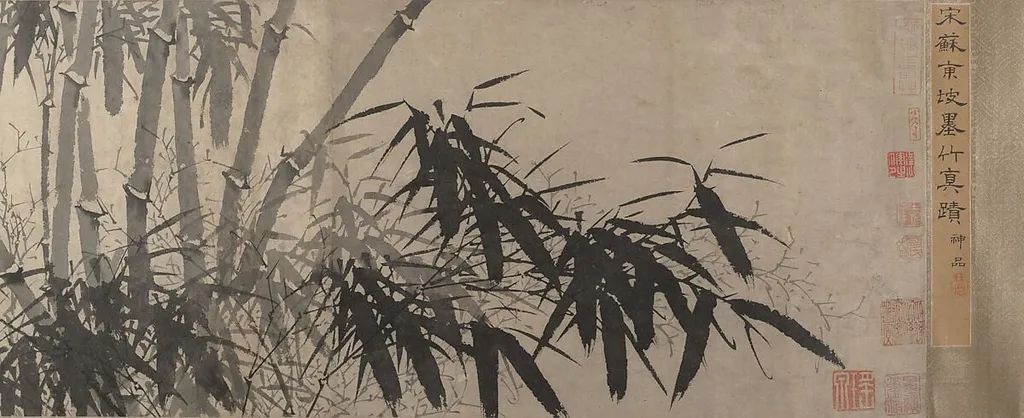
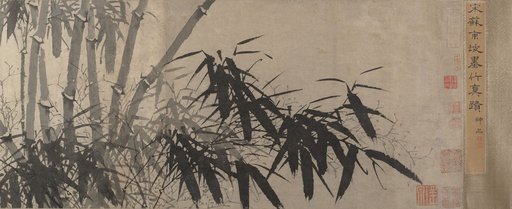
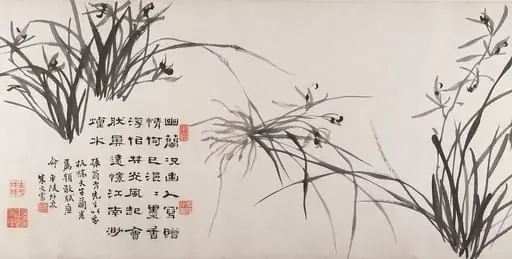
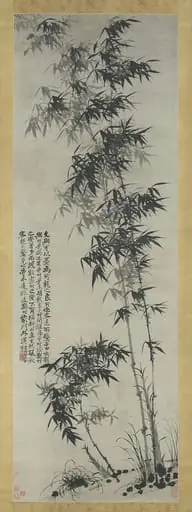
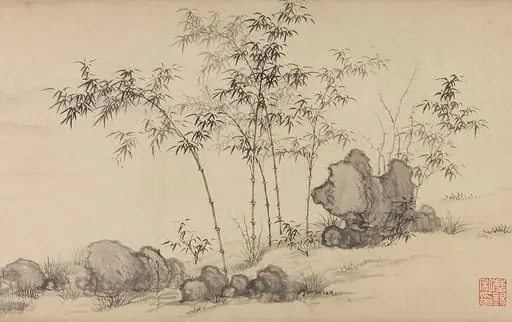
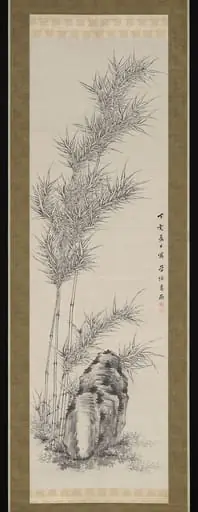
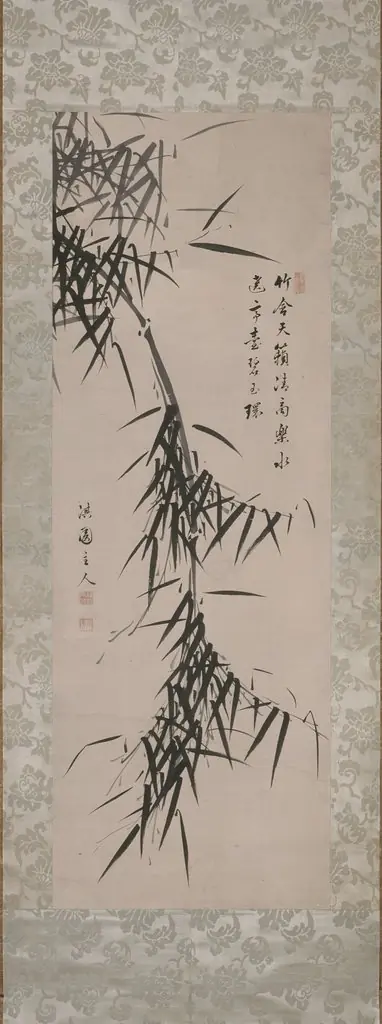
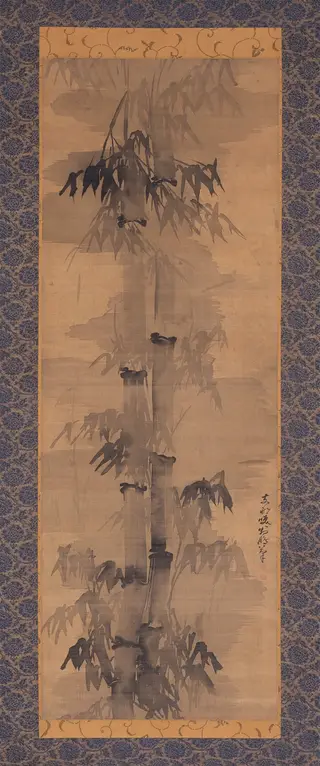
清 佚名 蘇軾(僞款) 墨竹圖 卷|Bamboo is an ink painting by the Ming dynasty painting artist After Su Shi. It dates from 1639 and is held in the collection of the Metropolitan Museum of Art. This handscroll, dated 1639, presents a single stalk of bamboo rendered in black ink on paper.
About this work
Subject & Meaning
The handscroll portrays bamboo (Bambusoideae), which in Chinese visual culture symbolizes resilience, moral integrity, and scholarly virtue.
The handscroll portrays bamboo (Bambusoideae), which in Chinese visual culture symbolizes resilience, moral integrity, and scholarly virtue. Rendered in ink on paper by an anonymous painter in 1639 and bearing a spurious signature of Su Shi, the work reflects the literati admiration for the plant's upright growth and its association with steadfast character. Held in the Metropolitan Museum of Art (accession 47.18.11), the piece exemplifies the continuation of this classical theme in seventeenth-century Chinese painting.
Technique & Style
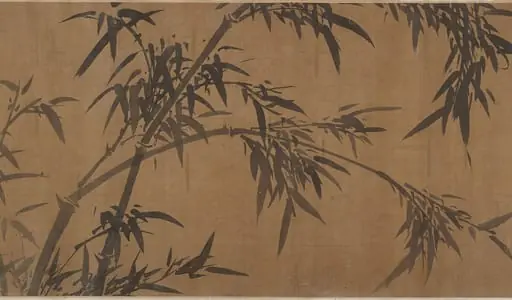
The work is a handscroll executed in ink on paper, a format typical of Chinese literati painting, and dates to 1639 in China. Its subject is bamboo (Bambusoideae) rendered in a literati manner, employing delicate brush strokes and subtle tonal washes that emphasize the plant's slender form and rhythmic growth. The composition follows traditional ink-wash techniques, with varying line weight and ink density to suggest depth and movement.
As a painting by an anonymous hand, it reflects the stylistic conventions of the period, balancing spontaneity with controlled composition.
History & Provenance
Created in 1639 in China, this ink-on-paper handscroll depicts bamboo. Although it bears a spurious signature attributing it to the Song-dynasty literatus Su Shi, it is recognized as the work of an anonymous seventeenth-century painter. The piece entered the collection of the Metropolitan Museum of Art, where it is cataloged under accession number 47.18.11. No details regarding the original commission or intermediate ownership history are provided in the available records.
Overview
This handscroll, dated 1639, presents a single stalk of bamboo rendered in black ink on paper. Executed in the literati tradition, the composition relies on sparse, decisive brushwork to depict leaves bending dynamically, suggesting movement within a wind-swept environment. The work bears a false signature attributing it to Su Shi, the renowned Song dynasty poet and painter.
While the inscription claims Song dynasty authorship, the stylistic execution and the specific date indicate a later creation, likely a Ming or early Qing dynasty homage. Such attributions were common in later periods, where artists and collectors sought to connect with the idealized aesthetic of Su Shi, whose bamboo paintings were celebrated for their expressive simplicity rather than strict naturalism. This scroll exemplifies the enduring influence of Su Shi's style on subsequent generations of Chinese painters, serving as a vehicle for practicing the 'boneless' technique and exploring the spiritual resonance of the bamboo motif.
The piece stands as a testament to the historical practice of reviving and reinterpreting the masterworks of the past, prioritizing the transmission of artistic spirit over strict chronological accuracy.
Artist & collection