Artwork
Gazing at a Waterfall
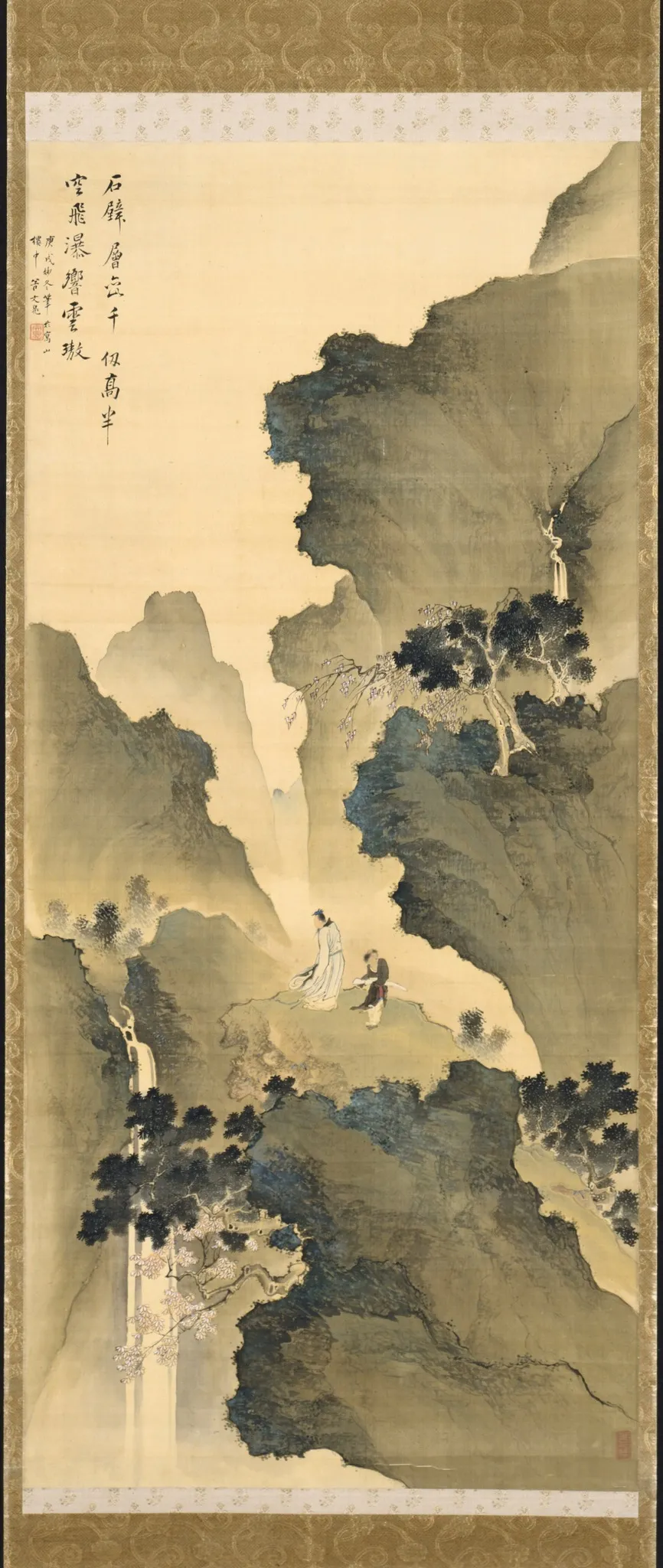
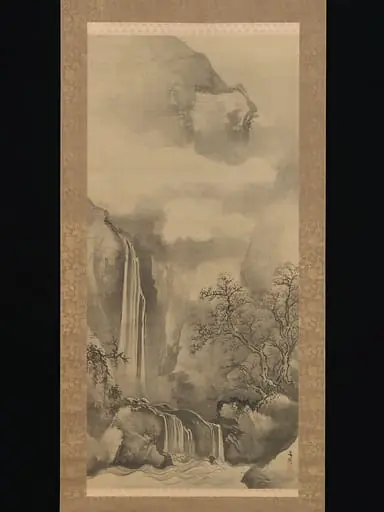
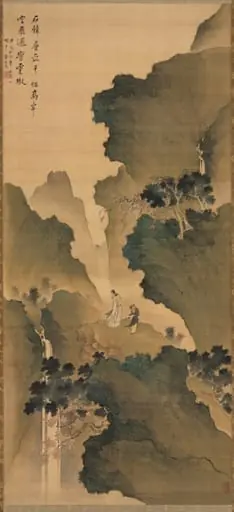
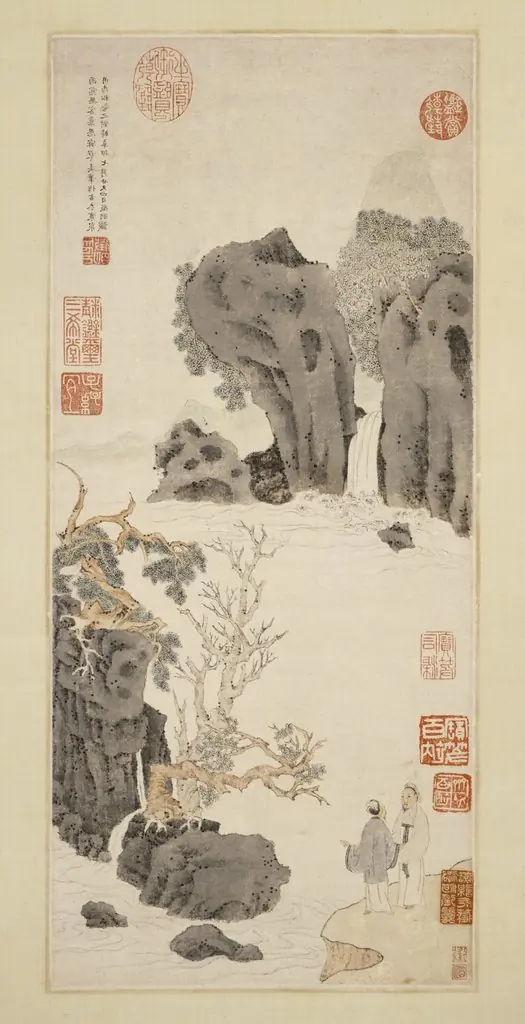
Gazing at a Waterfall is an unspecified painting by the Nihonga artist Tani Bunchō. It dates from 1796 and is held in the collection of the Cleveland Museum of Art.
About this work
History & Provenance
Consequently, the only established provenance details are its acquisition by the museum and its continued presence in the institution’s holdings.
Gazing at a Waterfall is a painting created by the Japanese artist Tani Bunchō in 1790. The work was produced in Japan and is classified as a painting from the late 18th century. It was acquired by the Cleveland Museum of Art, where it is cataloged under the accession number 1972.16. The piece depicts a tree and remains part of the museum's collection.
Gazing at a Waterfall is a 1790 painting by Japanese artist Tani Bunchō. The work is part of the Cleveland Museum of Art’s collection, recorded under accession number 1972.16. Its current location is the museum’s premises in Cleveland, Ohio.
The painting’s classification as a work of art is noted in its catalog entry. No exhibition history is documented in the available sources; there is no mention of prior public displays or loan records. Consequently, the only established provenance details are its acquisition by the museum and its continued presence in the institution’s holdings.
Overview
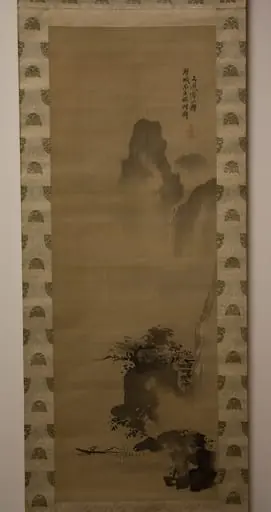
Tani Bunchō's painting, Gazing at a Waterfall, created in 1796, captures a serene natural scene. This work depicts two individuals observing a powerful waterfall from a rocky vantage point. Rendered with a subtle color palette, the composition emphasizes the grandeur of the landscape and the human experience within it. The painting is part of the collection at The Cleveland Museum of Art.
Subject & Meaning
The artwork presents two figures positioned on a rugged cliffside, contemplating a cascading waterfall. One figure gestures towards the falling water, while the companion gazes downwards, perhaps reflecting on the scene. The surrounding environment features sparse trees clinging to the rocks, enveloped in a misty atmosphere. This depiction invites viewers to consider the human relationship with the sublime power of nature.
Technique & Style
Bunchō employed a palette of soft greens and grays, contrasting with darker ink to define the jagged cliff edges and the waterfall's spray. Loose, fluid brushstrokes convey the dynamic motion of the water and the atmospheric quality of the clouds. Decorative patterns adorn the upper and lower edges, functioning as a framing device that enhances the painting's contemplative window-like quality.
Artist & collection