Artwork
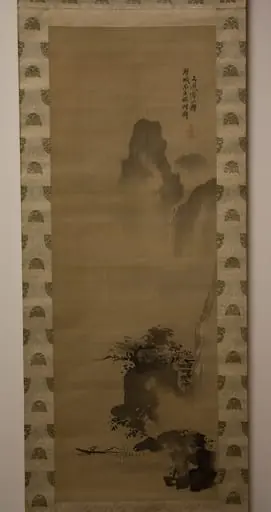
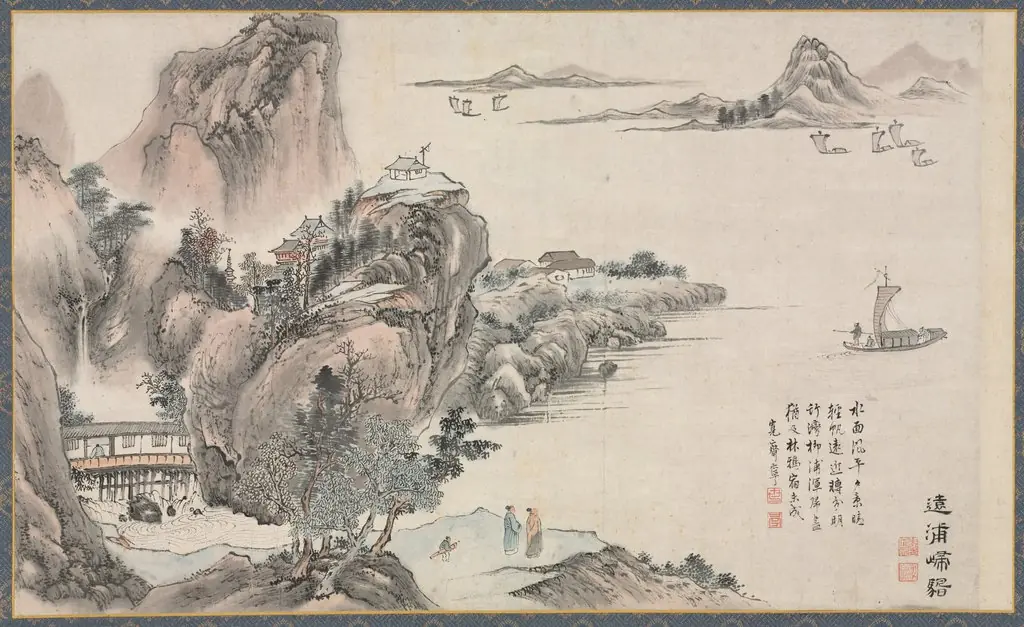
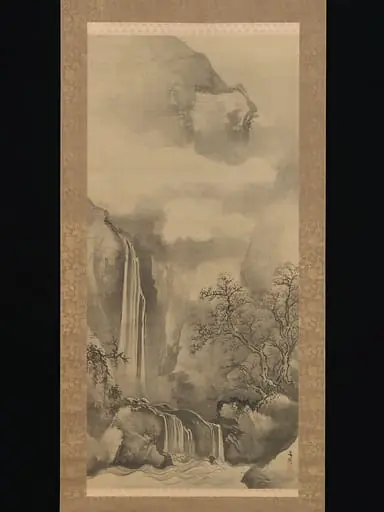
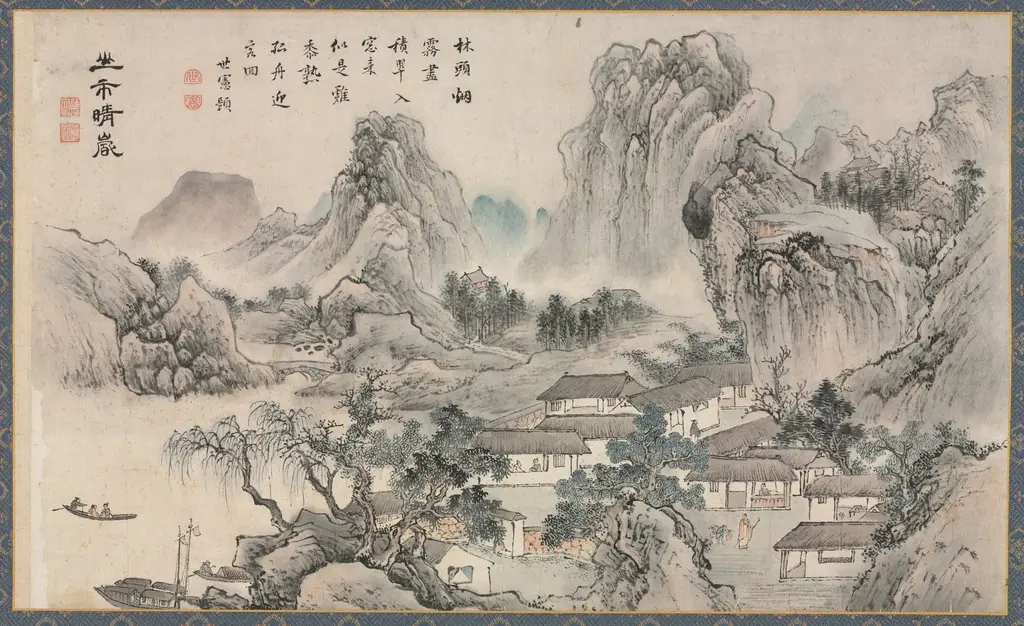
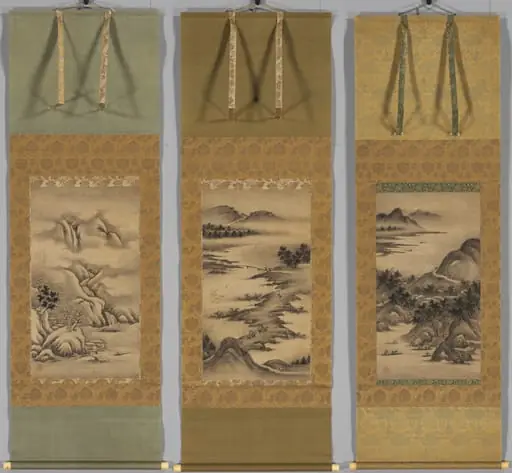
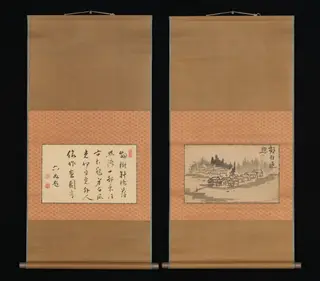
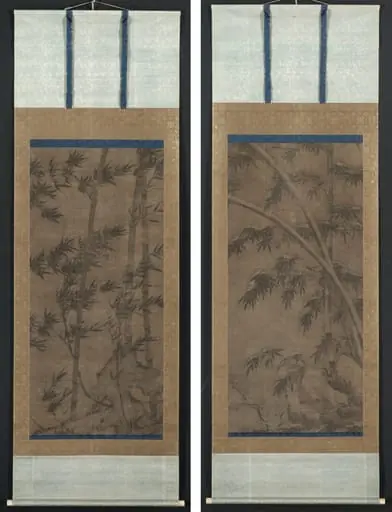
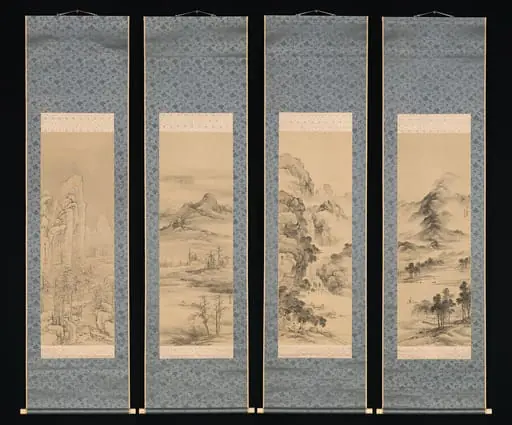
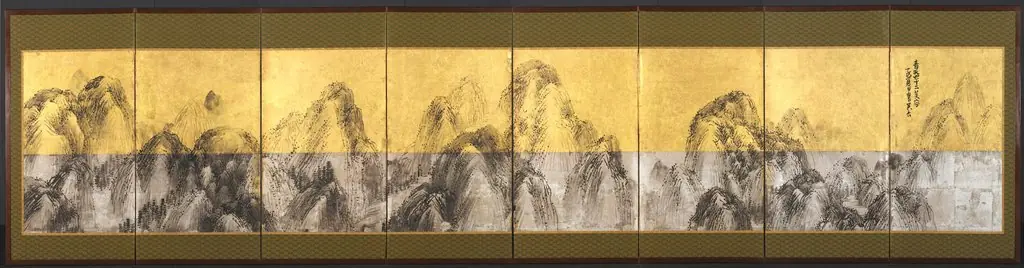
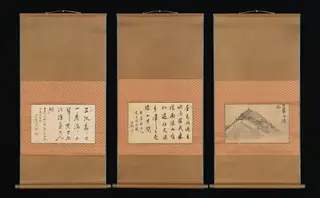
Four Motifs from the Eight Views of Xiao-Xiang
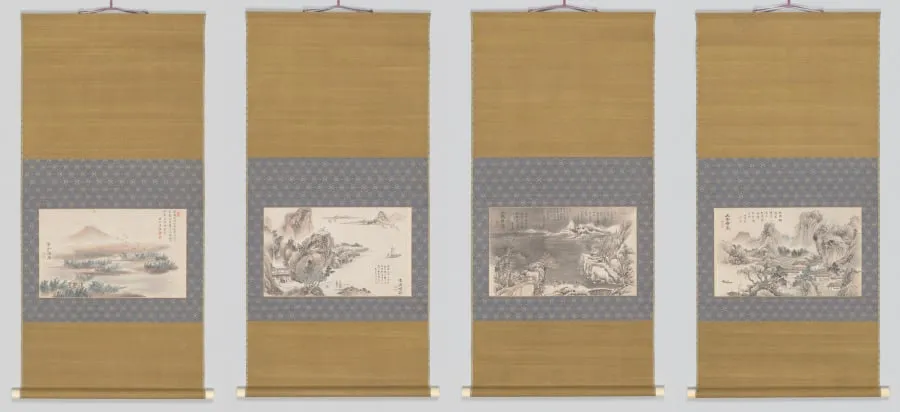
Four Motifs from the Eight Views of Xiao-Xiang is an unspecified painting by the Nihonga artist Tani Bunchō. It dates from 1788 and is held in the collection of the Cleveland Museum of Art.
- Accession no.
- 1980.188
- Credit line
- Andrew R. and Martha Holden Jennings Fund
About this work
Overview
The work belongs to a series of album leaves illustrating the Eight Views of Xiao‑Xiang, a visual motif that originated in Chinese poetry and painting before being adopted in Korean and Japanese art. This particular leaf depicts a solitary fisherman navigating mist‑shrouded waters, embodying the tranquil yet shifting atmosphere associated with the Xiang River region.
Subject & Meaning
The scene presents a lone boat gliding beneath mist‑veiled mountains, the fisherman merging with his surroundings. The composition reflects the traditional association of Xiao‑Xiang’s foggy riverbanks with the mutable moods of the human mind, suggesting contemplation and a harmonious relationship between man and nature.
Technique & Style
Executed on paper, the artist employs restrained brushwork and leaves considerable empty space, allowing the viewer’s eye to wander as if feeling a gentle breeze. While the subject follows a well‑known Chinese theme, the handling of negative space and subtle tonal variations reveal a distinctly Japanese aesthetic sensibility.
History & Provenance
Inscriptions on the leaf indicate it may have been commissioned by newly influential Japanese Confucian scholars, who sought to integrate Chinese cultural models into their own artistic practice. The piece is part of a larger Eight Views set that is currently housed in the Cleveland Museum of Art, where the complete series can be examined.
Artist & collection