Artwork
Hl. Franziskus
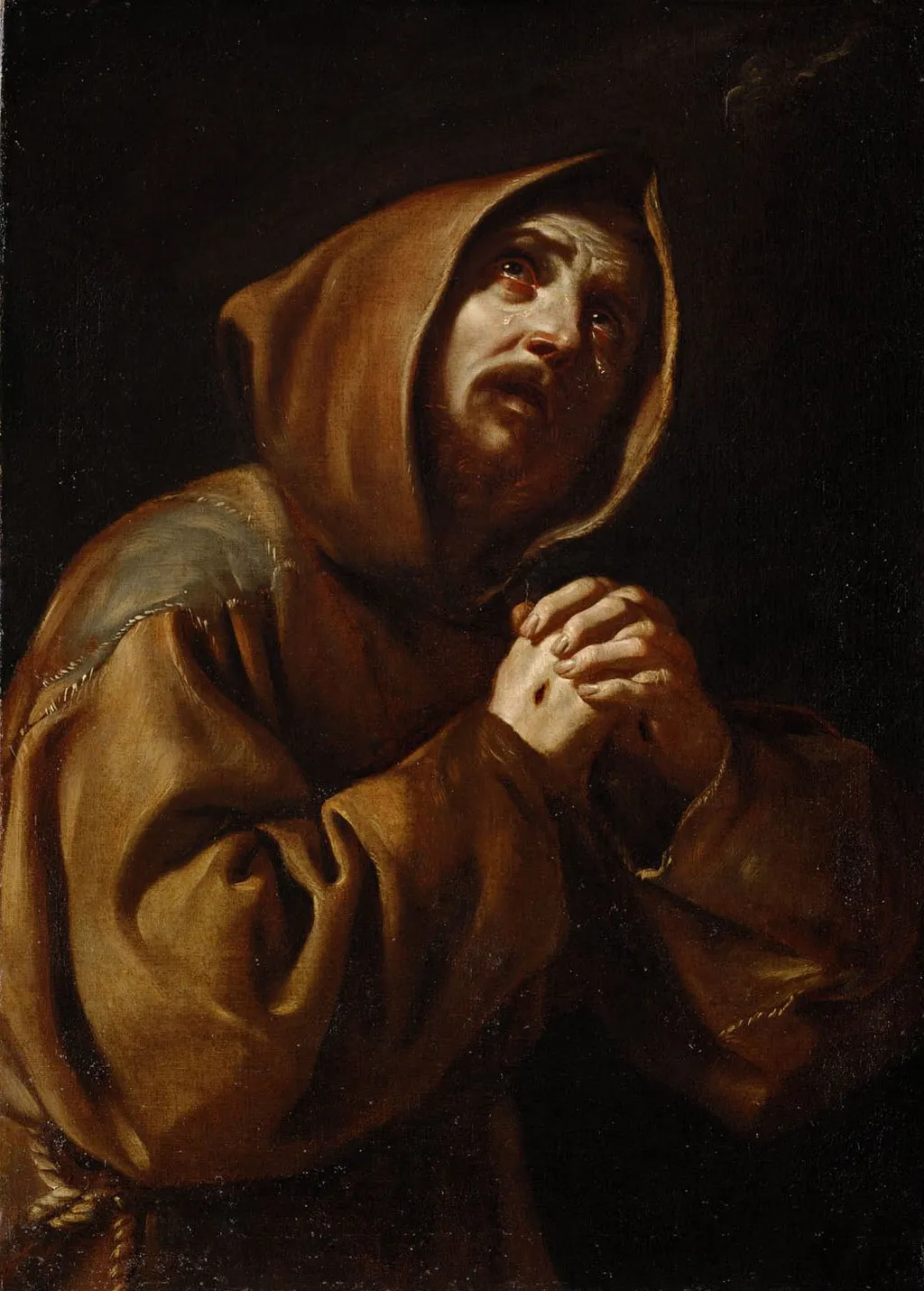
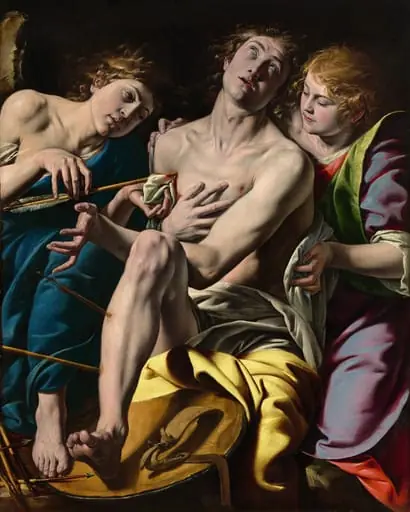
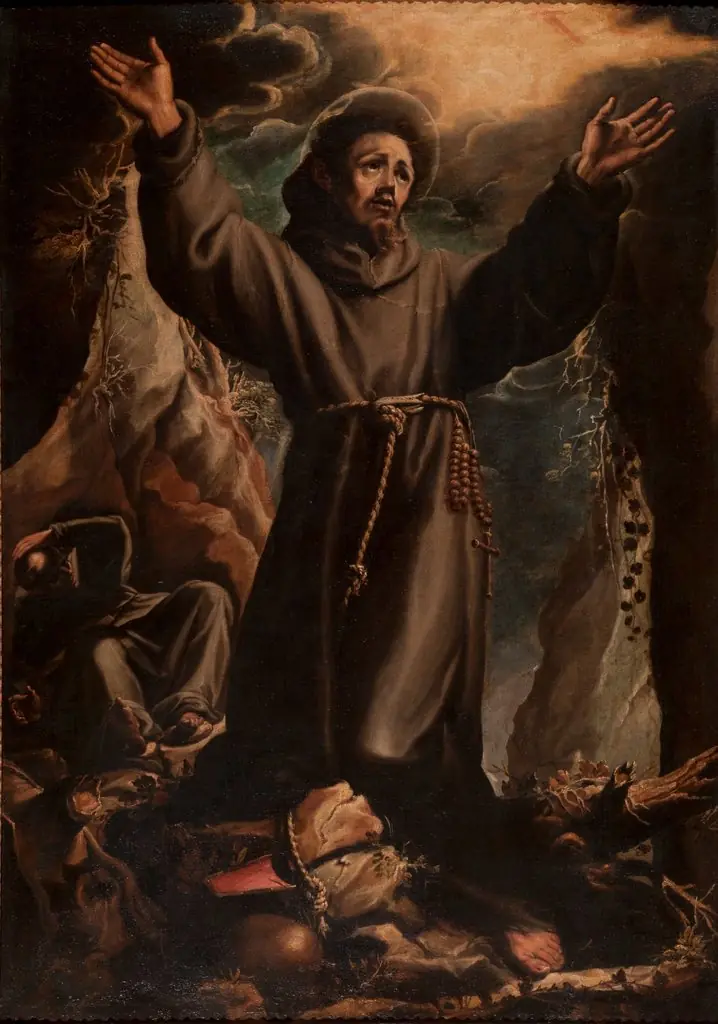
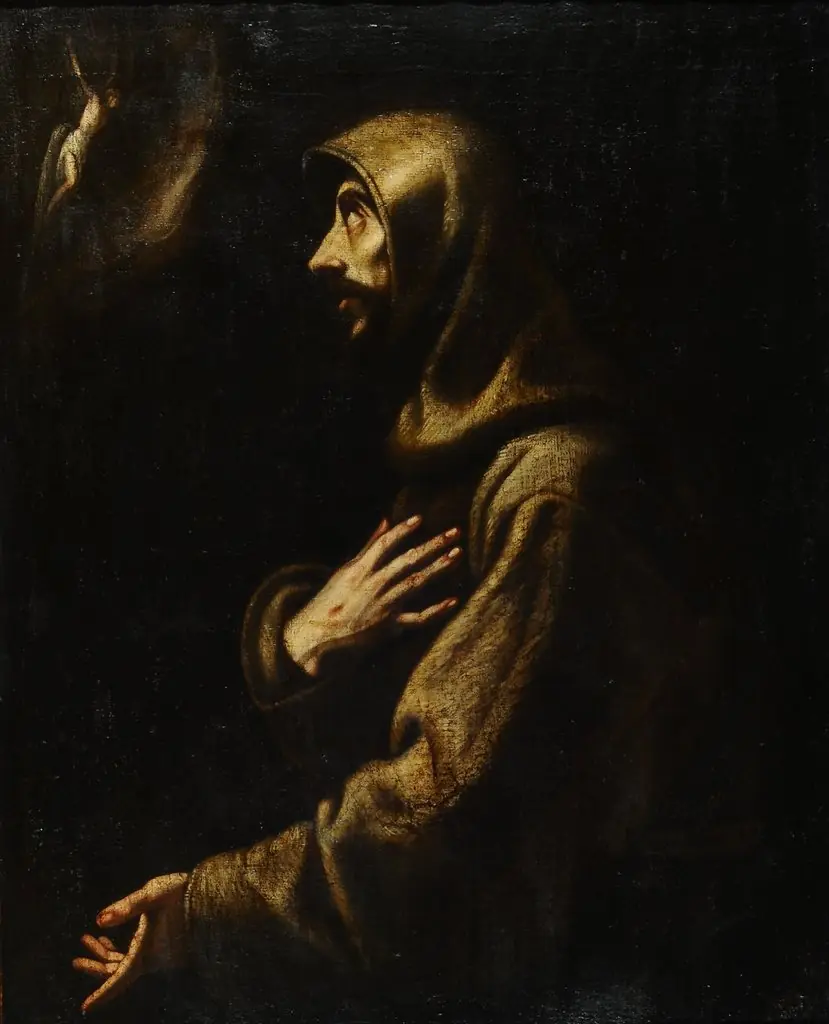
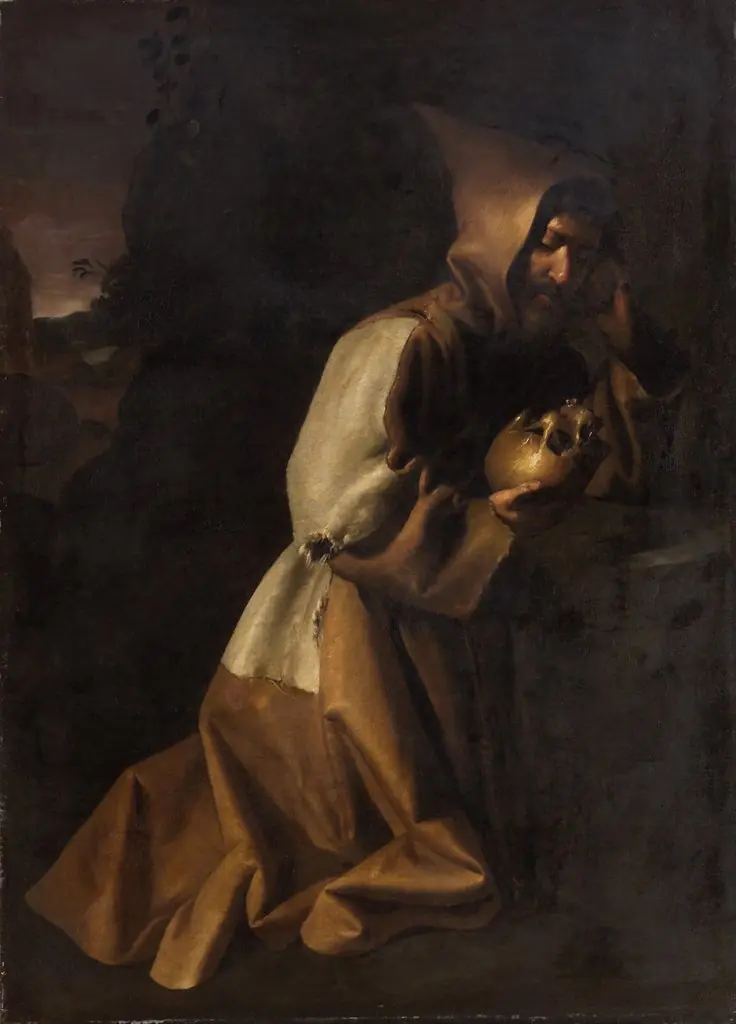
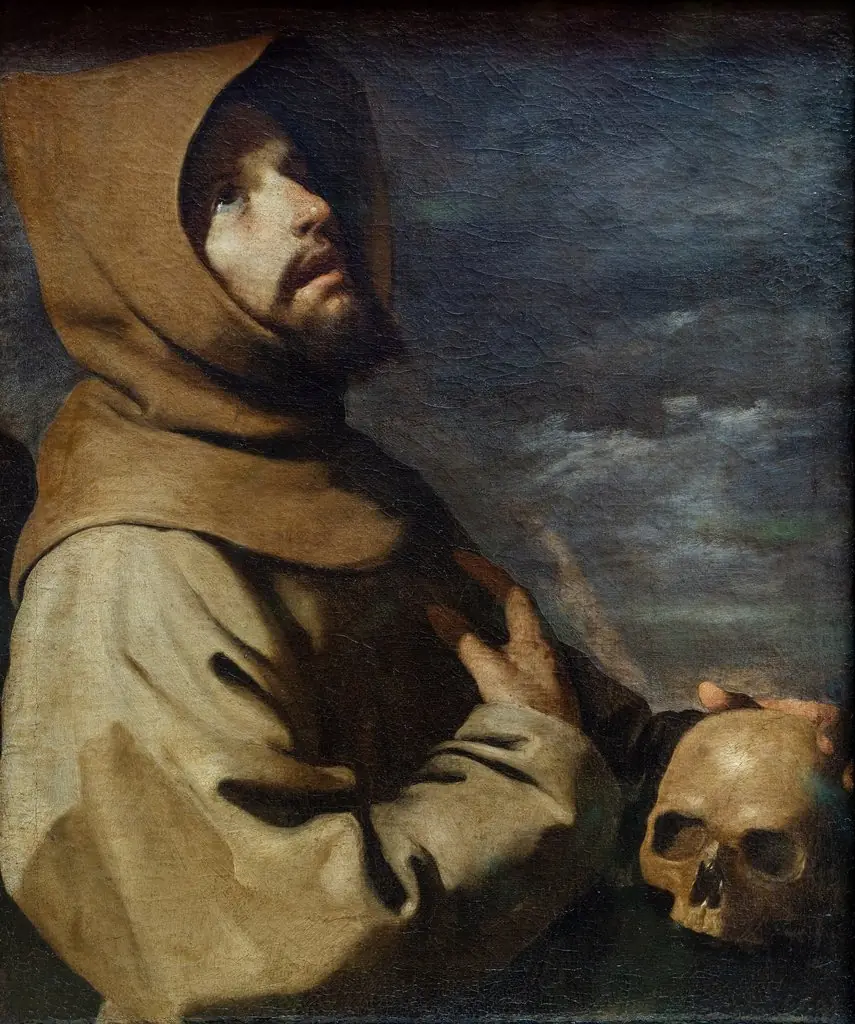
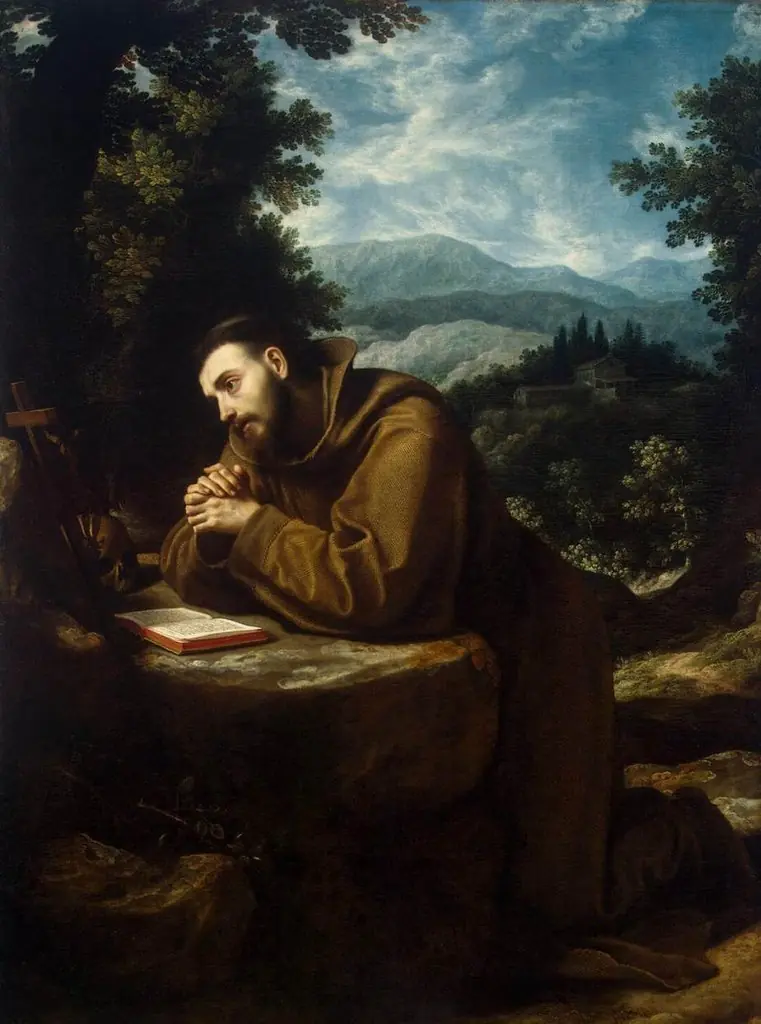
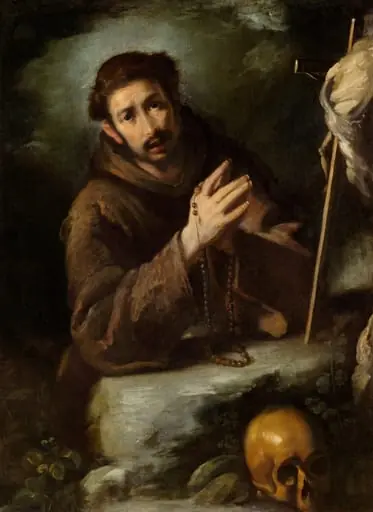
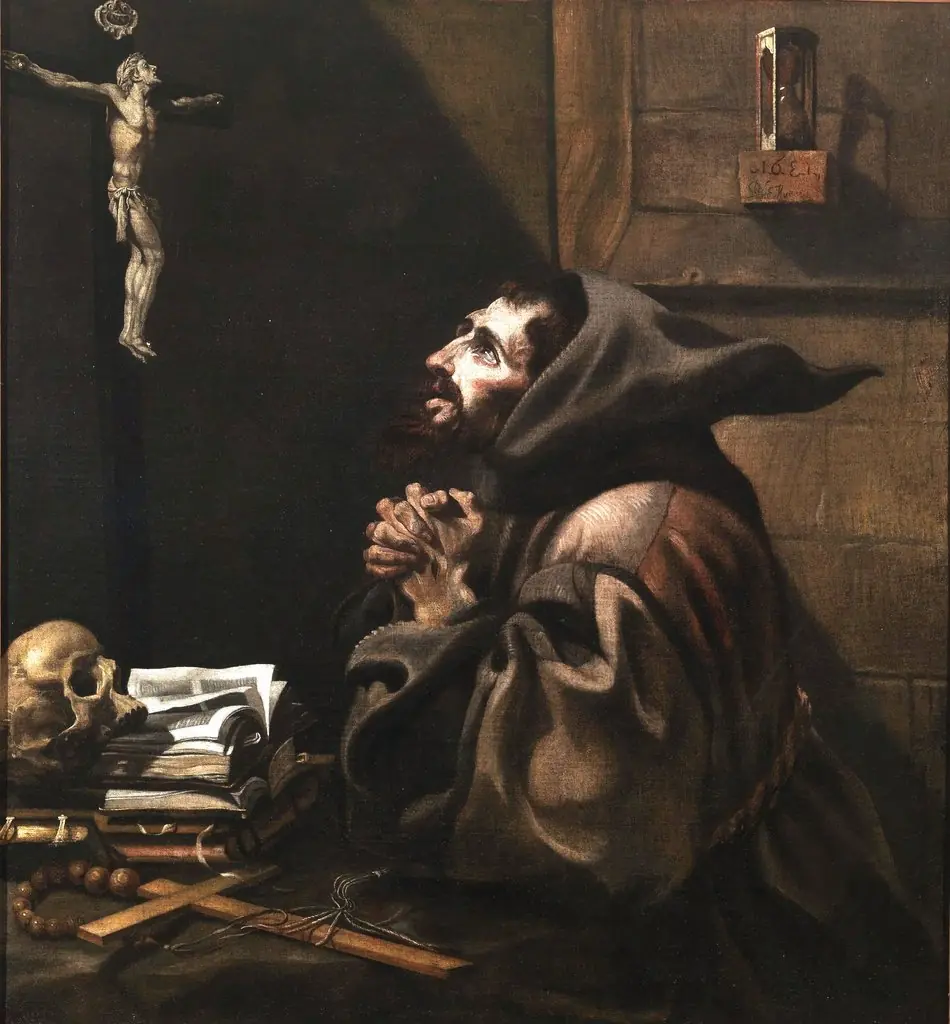
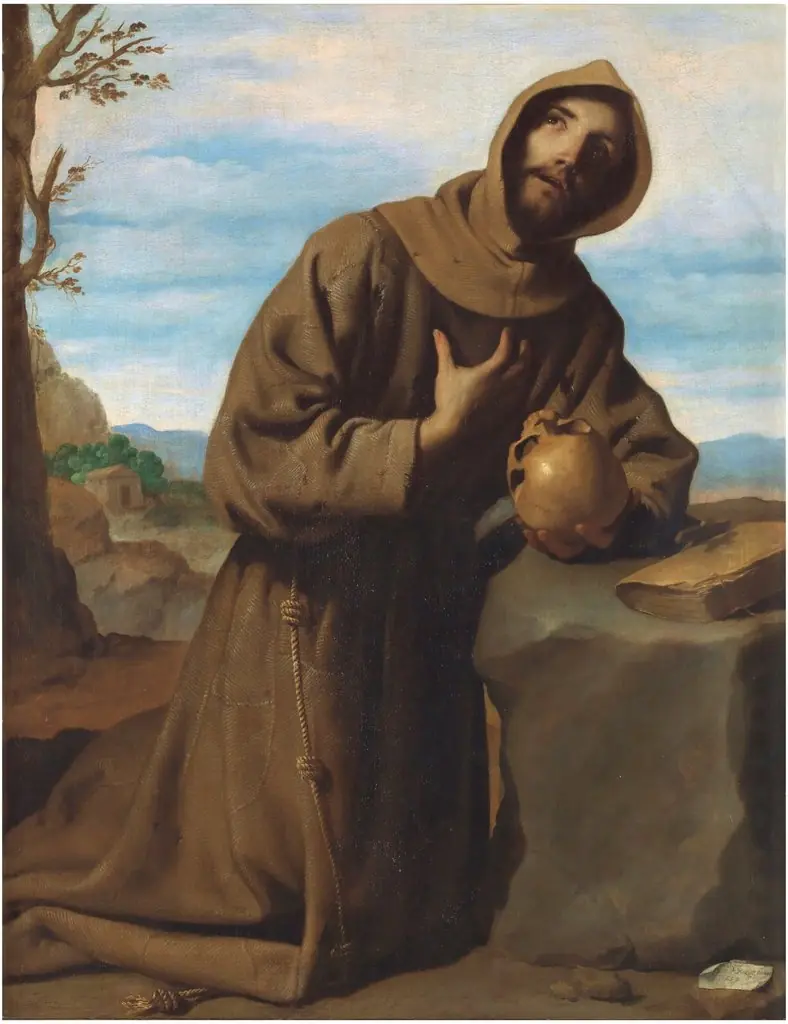
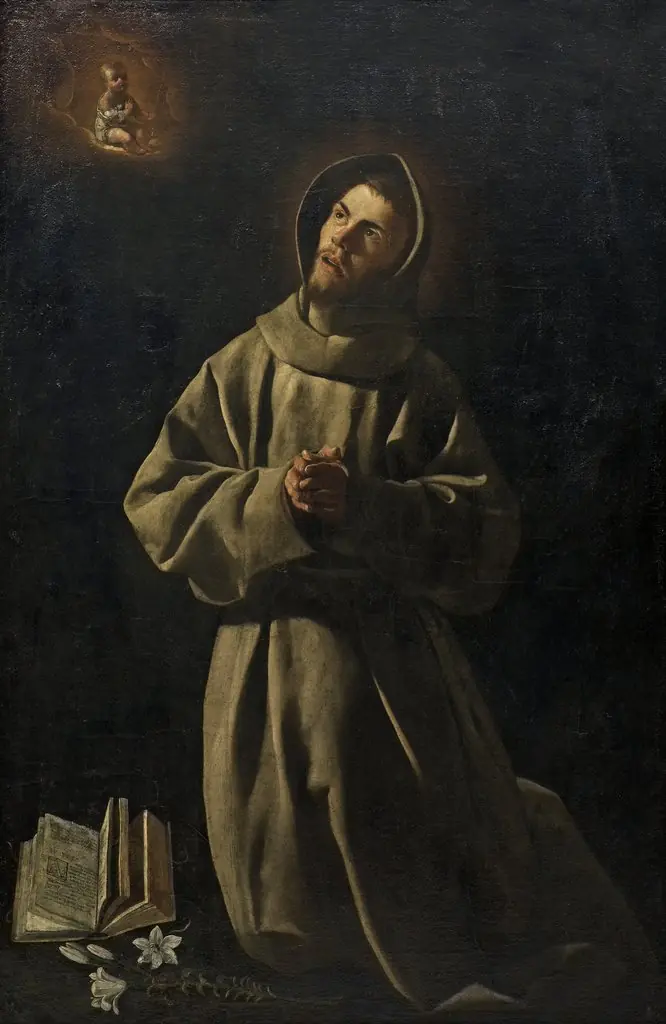
Hl. Franziskus is an unspecified painting by the Early Baroque Italian artist Tanzio da Varallo. It dates from 1630 and is held in the collection of the Kunsthistorisches Museum. Created circa 1630, the canvas portrays Saint Francis of Assisi and is part of the collection of the Kunsthistorisches Museum in Vienna.
About this work
Subject & Meaning
The artwork depicts Francis of Assisi, the founder of the Franciscan Order, as its primary subject. Falling within the religious genre, the painting focuses on the veneration and representation of this prominent Catholic figure. The portrayal of the saint serves as a devotional image, emphasizing his spiritual significance and religious identity.
Technique & Style
The painting is held in the Kunsthistorisches Museum and is classified as a religious painting, with Saint Francis of Assisi as its principal subject.
Hl. Franziskus is executed in oil on canvas, a support and medium consistent with Tanzio da Varallo's religious works of the early seventeenth century. The painting is held in the Kunsthistorisches Museum and is classified as a religious painting, with Saint Francis of Assisi as its principal subject.
The canvas measures 94 cm in height and 67.5 cm in width, a vertical format suited to the devotional treatment of the saint. Dated 1630, the work falls within Tanzio's mature Lombard-Piedmontese practice, in which he combined tenebrist lighting and naturalistic modeling with intense devotional characterization drawn from the Carracci and the Lombard tradition.
History & Provenance
The painting Hl. Franziskus by Tanzio da Varallo is dated to 1630, aligning with the artist’s mature period marked by religious compositions. The work entered the collection of the Kunsthistorisches Museum, Vienna, where it remains housed.
Its provenance prior to the museum’s acquisition is not documented in the provided sources, which do not specify the original commissioning context or earlier ownership history.
The painting Hl. Franziskus by Tanzio da Varallo is held in the collection of the Kunsthistorisches Museum. Created in 1630, the work depicts Francis of Assisi and is executed on canvas.
The provided sources do not contain specific inventory or accession numbers for the piece, nor do they list any exhibition history or past display records.
Legacy
The painting Hl. Franziskus by Antonio d’ Enrico Tanzio da Varallo has shaped how later artists approach religious narrative, particularly in their rendering of saintly figures with heightened emotional intensity. Its compositional clarity and vivid portrayal of Saint Francis influenced Baroque contemporaries who sought to capture spiritual fervor through dynamic gestures and dramatic lighting.
The work’s presence in the Kunsthistorisches Museum has ensured ongoing scholarly attention, reinforcing its reputation as a pivotal example of Counter‑Reformation art in the Italian tradition.
Overview
Created circa 1630, the canvas portrays Saint Francis of Assisi and is part of the collection of the Kunsthistorisches Museum in Vienna. The work is attributed to Antonio d’Enrico, known as Tanzio da Varallo, a prominent Lombard painter active during the shift from late Mannerism to early Baroque.
Context
Working alongside contemporaries such as Giulio Cesare Procaccini, Tanzio navigated the transition from the elegant elongation of Mannerism to the more naturalistic, dramatic language of Baroque art. This piece exemplifies that evolution, merging a devotional genre scene with the heightened theatricality that would dominate Italian painting in the following decades.
Artist & collection

Artist
Antonio d'Enrico, called Tanzio da Varallo, or simply il Tanzio (c. 1575/1580 – c. 1632/1633) was an Italian painter of the late-Mannerist or early Baroque period. With Giovanni Battista Crespi, Giulio Cesare Procaccini…