Artwork
Dublu portret (tatăl și fiul)
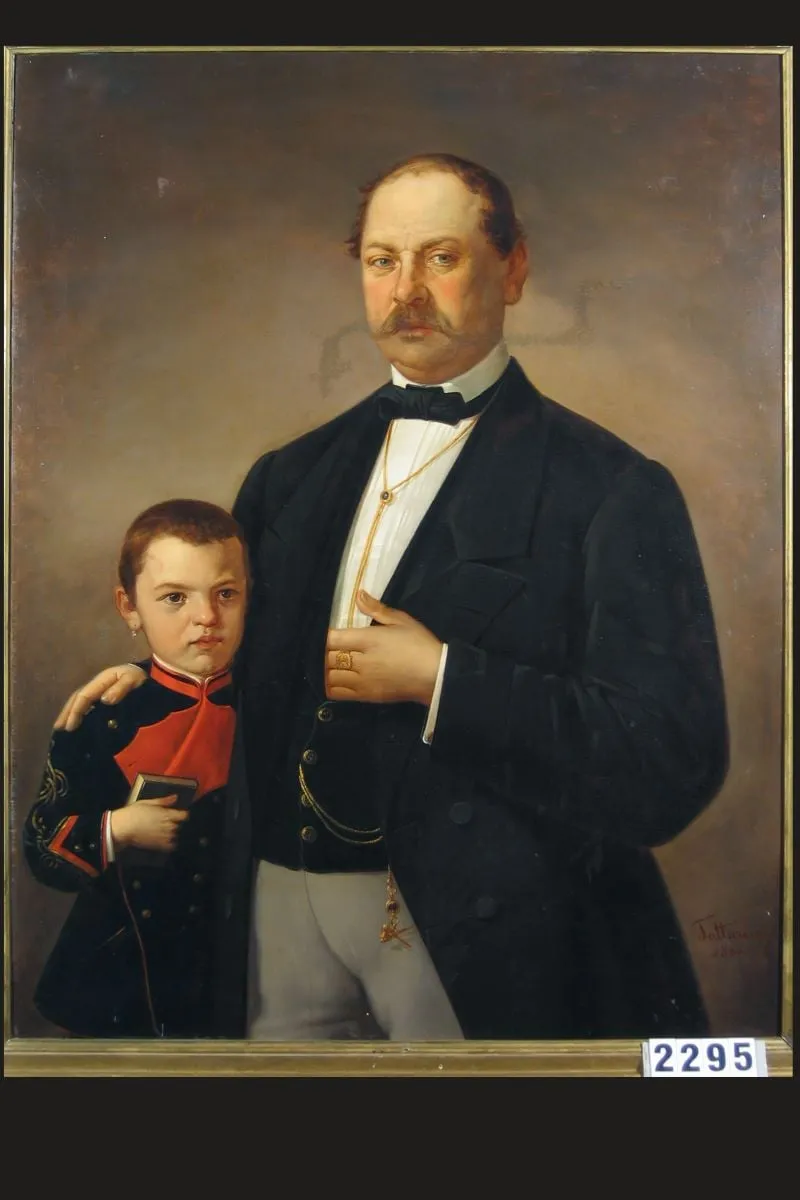
Dublu portret (tatăl și fiul) is a print by the Academic Art artist Gheorghe Tattarescu. It dates from 1867 and is held in the collection of the Brukenthal National Museum.
About this work
Overview
Painted circa 1867 by Gheorghe Tattarescu, Dublu portret (tatăl și fiul) presents a formal double portrait of a father and son. Tattarescu, instrumental in shaping Romania’s modern artistic identity, employed neoclassical principles to convey dignity and restraint. The composition is tightly framed, eliminating distractions and centering the figures in a quiet, solemn exchange of presence.
Subject & Meaning
The father’s medals and composed posture suggest authority, while the boy’s direct gaze and rigid stance imply early initiation into societal roles.
The painting portrays a man of apparent military or civic rank alongside his young son, dressed in a miniature version of his uniform. The father’s medals and composed posture suggest authority, while the boy’s direct gaze and rigid stance imply early initiation into societal roles. The absence of narrative or setting emphasizes lineage and duty, framing the pair as symbols of continuity and inherited responsibility.
Technique & Style
Tattarescu uses controlled chiaroscuro to model the figures against a dark, neutral background, enhancing volume without theatricality. The textures of fabric, wool, silk sash, polished buttons, are rendered with precision, reflecting neoclassical attention to detail. Brushwork is restrained, avoiding flourish; the lighting is even, favoring clarity over drama, aligning with the movement’s emphasis on order and rational form.
History & Provenance
Created during a period of national consolidation in Romania, the painting emerged from Tattarescu’s studio in Bucharest, where he trained a generation of artists. While its early ownership is undocumented, it has long been associated with Romanian institutional collections, reflecting its status as a representative work of 19th-century academic portraiture in the region.
Context
In mid-19th century Romania, art increasingly served national identity formation. Tattarescu’s work, including this portrait, aligned with broader efforts to cultivate a visual language of civic virtue and tradition. The military attire of the boy signals the era’s emphasis on discipline and state service, mirroring educational and societal reforms aimed at modernizing Romanian institutions.
Legacy
The painting remains a key example of Romanian neoclassical portraiture, illustrating how European artistic norms were adapted to local social values. It influenced later generations of Romanian artists seeking to balance academic technique with national themes. Its enduring presence in public collections underscores its role as a quiet but significant document of familial and civic ideals in 19th-century Romania.
Artist & collection
Artist
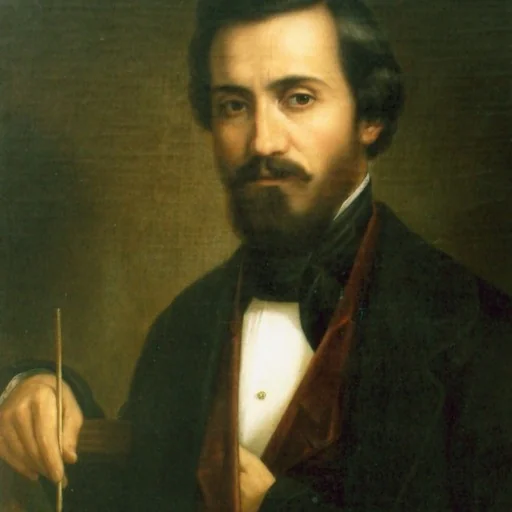
Gheorghe Tattarescu (Romanian pronunciation:; October 1818 – October 24, 1894) was a Romanian painter and a pioneer of neoclassicism in his country's modern painting.

- Ricardo y Federico Santaló
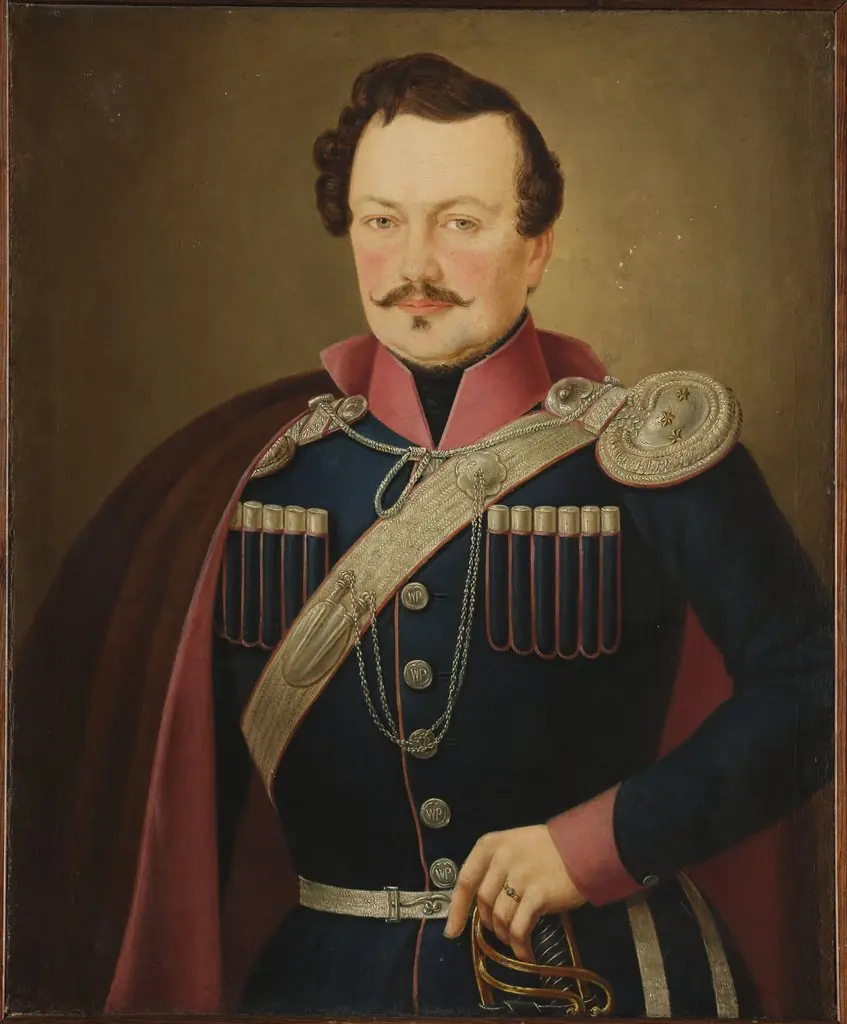 Portrait of Szymanowski, lieutenant of the Płock cavalry regiment
 Esikuntakapteeni Danielsson
 Portrait of Seweryn Madan, officer of the guard cavalry staff
 El coronel Juan de Zengotita Bengoa
 Portrait of a Young Officer from the Dmitriev-Mamonov Cossack Regiment
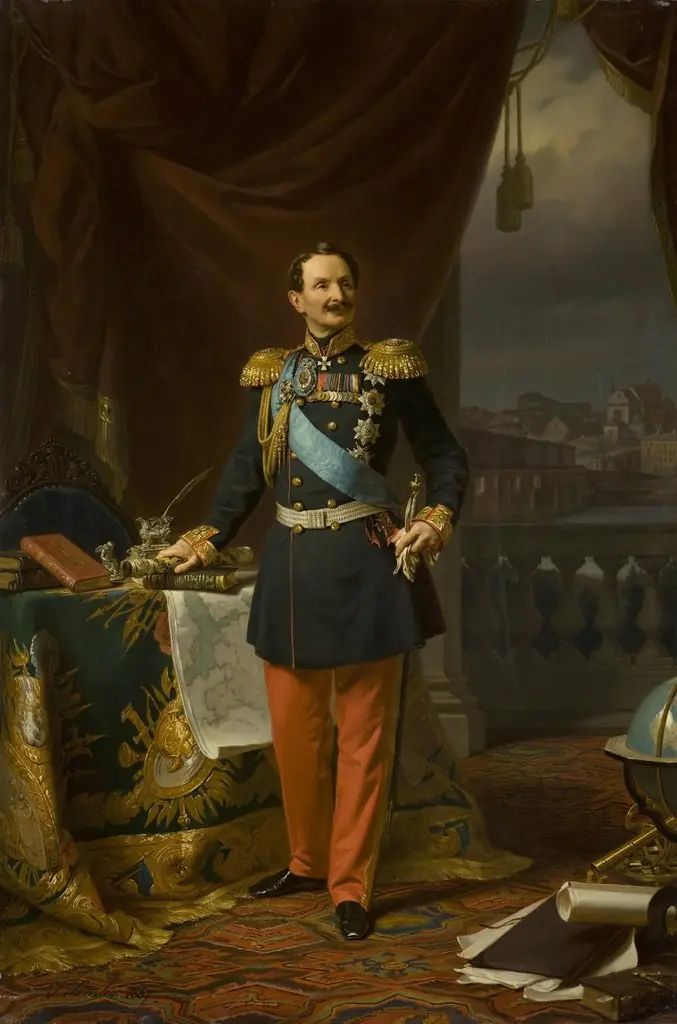 Portrait of Field-Marshal Count Fiodor (Friedrich Wilhelm) Berg
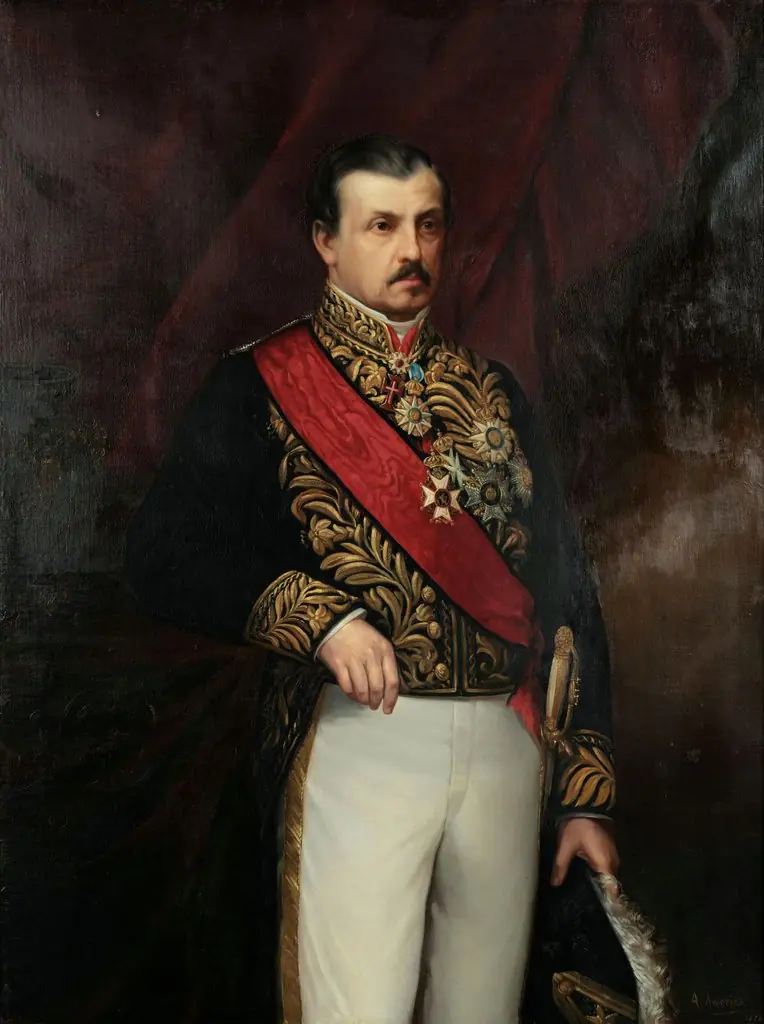 Portrait of the Viscount of Santo Amaro
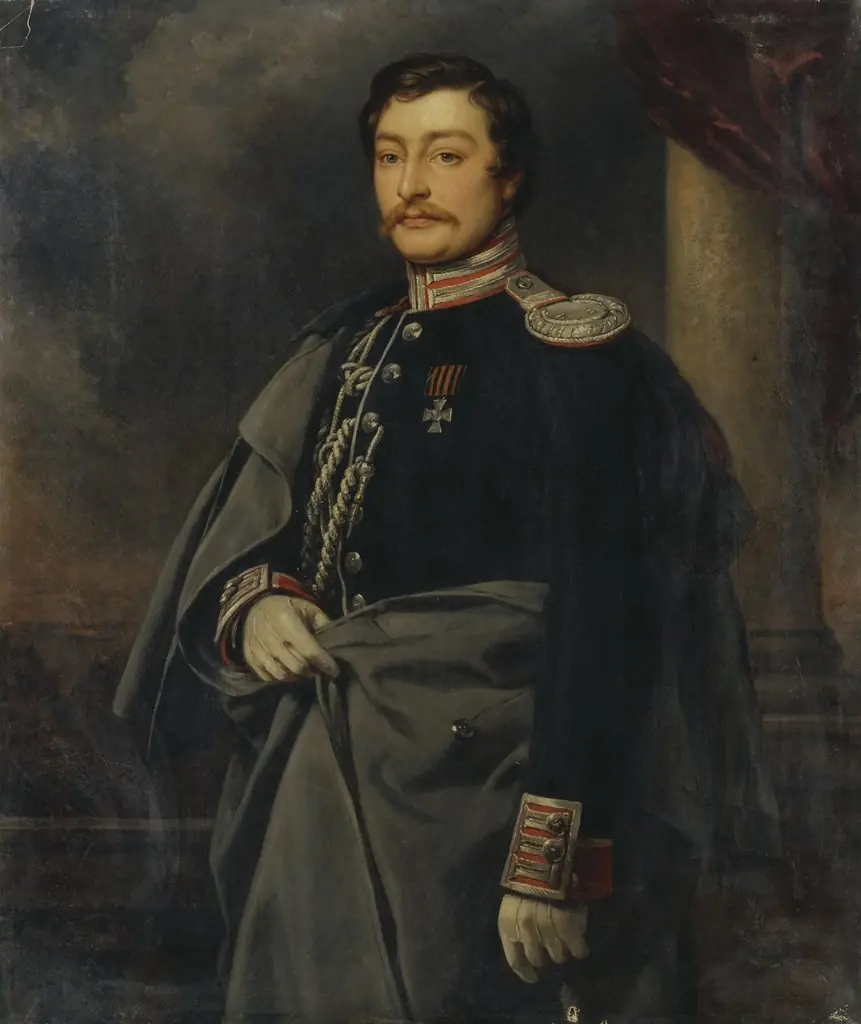 Portrait of Alexander P. von Benckendorff (1819 – 1851)
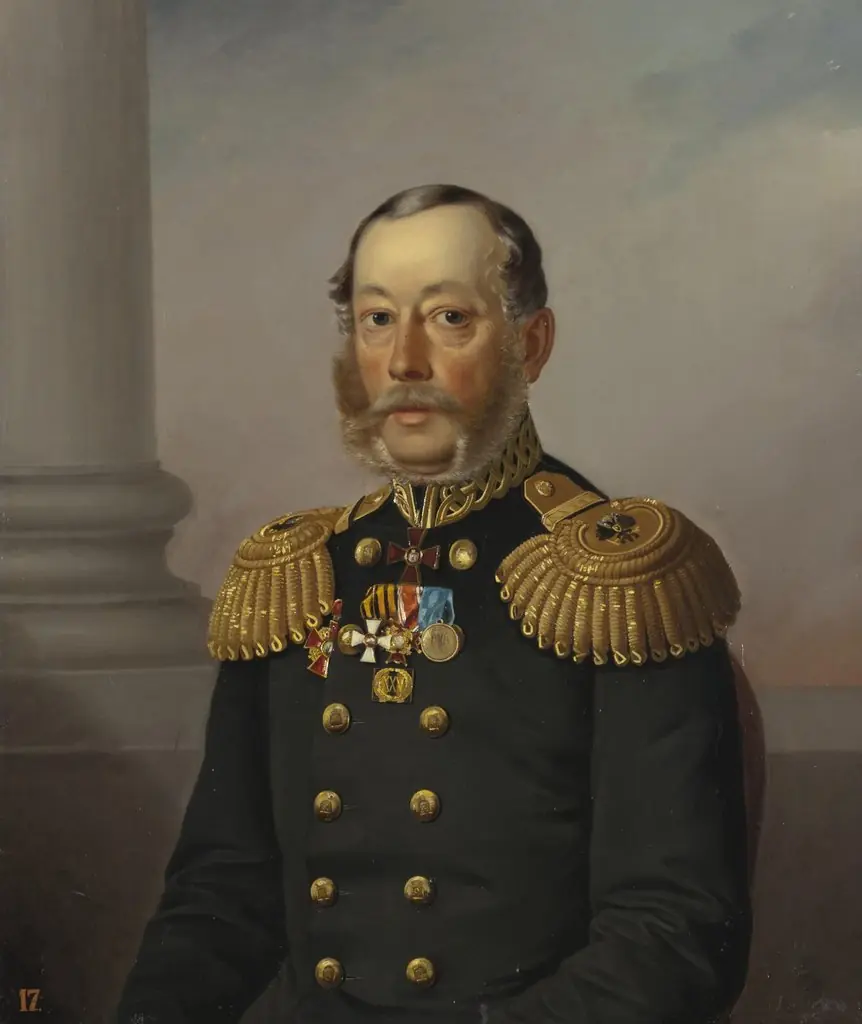 Portrait of S.S. Nakhimov
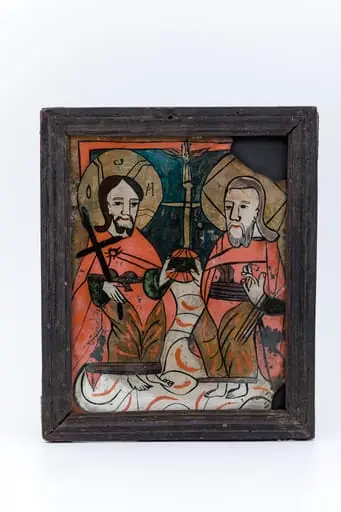 Icoana reprezintă Sfânta Treime. Dumnezeu-Tatăl și Dumnezeu-Fiul susțin împreună globul pământesc cu o cruce mare deasupra, apărând ca un sfânt chivot, ca pe o Biserică țin Pământul. Dumnezeu-Fiul, fiind alături, ține Crucea pe umărul drept. Dumnezeu-Tatăl are aureola în formă de triunghi echilateral, simbolizând Sfânta Treime. Dumnezeu-Tatăl și Dumnezeu-Fiul sunt îmbrăcați în veșminte în combinație de roz-corai, brun-bronziu, negru. Sfântul Duh se pogoară prin deschiderea Cerurilor. Fondul icoanei este cerul albastru ultramarin, cu influențe ușoare de indigo. În registrul inferior sunt nori albi, cu striații corai. Cromatica este armonioasă: roz-corai, albastru ultramarin bleu-marin, alb, gri-antracit, brun-bronziu, kaki, ocru-muștar, alb, negru. Alăturarea cromatică: roz corai, albastru ultramarin și brun-bronziu este excepțională. Inscripția din româno-chirilică se traduce Sfânta Treime. Icoana este din Nordul Transilvaniei, Nicula.
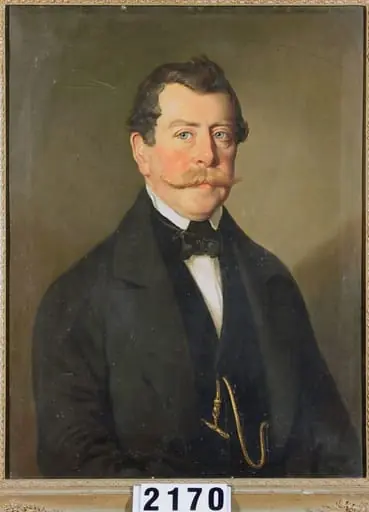 Portretul lui Drotleff