Artwork
田崎草雲筆 養老の滝|Yōrō Waterfall
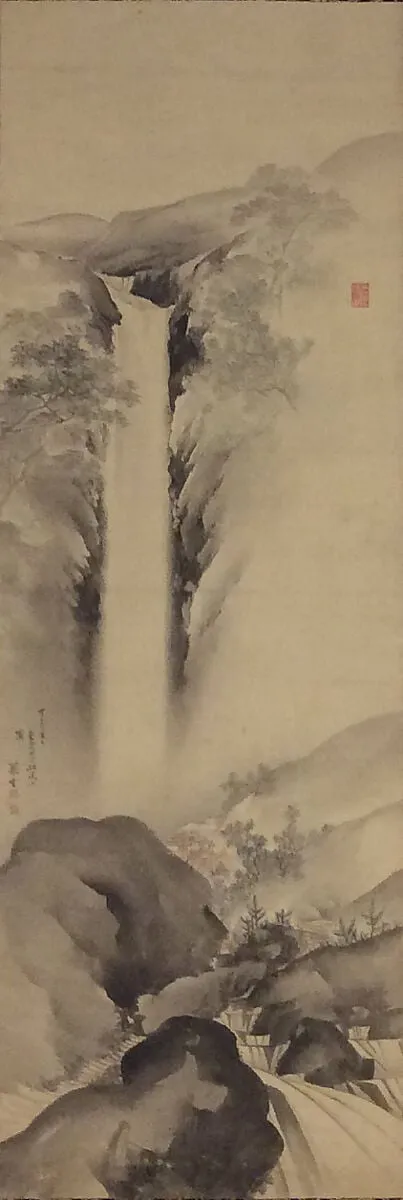
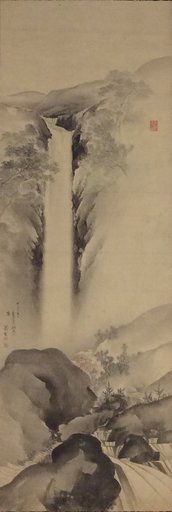
田崎草雲筆 養老の滝|Yōrō Waterfall is an ink painting by the Impressionist artist Tazaki Sōun. It dates from 1887 and is held in the collection of the Metropolitan Museum of Art.
- Accession no.
- 36.100.77
About this work
Subject & Meaning
The hanging scroll depicts the Yōrō Waterfall, a celebrated cascade in Gifu Prefecture long associated in Japanese legend with filial piety.
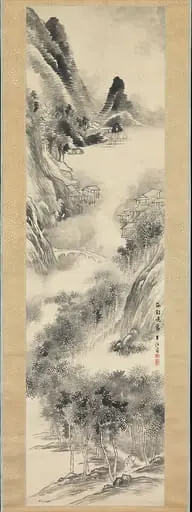
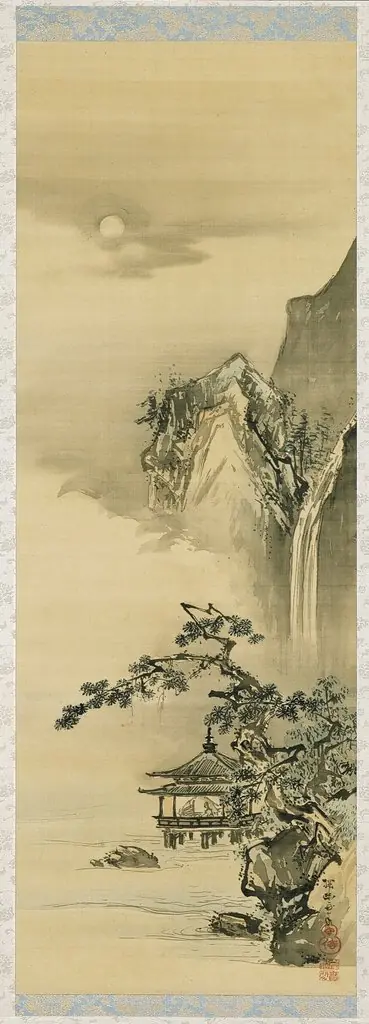
The hanging scroll depicts the Yōrō Waterfall, a celebrated cascade in Gifu Prefecture long associated in Japanese legend with filial piety. According to tradition, an elderly woodcutter discovered that the spring's waters could restore his father's youth, transforming the site into a symbol of devotion between generations and of nature's power to renew life. Tazaki Sōun's ink and color on silk composition, executed in 1887, isolates the waterfall as its central motif, presenting the falling water as both a literal landscape subject and an emblem of longevity and familial reverence rooted in classical Japanese iconography.
Technique & Style
The work is a hanging scroll executed in ink and color on silk, measuring approximately 97.5 cm in height and 33 cm in width, produced in Japan in 1887 and now held by the Metropolitan Museum of Art. Its subject is a waterfall, reflecting the landscape genre typical of late-19th-century Japanese painting, with compositional emphasis on the flowing form of the cascade and the use of subtle color washes to suggest depth. The silk support and hanging format indicate a traditional presentation intended for wall mounting.
History & Provenance
Created in 1887 by the Japanese artist Tazaki Sōun, this hanging scroll depicts Yōrō Waterfall using ink and color on silk. The work was produced in Japan during the late nineteenth century and currently resides in the collection of the Metropolitan Museum of Art. No specific details regarding the original commission, private ownership history, or the chain of custody prior to its museum acquisition are recorded in the available sources.
Overview
Painted in 1887 by Tazaki Sōun, this hanging scroll depicts the Yōrō Waterfall, a celebrated scenic spot in Mino Province. Executed in ink and color on silk, the composition features a tall cascade tumbling over moss-covered rocks, framed by dark, dense trees and enveloped in atmospheric mist. Sōun employs fine, dynamic brushstrokes to render the movement of the water, creating a sense of vitality within the traditional medium.
Created late in the artist's life, this work represents a significant example of the Japanese literati style (Nanga) during the Meiji period, a time when Western artistic influences were rapidly transforming the Japanese art world. The painting stands as a testament to the endurance of traditional ink painting techniques and aesthetic principles just before they were largely supplanted by modernization. It reflects Sōun's mastery of the genre, combining poetic sensibility with precise observation of nature, solidifying his reputation as a leading figure in the Nanga tradition of the late 19th century.
Artist & collection