Artwork
Snow Landscape
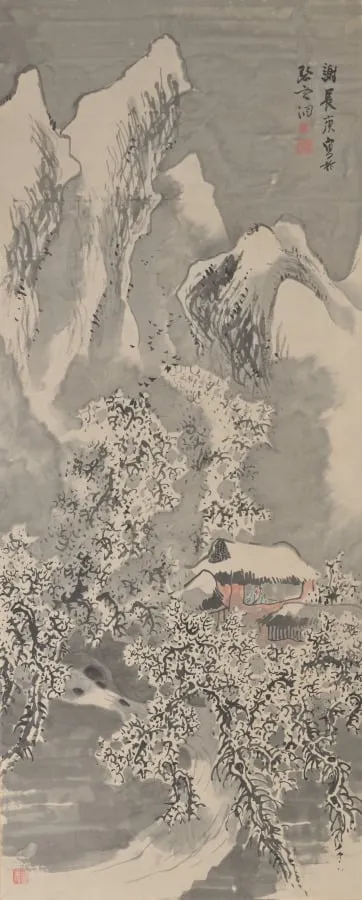
Snow Landscape is an unspecified painting by the Rinpa school artist Yosa Buson. It dates from 1774 and is held in the collection of the Cleveland Museum of Art.
- Accession no.
- 1997.111
- Credit line
- Bequest of Mrs. A. Dean Perry
About this work
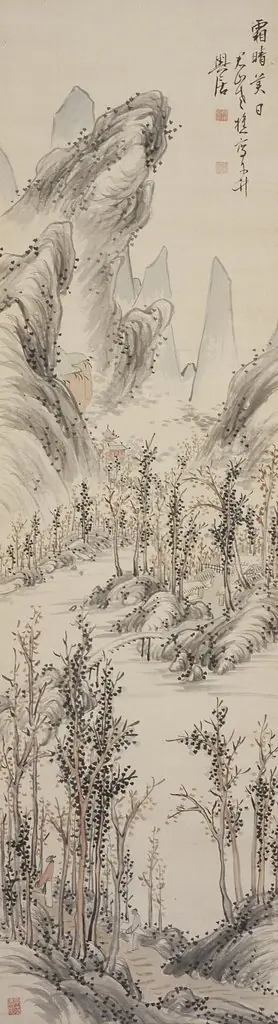
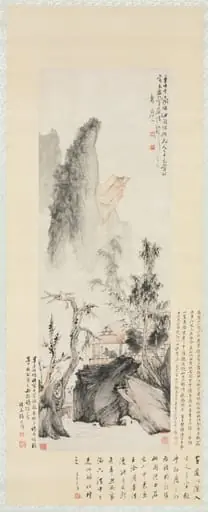
A snowy mountain glows under a pale sky, with tiny birds flying toward bare trees and a small hut.
A snowy mountain glows under a pale sky, with tiny birds flying toward bare trees and a small hut.
Buson painted this in his later years, when he swapped tight brushstrokes for quick, loose ones. The red underlayer peeks through the white, making the scene feel warmer than it looks. He was better known as a poet, but he taught himself to paint.
Look up more works from the subject: japan, edo period (1615–1868).
Overview
This snowscape, painted in the later years of Yosa Buson’s life, captures a quiet winter scene with minimal detail and atmospheric depth. The landscape features a distant mountain under a pale sky, sparse trees, and a solitary hut, all rendered with loose, expressive brushwork. A subtle red underpainting glows through the white snow, introducing an unexpected warmth to the cold setting.
Subject & Meaning
The scene depicts a scholar’s retreat nestled in a wintry mountain landscape, evoking solitude and contemplation. Tiny birds in flight toward the trees suggest movement amid stillness, a common motif in Zen-inflected Japanese art. The composition invites quiet reflection, aligning with poetic ideals of impermanence and harmony with nature, themes central to Buson’s literary work.
Technique & Style
Buson abandoned the precise, detailed brushwork of his early career for a looser, more spontaneous style in his later years. Here, wet-on-wet washes and rapid strokes create texture in the snow and sky, while the underlying red pigment subtly emerges through thin layers of white. This technique conveys mood over detail, emphasizing emotional resonance over realism.
History & Provenance
Created during the Edo period, this painting reflects Buson’s personal artistic evolution after decades as a celebrated haiku poet. Though self-taught in painting, he engaged deeply with Chinese ink traditions and Japanese literati aesthetics. The work likely remained in private collections until entering institutional hands, its origins tied to Buson’s circle of poet-artists in Kyoto and Osaka.
Context
In the Edo period, literati painters like Buson blurred boundaries between poetry and visual art, valuing personal expression over technical perfection. His work emerged within a broader movement of scholar-amateurs who drew inspiration from Chinese Song dynasty landscapes and Japanese poetic traditions. This painting reflects a cultural ideal where art served as an extension of inner life rather than public display.
Legacy
Buson’s late-style snowscape exemplifies the literati ideal of art as a quiet, introspective act. Though less known as a painter than a poet, his work influenced later generations of Japanese artists who prioritized emotional sincerity and brush spontaneity. His integration of poetic sensibility into painting helped shape the trajectory of modern Japanese ink art.
Artist & collection


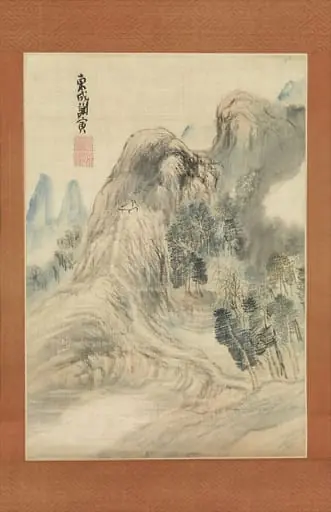 Untitled
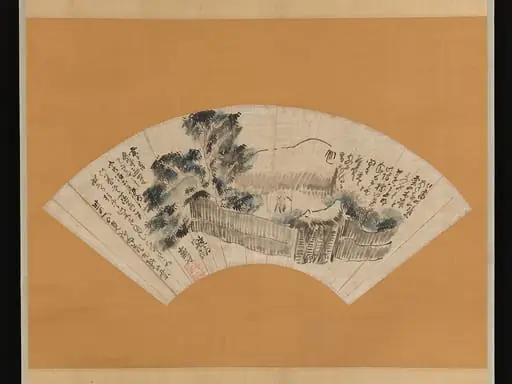 与謝蕪村筆 奥の細道図扇面|Scene from The Narrow Road to the Deep North
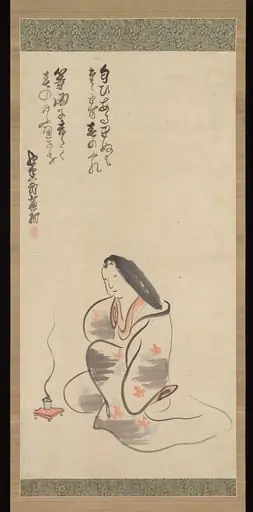 Untitled
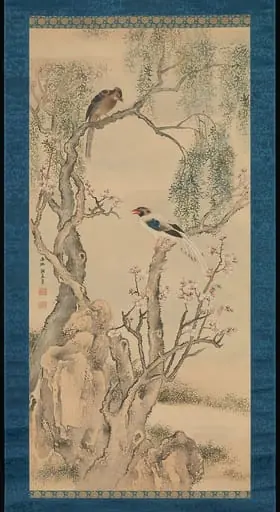 与謝蕪村筆 柳緑桃紅図|Birds in Willows and Blossoming Peach Tree
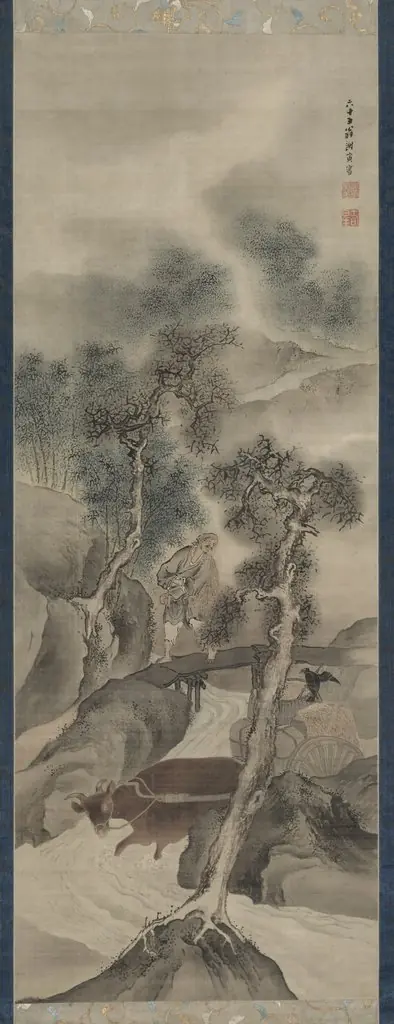 Water Buffalo Returning Home
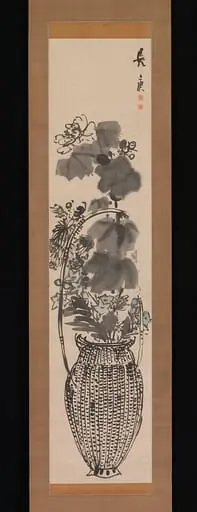 与謝蕪村筆秋草花竹籃図 |Autumn Flowers in a Bamboo Basket
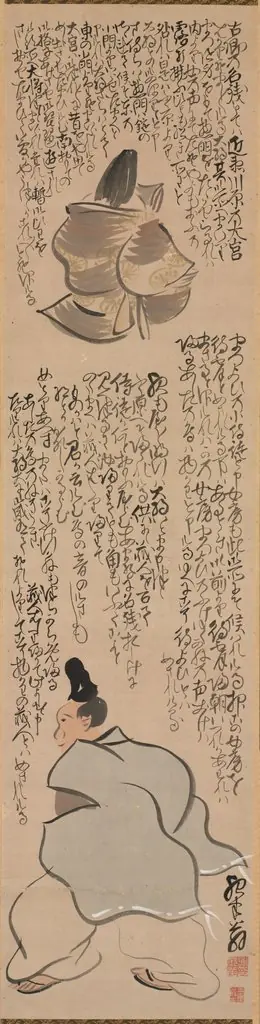 Figures with Calligraphy of a Passage from the "Heike Monogatari" ("The Tales of Heike")
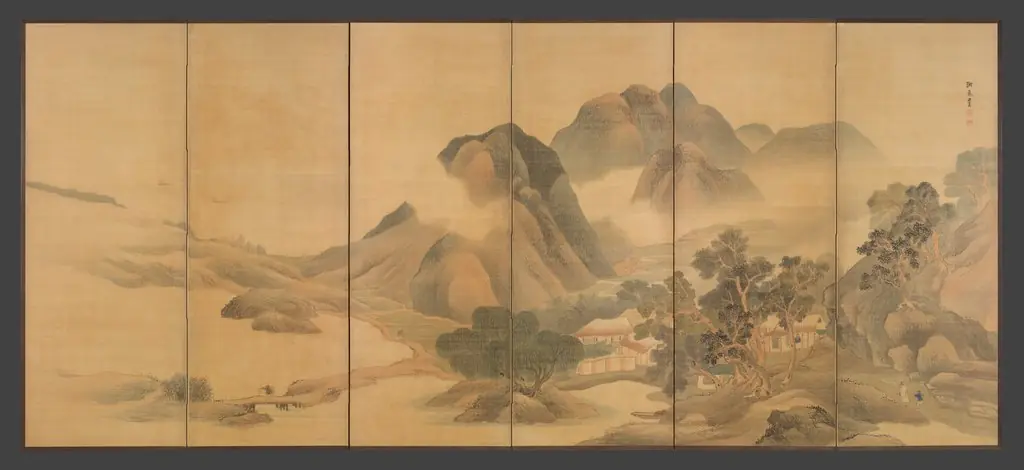 Travels through Mountains and Fields