Artwork
Puppeteer
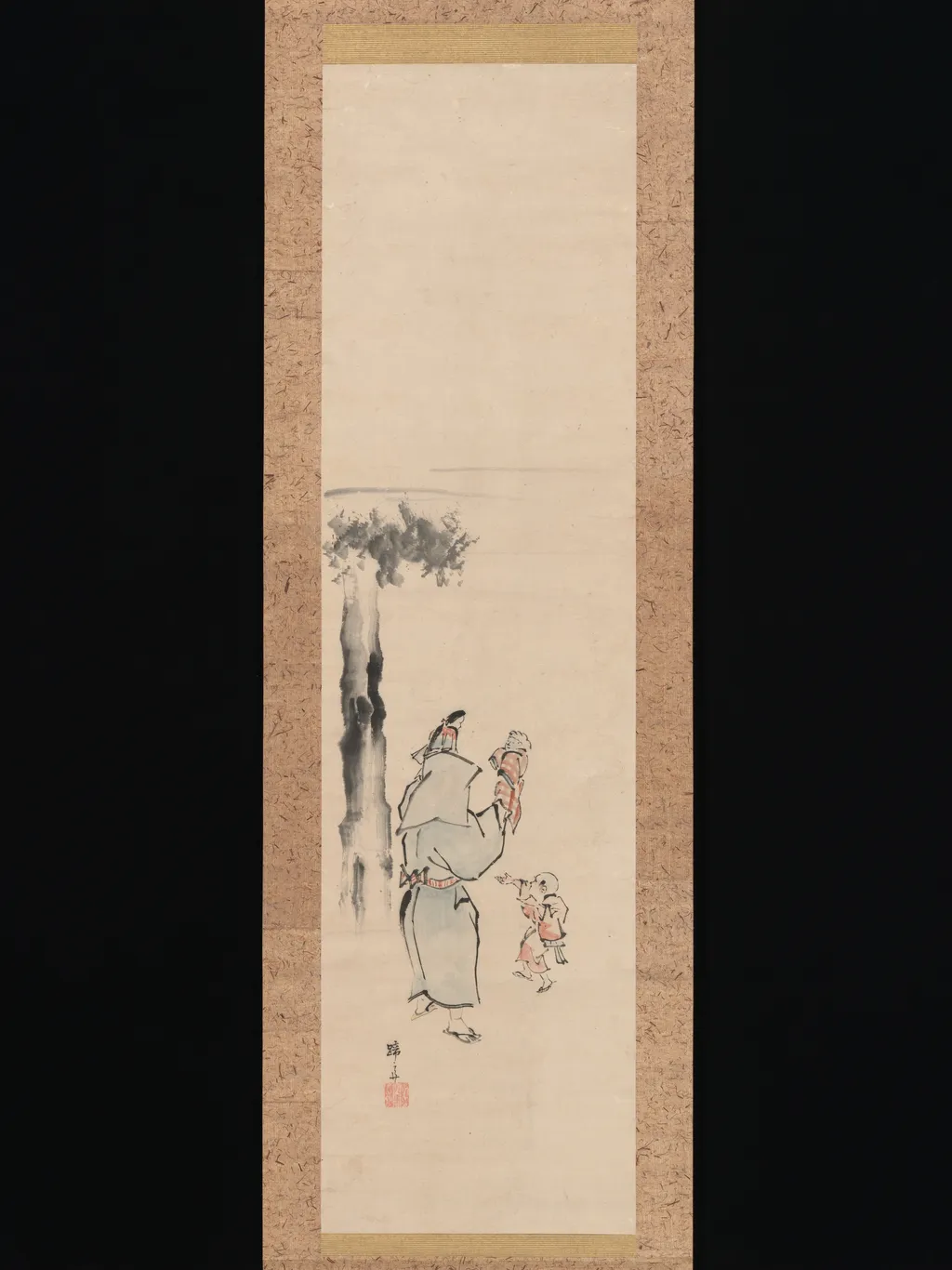
Puppeteer is an unspecified painting by the Ukiyo-e artist Teisai Hokuba. It dates from 1822 and is held in the collection of the Metropolitan Museum of Art.
About this work
Subject & Meaning
The work captures a moment of engagement between the human figure and the inanimate object, reflecting cultural interest in theater and childhood.
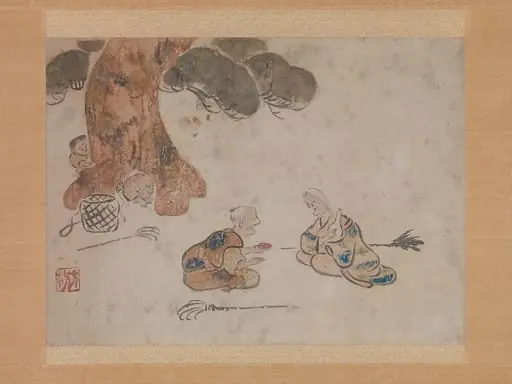
The painting Puppeteer by Teisai Hokuba, created in 1822, depicts a child interacting with a puppet. The subject highlights the relationship between the young performer and the marionette, a theme in Edo-period Japanese art that often explores play, performance, and the blurring of reality and illusion. The work captures a moment of engagement between the human figure and the inanimate object, reflecting cultural interest in theater and childhood.
History & Provenance
The painting Puppeteer was created by Teisai Hokuba in 1822 in Japan. It depicts a child with a puppet and is classified as a painting. The work is held in the collection of the Metropolitan Museum of Art. No further information regarding its commission, earlier owners, or exhibition history is recorded in the sources.
Context
Puppeteer is a painting by Teisai Hokuba, completed in 1822 in Japan, portraying a child holding a puppet. Hokuba was a pupil of Hokusai, and the work belongs to the ukiyo-e tradition. It is held in the collection of the Metropolitan Museum of Art. The depiction of performance reflects Edo-period interest in theatrical imagery and the social role of puppetry.
Overview
This painting, titled Puppeteer, was created by Teisai Hokuba in 1822. It captures a scene featuring a figure manipulating a puppet, observed by a young child, set against a subtle natural backdrop. The artwork is part of the collection at The Metropolitan Museum of Art, offering a glimpse into early 19th-century Japanese visual culture and theatrical traditions.
Technique & Style
Hokuba employed a restrained palette for Puppeteer, utilizing soft tones of light blue and gray, accented by a subtle touch of red on the child's sleeve. The artist's approach is characterized by clear, uncomplicated lines and areas of flat color, particularly for the figures. In contrast, the tall tree trunk exhibits more dynamic, brushy strokes, adding textural variation to the otherwise serene composition. This blend of precise detail and broader application contributes to the painting's quiet yet engaging quality.
Own this work as a print
Artist & collection


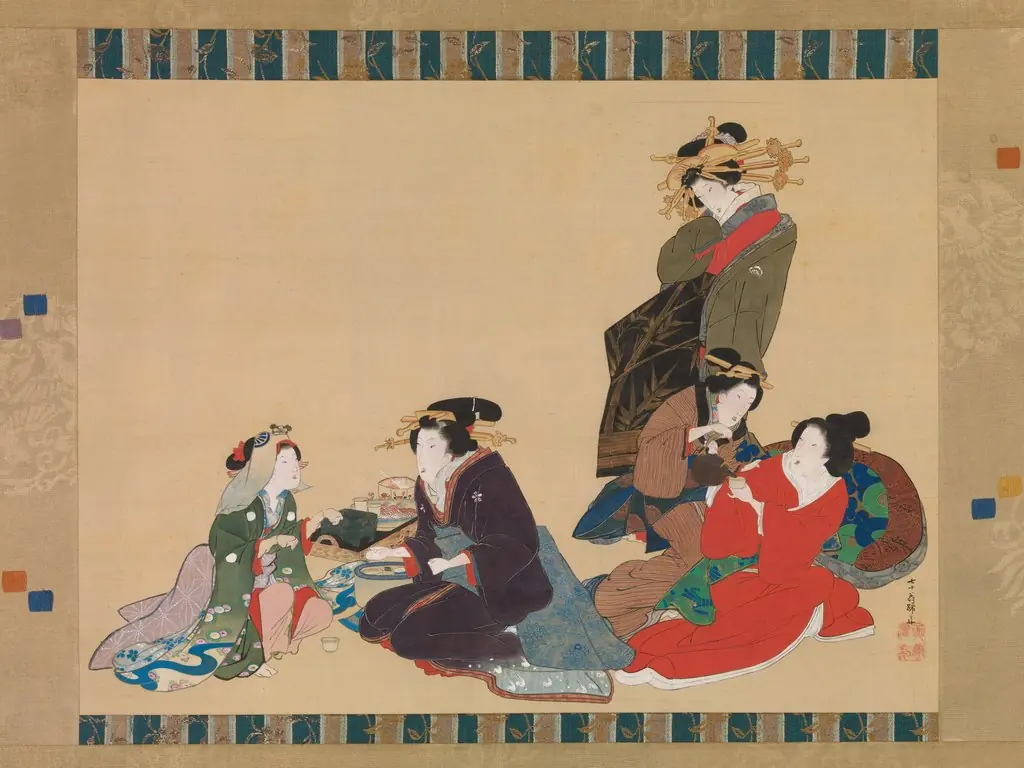
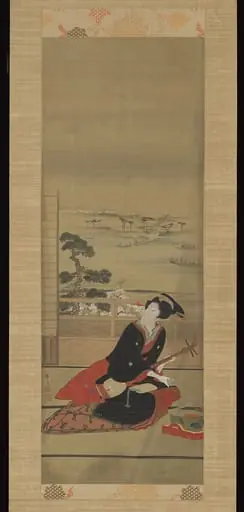
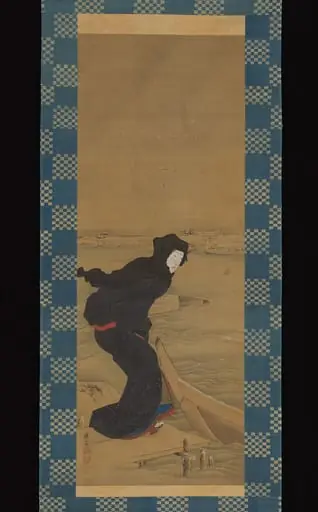
- Untitled
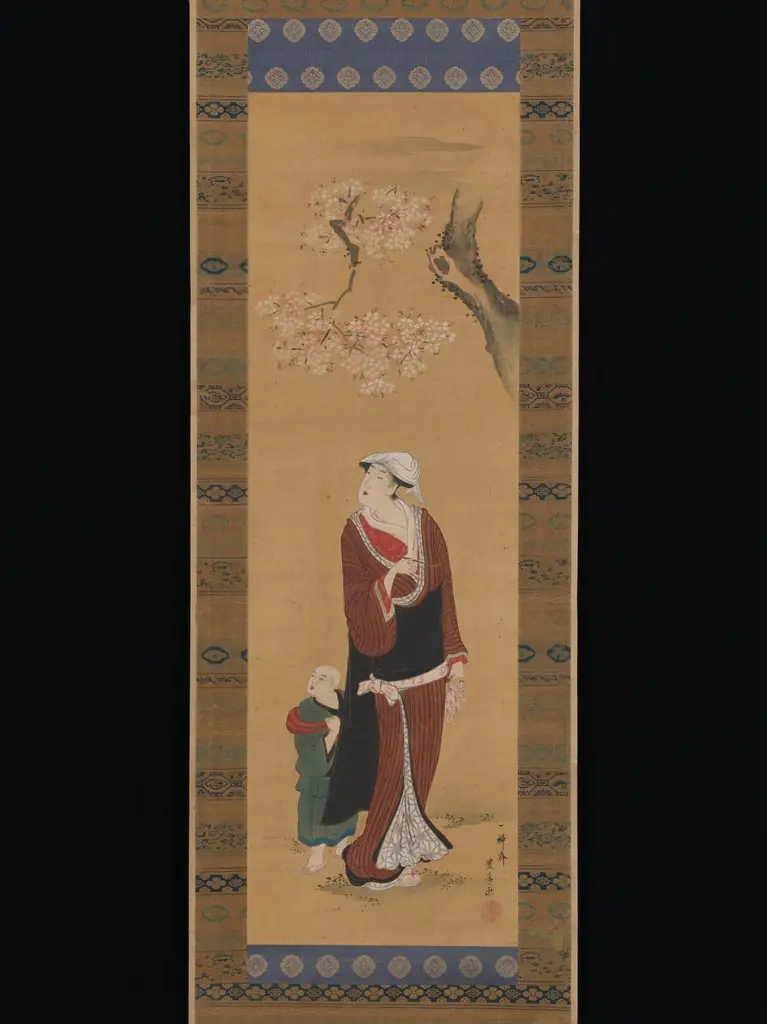 Woman and Child under a Cherry Tree
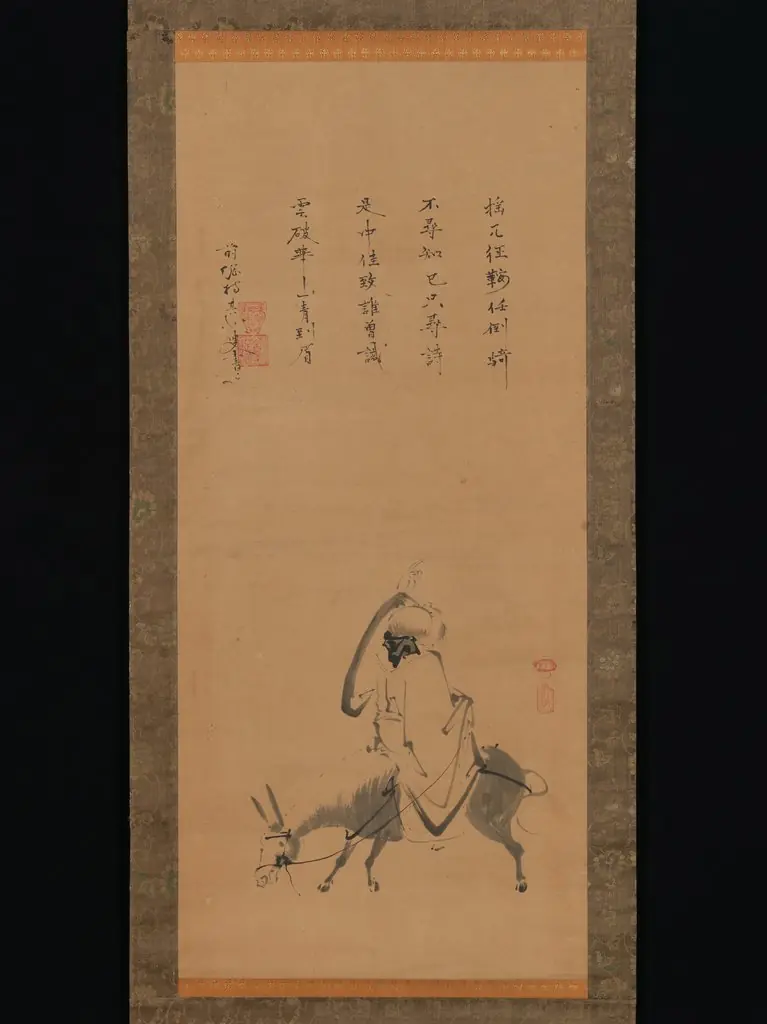 The Chinese Poet Pan Lang on a Donkey
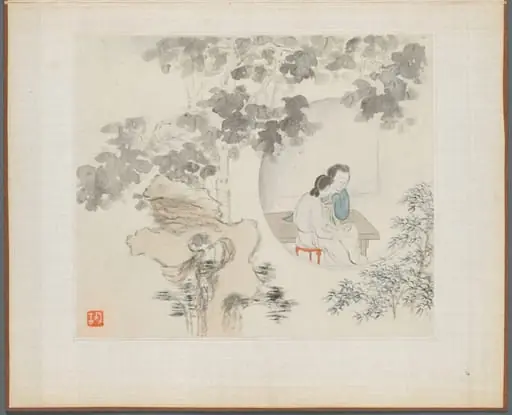 Album of Landscape Paintings Illustrating Old Poems: Two Women with Needlework in a Garden
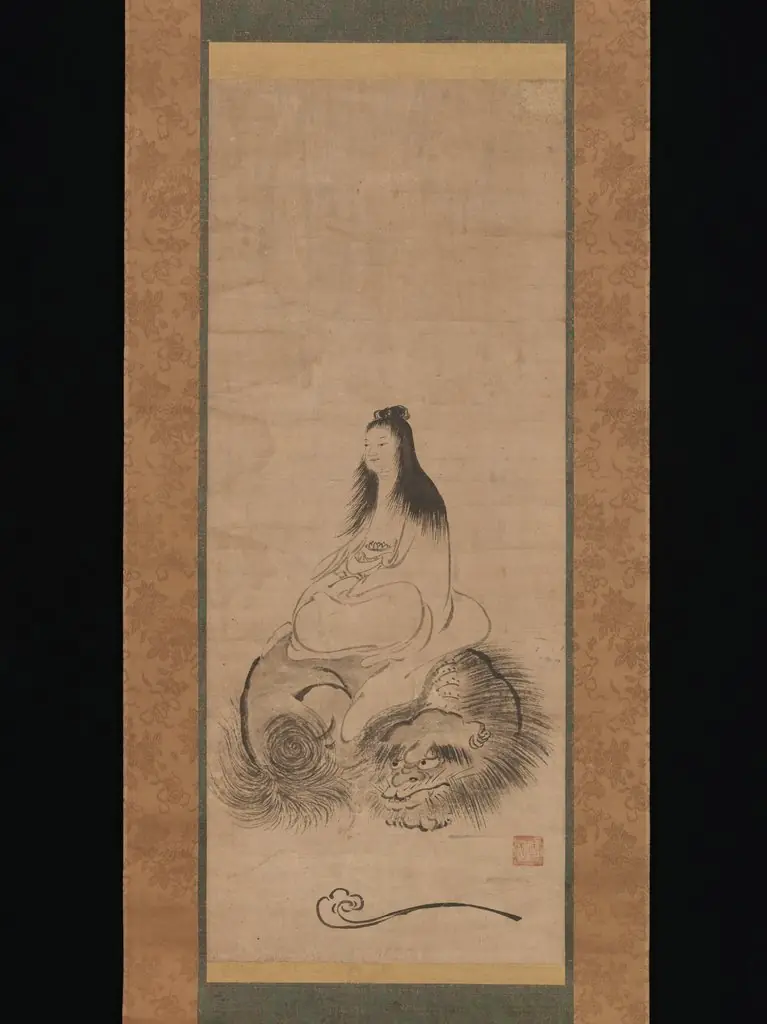 Monju on a Lion
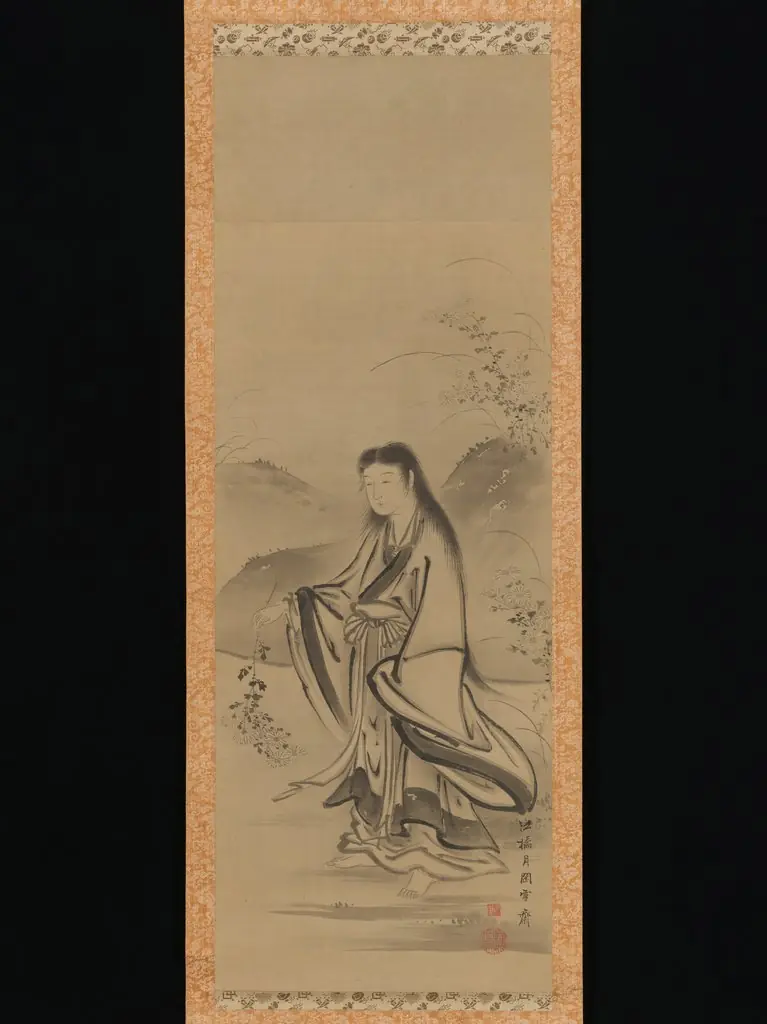 Kiku Jidō (Chrysanthemum Boy)
 Album of Landscape Paintings Illustrating Old Poems: Two Women with Needlework in a Garden
 徳山玉瀾筆 牡丹に竹図|Peony and Bamboo
 Emperor Enyū’s Outing to Funaokayama on the First Day of the Rat in the New Year
 柳下美人図|Courtesan and her Attendants under a Willow Tree
 Untitled
 蘆雁図|Geese and Reeds