Artwork
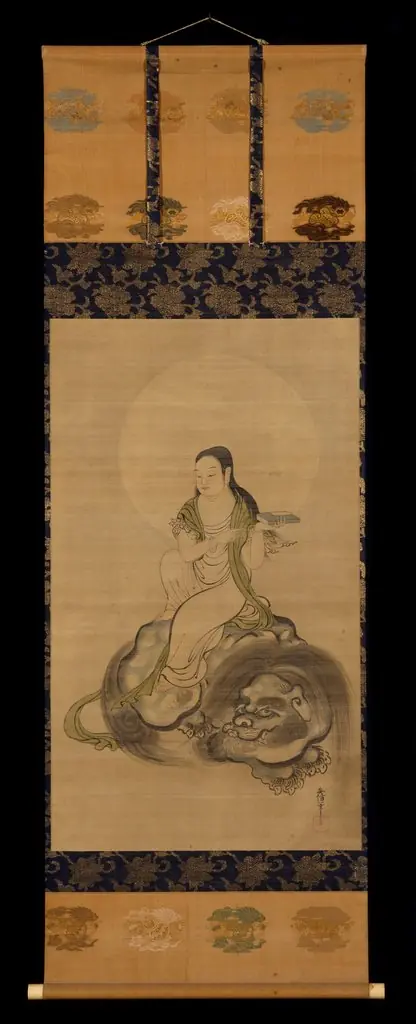
Monju on a Lion
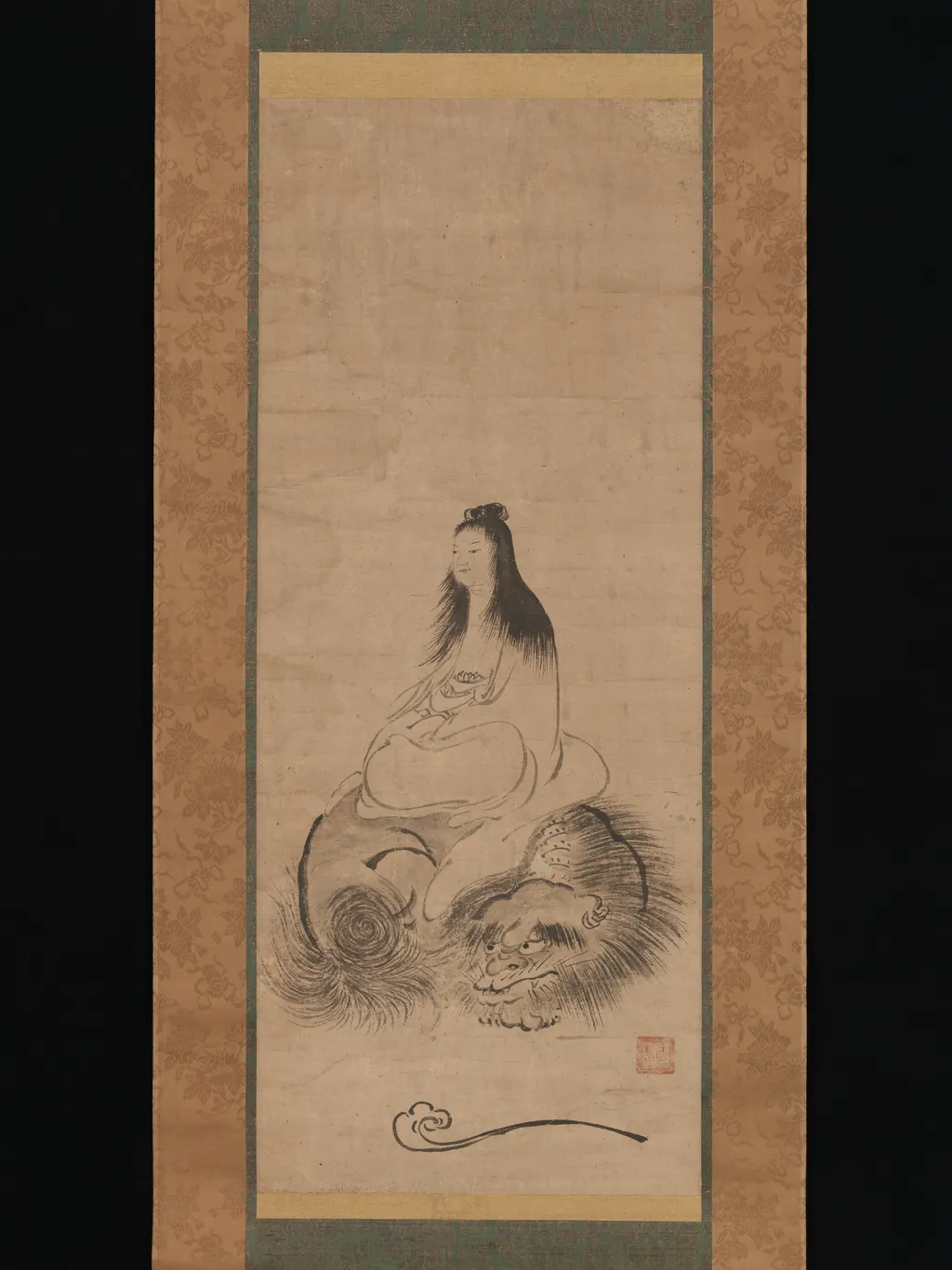
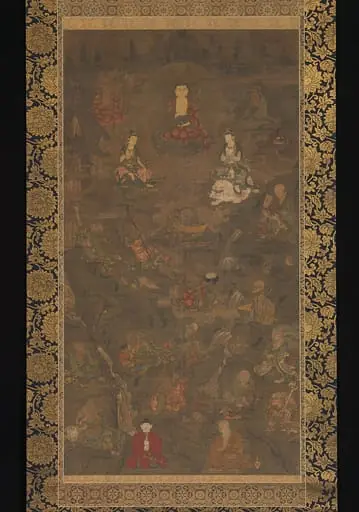
Monju on a Lion is an unspecified painting. It dates from 1492 and is held in the collection of the Metropolitan Museum of Art.
About this work
Subject & Meaning
The work's 1492 date situates it within the Muromachi period, a time when Zen-inflected Buddhist themes were prevalent in Japanese visual culture.
The painting depicts Mañjuśrī (Monju), the bodhisattva of wisdom, seated upon a lion. In Buddhist iconography, the lion symbolizes the triumph of wisdom over ignorance and the roar of the Dharma. Mañjuśrī's presence atop the lion underscores his role as the embodiment of transcendent insight and the subduing of delusion.
The composition reflects traditional East Asian Buddhist art conventions, where the lion serves as a mount for enlightened figures, signifying both spiritual authority and the power of doctrine. The work's 1492 date situates it within the Muromachi period, a time when Zen-inflected Buddhist themes were prevalent in Japanese visual culture.
Technique & Style
Monju on a Lion, dated to 1492 and attributed to the artist Shūsei, is a painting executed on a support typical of Japanese works from that period. The work depicts the Bodhisattva Mañjuśrī riding a lion, rendered in a style consistent with late 15th-century Japanese religious art. Created in Japan, the piece is classified as a painting, indicating the use of pigment and binder on a textile or paper ground, though specific details regarding the medium, handling, or current physical condition are not provided in the available records.
The formal qualities center on the iconographic representation of the lion and the bodhisattva, reflecting the devotional context of the subject matter. The work is currently held in the collection of the Metropolitan Museum of Art, where it remains an example of Japanese painting from the Muromachi period.
History & Provenance
The painting titled Monju on a Lion, depicting the Bodhisattva Mañjuśrī riding a lion, was created in Japan in 1492. While the work is attributed to the artist Shūsei, the specific commission details and the creator's full identity remain formally listed as unknown in some records. The artwork has since entered the collection of the Metropolitan Museum of Art in New York.
The precise circumstances of its initial patronage and the exact chain of ownership prior to its current museum housing are not detailed in the available records, and no specific accession number or exhibition history is provided. The piece remains a significant example of Japanese religious painting from the late 15th century.
Context
The painting titled Monju on a Lion, dated 1492, portrays the Bodhisattva Mañjuśrī seated on a lion, a subject documented in the Metropolitan Museum of Art's records. Scholarly attribution assigns the work to the Japanese artist Shūsei, reflecting early efforts to link specific painters with Buddhist narrative scenes. Created in Japan during the Muromachi period, the work exemplifies the era's tradition of devotional Buddhist painting.
Its inclusion in the museum's collection underscores its significance as an example of late fifteenth-century Japanese religious art.
Overview
This painting, titled Monju on a Lion, presents a central figure seated upon a dynamically rendered lion. The artwork's composition and stylistic elements reflect established traditions within Buddhist iconography. This visual representation serves to convey spiritual concepts through its symbolic imagery, characteristic of devotional art forms, inviting contemplation on its deeper cultural and religious significance.
Artist & collection

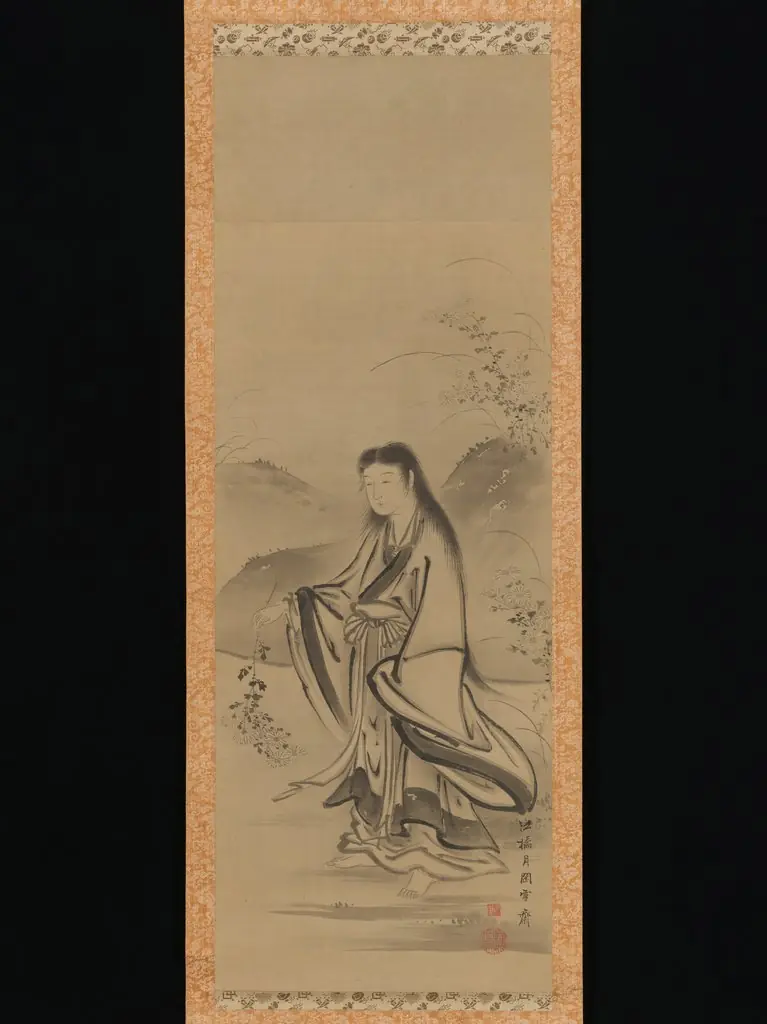 Kiku Jidō (Chrysanthemum Boy)
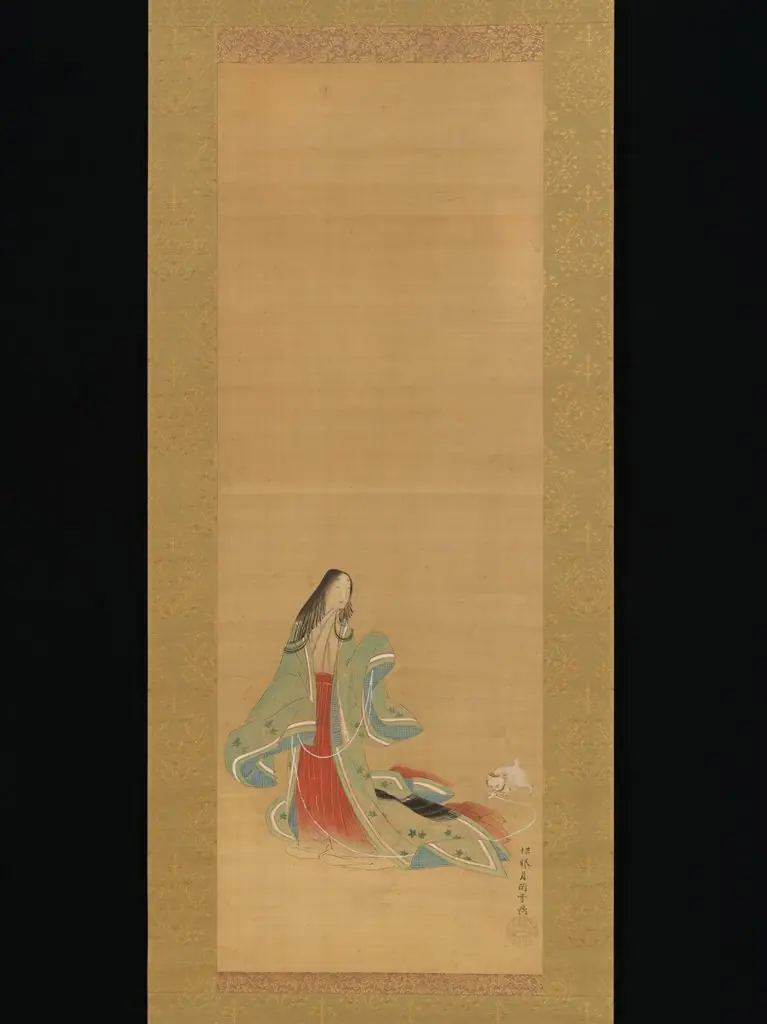 The Third Princess with her Cat, from the "New Herbs I" (Wakana I) chapter The Tale of Genji (Genji monogatari}
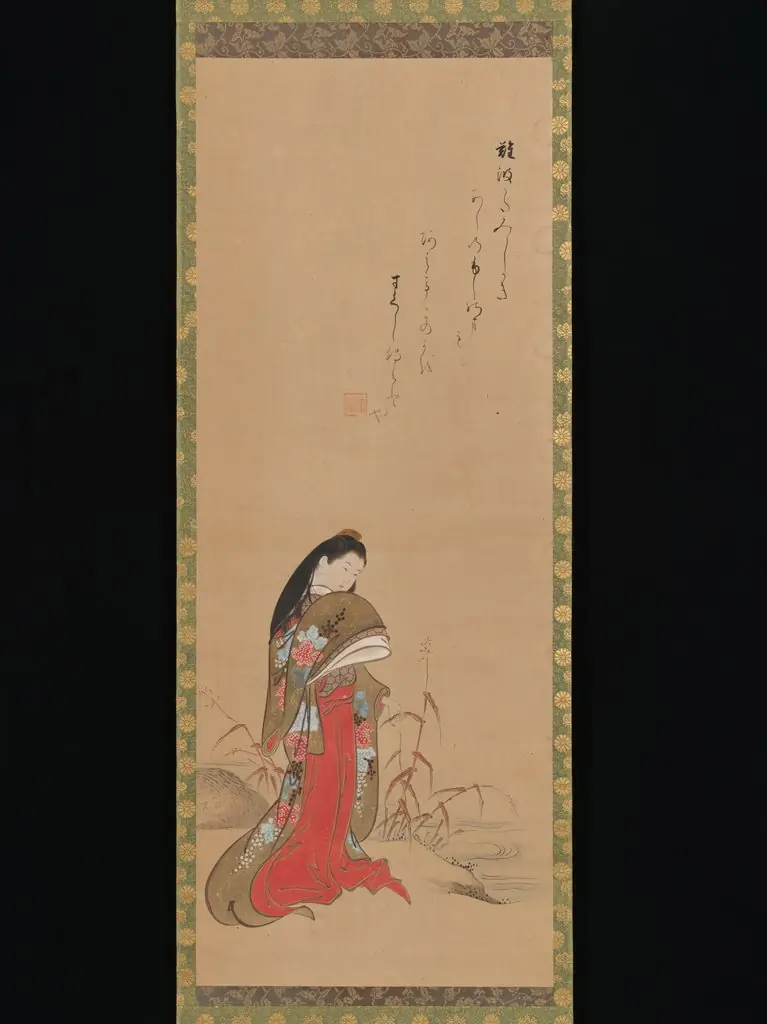 Lady Ise by the Riverbank
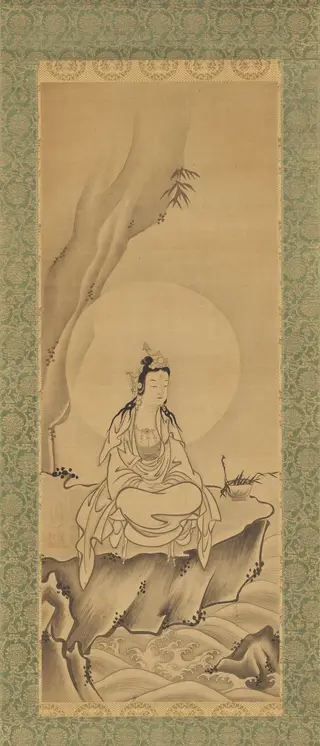 Kannon Bosatsu (Princess Teruko)
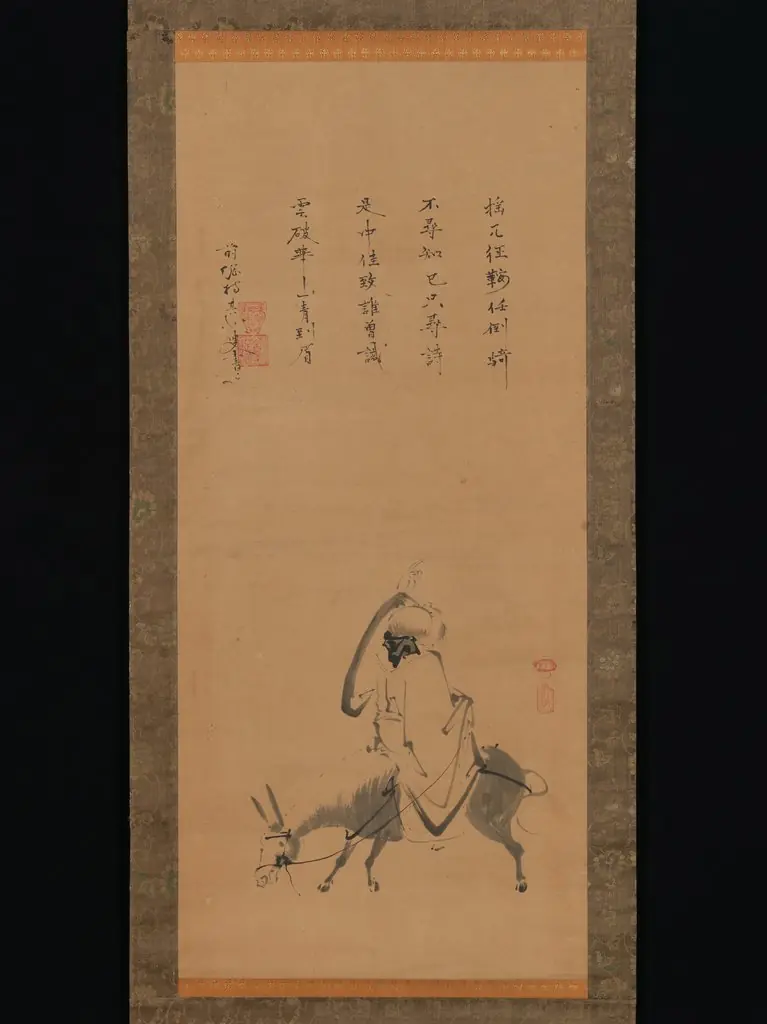 The Chinese Poet Pan Lang on a Donkey
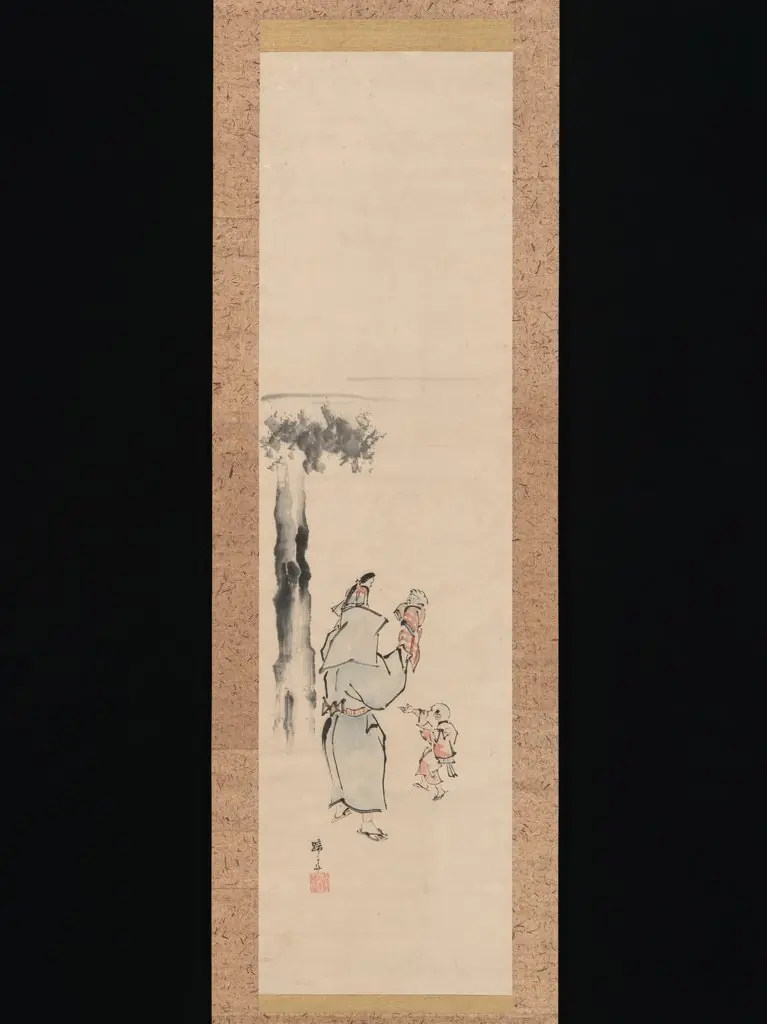 Puppeteer
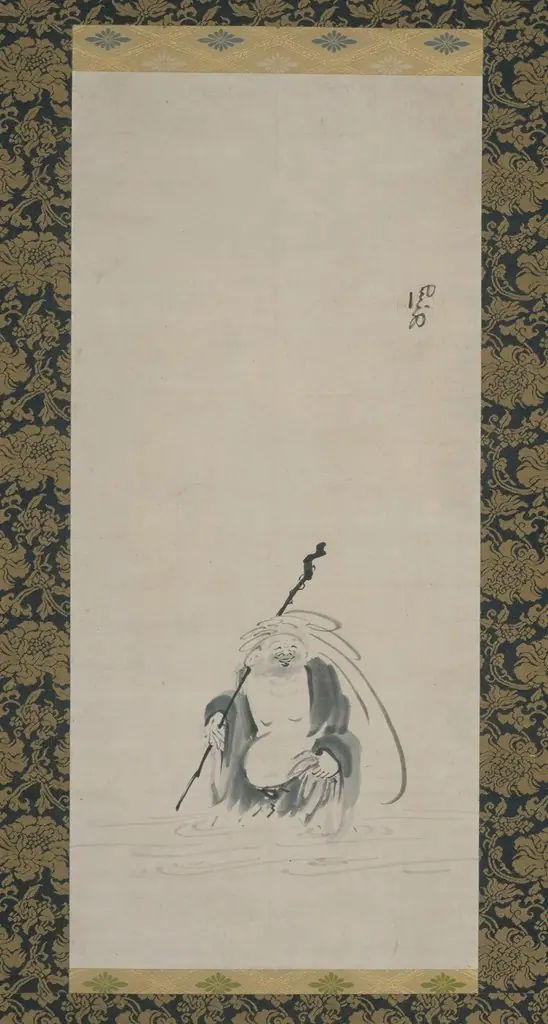 Hotei Crossing a Stream
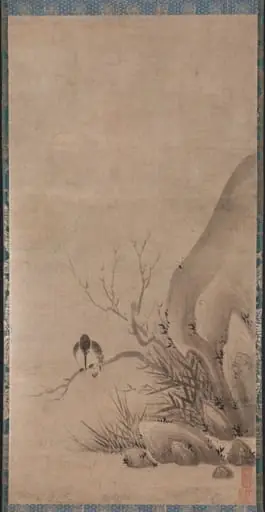 Kingfisher Perched above a Stream
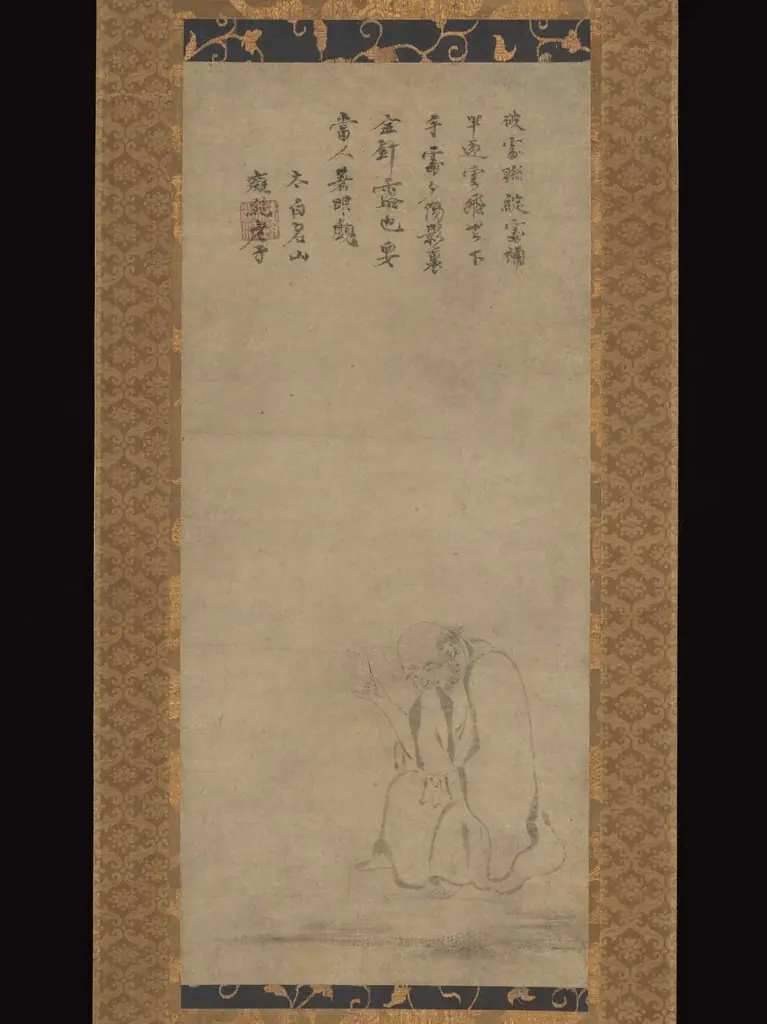 Mending clothes by daylight
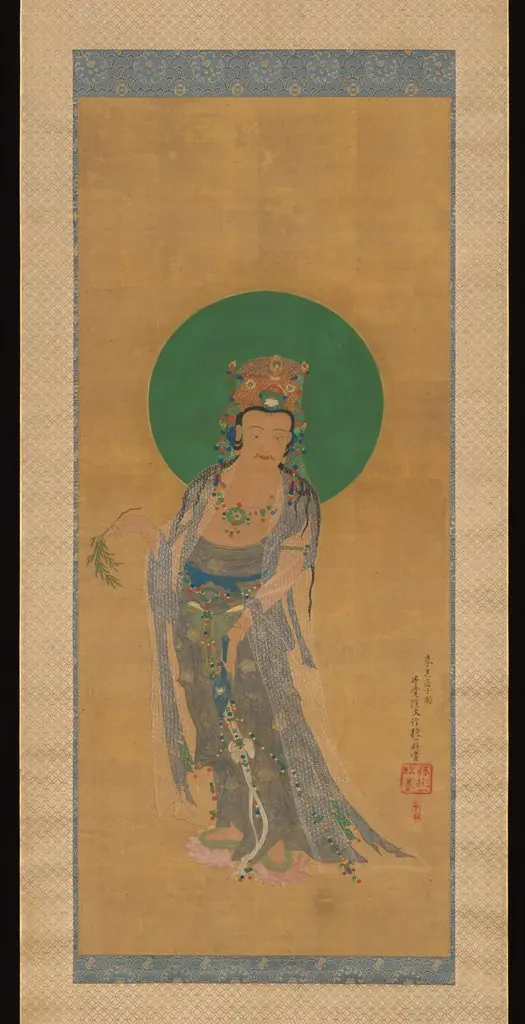 Willow Kannon
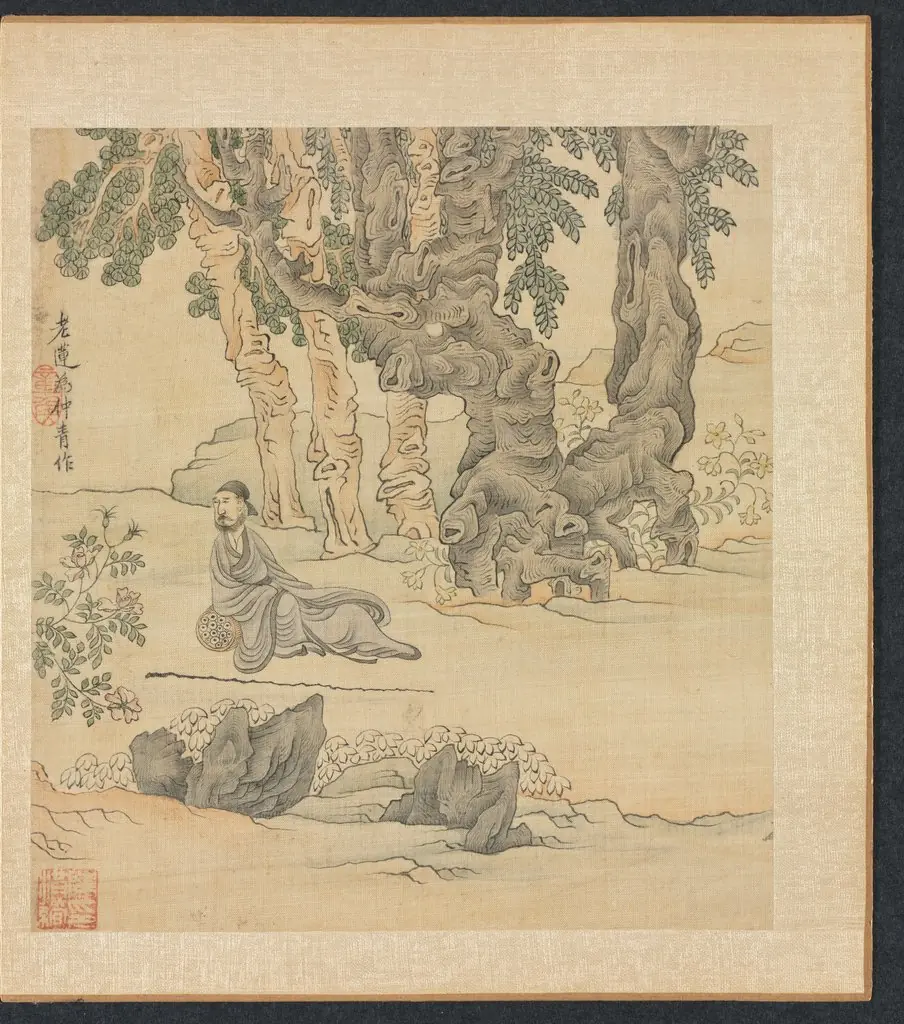 Paintings after Ancient Masters: Portrait of Zhongqing in a Landscape
- Monju Bosatsu