Artwork
Holy Trinity
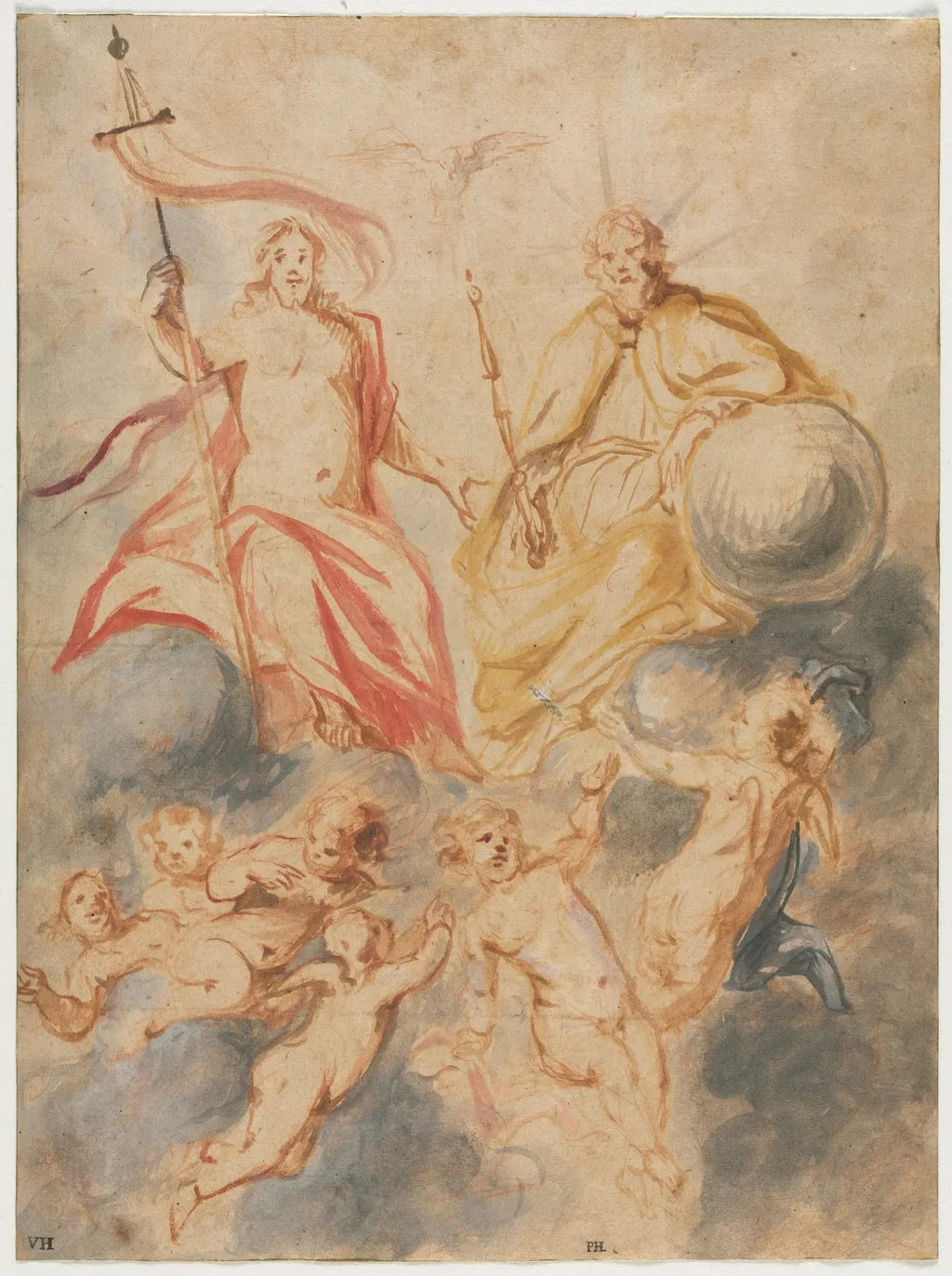
Holy Trinity is a drawing by the Baroque artist Theodoor van Thulden. It dates from 1647 and is held in the collection of the Cleveland Museum of Art.
- Accession no.
- 1961.169
- Credit line
- Purchase from the J. H. Wade Fund
About this work
Overview
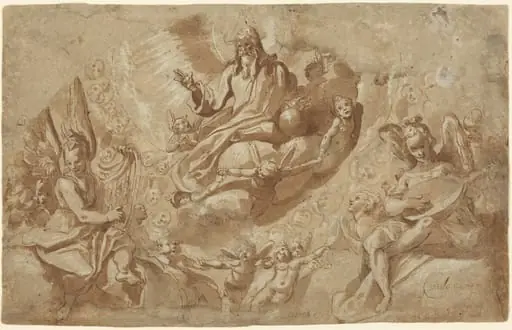
Holy Trinity is a drawing by Flemish artist Theodoor van Thulden, created circa 1647. Characterized by soft yellows, blues, and strategic use of chiaroscuro, the work depicts celestial figures in a heavenly setting.
Subject & Meaning
The drawing represents the Holy Trinity, with two dominant figures (likely God the Father and Jesus Christ) distinguished by a globe and a staff with red cloth, respectively. Surrounding cherubs amplify the divine theme.
Technique & Style
Van Thulden employed chiaroscuro to create a glowing effect on the figures' faces and attire, contrasting them against softer, gray-blue cloud backgrounds. The composition balances strength and serenity.
History & Provenance
Created around 1647 by Theodoor van Thulden, the drawing is now part of the Cleveland Museum of Art's collection. Van Thulden's diverse career spanned Antwerp, Paris, and 's-Hertogenbosch.
Context
Reflecting Baroque influences prevalent during Van Thulden's time, Holy Trinity combines religious subject matter with expressive lighting, typical of Flemish artistic traditions of the 17th century.
Legacy
As part of Van Thulden's oeuvre, Holy Trinity contributes to the understanding of 17th-century Flemish art's thematic and technical evolution, particularly in religious and celestial representations.
Own this work as a print
Artist & collection
Artist
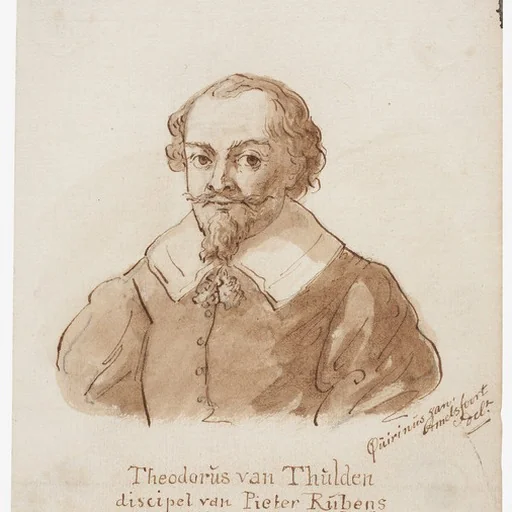
Theodoor van Thulden (9 August 1606 – 12 July 1669) was a Flemish painter, draughtsman and engraver born in 's-Hertogenbosch in the duchy of Brabant.

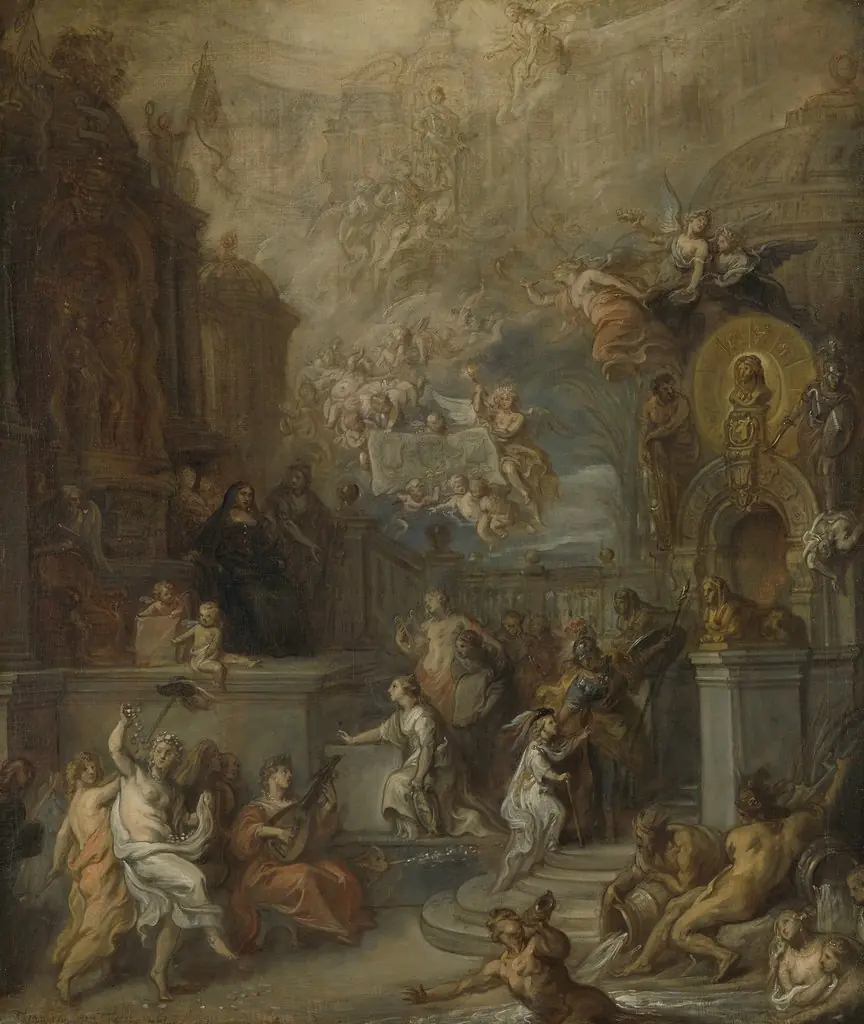 Allegory of William III's leavetaking from Alamia van Solms after the transferral of the regency to the statesgeneral
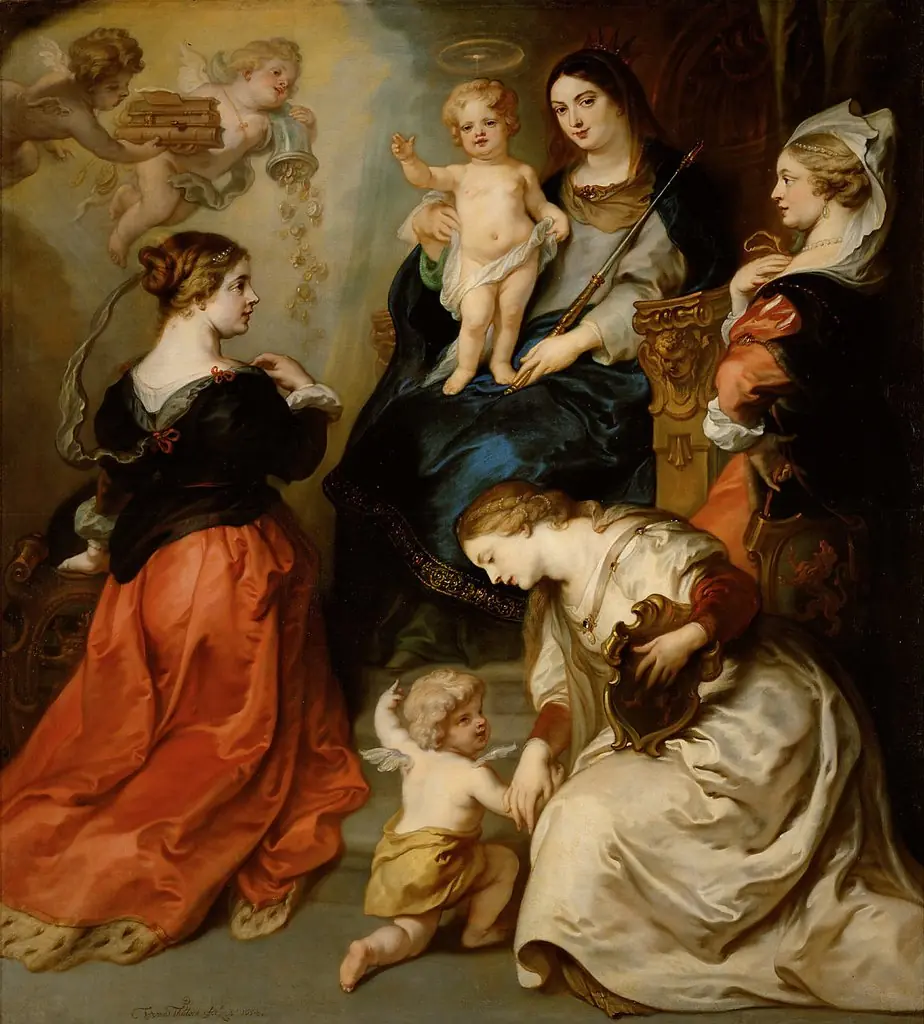 The provinces of Brabant, Hainaut and Flanders pay homage to the Virgin
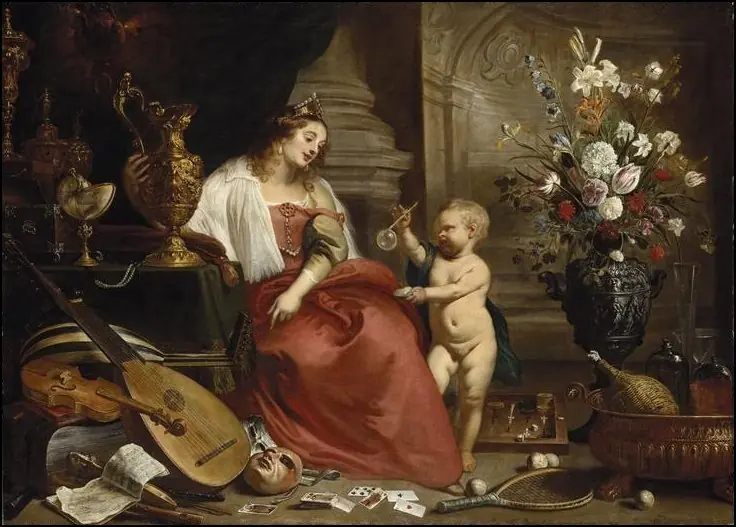 Allegory of Vanity
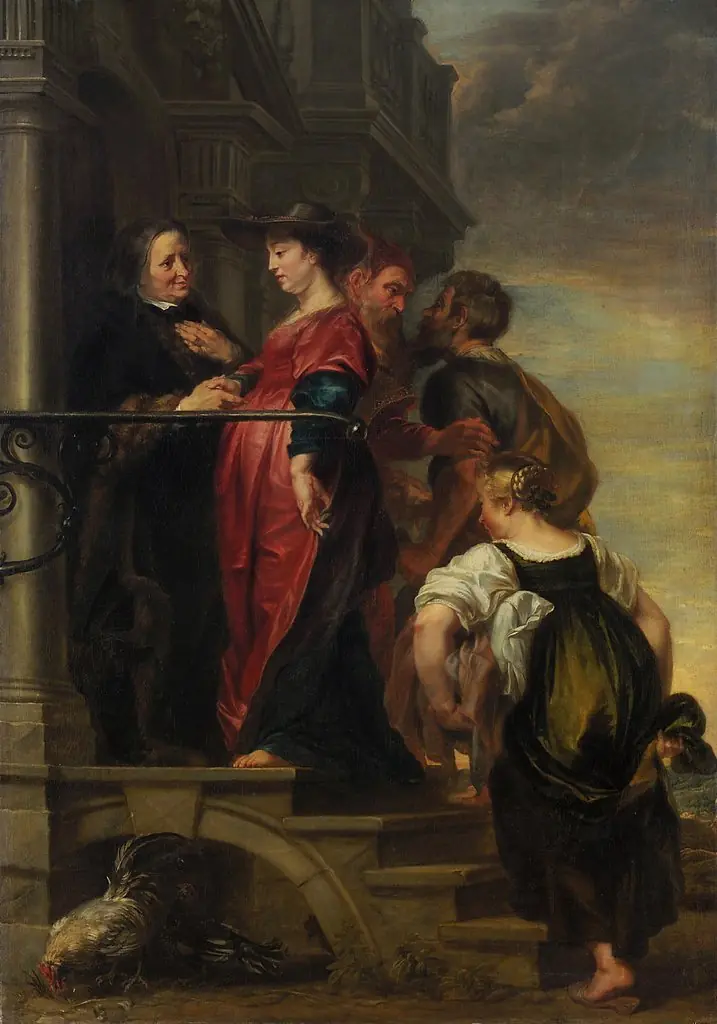 The Visitation
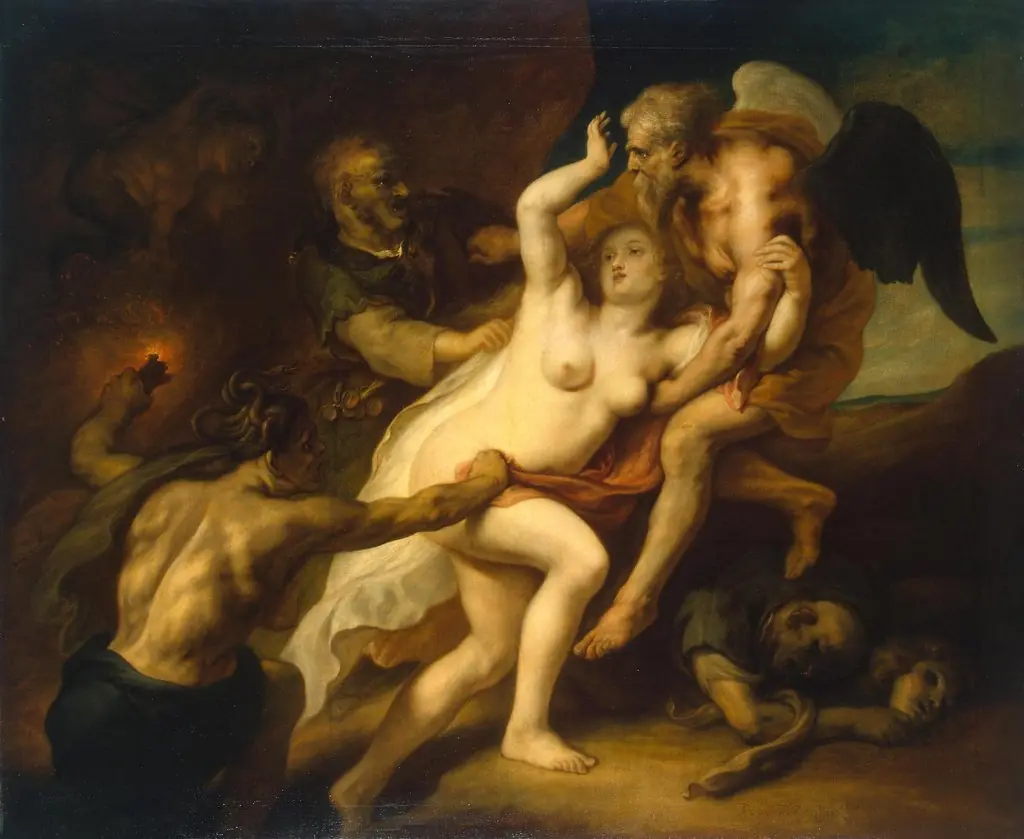 Time Reveals the Truth. The Allegory
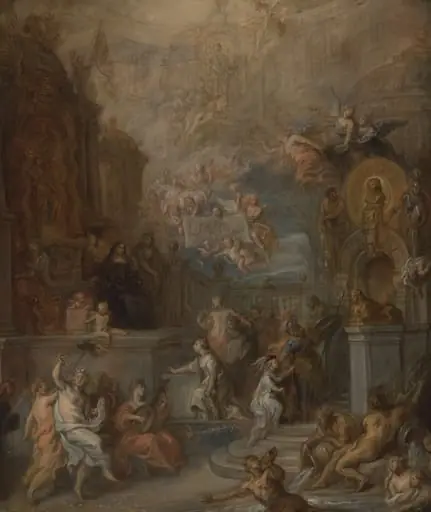 Allegory of the Farewell of William III from Amalia van Solms following the transfer of Regency to the States General
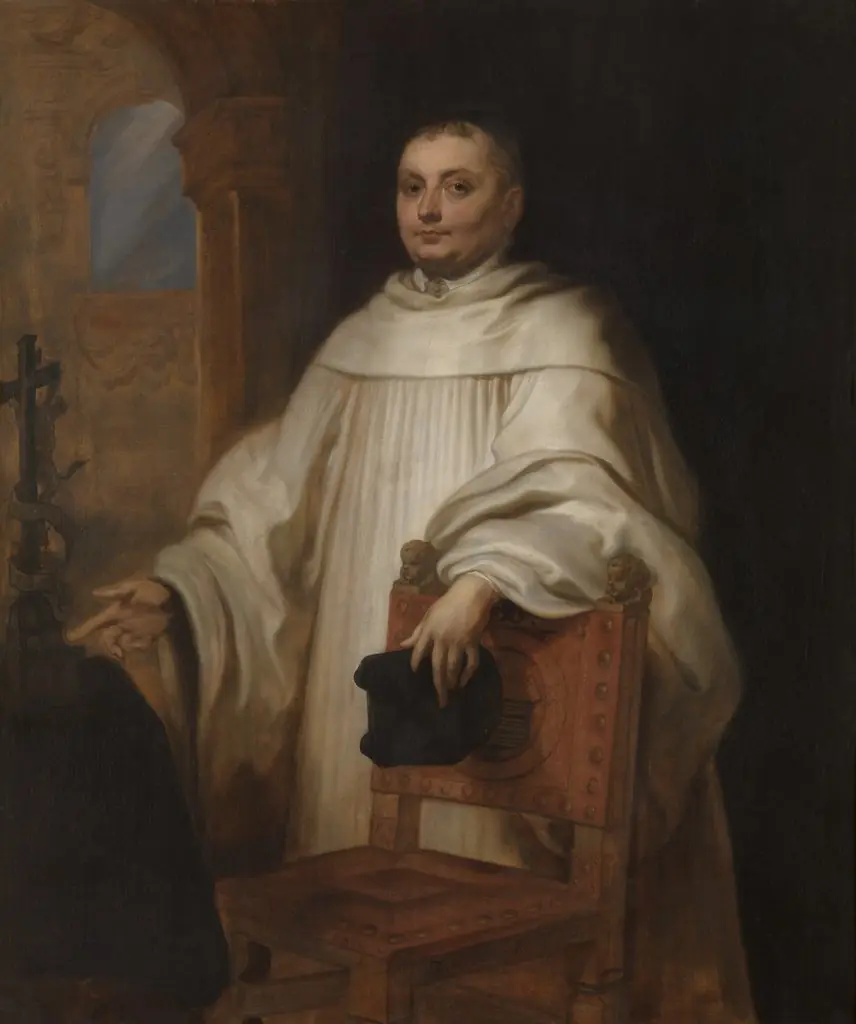 Benedictus van Thulden, prieur de l'abbé de Saint-Bernard
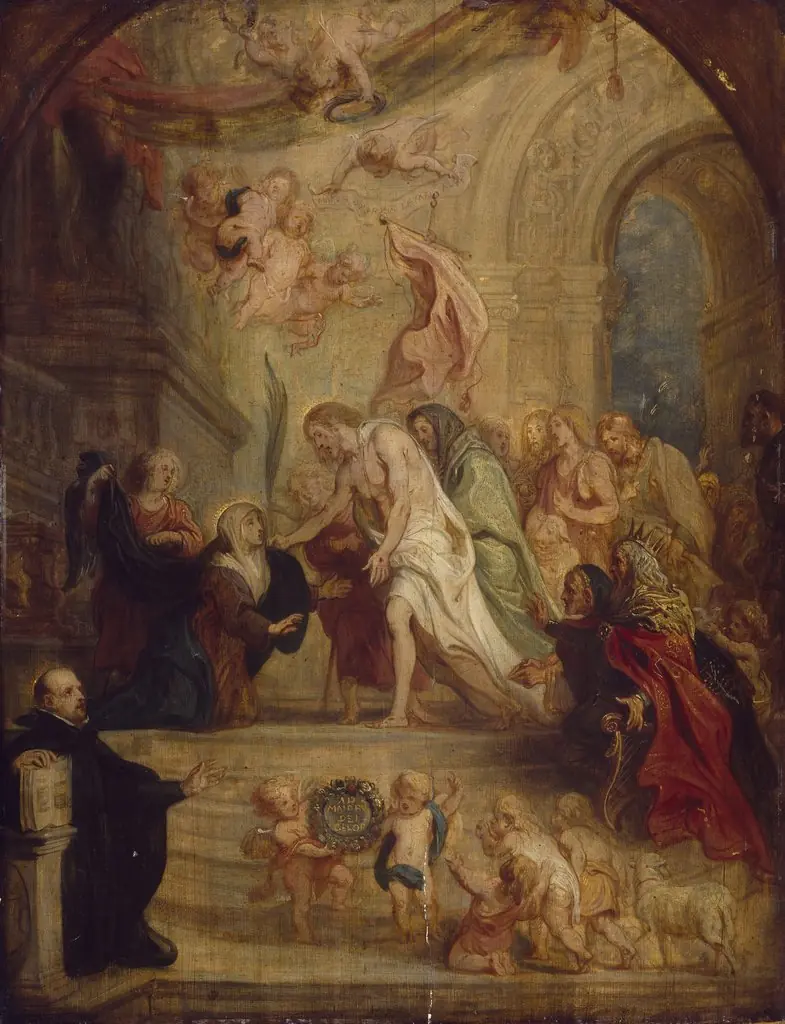 The Resurrected Christ Appearing to his Mother
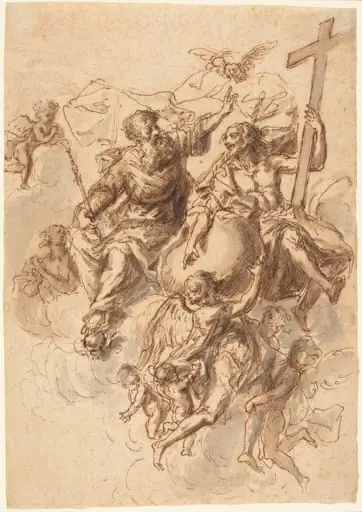
- The Trinity Surrounded by Angels
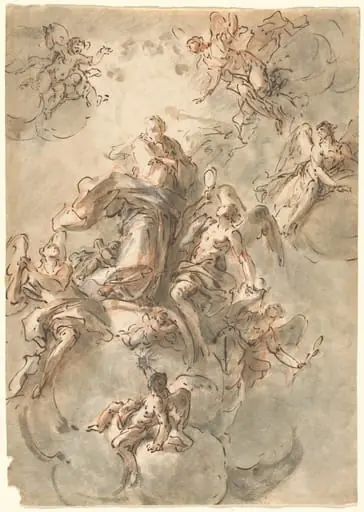 Virgin of the Immaculate Conception
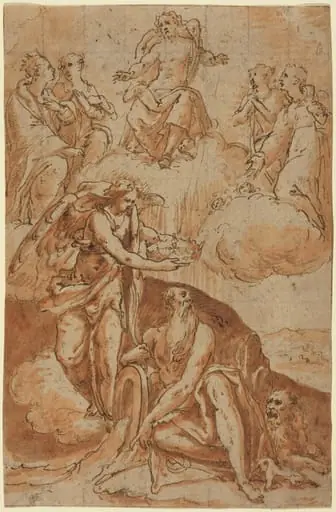 Saint Jerome (?)
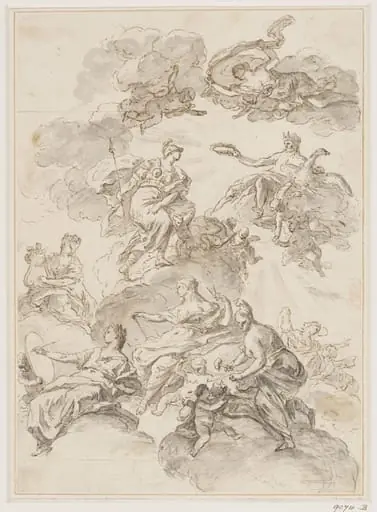 Minerva commending the arts of sculpture, architecture, painting and music to Jupiter
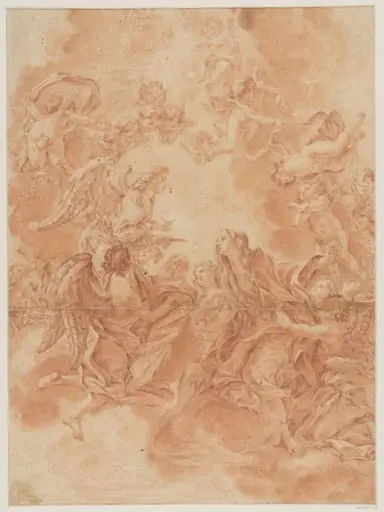 The Communion of St Mary Magdalene
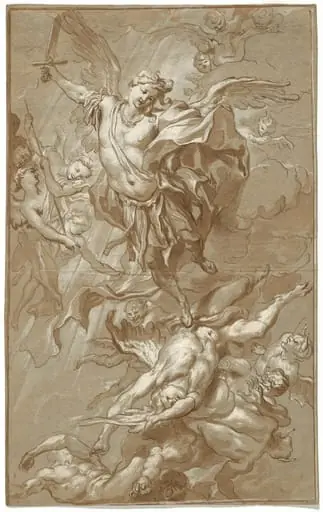 Saint Michael and the Rebel Angels
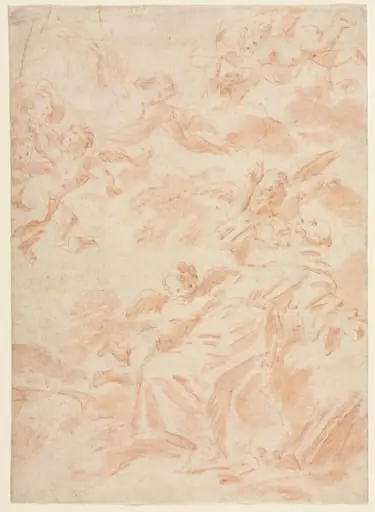 The Stigmatization of Saint Francis
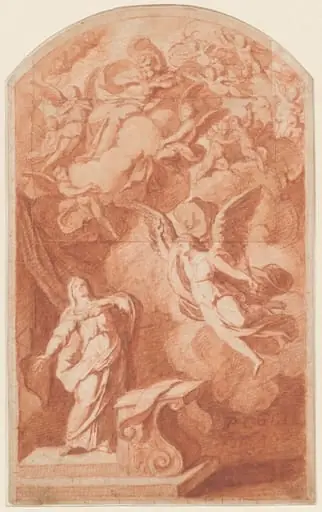 The Annunciation
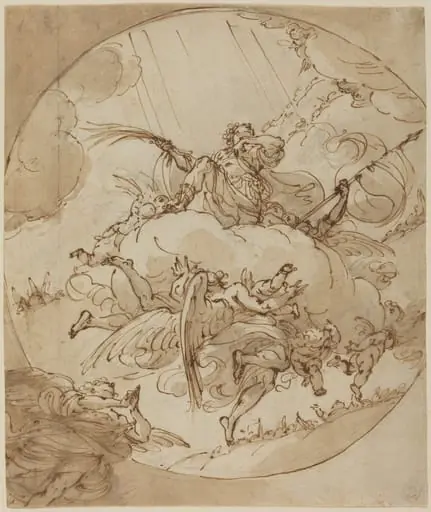 The Apotheosis of San Vitale
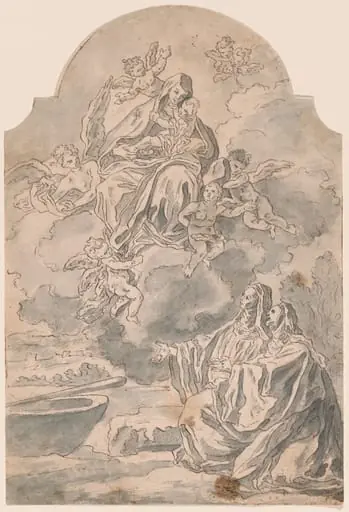 The Virgin and Child Appearing to Two Female Monastics
 Madonna and Child in Glory with Saints John the Baptist, Stephen, and Lawrence
 God the Father and Angels on Clouds