Subject
God the Father
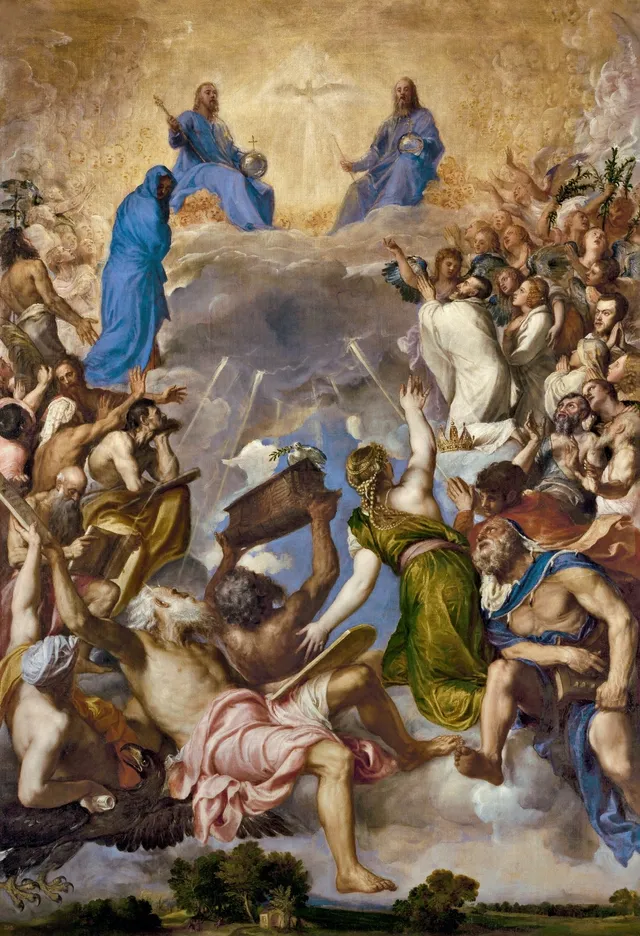
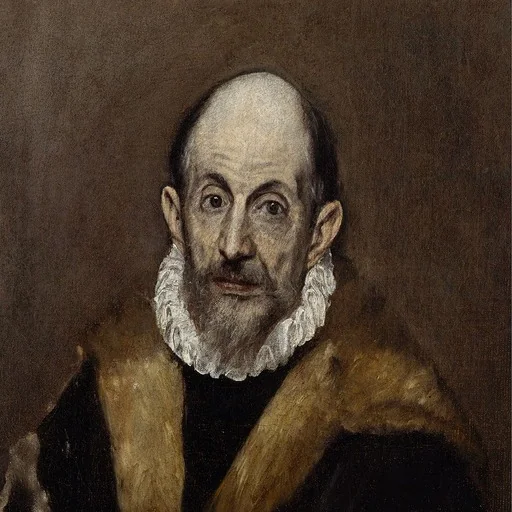
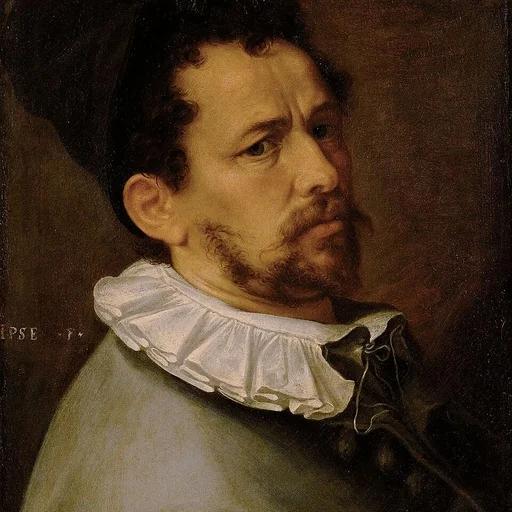
God the Father is a subject in art. The gallery holds 26 works in this subject in art, including works by Titian, Raphael and El Greco.
God the Father is a title given to God in Christianity. In mainstream trinitarian Christianity, God the Father is regarded as the First Person of the Trinity, followed by the Second Person, Jesus Christ the Son, and the Third Person, the Holy Spirit.
Key artists
Overview
God the Father is a central title and pictorial subject in Christianity, denoting the First Person of the Trinity, followed by the Son and the Holy Spirit. In mainstream trinitarian theology, this figure represents the creator of the universe and the divine father of Jesus Christ, a concept formalized in Christian creeds since the second century. The motif recurs persistently in Western art because it anchors core doctrinal claims about creation, salvation, and the intimate relationship between divinity and humanity. While early Christianity inherited Jewish reluctance to depict the divine, the figure eventually became one of the most frequently represented subjects in European religious painting and sculpture, appearing in everything from intimate devotional panels to vast ceiling frescoes.
Iconography & meaning
The iconography of God the Father evolved considerably over time. For roughly the first millennium of Christian art, artists avoided direct depiction of the Father in obedience to biblical passages such as Exodus 33:20 and John 1:18, which state that no one can see God and live. Instead, the Hand of God emerging from a cloud served as a conventional substitute, a motif borrowed from Jewish art and visible in the mid-third-century Dura Europos synagogue. When full figural representation eventually emerged, God the Father was typically shown as an elderly, bearded man, often enthroned in glory, surrounded by angels and cherubs, and sometimes holding a globe or scepter to signify omnipotence. Attributes of light and radiance were common, reflecting theological emphasis on divine transcendence. The figure could also appear in Trinitarian compositions, where careful distinction from the Son was required to avoid heretical implication. In some contexts, artists depicted the Father and Son as near-identical figures, though this approach attracted increasing ecclesiastical disapproval. The French Wikipedia notes that representations drew inspiration from both Old and New Testament texts, appearing variously as pure light or as an aged man with a white beard.
In the collection
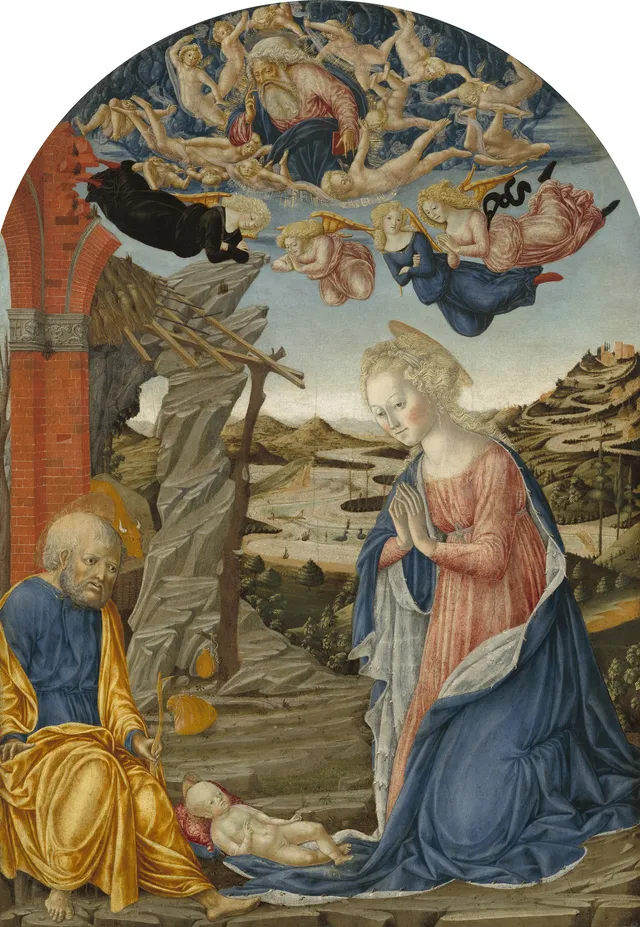
Within this collection, God the Father appears in 29 works, indicating the motif's substantial presence across varied artistic treatments. The subject manifests in diverse narrative and devotional contexts, including La Gloria, The Nativity, The Coronation of the Virgin, The Execution of Saint John the Baptist, The Annunciation, The Trinity, The Trinity Adored by All Saints, Coronation of the Virgin, a standalone depiction titled God the Father, and Visitation. This range demonstrates how the figure operates both as a central devotional focus and as a supporting presence within larger sacred narratives. The collection includes ceiling paintings, such as Antoine Coypel's Almighty God the Father from the Chapel of the Palace of Versailles, where the figure appears in glory surrounded by cherubs and angels. Other works place God the Father in narrative contexts, such as above the Annunciation scene or presiding over the Coronation of the Virgin, reflecting the theological integration of the Father into salvation history.
Across movements & periods
The treatment of God the Father shifted markedly across historical periods. In early Christian and Byzantine art, the Hand of God predominated, and even when figural representation began, it remained cautious. The Second Council of Nicaea in 787 restored the veneration of icons generally, yet direct depictions of the Father remained rare. The Romanesque period saw continued use of the Hand of God motif, while the Gothic and Renaissance eras witnessed increasingly free and monumental representations. By the Renaissance, artists employed the full human figure of God the Father with confidence, integrating it into complex altarpieces and ceiling programs. The Russian Orthodox Church formally prohibited depictions of the Father in 1667轮回, after which the motif virtually disappeared from Russian art. Protestant reformers generally disapproved of depicting God the Father, though this prohibition varied in strictness across denominations and regions. The Cretan School and icons from border regions between Catholic and Orthodox spheres sometimes showed the Father under Western influence, but this remained exceptional in Orthodox contexts.
Notable depictions
Several specific works exemplify the artistic treatment of God the Father. Antoine Coypel's Almighty God the Father, a detail from the ceiling of the Chapel of the Palace of Versailles, presents the figure in glory surrounded by cherubs and angels, typifying the Baroque grand manner. Peter Paul Rubens's Annunciation compositions show God the Father seated high above the scene, his arm resting in a gesture of divine oversight. The Dogmatic Sarcophagus in the Vatican preserves an rare early Trinitarian iconography with three near-identical figures. Enguerrand Quarton's Coronation of the Virgin contract specified representing the Father and Son as identical figures, an approach that attracted theological scrutiny. The apse mosaic of Santa Pudenziana in Rome (circa 390-420) may contain one of the earliest enthroned representations of the Father, though scholarly debate continues about whether the central figure represents Christ or the Father. Francisco Bayeu y Subias, a Spanish painter known for religious works, also treated subjects that incorporated God the Father into larger narrative schemes.
Legacy
The depiction of God the Father left a complex legacy in Western visual culture. The gradual acceptance of figural representation transformed how believers encountered the divine, moving from aniconic reverence to increasingly intimate anthropomorphic visualization. This development carried risks: the potential for heretical confusion between Father and Son required careful theological policing of artistic practice, while Protestant iconoclasm periodically suppressed such images entirely. In modern contexts, the figure has extended beyond traditional ecclesiastical art into cinema and advertising, as noted in French sources, though often in secularized or generic form. The tension between representing the transcendent and the accessible, between doctrinal precision and devotional need, continues to animate discussions of how God the Father should appear. Meanwhile, non-trinitarian Christian movements, including Unitarians, Jehovah's Witnesses, and Mormons, reject the doctrinal framework that makes God the Father a distinct person of the Trinity, instead using the term as an alternative designation for the single deity or as the heavenly Father of all humanity.
Works
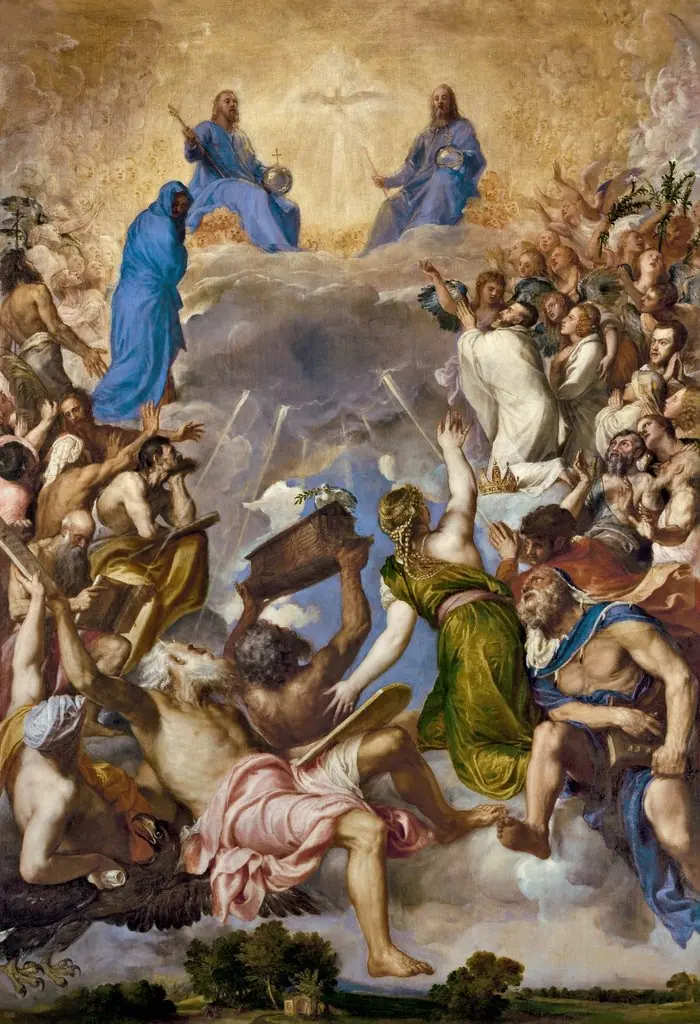 La Gloria
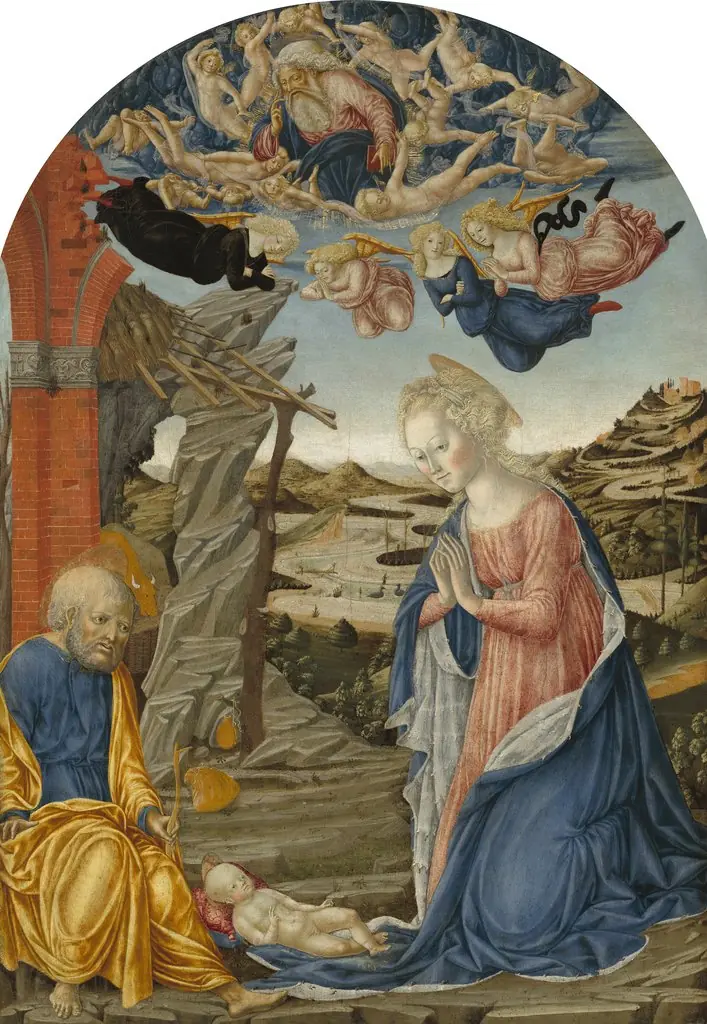 The Nativity
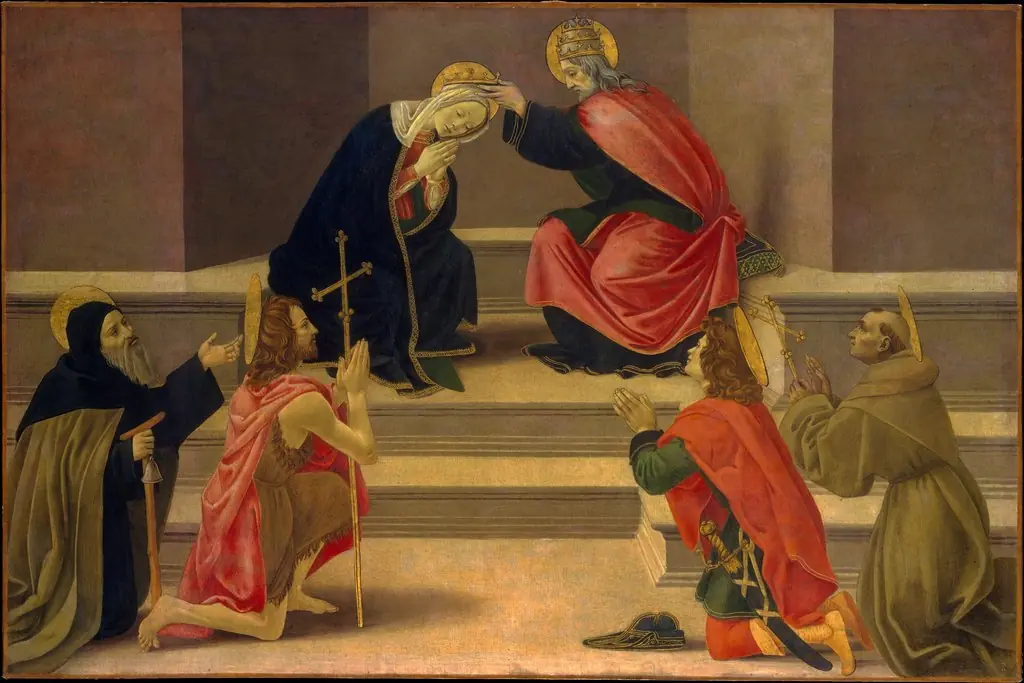 The Coronation of the Virgin
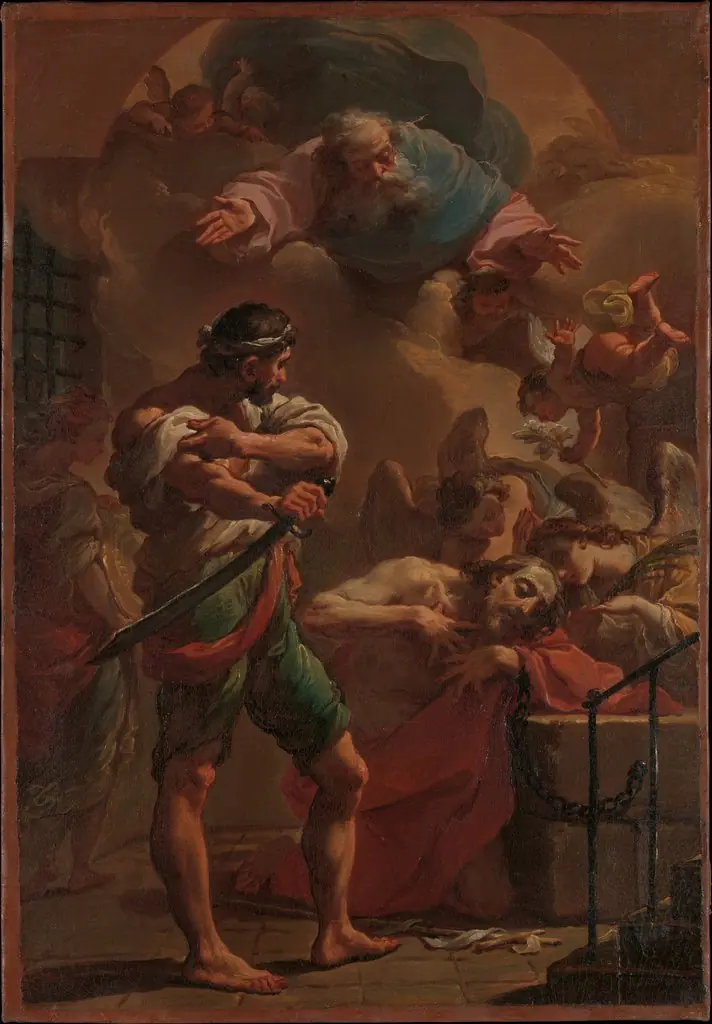 The Execution of Saint John the Baptist
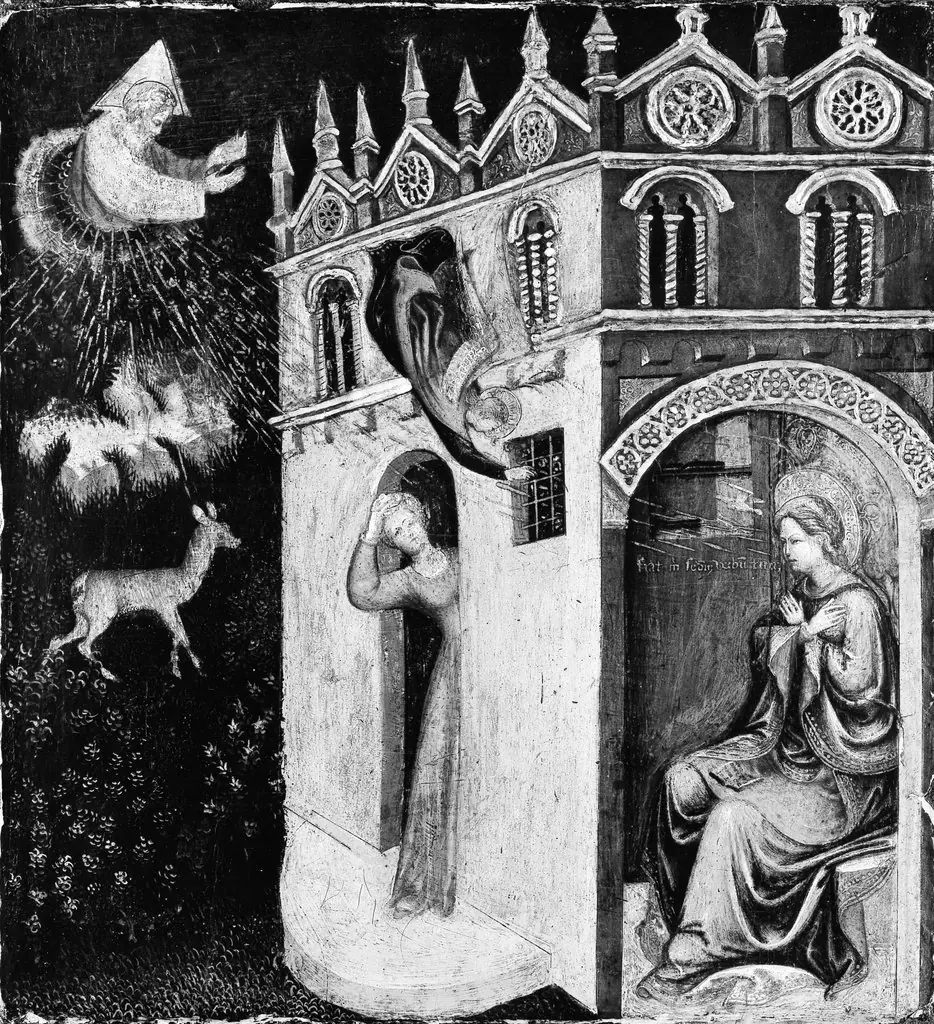 The Annunciation
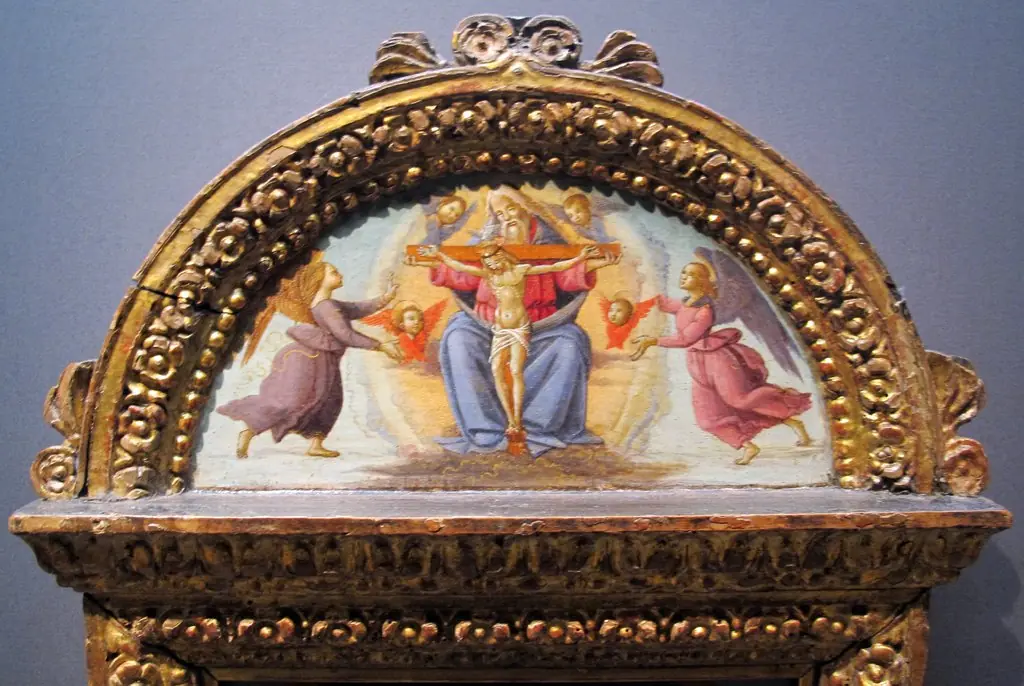 The Trinity
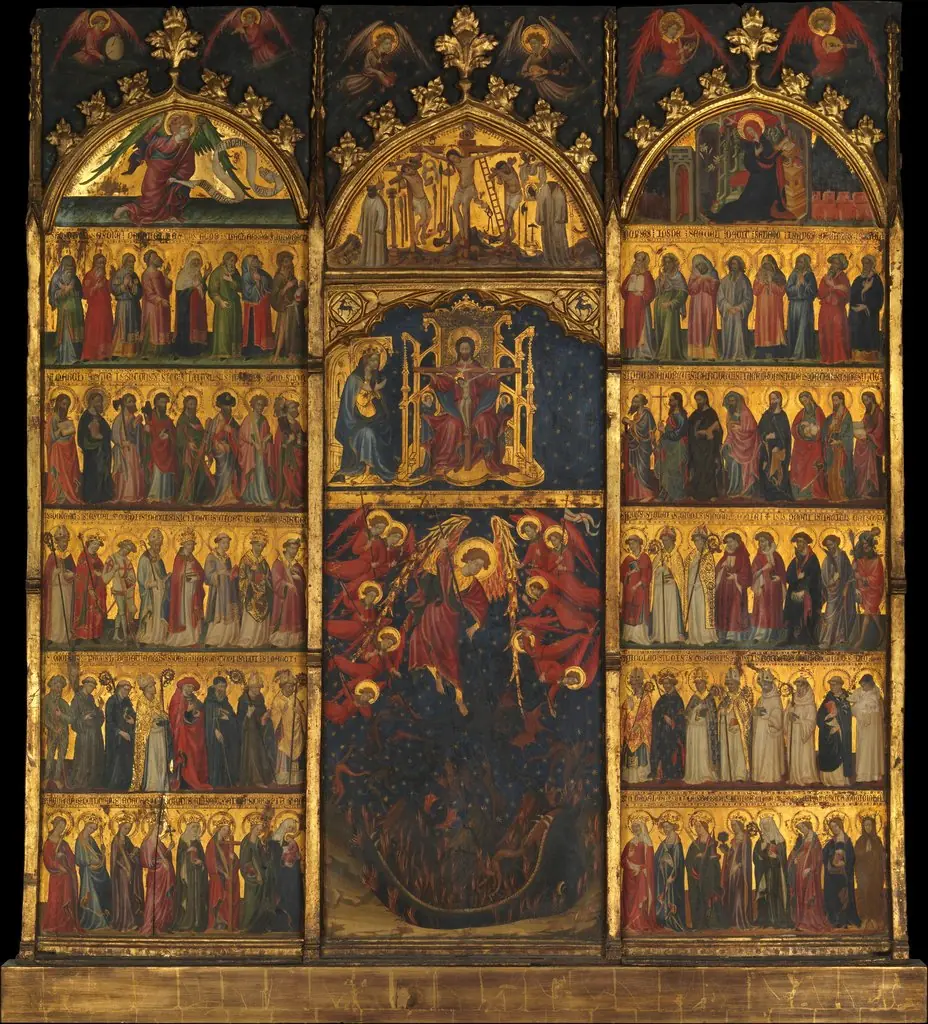 The Trinity Adored by All Saints
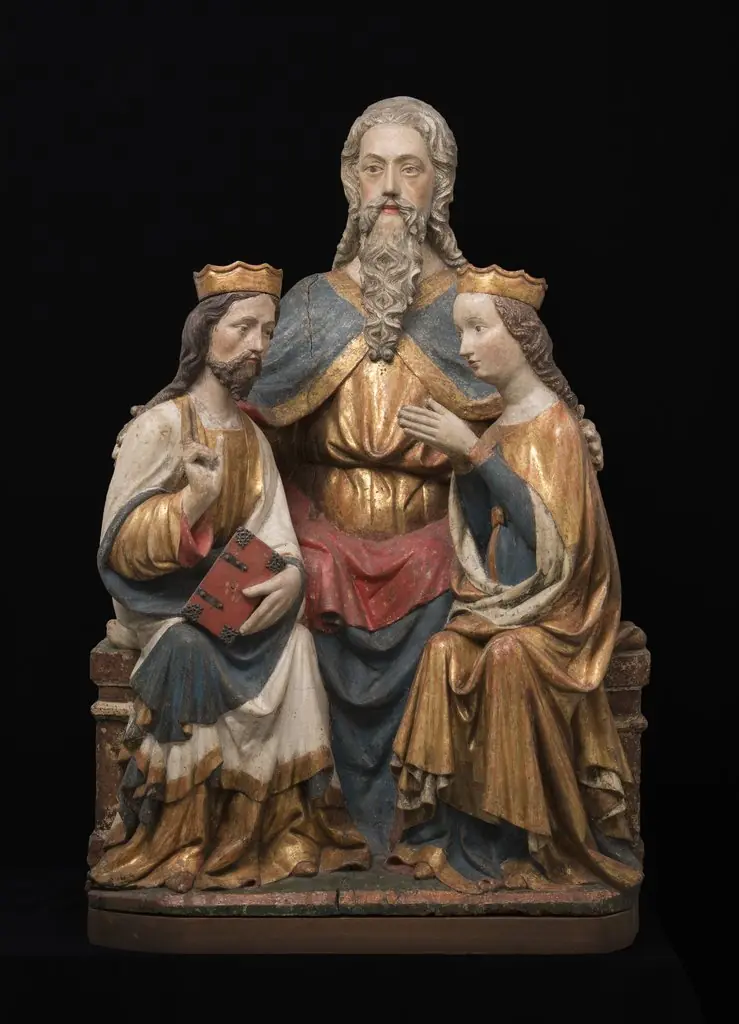 Coronation of the Virgin
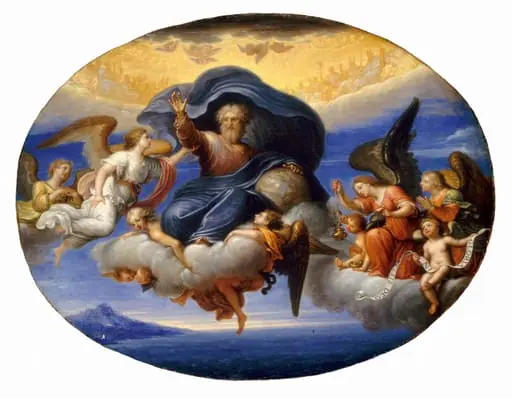 God the Father
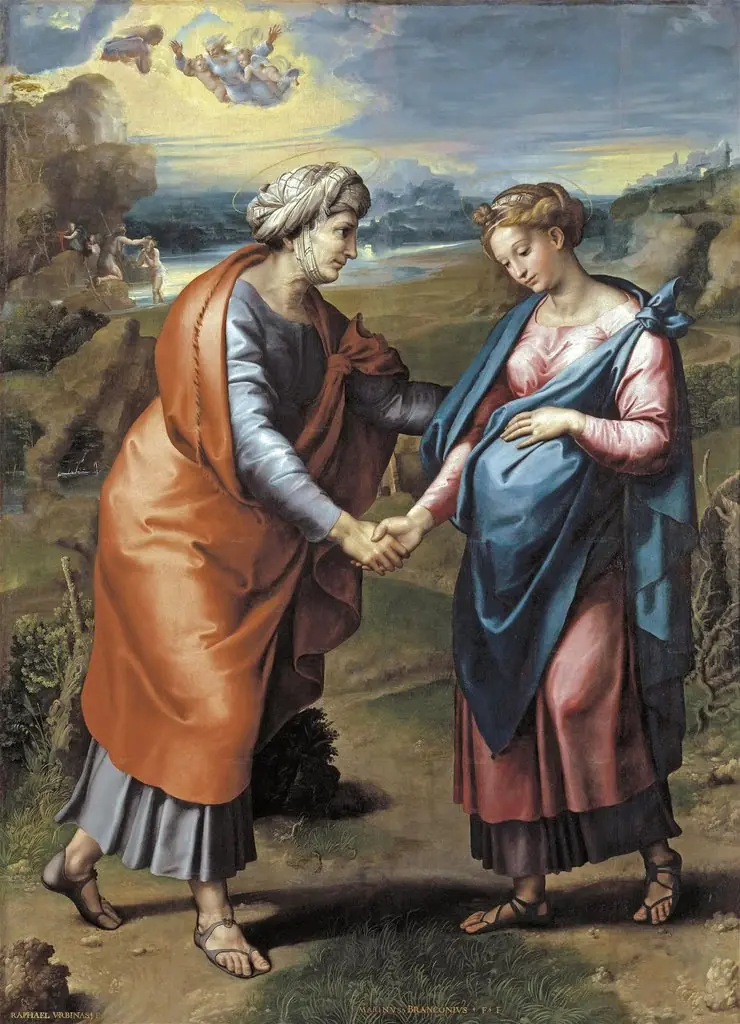 Visitation
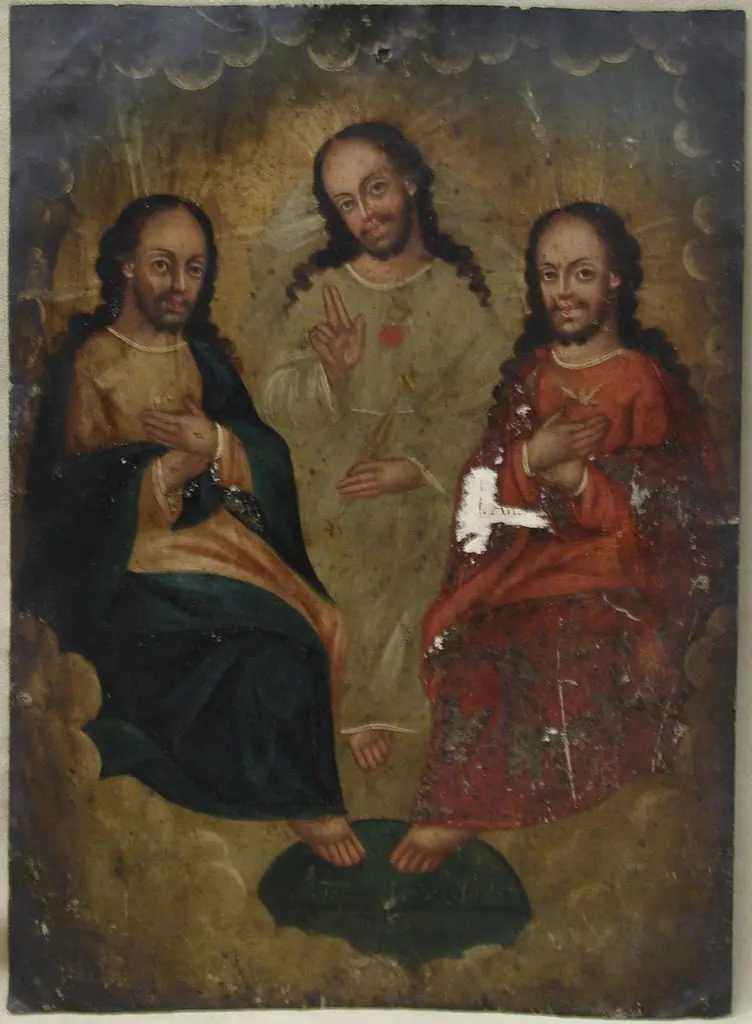 The Trinity
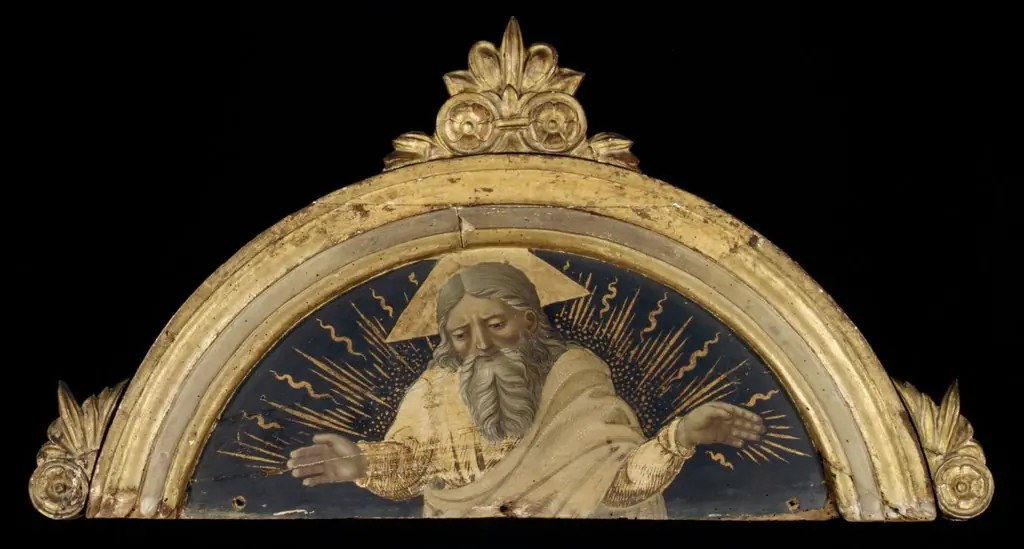 God the Father
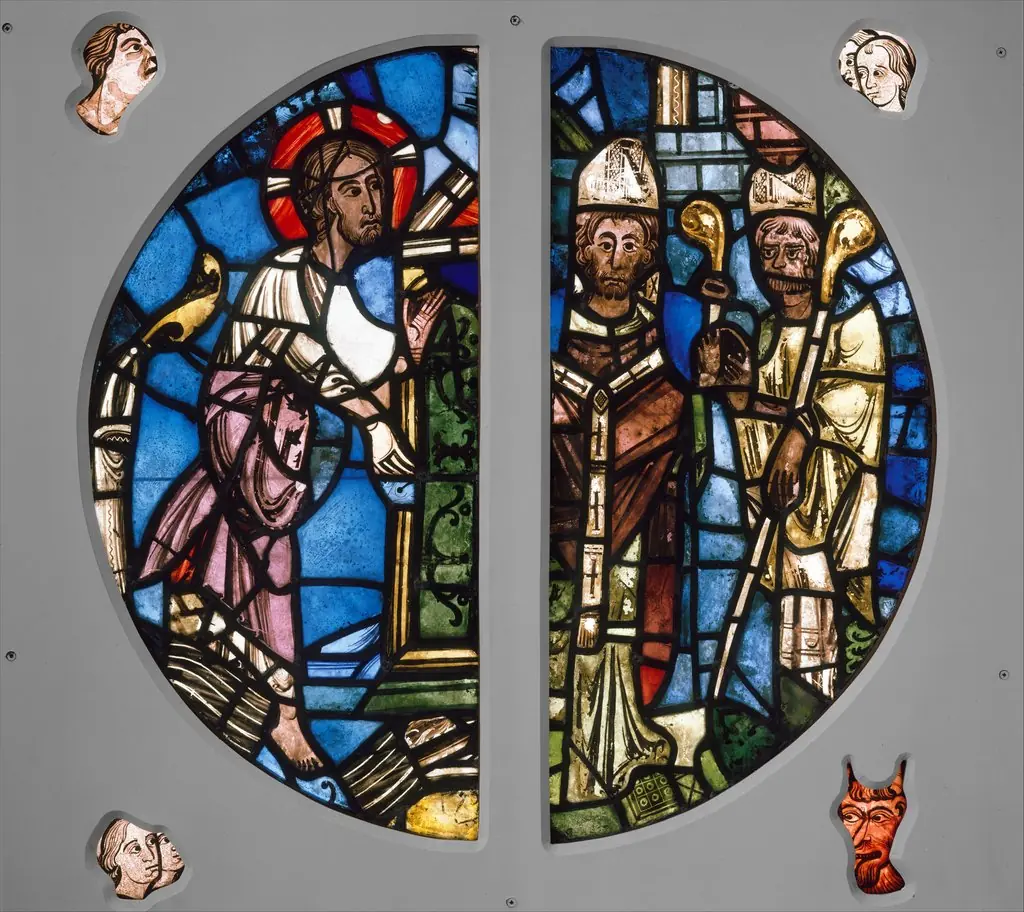 God Closing the Door of Noah’s Ark
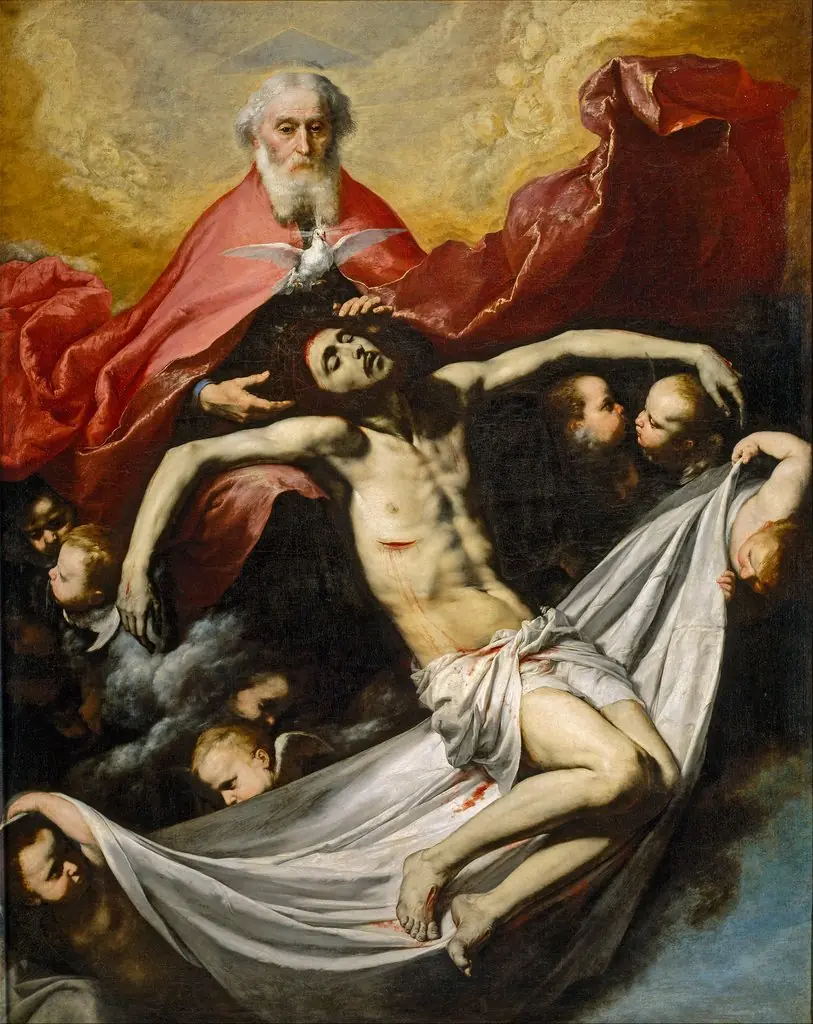 The Trinity
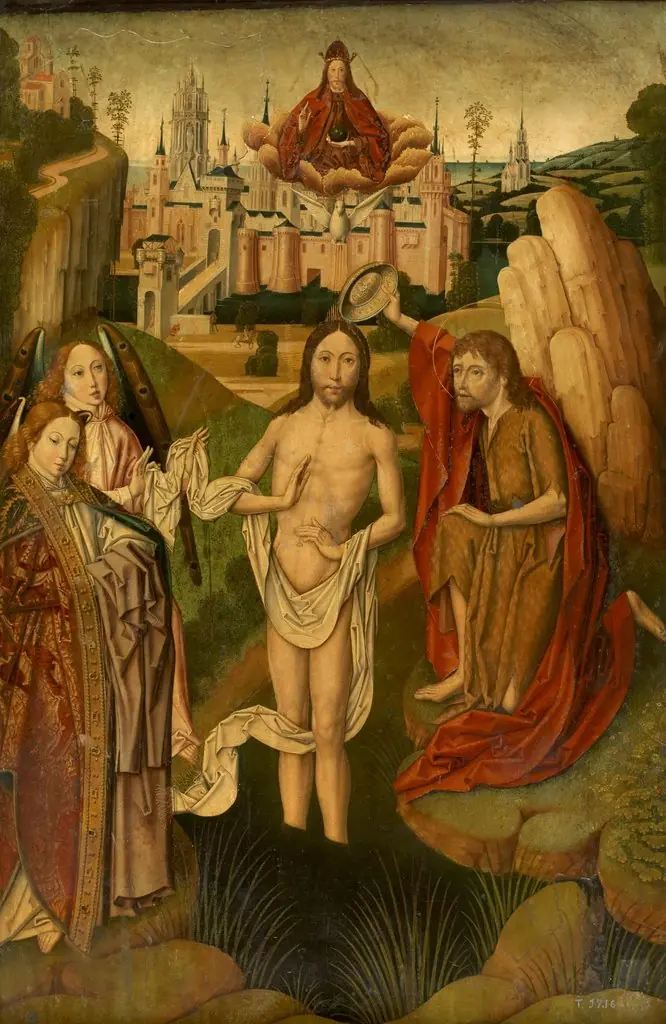 The Baptism of Christ
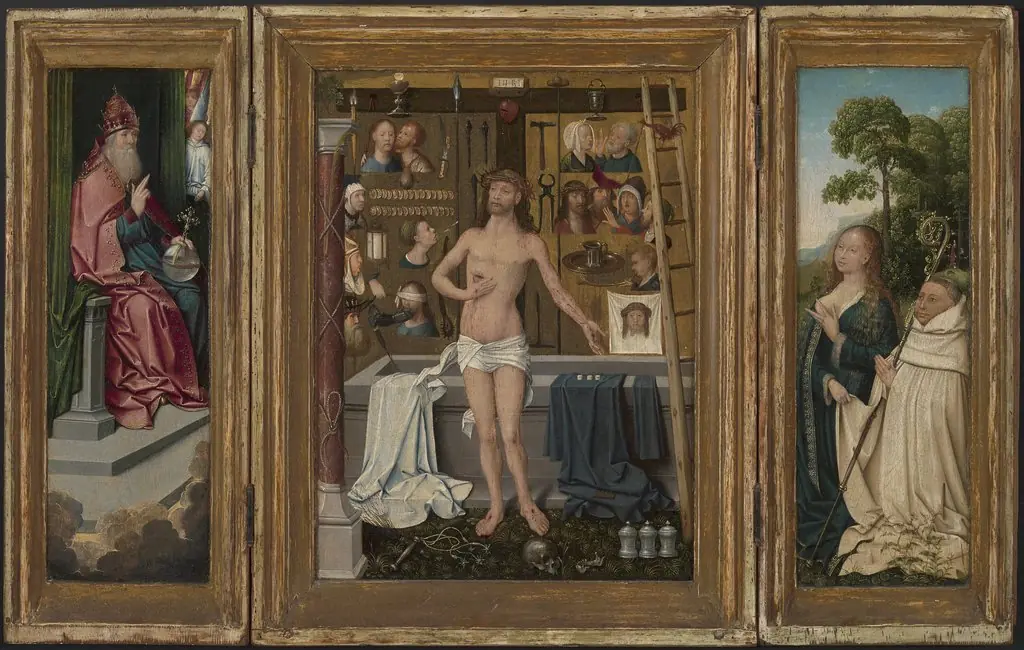 Triptych of Antonius Tsgrooten
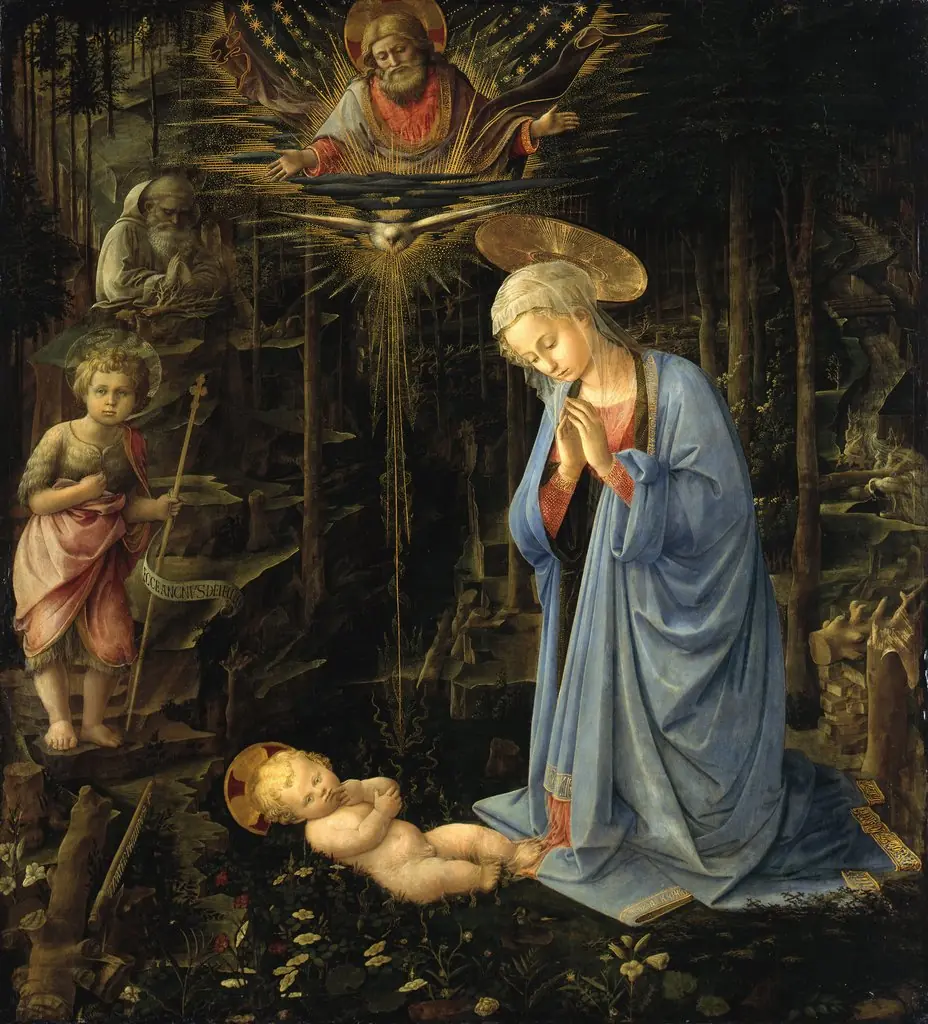 Adoration in the Forest
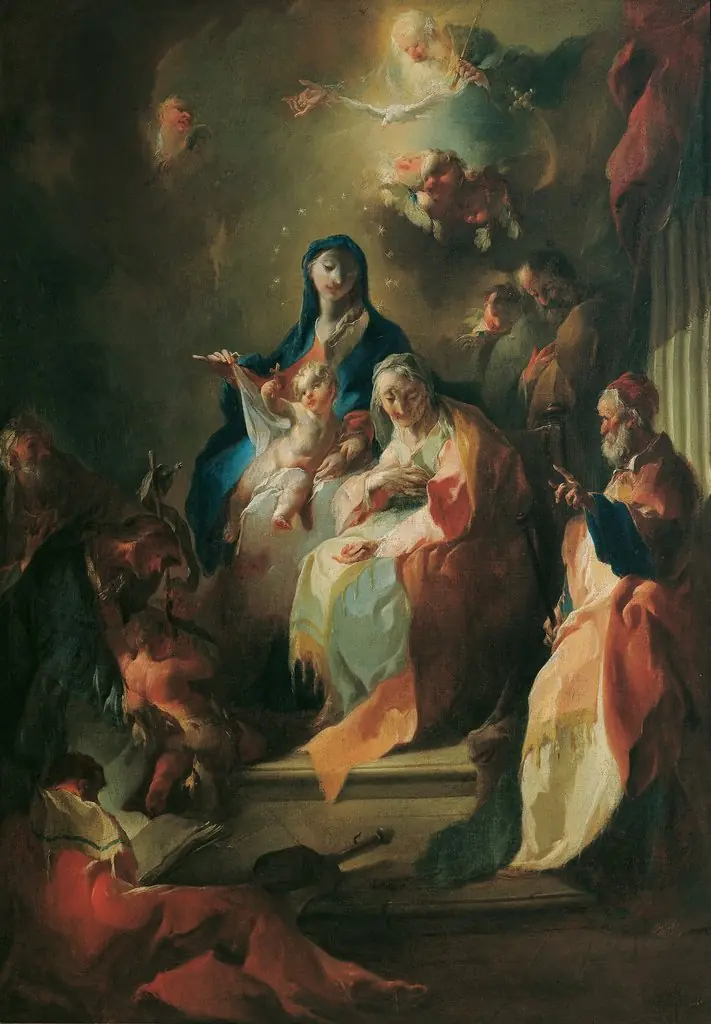 The Holy Family
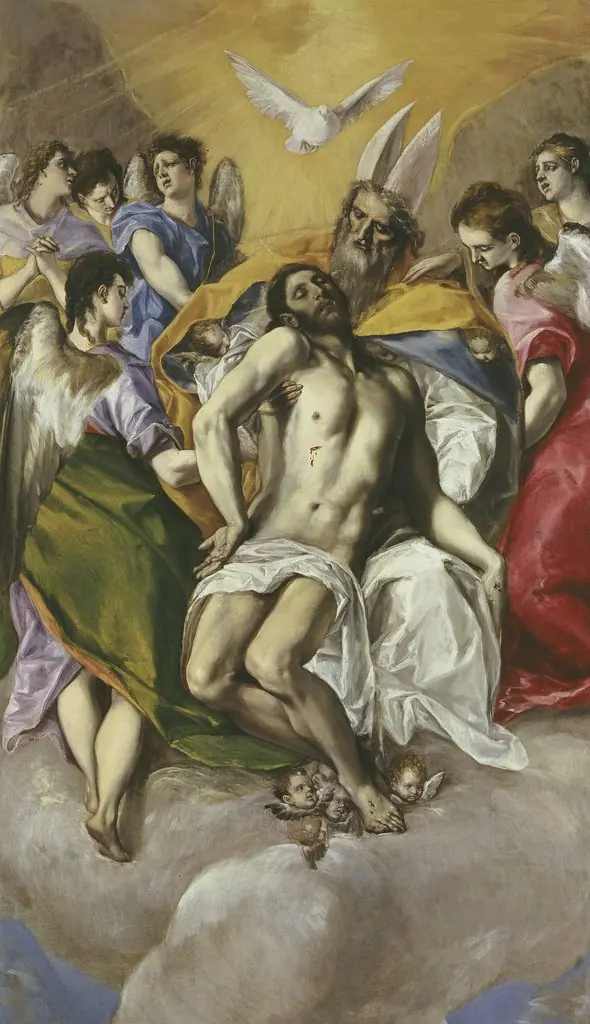 The Holy Trinity
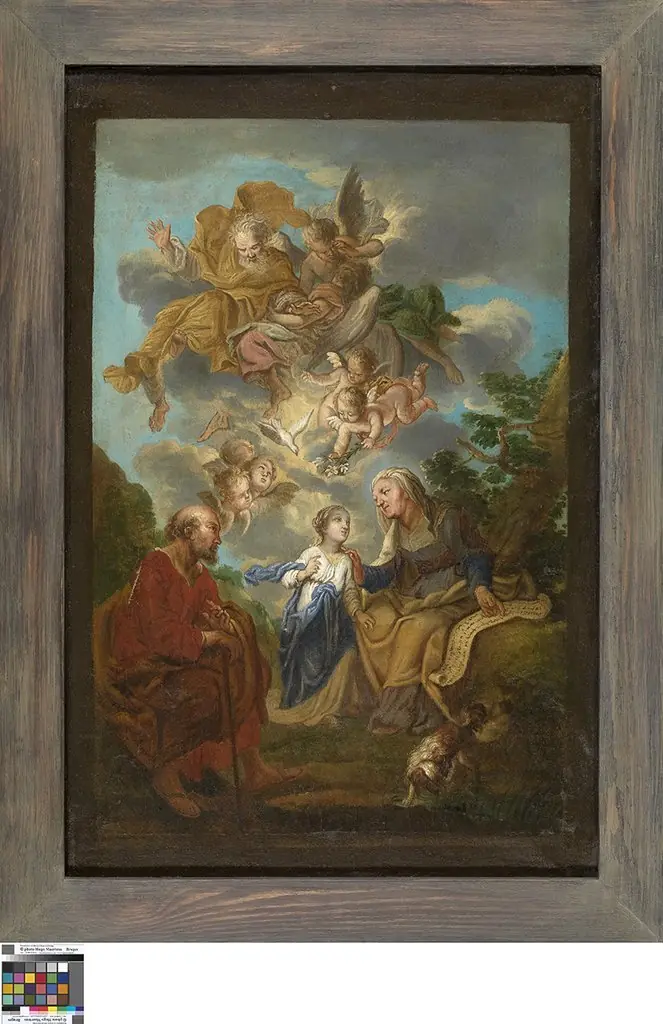 Education of Mary
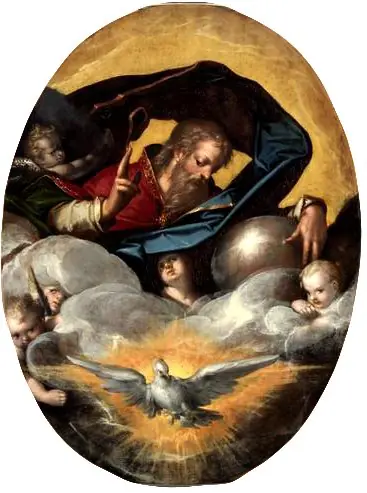 God the Father with the Holy Ghost and angels
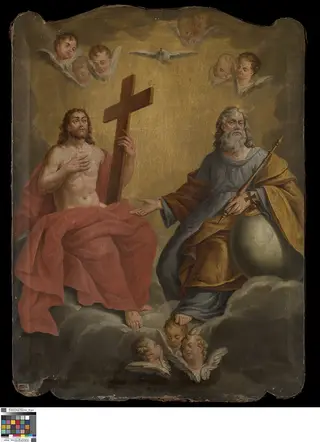 Heilige Drievuldigheid
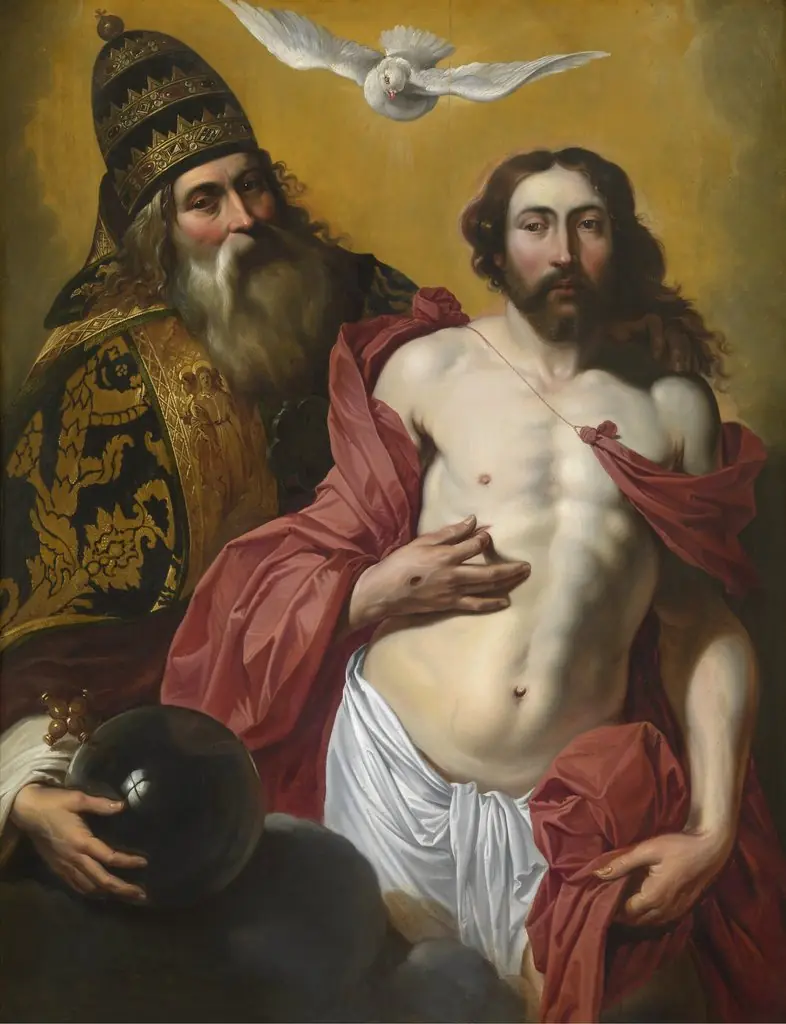 The Holy Trinity
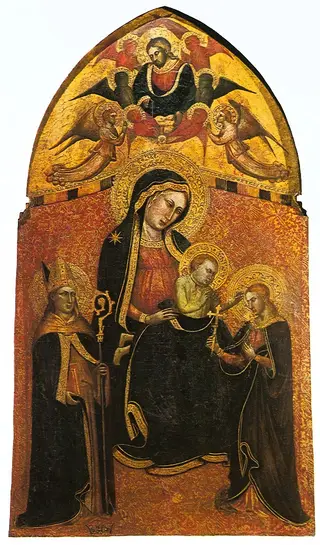 Virgin and Child with saints
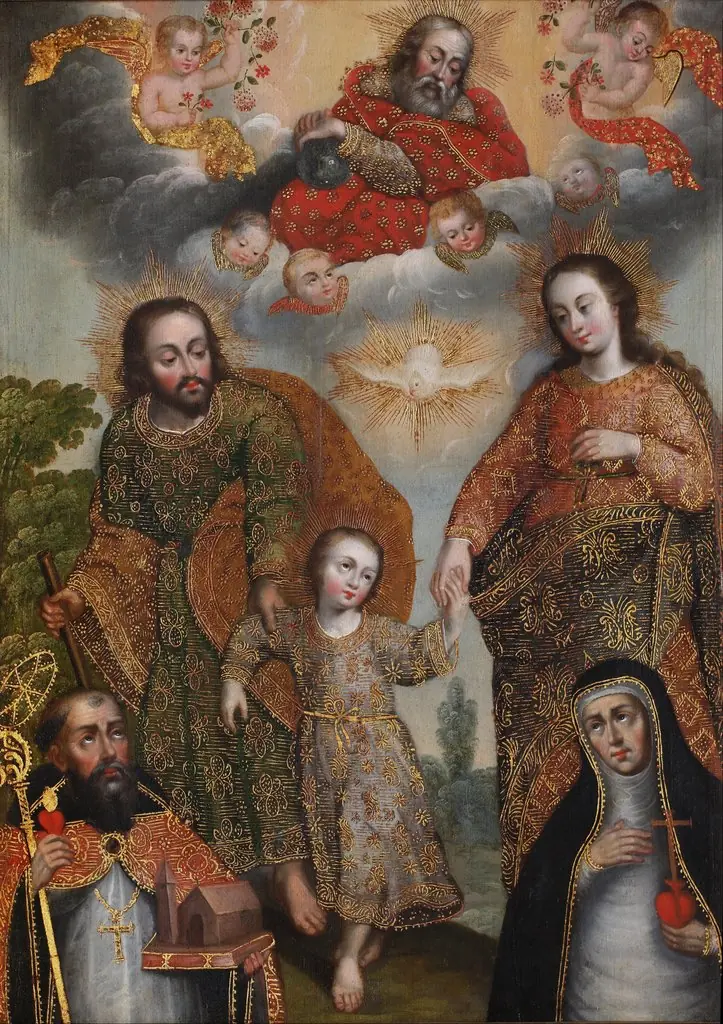 Double Trinity with Saint Augustine and Saint Catherine of Siena
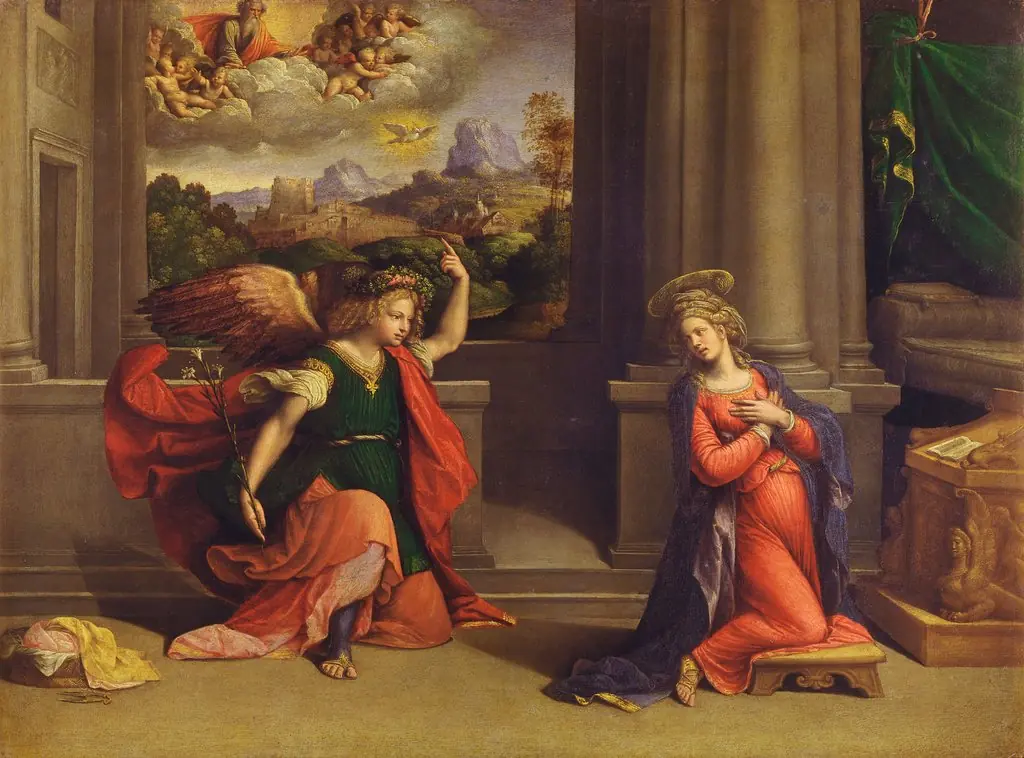 Annunciation
Frequently asked questions
What is God the Father?
God the Father is a title given to God in Christianity.
How many God the Father works does Artifact World Gallery have?
Artifact World Gallery holds 26 public-domain God the Father works, all free to view and download.
Who are the key God the Father artists?
Key God the Father artists in the collection include Titian, Raphael and El Greco.
Where can I see God the Father works?
God the Father works in the collection are held by Metropolitan Museum of Art, Museo del Prado and Groeningemuseum.