Artwork
Portrait of a Gentleman
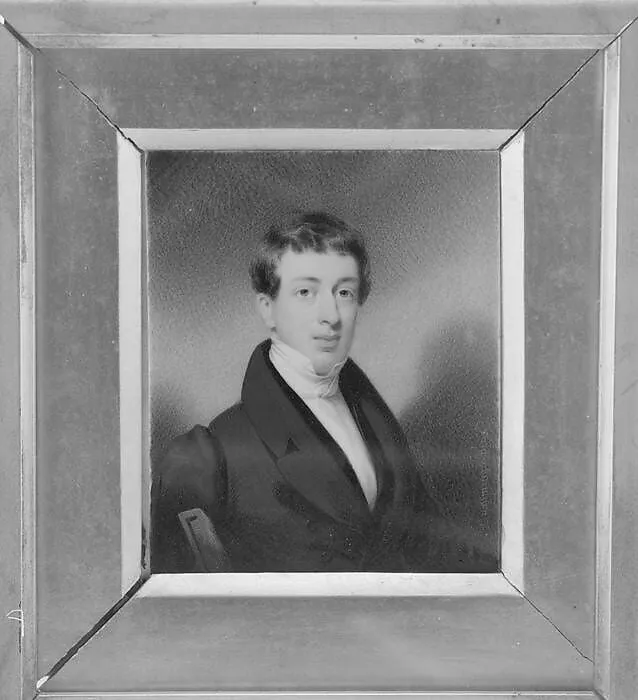
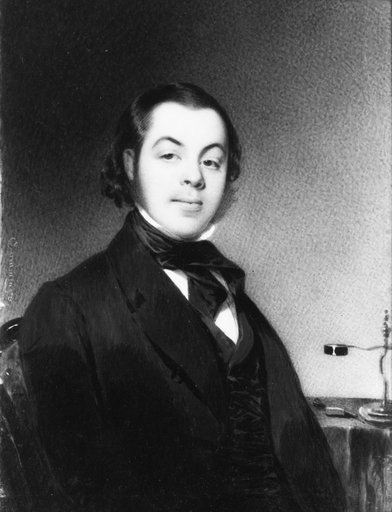
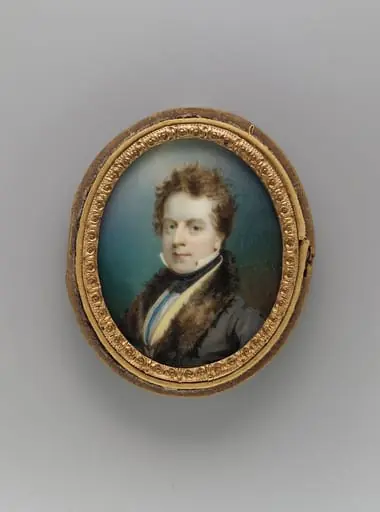
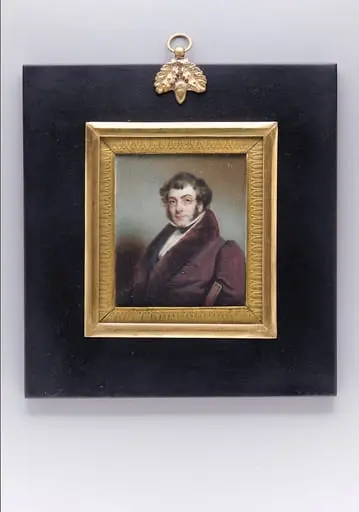
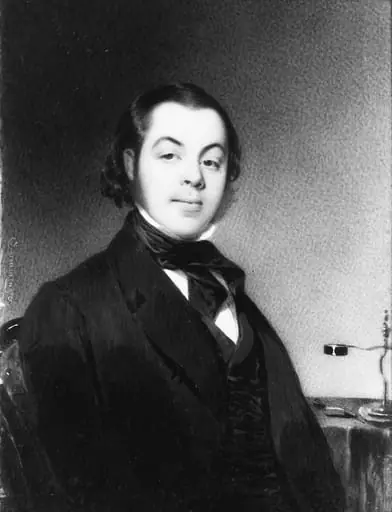
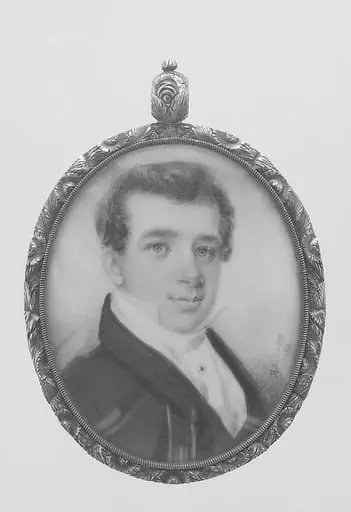
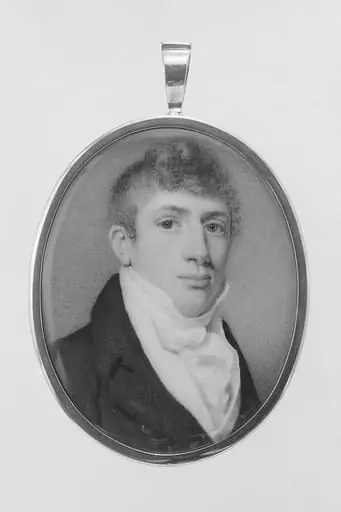
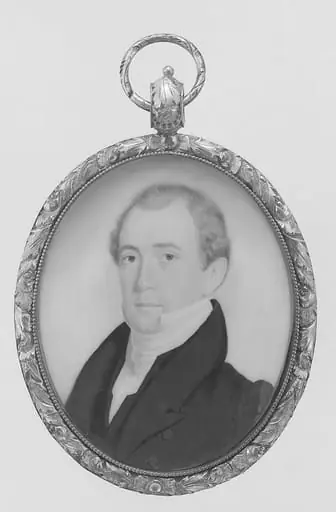
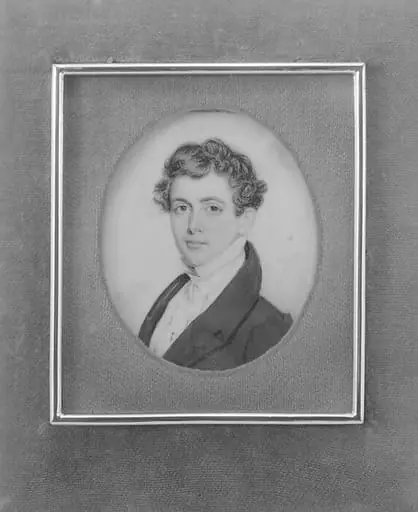
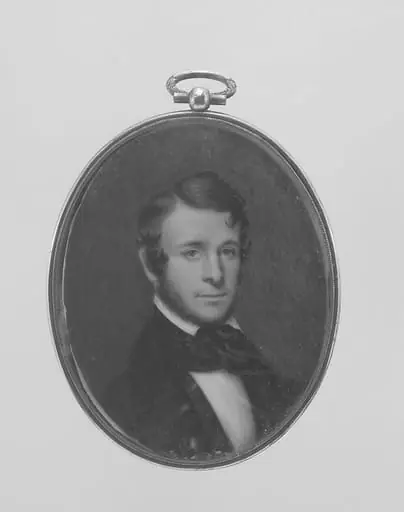
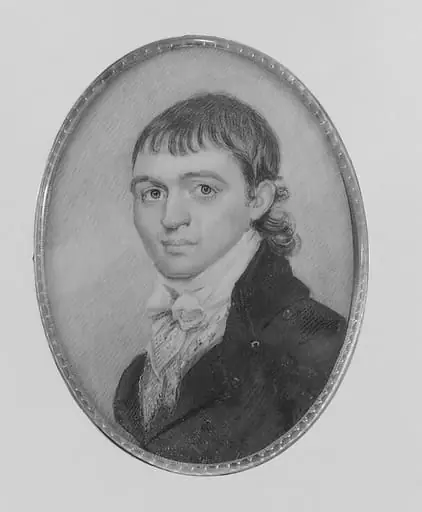
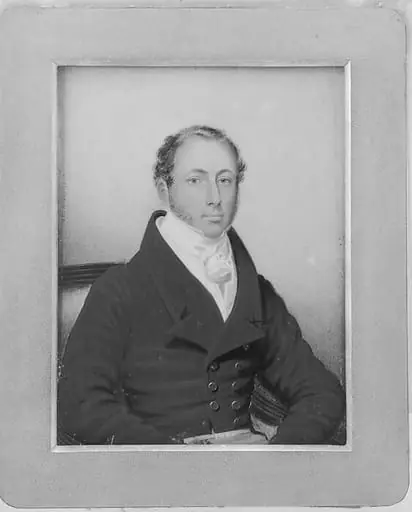
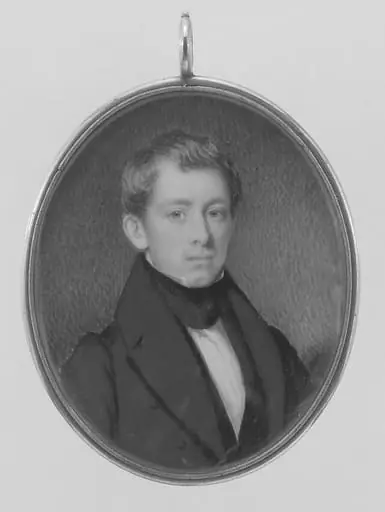
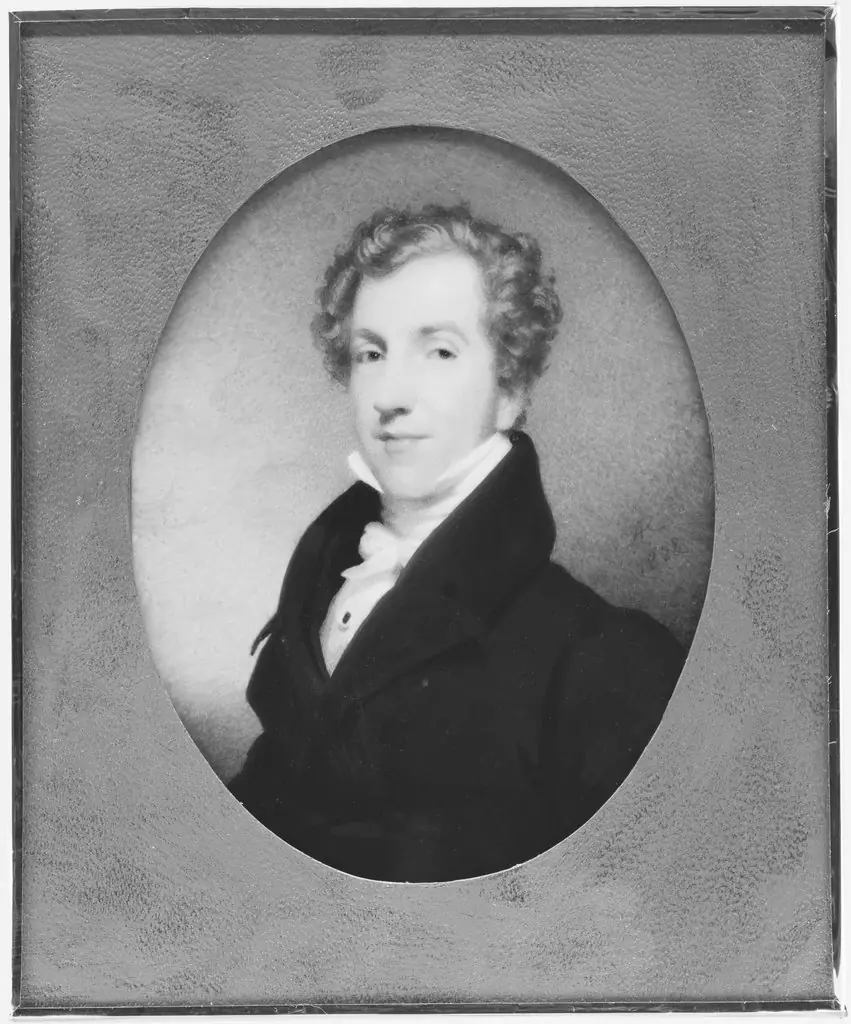
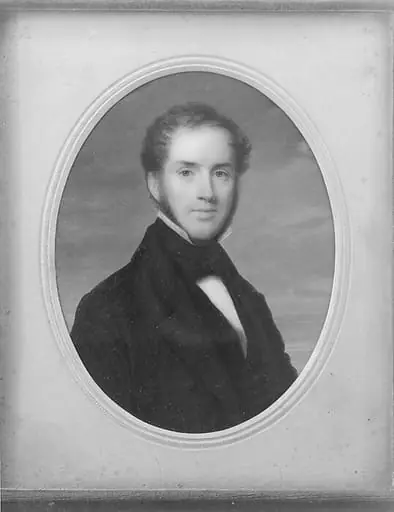
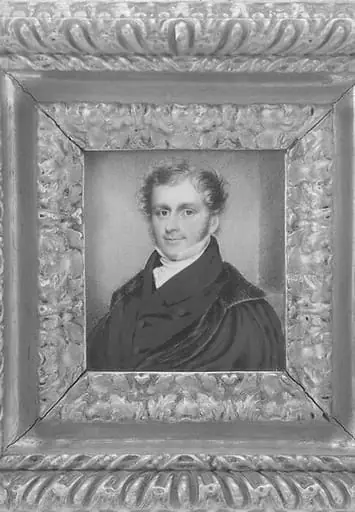
Portrait of a Gentleman is a watercolor painting by the American Folk Art artist Thomas Seir Cummings. It dates from 1828 and is held in the collection of the Metropolitan Museum of Art.
About this work
Subject & Meaning
The watercolor depicts an unnamed gentleman, identified only by the generic title rather than a specific sitter's name.
The watercolor depicts an unnamed gentleman, identified only by the generic title rather than a specific sitter's name. Cummings, trained as a miniaturist in New York, produced this small-scale portrait in 1827, working in watercolor on ivory, a refined medium associated with intimate, keepsake likenesses rather than grand public commissions. The work belongs to the genre of portraiture and shows a male sitter, with the main subject recorded as a man.
Because the piece is identified only as a "Gentleman" and no additional iconographic attributes, inscriptions, or symbolic objects are documented in the available records, the portrait functions primarily as a study of an individual likeness rather than as an allegorical or emblematic image. Its meaning therefore rests on the conventions of early nineteenth-century American miniature portraiture, where such small ivory portraits served as personal mementos circulated among family and friends.
Technique & Style
Created in 1827, Thomas Seir Cummings's Portrait of a Gentleman is executed in watercolor on ivory, a medium characteristic of the miniature portrait tradition. The work measures 8.2 centimeters in height and 6.7 centimeters in width, reflecting the intimate scale typical of this format. As a portrait depicting a man, the piece relies on the translucency and luminosity of the watercolor applied to the ivory support to achieve a refined, delicate finish.
The classification within the American Wing highlights its significance as a representative example of early 19th-century American portraiture. The small dimensions and specific material combination suggest a focus on capturing the sitter's likeness with precision and subtlety, consistent with the technical demands of painting on ivory during this period.
History & Provenance
Portrait of a Gentleman is a watercolor on ivory executed by Thomas Seir Cummings in 1827. The work entered the Metropolitan Museum of Art's collection, where it is classified within The American Wing and catalogued as accession 2006.235.36. No information regarding a commissioning party, prior private owners, or intermediate ownership transfers is recorded in the available documentation. The dating is established by the stated inception year of 1827, with no further creation-history details provided.
Overview
Painted in 1828 by Thomas Seir Cummings, this miniature portrait depicts an unidentified gentleman rendered in watercolor on ivory. The sitter faces forward, dressed in a dark coat and white shirt, with neatly combed hair and a calm, direct gaze. Executed during the artist's early career, the work exemplifies the American tradition of miniature portraiture, a genre that flourished before the widespread adoption of photography.
Cummings, who would later become a founding member of the National Academy of Design, utilized the smooth, translucent surface of the ivory to achieve a soft luminosity and delicate gradation of tone characteristic of the medium. The composition is intimate and focused, typical of keepsake portraits intended for private viewing. This piece reflects the technical skill required to manipulate watercolor on such a challenging support, capturing the likeness with precision while maintaining the ethereal quality associated with ivory miniatures of the early nineteenth century.
Context
Housed within The American Wing, this portrait reflects the widespread practice of commissioning miniature likenesses in the United States during the Federal period. Such small-scale works served as personal mementos, often exchanged among family members or carried as tokens of affection. Cummings's work contributes to the understanding of American portraiture and its social functions in the early 19th century.
Artist & collection