Artwork
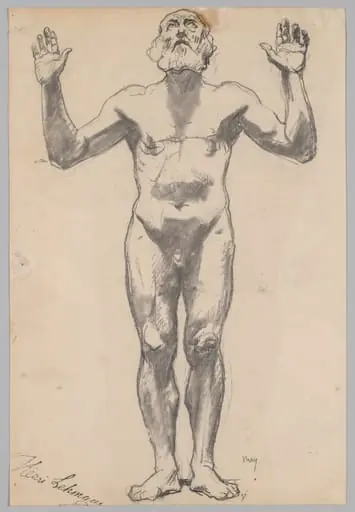
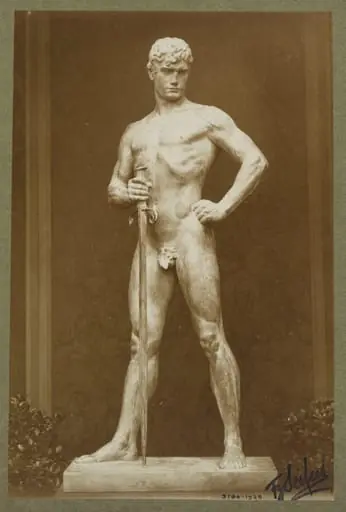
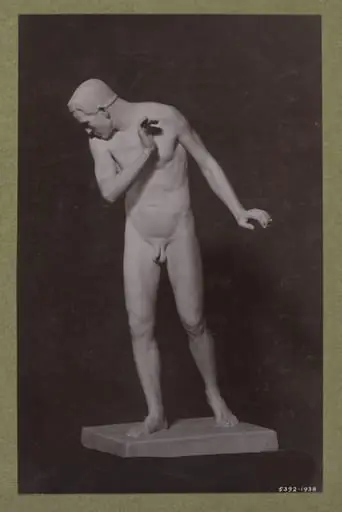
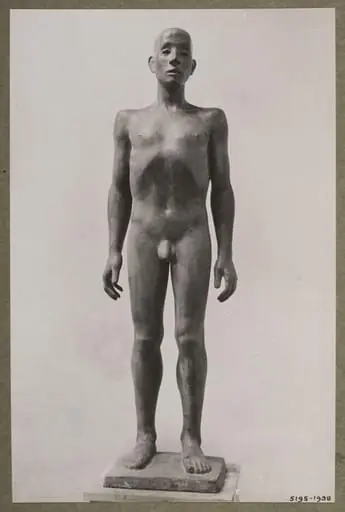
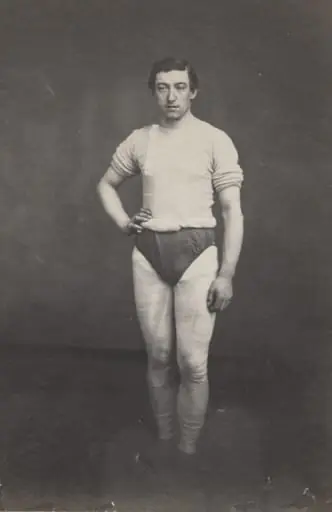
Photographs of a Standing Male Nude Model ("Joseph Smith")
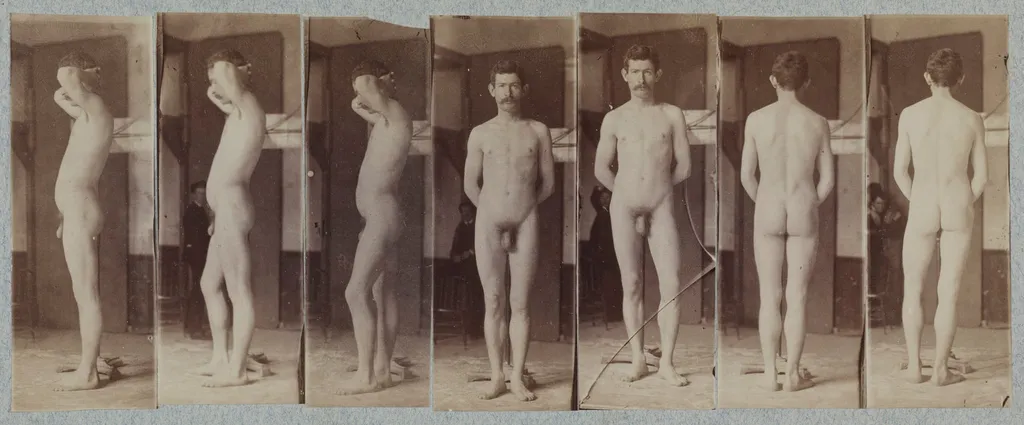
Photographs of a Standing Male Nude Model ("Joseph Smith") is a photography by the Impressionist artist Thomas Eakins. It dates from 1883 and is held in the collection of the Cleveland Museum of Art.
- Accession no.
- 1997.131
- Credit line
- John L. Severance Fund
About this work
Overview
In the early 1880s, Thomas Eakins began using photography as a systematic tool to study the human body for his paintings. He produced a series of contact prints featuring nude models, including Joseph Smith, mounted on cardboard strips. These images were not intended as finished artworks but as precise anatomical references, capturing the body from multiple angles to inform his figurative work.
Subject & Meaning
Joseph Smith, a male model, is depicted standing nude in a neutral, statuesque pose, neither dynamic nor expressive. His posture, slightly turned, weight balanced, reflects classical ideals of proportion and stillness. Eakins sought to document the body as it is, without idealization, using the photograph to isolate form and structure rather than narrative or emotion.
Technique & Style
The photograph is a black-and-white contact print, rendered with sharp clarity and even lighting. Eakins avoided dramatic chiaroscuro, favoring uniform illumination to reveal musculature and skeletal alignment. The composition is frontal, lateral, and rear-facing, eliminating perspective distortion to serve as a reliable visual record for later painting.
History & Provenance
These images, known as the Naked Series, were created between 1880 and 1885 at Eakins’s Philadelphia studio. They were kept private, used exclusively as working references. Though controversial in their time for their frank depiction of nudity, they were never exhibited publicly during Eakins’s lifetime and remained within his personal archive.
Context
Eakins’s use of photography aligned with emerging scientific approaches to art in the late 19th century. While some contemporaries viewed photographic studies as a betrayal of traditional draftsmanship, Eakins saw them as an extension of anatomical observation, akin to dissection. His work bridged art and early motion studies, anticipating later developments in visual science.
Legacy
Eakins’s photographic studies laid groundwork for the integration of mechanical imaging into artistic practice. Though initially met with discomfort, these images are now recognized as pivotal in the history of American realism. They demonstrate a commitment to empirical observation that influenced generations of artists seeking anatomical accuracy.
Artist & collection
Artist
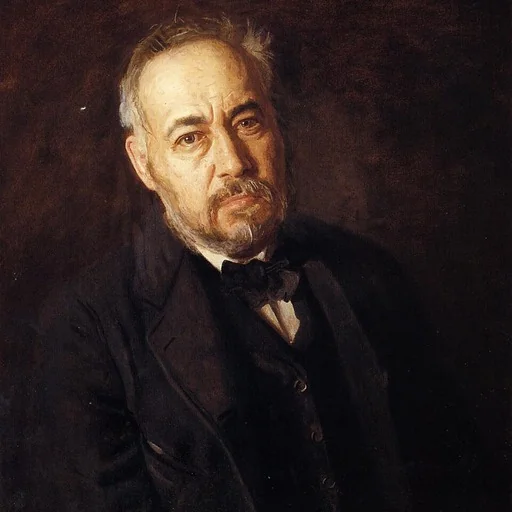
Thomas Cowperthwait Eakins (; July 25, 1844 – June 25, 1916) was an American realist painter, photographer, sculptor, and fine arts educator.