Artwork
The Champion Single Sculls (Max Schmitt in a Single Scull)
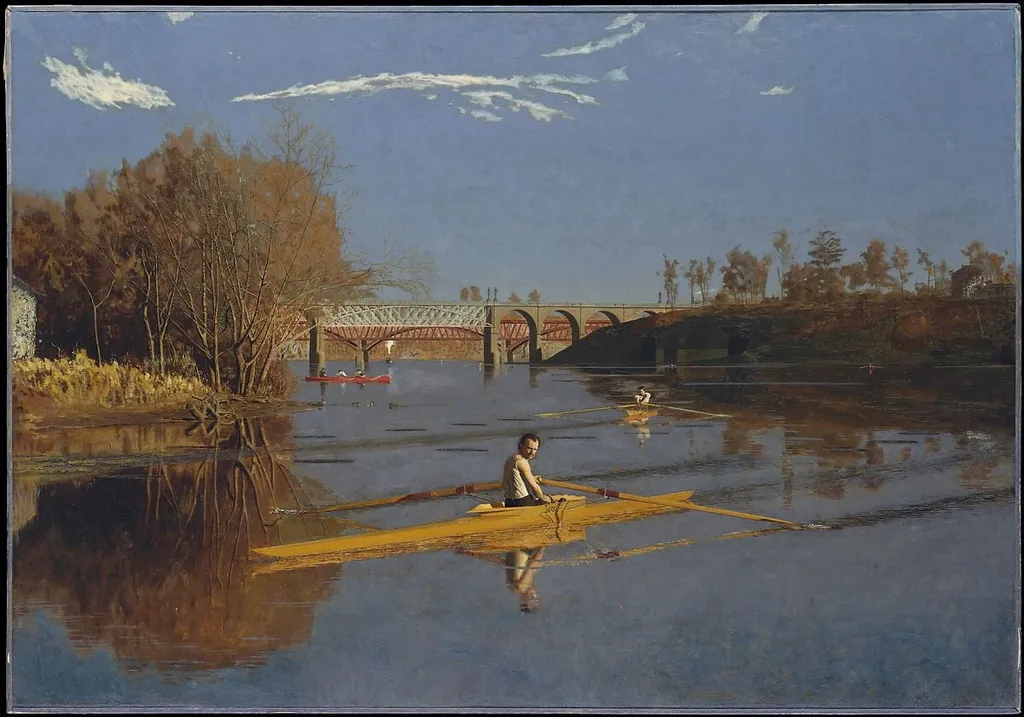
The Champion Single Sculls (Max Schmitt in a Single Scull) is an oil painting by the American Realist artist Thomas Eakins. It dates from 1871 and is held in the collection of the Metropolitan Museum of Art.
About this work
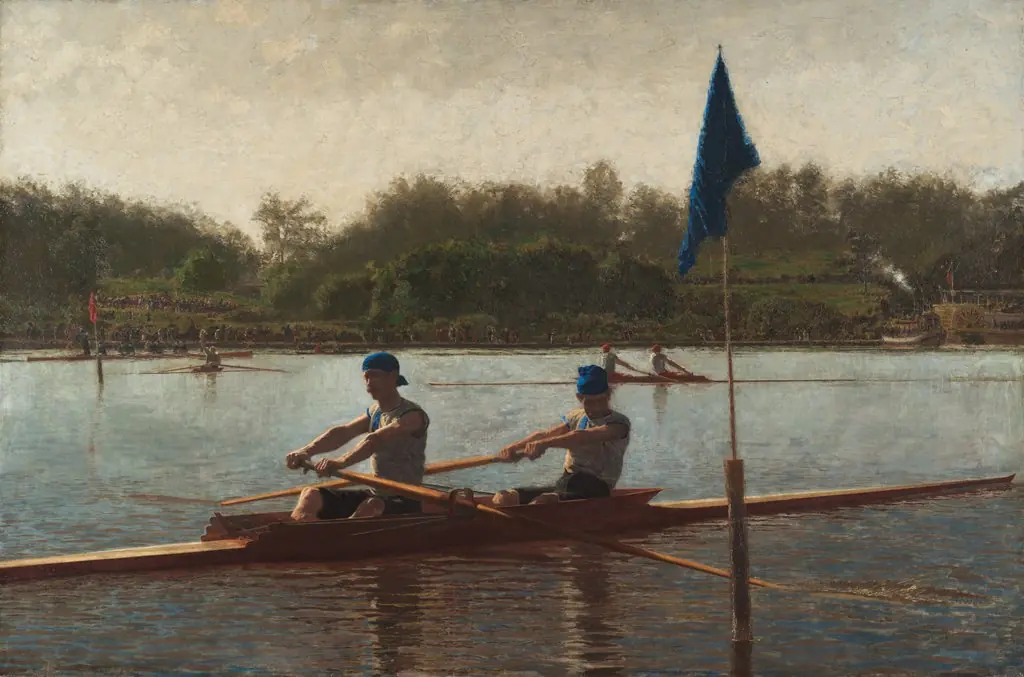
Eakins painted himself rowing in the middle distance, his scull lettered with his name, and the foreground shell carries the name Josie after Schmitt's sister.
Thomas Eakins set down his boyhood friend Max Schmitt in oil in 1871, resting at the oars on Philadelphia's Schuylkill River. Schmitt, an attorney and champion amateur rower, glides past the finish of the October 1870 single-sculls race near the Girard Avenue Bridge. Eakins painted himself rowing in the middle distance, his scull lettered with his name, and the foreground shell carries the name Josie after Schmitt's sister.
Subject & Meaning
This work depicts the champion rower Max Schmitt, a close friend of Thomas Eakins, on the Schuylkill River in Philadelphia shortly after his victory in the single-sculls race of October 5, 1870. Schmitt sits at rest in his scull Josie, the eddies in the water tracing his just-completed course. The setting is downstream of the Columbia Railroad Bridge, the race’s turning point, and the weather and sun position replicate the actual conditions of his triumph.
In the middle distance, Eakins included a self-portrait, rowing away, signifying his own participation in the rowing world and his admiration for rowing as both a physical and moral discipline. The painting thus symbolizes athletic achievement, the camaraderie of shared sport, and introduces the modern athletic subject as a worthy focus for serious art.
Technique & Style
Executed in oil on canvas (81.9 × 117.5 cm), the work reveals Eakins' methodical technique: he produced full-scale perspective drawings and transferred key lines to the canvas via prick marks to ensure precise spatial accuracy. Working before he owned a camera (purchased 1880), he aimed for a photographic exactitude through direct observation. The composition deliberately echoes the race conditions, reproducing the weather and sun position of October 5, 1870.
Schmitt is shown post-race, at rest, with fading eddies marking his course. Eakins included a self-portrait in the middle distance, signing his scull. Stylistically, the painting reflects the influence of his French tutors Jean-Léon Gérôme and Léon Bonnat, along with Diego Velázquez, visible in the crisp light, meticulous detail, and calm, poised realism.
History & Provenance
Eakins painted the work in 1871, soon after returning to Philadelphia in July 1870 and witnessing his friend Max Schmitt's victory in the single sculls championship on October 5, 1870. It was first exhibited only once during Eakins's lifetime, at the Union League of Philadelphia for four days in April 1871. Eakins gave the painting to Schmitt, who owned it until his death in 1900.
Thereafter, it belonged to Schmitt's widow, Louise S. M. Nache, until 1930. The painting then passed to Eakins's widow, Susan Macdowell Eakins, who offered it through Babcock Galleries (1930–1931) without success. In 1934, the Metropolitan Museum of Art acquired it from Milch Galleries, where it has remained in the permanent collection.
The painting is held in the permanent collection of the Metropolitan Museum of Art in New York (accession number 34.92). It was acquired by the museum in 1934. Its exhibition history includes a single public showing during Eakins's lifetime: a four-day display at the Union League of Philadelphia in April 1871.
After the artist's death, the work passed through the hands of Max Schmitt, his widow, and Eakins's widow before being offered at Babcock Galleries and Milch Galleries, ultimately entering the Met's collection.
Context
Exhibited only once during Eakins's lifetime at the Union League of Philadelphia in April 1871, the painting elicited mixed reviews: the Philadelphia Bulletin praised its boldness, while the Philadelphia Inquirer found the sky and overall effect unsatisfactory. It was not shown publicly again until acquired by the Metropolitan Museum of Art in 1934. This work inaugurated Eakins's series of nearly thirty rowing pictures created by 1874, marking the first time rowing became the focus of serious art in the United States.
Art historian Milton Brown later noted the subject as new, even if the aesthetic was somewhat backward. In early 1980s it was featured in the series 100 Meisterwerke aus den großen Museen der Welt and is now widely regarded as Eakins's finest and most celebrated rowing painting.
Legacy
Since its acquisition by the Metropolitan Museum of Art in 1934, The Champion Single Sculls has gained recognition as Eakins's most famous rowing painting and a pioneering work that placed rowing at the center of serious art. It was the first painting to treat the sport as a subject worthy of fine art. The painting's reputation grew internationally when it was featured in the 1980s German television series 100 Meisterwerke aus den großen Museen der Welt, which praised it as Eakins's finest rowing image.
The work also inspired poetic reflection; Philip Dacey's collection The Mystery of Max Schmitt includes a poem engaging with the painting. Today it remains a cornerstone of Eakins's oeuvre and a celebrated example of American realism.
Overview
Thomas Eakins's 1871 oil painting, The Champion Single Sculls, also known as Max Schmitt in a Single Scull, captures a moment on Philadelphia's Schuylkill River. The artwork features Eakins's friend, champion amateur rower Max Schmitt, after a significant victory. This oil on canvas work is a notable example of American realism and is housed in the permanent collection of the Metropolitan Museum of Art.
Artist & collection
Artist
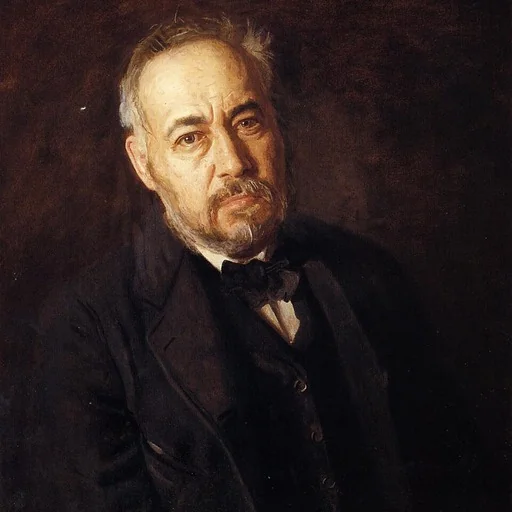
Thomas Cowperthwait Eakins (; July 25, 1844 – June 25, 1916) was an American realist painter, photographer, sculptor, and fine arts educator.

 The Biglin Brothers Turning the Stake
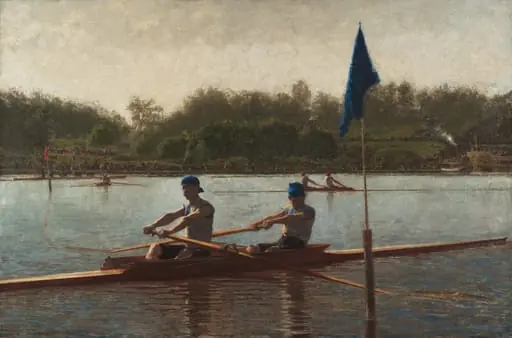 The Biglin Brothers Turning the Stake
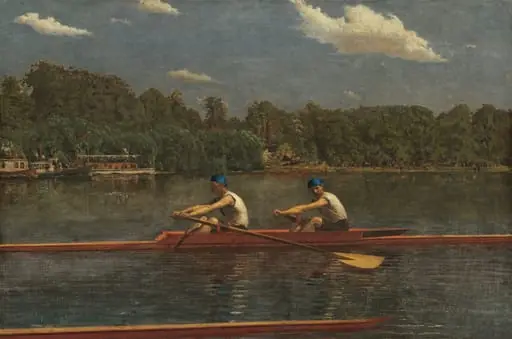 The Biglin Brothers Racing
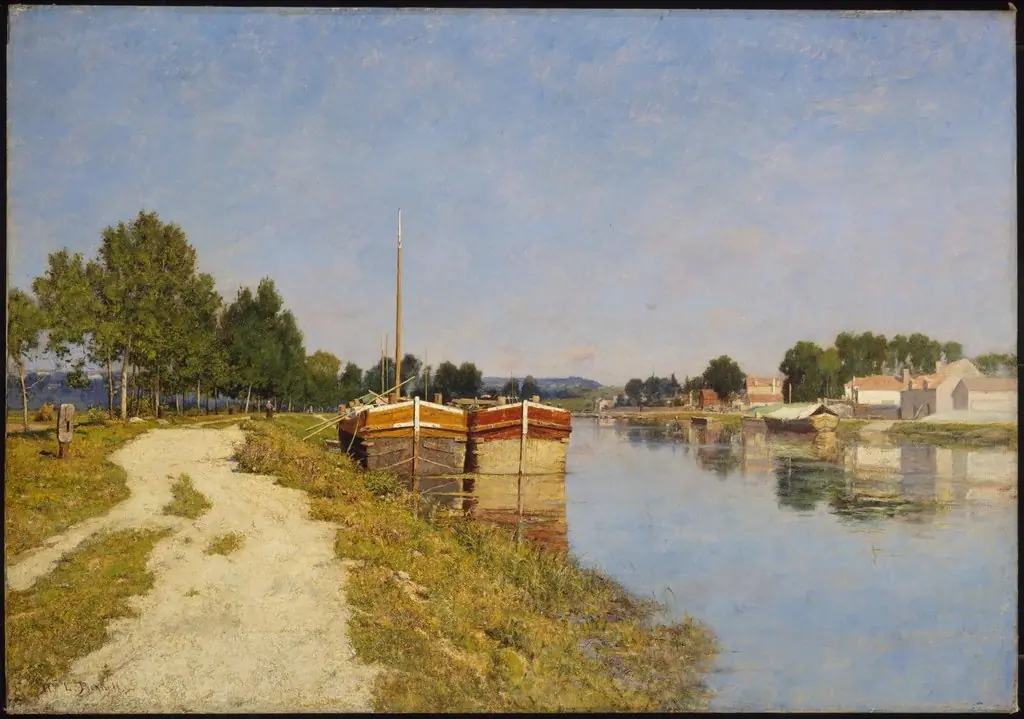 Morning on the Loing at Moret
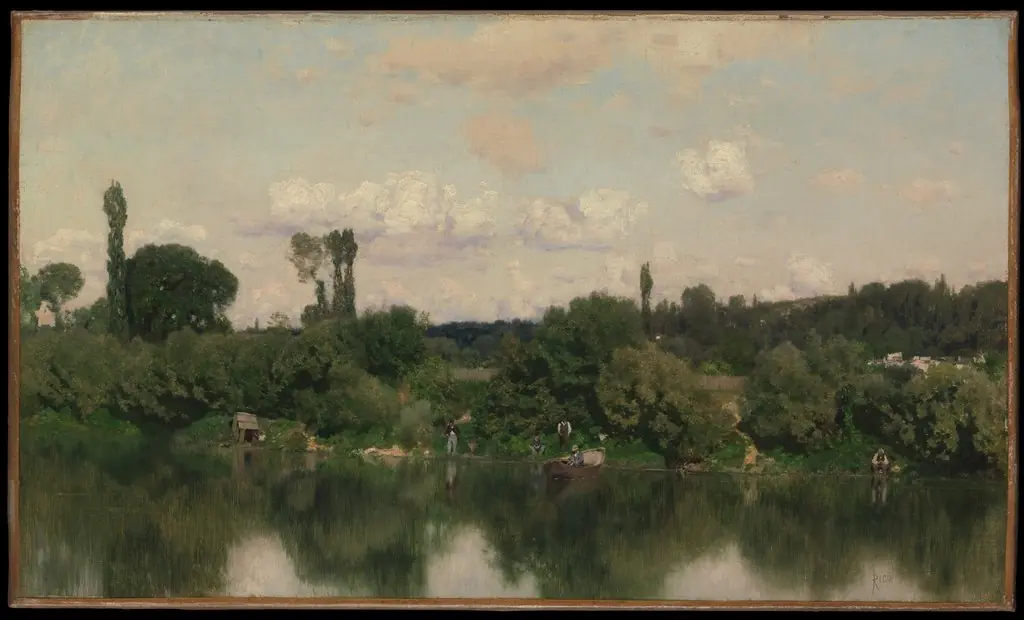 On the Seine
 Playing a Fish
 Alice Gerson in Prospect Park
 The Bridge at Argenteuil
 An Old Bridge at Hendon, Middlesex
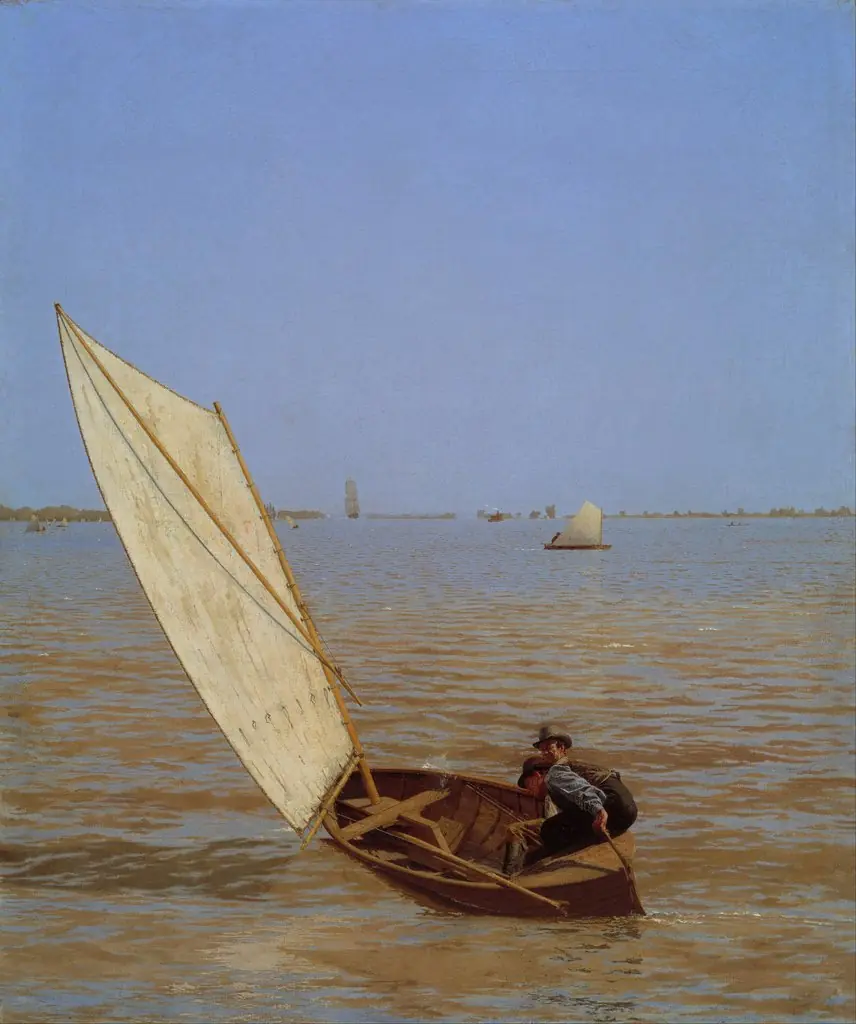 Starting Out After Rail
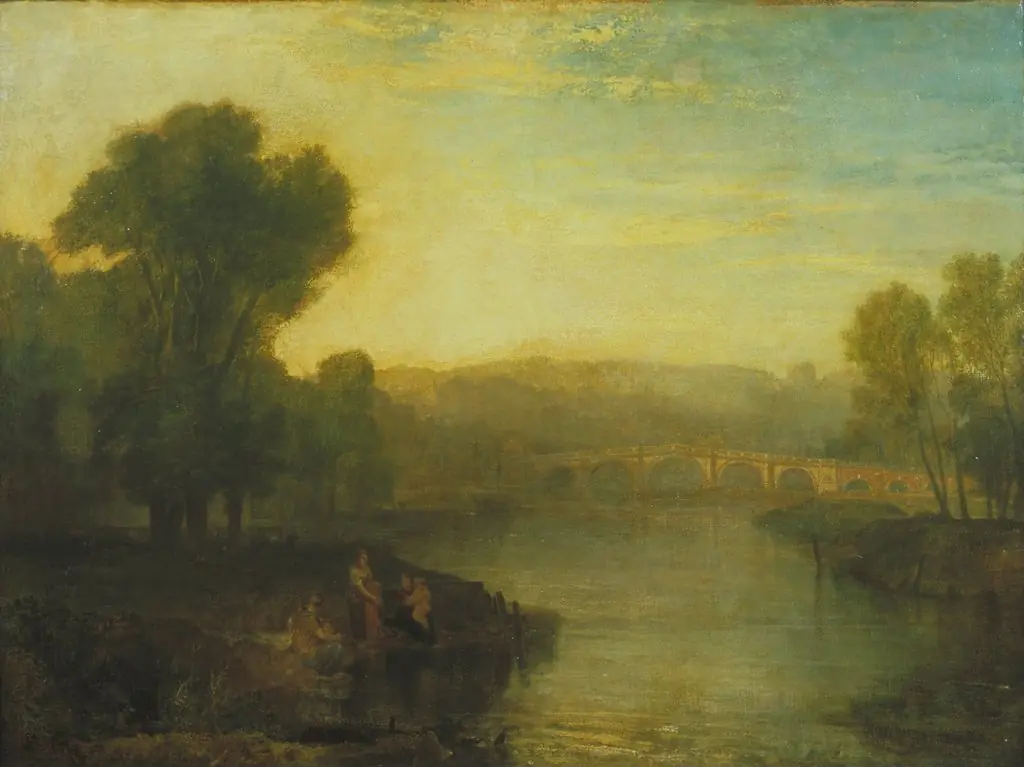 View of Richmond Hill and Bridge
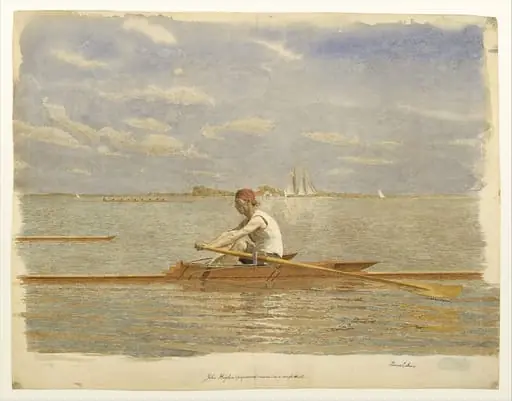
- John Biglin in a Single Scull