Artwork
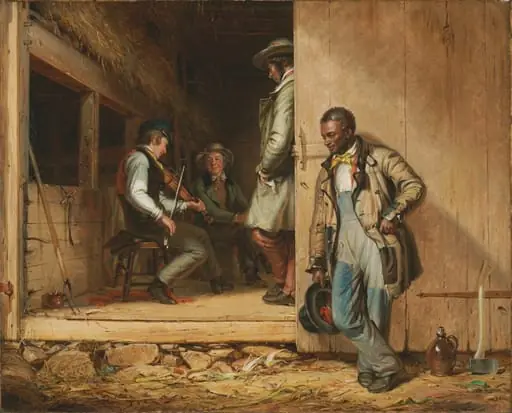
The Dancing Lesson
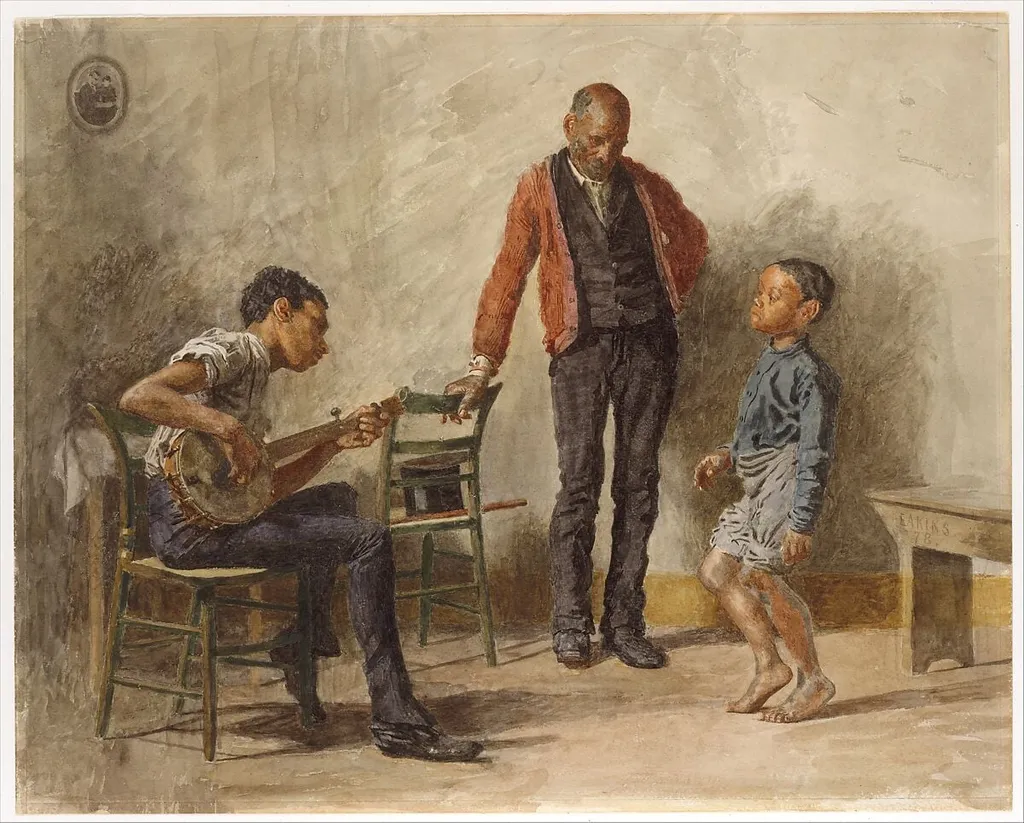
The Dancing Lesson is a watercolor work on paper by the American Impressionist artist Thomas Eakins. It dates from 1878 and is held in the collection of the Metropolitan Museum of Art.
About this work
Subject & Meaning
The work is housed in The American Wing of the Metropolitan Museum of Art.
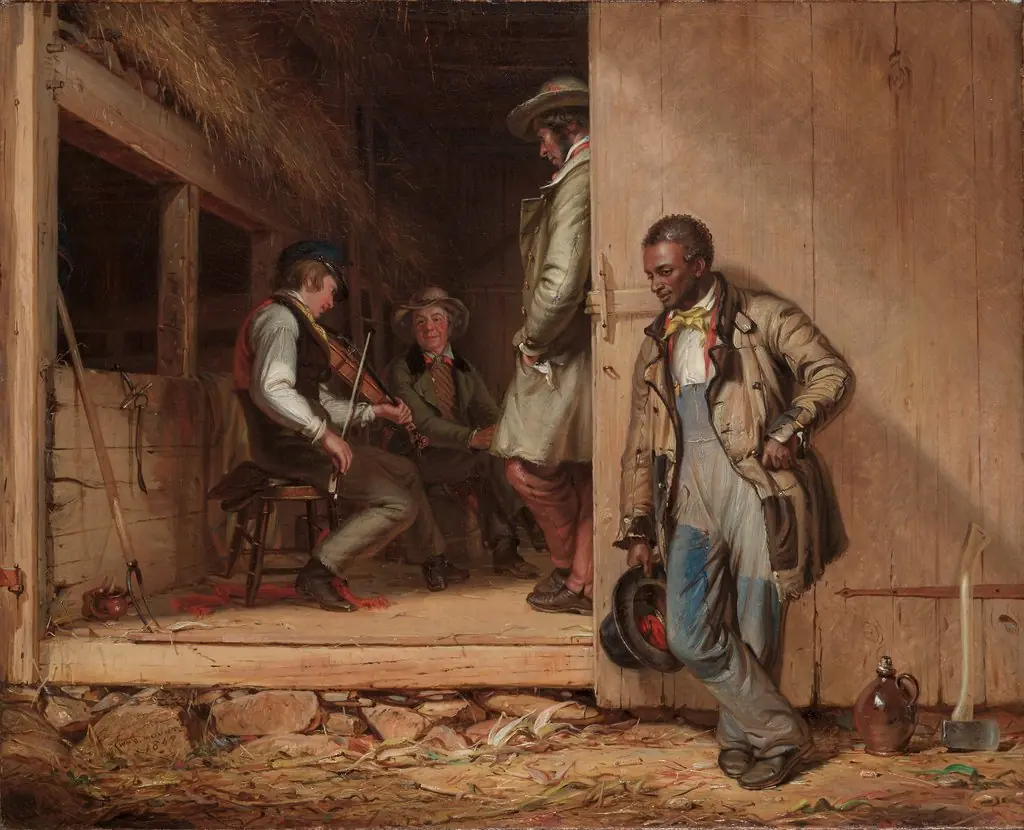
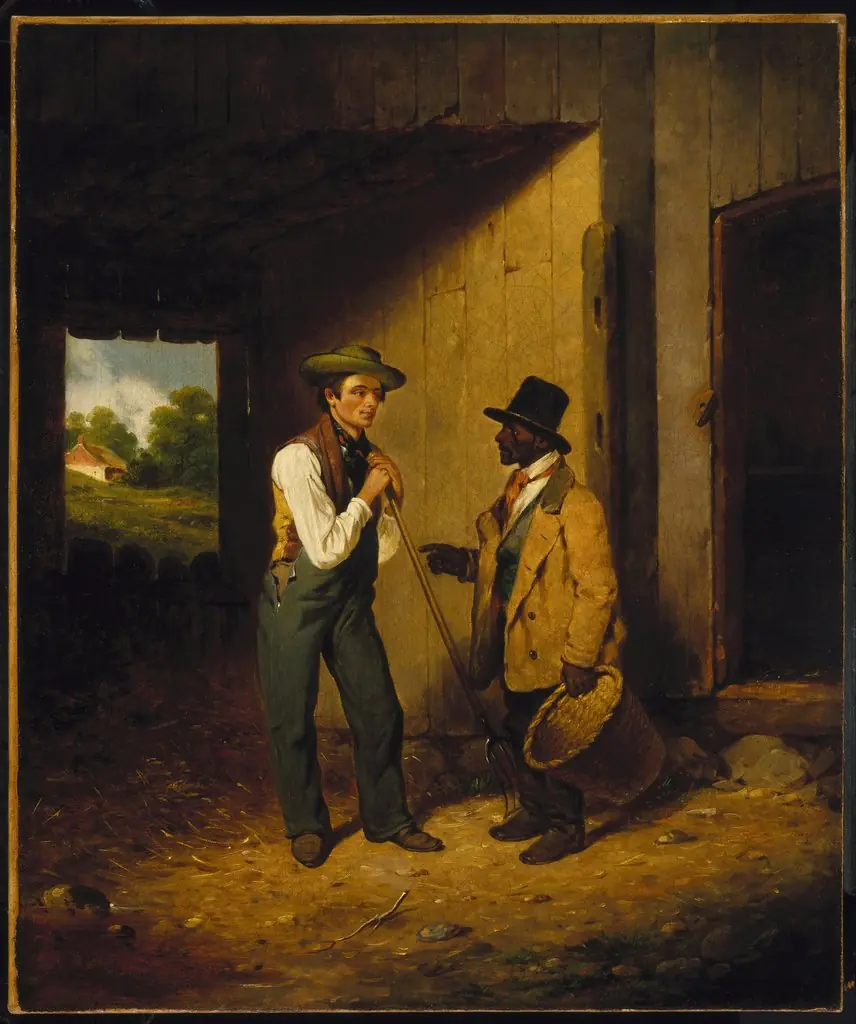
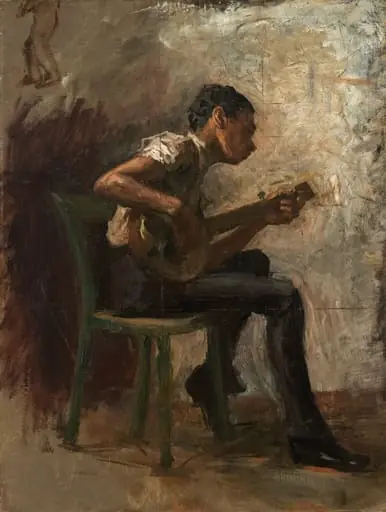
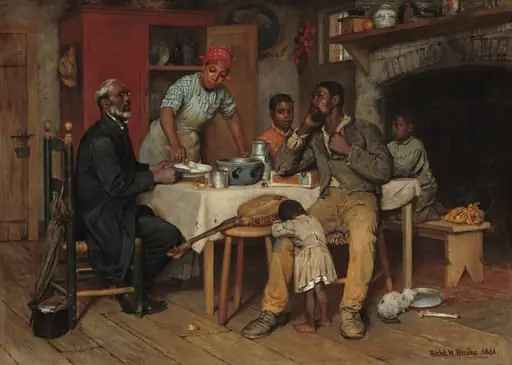
The 1878 watercolor by Thomas Eakins portrays a youthful boy seated on a chair, poised to accompany a man in a lively dance with a banjo, while a second figure watches. The composition combines domestic interior elements with a gesture of communal music-making, suggesting themes of youthful participation and the social role of folk instruments in 19th-century American life. By rendering the banjo and the act of dancing within a modest setting, Eakins emphasizes both the vitality of informal recreation and the subtle transmission of cultural practices across generations. The work is housed in The American Wing of the Metropolitan Museum of Art.
Technique & Style
Thomas Eakins created The Dancing Lesson in 1878 using watercolor as the primary medium. The work is executed on off-white wove paper, which serves as the support for this genre scene. The composition measures approximately 45.9 centimeters in height and 57.3 centimeters in width.
Stylistically, the piece functions as a genre work that captures a dynamic interaction involving a man, a boy, and a banjo within a domestic setting. The artist used the fluid nature of watercolor to render the figures and musical instruments with precision, while the wove paper provides a textured yet smooth surface appropriate for the delicate application of watercolor paint.
Overview
Thomas Eakins's The Dancing Lesson, created in 1878, captures a moment of domestic instruction. Executed in watercolor on paper, this work reflects Eakins's commitment to depicting authentic scenes from everyday life. The composition features two boys in a sunlit room, one engaged in dance practice while the other plays a cello, embodying the artist's characteristic focus on direct observation.
Context
A native of Philadelphia, Thomas Eakins consistently grounded his artistic practice in the direct observation of his community. He frequently enlisted friends, students, and local figures as models, imbuing his compositions with a sense of authenticity. The Dancing Lesson exemplifies this approach, likely featuring individuals known to the artist, thereby reflecting the specific social fabric of his time and place.
Artist & collection
Artist
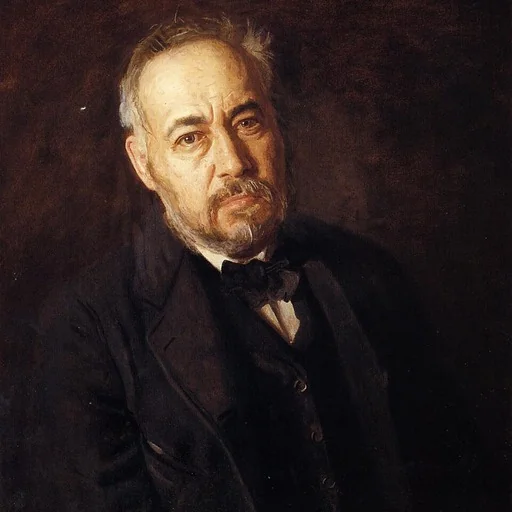
Thomas Cowperthwait Eakins (; July 25, 1844 – June 25, 1916) was an American realist painter, photographer, sculptor, and fine arts educator.