Artwork
Portrait of the Painter's Two Daughters
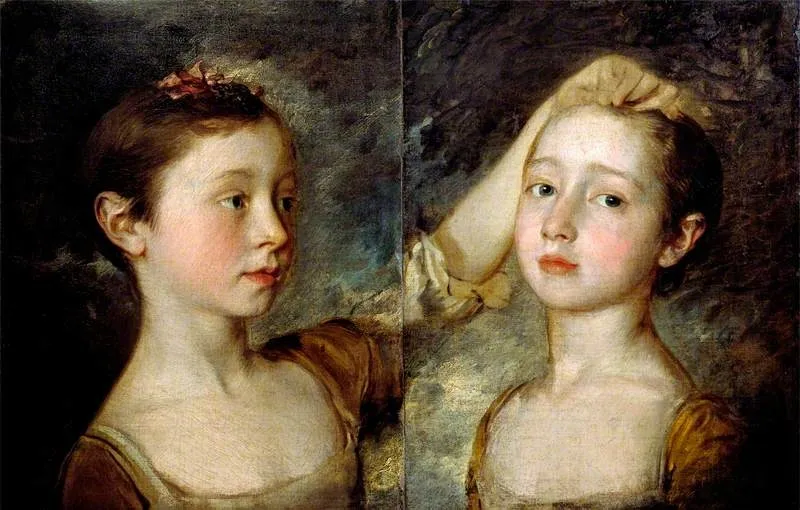
Portrait of the Painter's Two Daughters is an oil painting by the Rococo painting artist Thomas Gainsborough. It dates from 1758 and is held in the collection of the Victoria and Albert Museum.
About this work
Overview
Portrait of the Painter's Two Daughters is an oil on canvas painted by Thomas Gainsborough in 1758, depicting his daughters Mary and Margaret Gainsborough.
Portrait of the Painter's Two Daughters is an oil on canvas painted by Thomas Gainsborough in 1758, depicting his daughters Mary and Margaret Gainsborough. The work, measuring 40.6 by 61.6 cm, consists of two canvases joined vertically and is held at the Victoria and Albert Museum in London under accession number F.9. It belongs to a significant series of at least six double portraits Gainsborough made of his daughters between approximately 1756 and 1770, offering rare insight into the artist's private life and his sustained artistic engagement with his family. The painting stands as one of the earliest and most intimate records of Gainsborough's paternal affection, created during a pivotal period just before the artist relocated from Suffolk to Bath in 1759 to establish his major portrait practice.
Subject & Meaning
The painting portrays Mary Gainsborough, born circa 1748, and Margaret Gainsborough, born circa 1752, at approximately ten and six years of age respectively. Mary appears on the spectator's left, identified as the elder by her more mature bearing, while Margaret occupies the right panel. The girls are presented in close sisterly proximity, linked by Mary's arm reaching up to rest on Margaret's hair, which would have been cut short to fit under mob caps. Mary faces right in three-quarter profile with brown hair pulled back and adorned with a small pinkish bow, wearing a golden-brown dress with a low neckline. Margaret faces forward with her head turned slightly left, her hair wrapped in a pale yellow or cream-colored cloth, dressed in a similar golden-brown garment. The composition recalls Anthony van Dyck's portraits of children in its slightly melancholy sweetness, as noted by the Victoria and Albert Museum. The dark, loosely painted background of browns and muted greens eliminates any discernible setting, focusing attention entirely on the psychological presence of the sitters and the bond between them. The restrained palette of warm flesh tones, golds, and dark umbers contributes to an atmosphere of tender intimacy rather than formal grandeur.
Technique & Style
Gainsborough executed the work in oil on two joined canvases, a structural feature visible as a vertical seam running between the panels. The overall dimensions of 40.6 by 61.6 cm make this a relatively modest-scale intimate portrait. Light falls softly from the left, creating gentle modeling on the girls' cheeks and necks. The brushwork is notably fluid and visible, particularly in the background and clothing, while the faces receive smoother, more refined handling. This differential treatment, rougher in the surroundings and more polished in the physiognomic details, is characteristic of Gainsborough's working method and contributes to the soft, atmospheric finish. The paint surface exhibits fine craquelure throughout, consistent with its age and medium. The warm, restrained palette and the emergence of figures from a dark, undefined space demonstrate Gainsborough's early mastery of tonal harmony and his ability to create psychological depth through atmospheric means rather than precise detail.
History & Provenance
The painting was created in 1758, a date supported by stylistic analysis and the apparent ages of the sitters. This places it during Gainsborough's Suffolk period, shortly before his move to Bath in 1759. The work entered the Victoria and Albert Museum through the bequest of John Forster in 1876. Forster, a prominent Victorian collector and biographer, was a significant figure in London literary circles and his collection contributed substantially to public art holdings in Britain. The painting is catalogued under accession number F.9. While specific exhibition history for this particular work is not detailed in the available sources, related Gainsborough family portraits have featured in major exhibitions, including Gainsborough's Family Album at the National Portrait Gallery in 2018-2019, which explored the artist's sustained engagement with his immediate family as subjects.
Context
The portrait emerges from a period of intense familial focus in Gainsborough's career. Between approximately 1756 and 1770, he painted at least six double portraits of Mary and Margaret, making them among his most frequently depicted subjects. This sustained attention reflects both paternal devotion and professional circumstance: Gainsborough painted these family works for himself, free from patron demands, and some remained unfinished, suggesting they were laboratory for experimentation rather than commissioned productions. The girls' education at Blacklands School in Chelsea, where they learned drawing, and Margaret's subsequent musical accomplishment, informed the cultural milieu of these portraits. The artist's circle included musicians such as Johann Christian Bach and Carl Friedrich Abel, and Mary would later marry the oboe player Johann Christian Fischer in 1780, though the marriage proved brief and unhappy. Gainsborough's family portraits occupy a distinctive place in British art, offering an alternative to his public portraits of aristocratic patrons and anticipating later Romantic interests in childhood, individual psychology, and the artist's private world. The melancholy sweetness identified by scholars connects these works to Van Dyck's influence on British portraiture, while their informal intimacy points toward new directions in the genre.
Legacy
The portrait has endured as a key document of Gainsborough's personal life and as a touchstone for understanding his artistic priorities. The fate of the sitters, Mary and Margaret, adds a poignant dimension to its reception: Mary's mental illness and the sisters' eventual return to cohabitation after their father's death in 1788, with Margaret serving as Mary's nurse and protector until Margaret's death in 1820, has colored subsequent readings of the work's melancholy atmosphere. The painting's influence extends through reproduction and scholarly attention; a chromolithograph after the work was published by The Medici Society in 1909 and entered the National Portrait Gallery's collection. More broadly, Gainsborough's family portraits have gained prominence in art historical scholarship as evidence of the artist's private sensibility and as case studies in the intersection of pfts familial affection and artistic practice. The work remains at the Victoria and Albert Museum, accessible to researchers and the public, and continues to inform understanding of mid-eighteenth-century British portraiture, childhood representation, and the autobiographical strain in Gainsborough's oeuvre.
Artist & collection

Artist
Thomas Gainsborough (; 14 May 1727 (baptised) – 2 August 1788) was an English painter, draughtsman and printmaker who specialised in portrait and landscape painting.

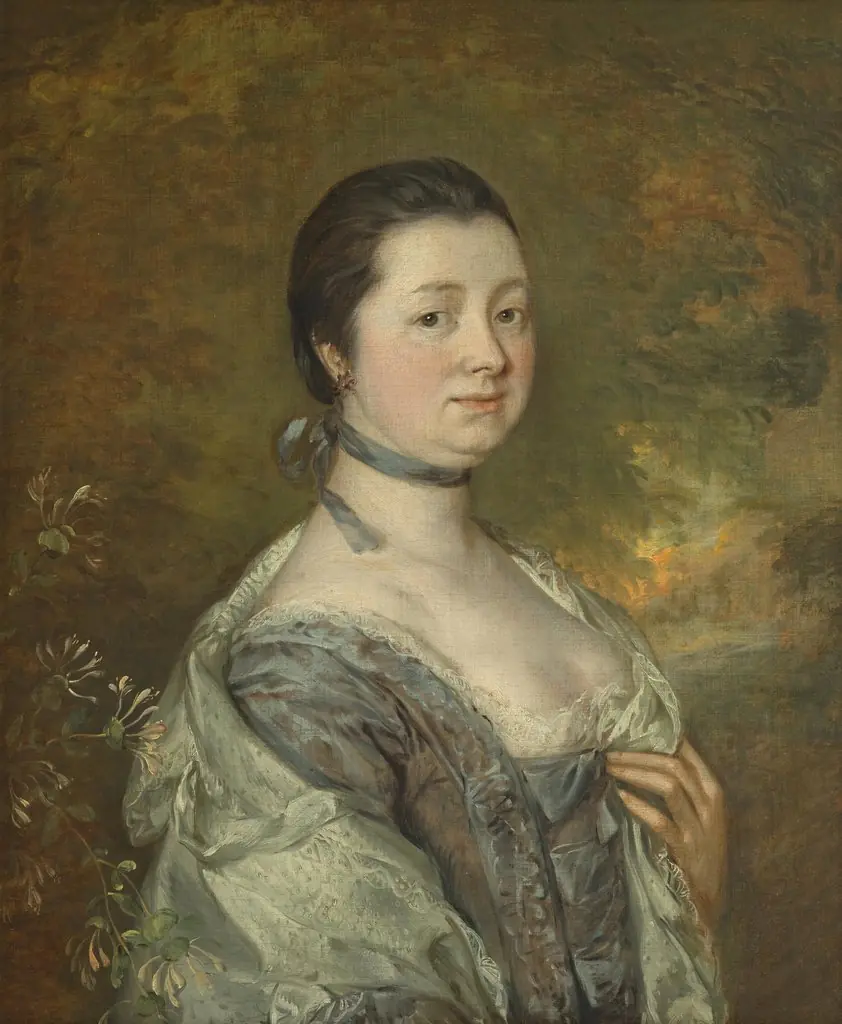 Margaret Gainsborough, née Burr (1728-1798)
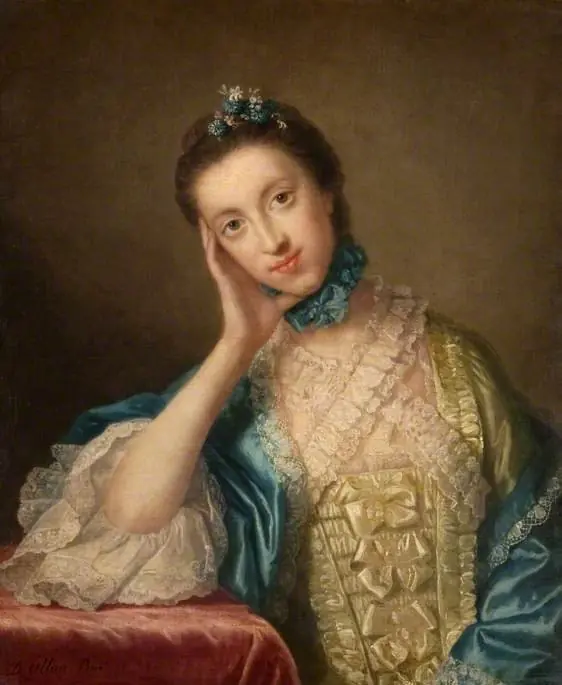 Jean Duff (1746–1805), Lady Grant
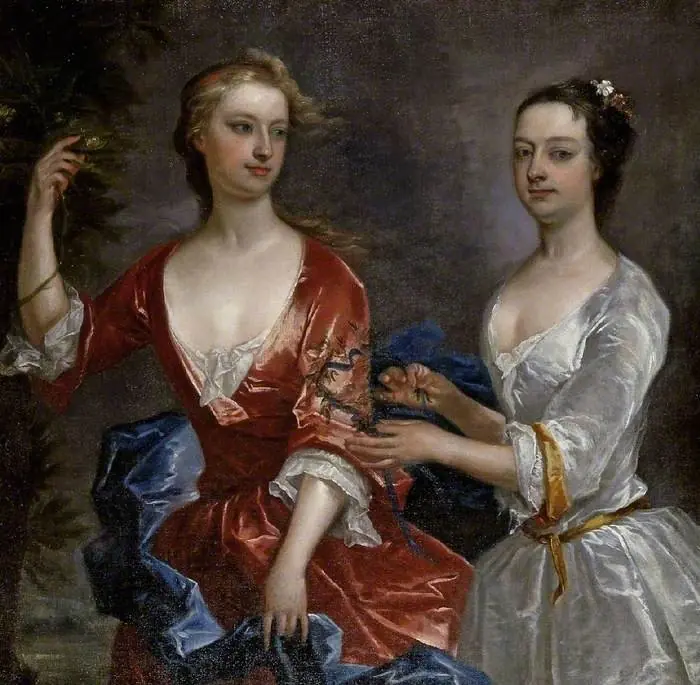 Martha and Theresa Blount
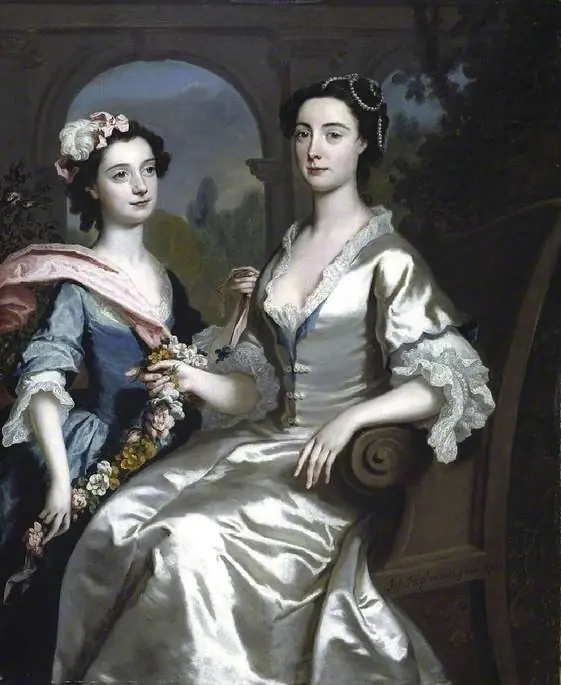 Mrs Elizabeth Birch and her daughter
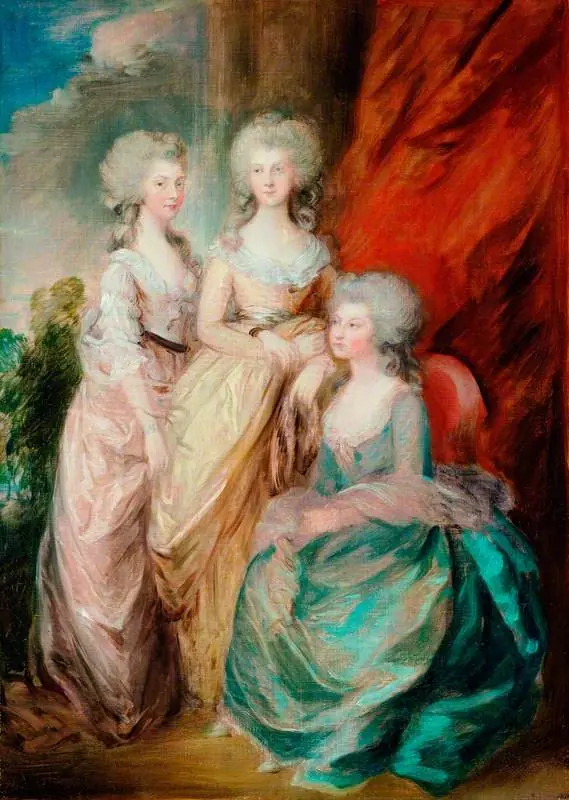 The Three Eldest Daughters of George III: Princesses Charlotte Augusta Matilda (1766–1828), Augusta Sophia (1768–1840), and Elizabeth (1770–1840) (after Thomas Gainsborough)
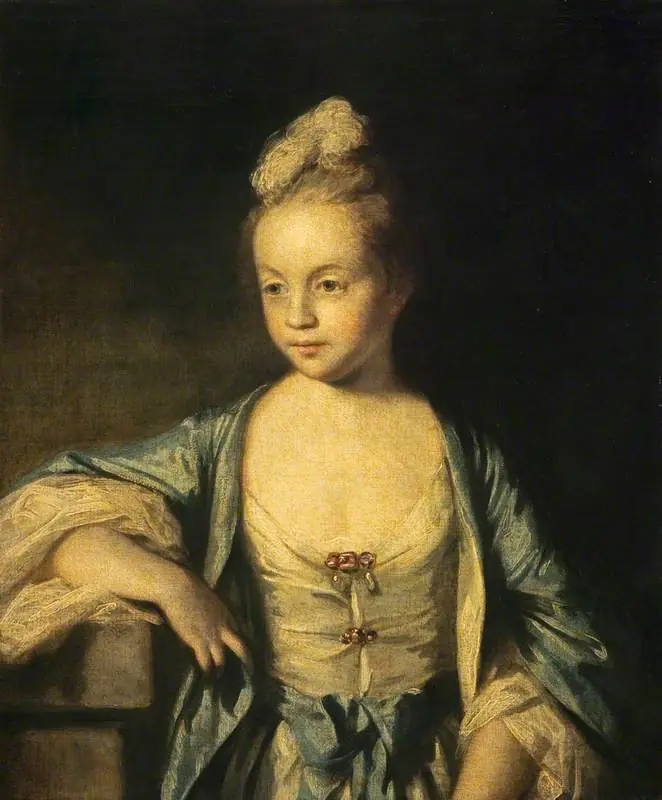 A Little Girl (possibly Lady Frances Scott, later Lady Douglas, 1750 - 1817)
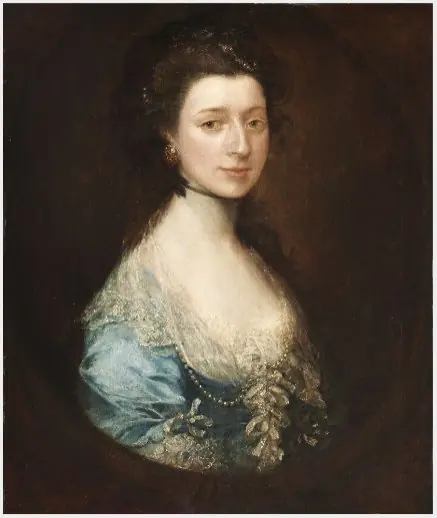 Portrait of Mrs King (née Spence)
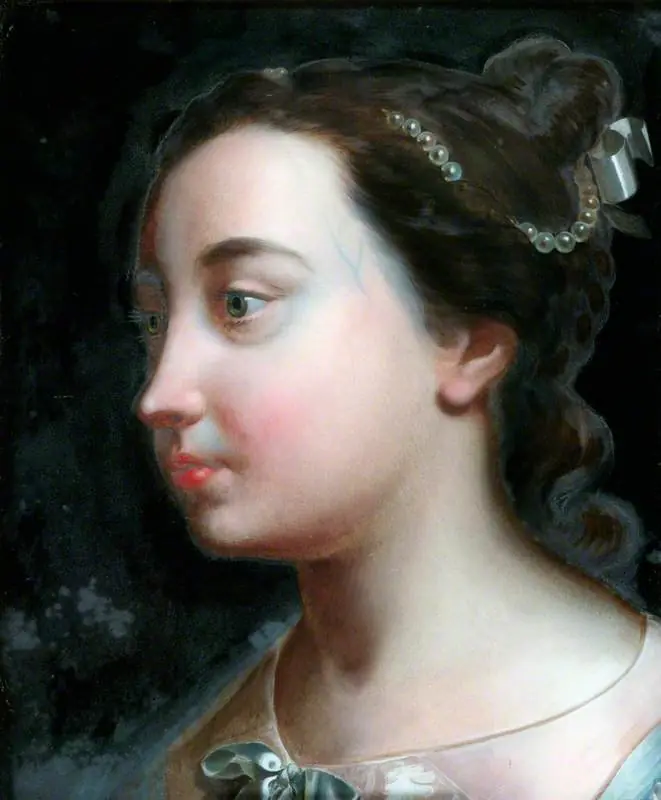 Margaret Ainge
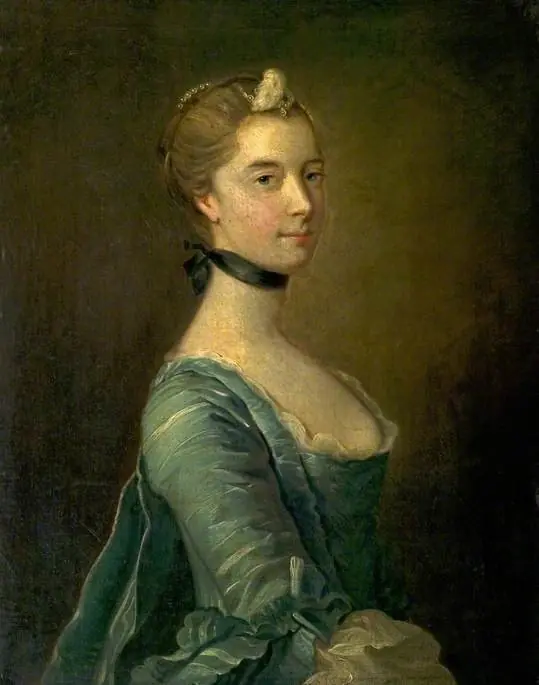 Portrait of an Unknown Woman (possibly Laura Walpole)
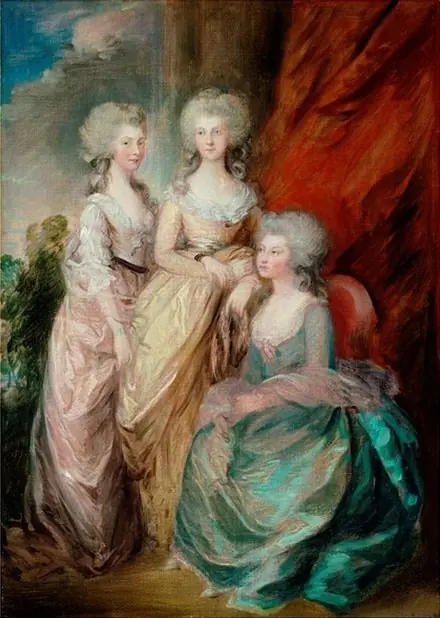 The Three Eldest Daughers of George III: Princesses Charlotte Augusta Matilda, Augusta Sophia, and Elizabeth
 Henrietta Diana (1728–1761), Dowager Countess of Stafford
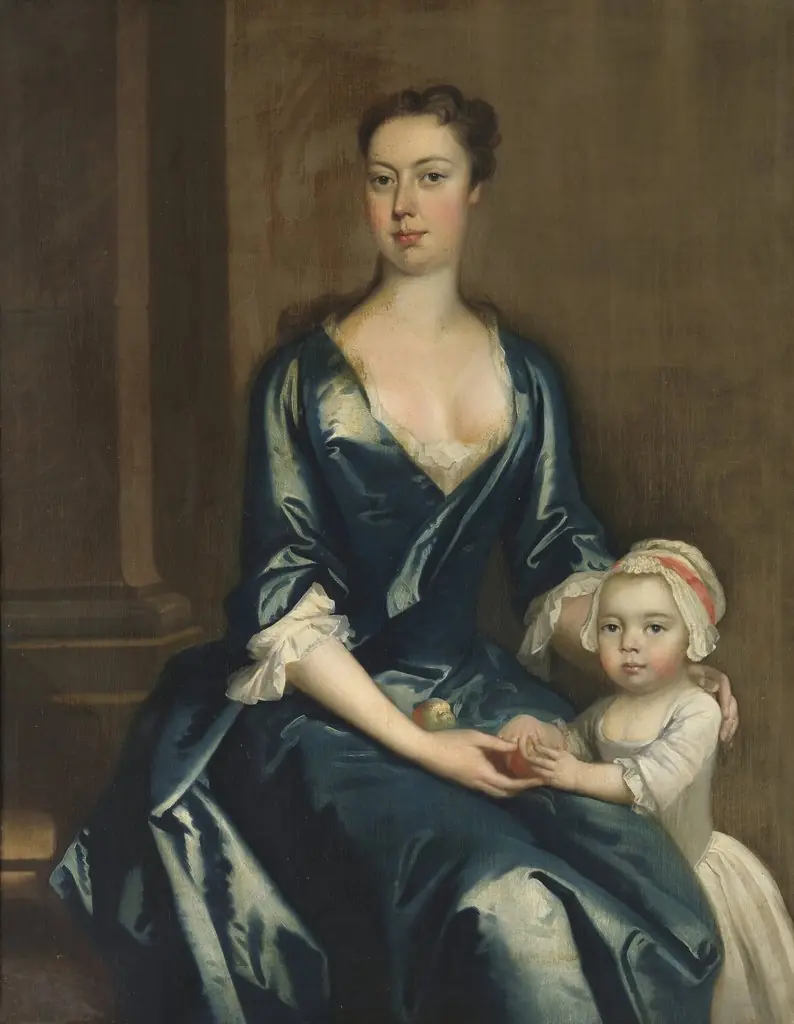
- Portrait of a Lady with her daughter