Artwork
Jupiter and Antiope
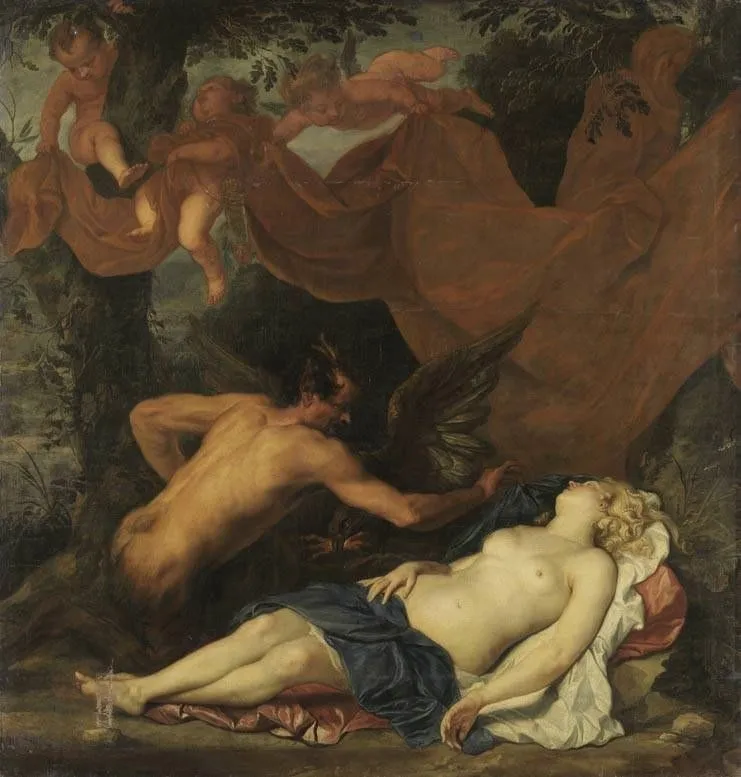
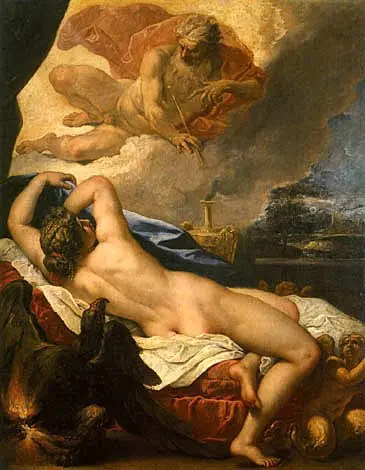
Jupiter and Antiope is an unspecified painting by the Flemish Baroque painting artist Thomas Willeboirts Bosschaert. It dates from 1633 and is held in the collection of the Bavarian State Painting Collections.
About this work
Subject & Meaning
The work is classified as a mythological painting, and the central subject is explicitly identified as the pair of Jupiter and Antiope.
The painting depicts the mythological encounter between Jupiter, the king of the Roman gods, and Antiope, a princess of Thebes. According to classical mythology, Jupiter became enamored with Antiope and approached her in disguise, a narrative frequently treated in European art as an opportunity to combine divine seduction with the nude figure. The work is classified as a mythological painting, and the central subject is explicitly identified as the pair of Jupiter and Antiope.
Bosschaert's treatment belongs to the broader tradition of Ovidian mythological painting popular in seventeenth-century Flemish art, in which such episodes served both as moralizing tales about the gods' amorous transgressions and as showcases for the painter's ability to render flesh, drapery, and dramatic lighting. The pairing of a powerful male deity with a vulnerable mortal woman also carried symbolic weight, often read as an allegory of irresistible desire overwhelming innocence.
Technique & Style
The painting employs oil on canvas, measuring 208 cm in height and 199 cm in width. The handling reflects the Flemish Baroque style of the early seventeenth century, characterized by smooth modeling and a polished surface that emphasizes narrative clarity. Figures are arranged in a balanced composition, with Jupiter positioned centrally and Antiope to his left, their poses conveying a controlled dynamism typical of Willeboirts Bosschaert’s academic approach.
The palette relies on rich, saturated hues, deep crimsons, velvety blues, and warm flesh tones, enhanced by subtle chiaroscuro to articulate volume and depth. The condition, as cataloged by the holding institution, is stable with minor varnish discoloration consistent with its age.
History & Provenance
The painting Jupiter and Antiope was created by Thomas Willeboirts Bosschaert in 1633, as indicated by the dated inscription on the work. The canvas entered the Bavarian State Painting Collections, where it has remained as part of the holdings of the Alte Pinakothek in Munich. The work’s mythological subject, depicting Jupiter and Antiope, aligns with the artist’s known focus on historical and classical themes during this period.
The painting Jupiter and Antiope by Thomas Willeboirts Bosschaert is held in the collection of the Bavarian State Painting Collections. It is currently located at the Alte Pinakothek in Munich. The work, created in 1633, is cataloged within this institution's inventory as a mythological painting depicting Jupiter and Antiope.
The source material does not provide a specific inventory or accession number for the piece, nor does it list any exhibition history.
Overview
Thomas Willeboirts Bosschaert’s 1633 canvas, titled Jupiter and Antiope, presents a nocturnal tableau drawn from classical mythology. The work resides in Munich’s Alte Pinakothek, where it is displayed among the museum’s Baroque holdings. It captures a moment of divine intrusion, juxtaposing a vulnerable human figure with a celestial being in a tightly composed scene.
Artist & collection
Artist
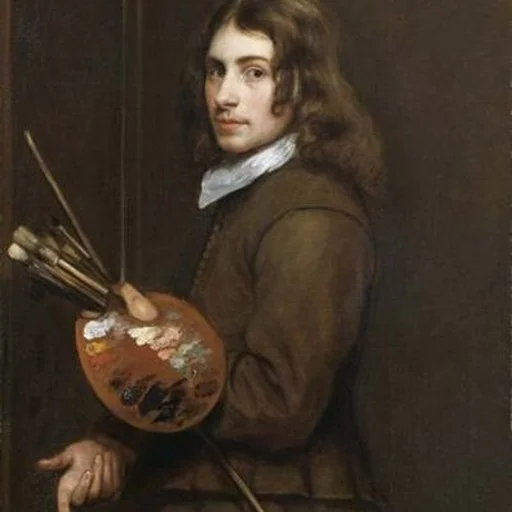
Thomas Willeboirts Bosschaert (1613–1654) was an artist, born in Bergen op Zoom.

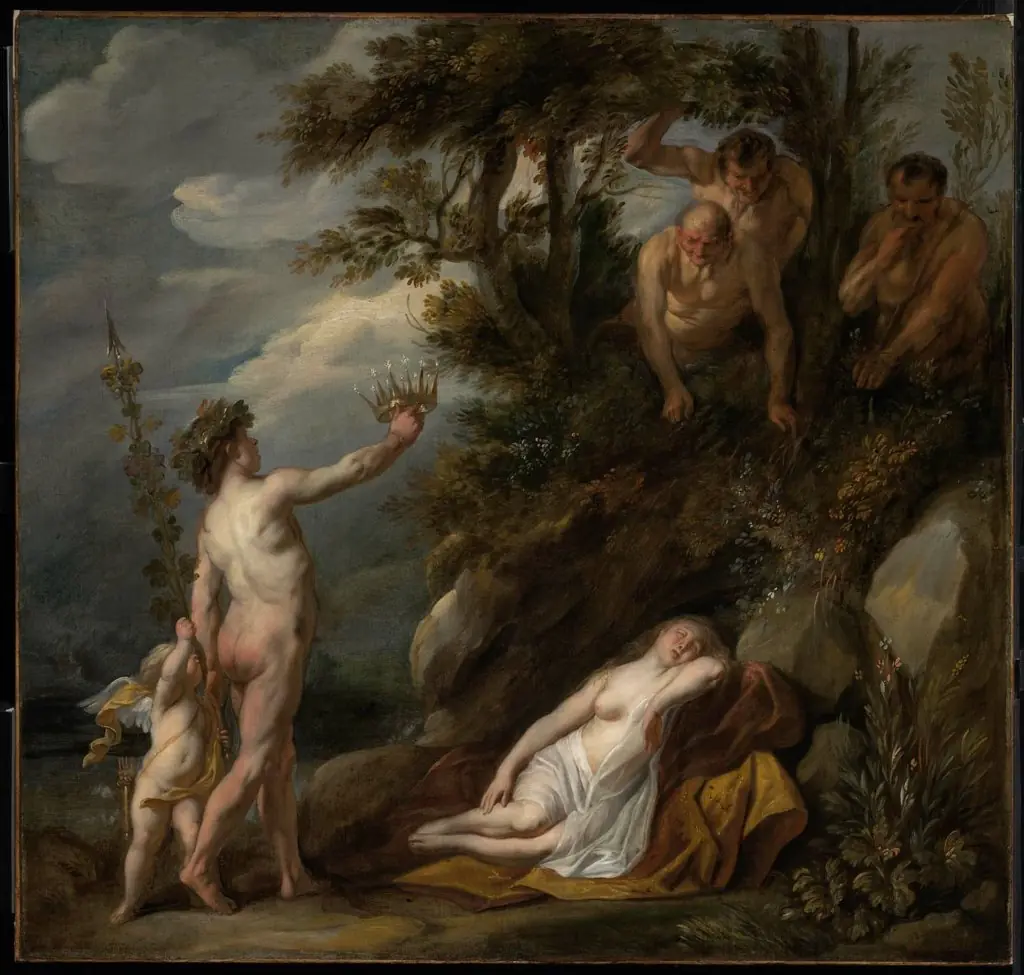 Bacchus Discovering Ariadne
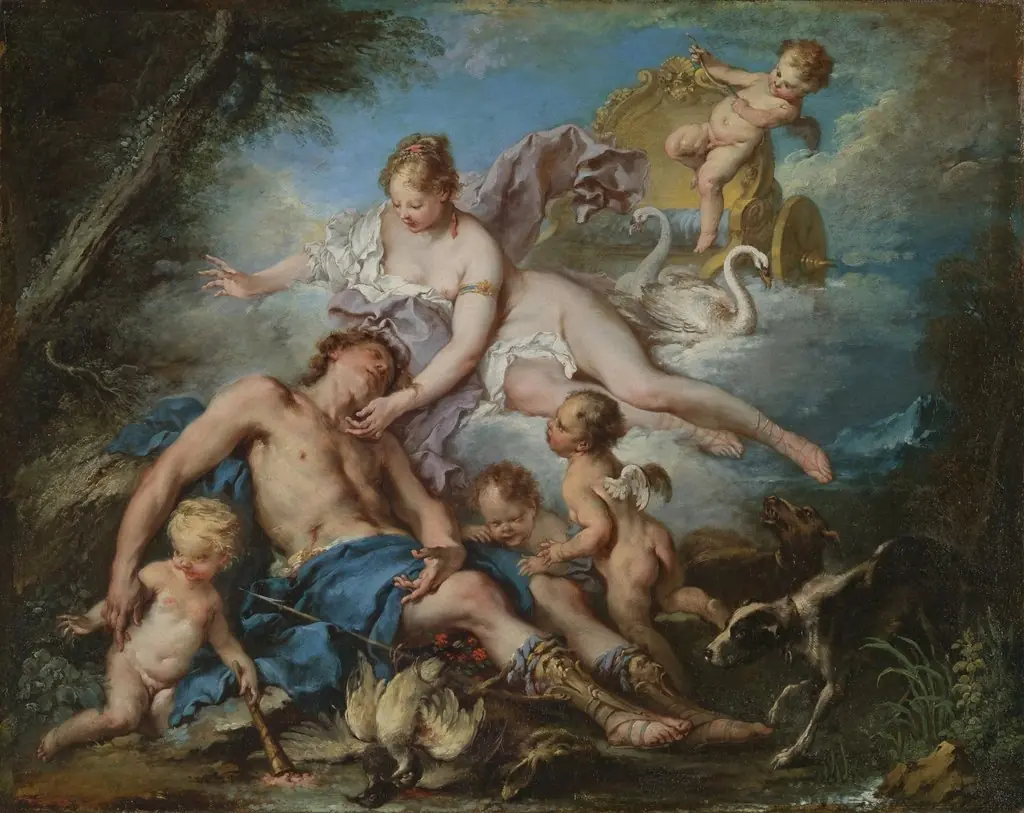 La mort d'Adonis
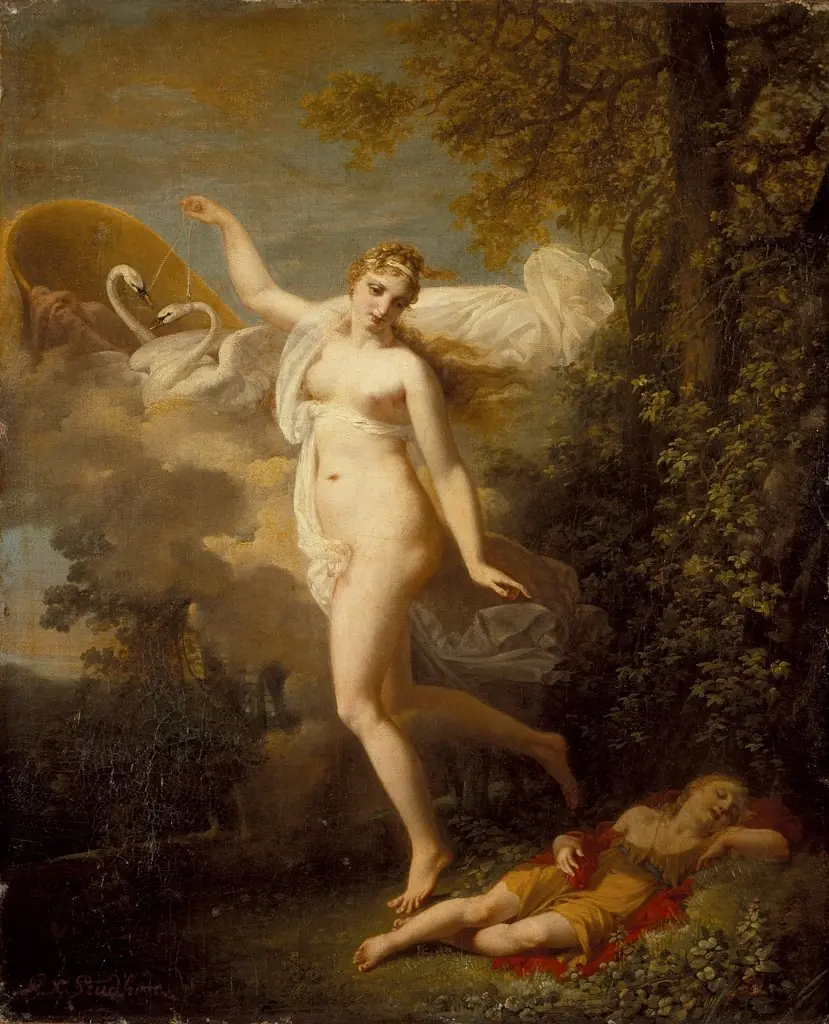 Venus and a Sleeping Cupid
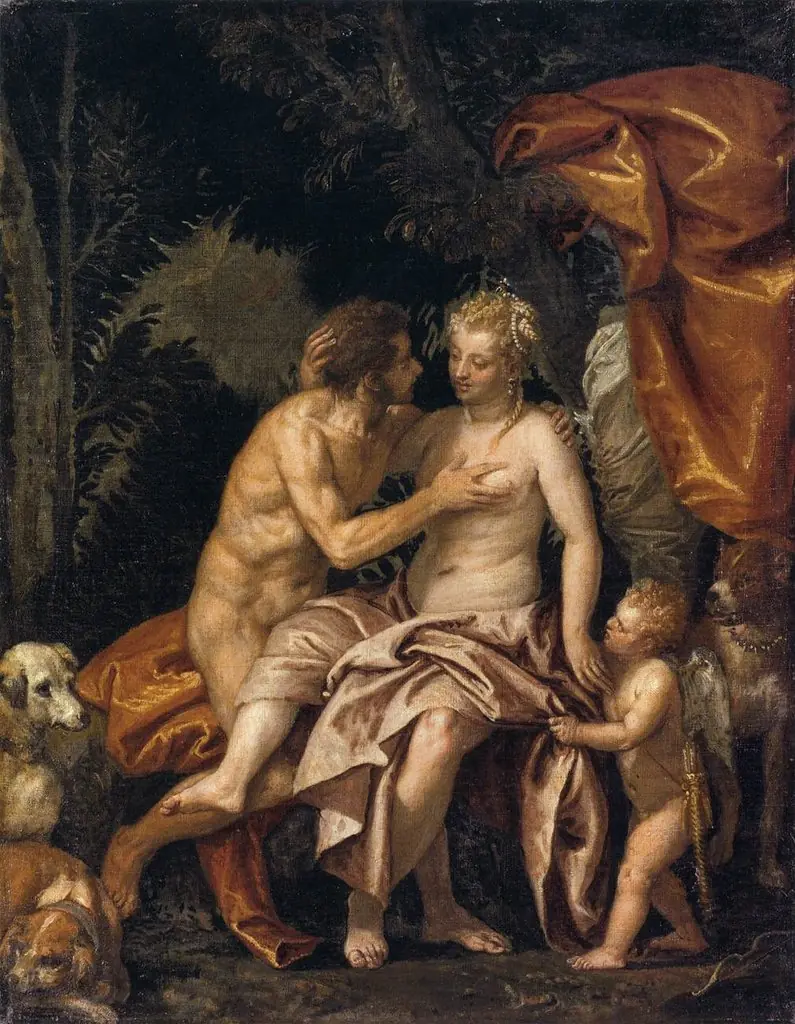 Venus and Adonis
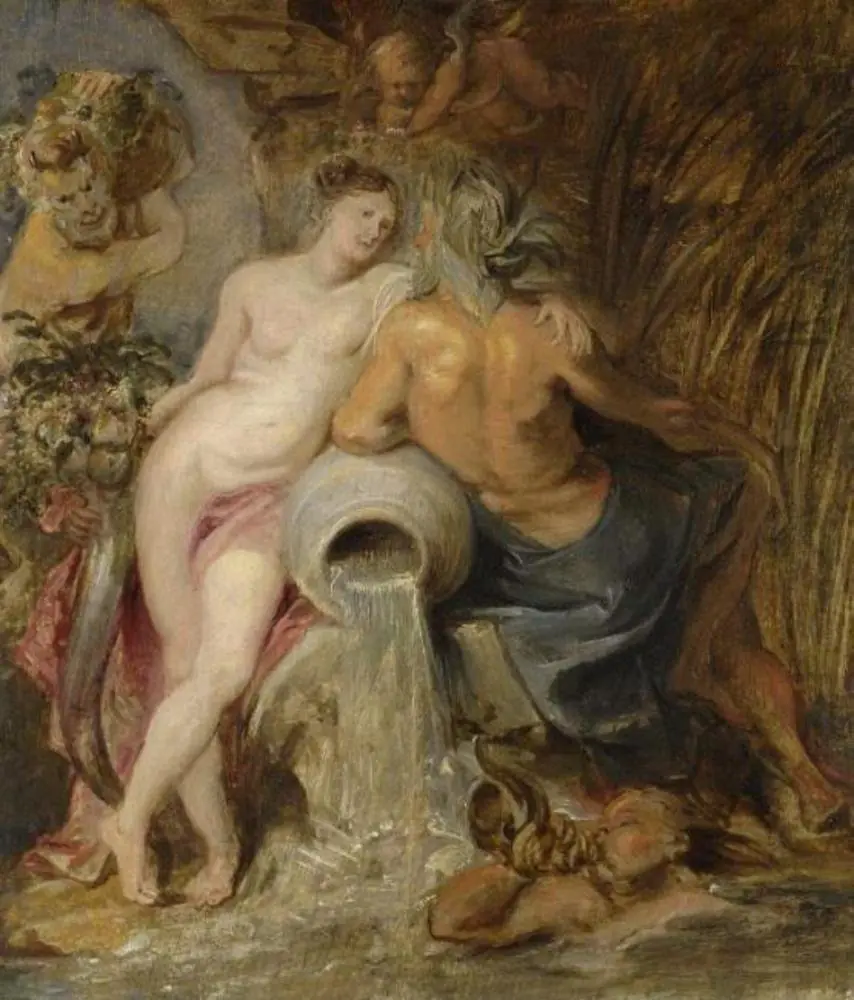 The Union of Earth and Water
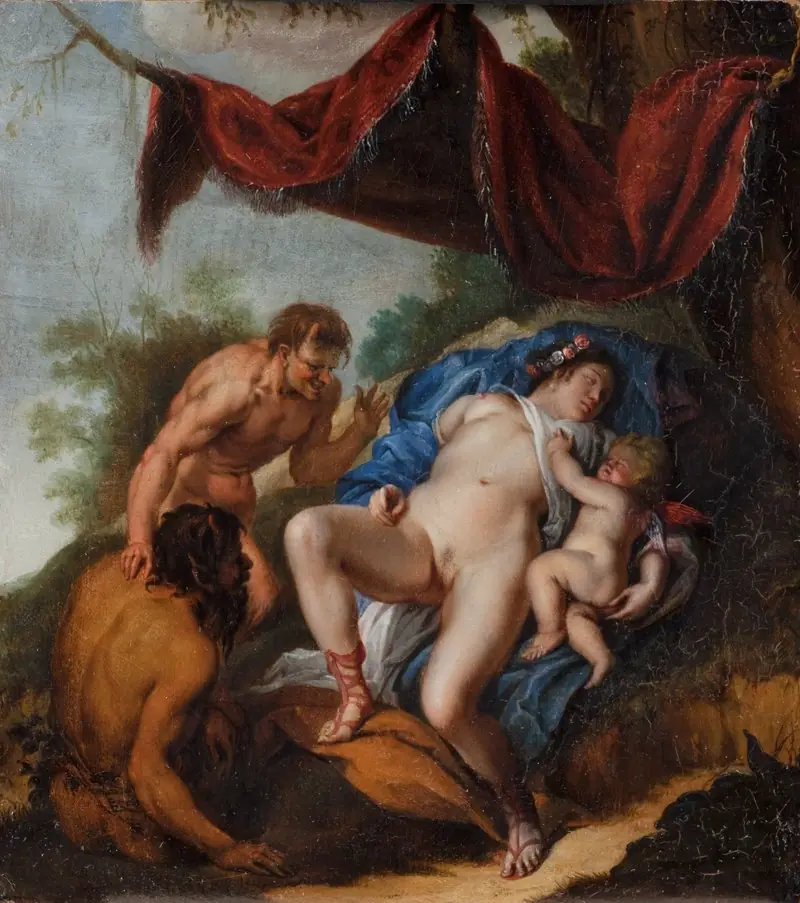 Sleeping Venus with Cupid Watched by Satyrs
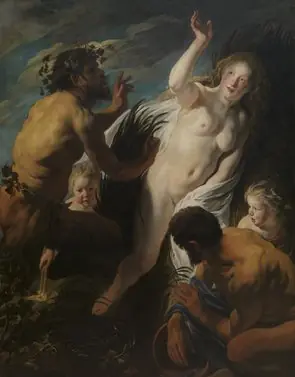 Pan en Syrinx
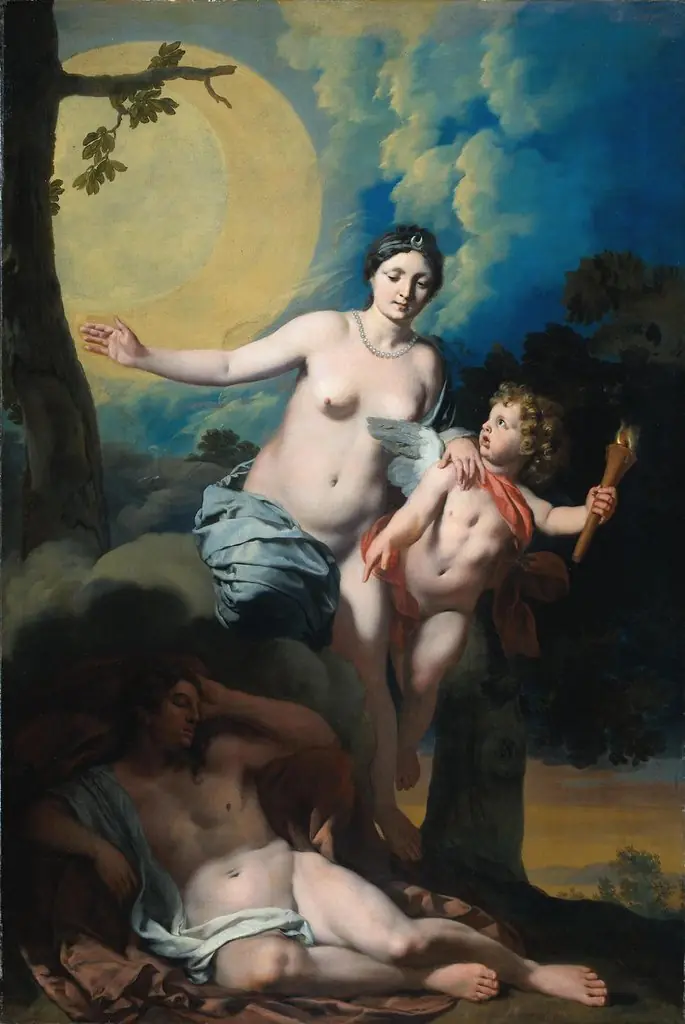 Selene and Endymion
 Ceres and Bacchus awaken Venus
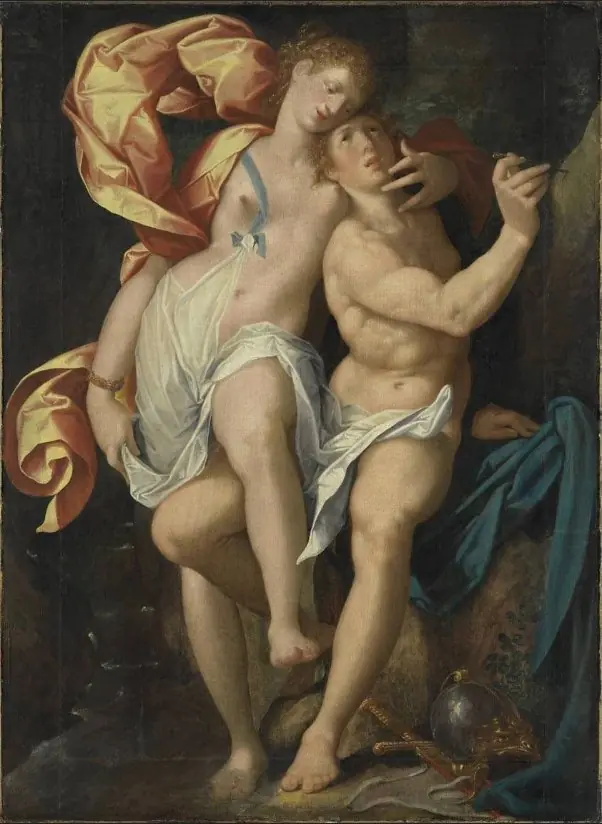 Angelica and Medoro
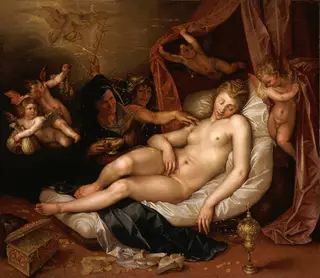 The Sleeping Danae Being Prepared to Receive Jupiter
- Jupiter and Semele