Artwork
Portrait of the Venetian Admiral Giovanni Moro
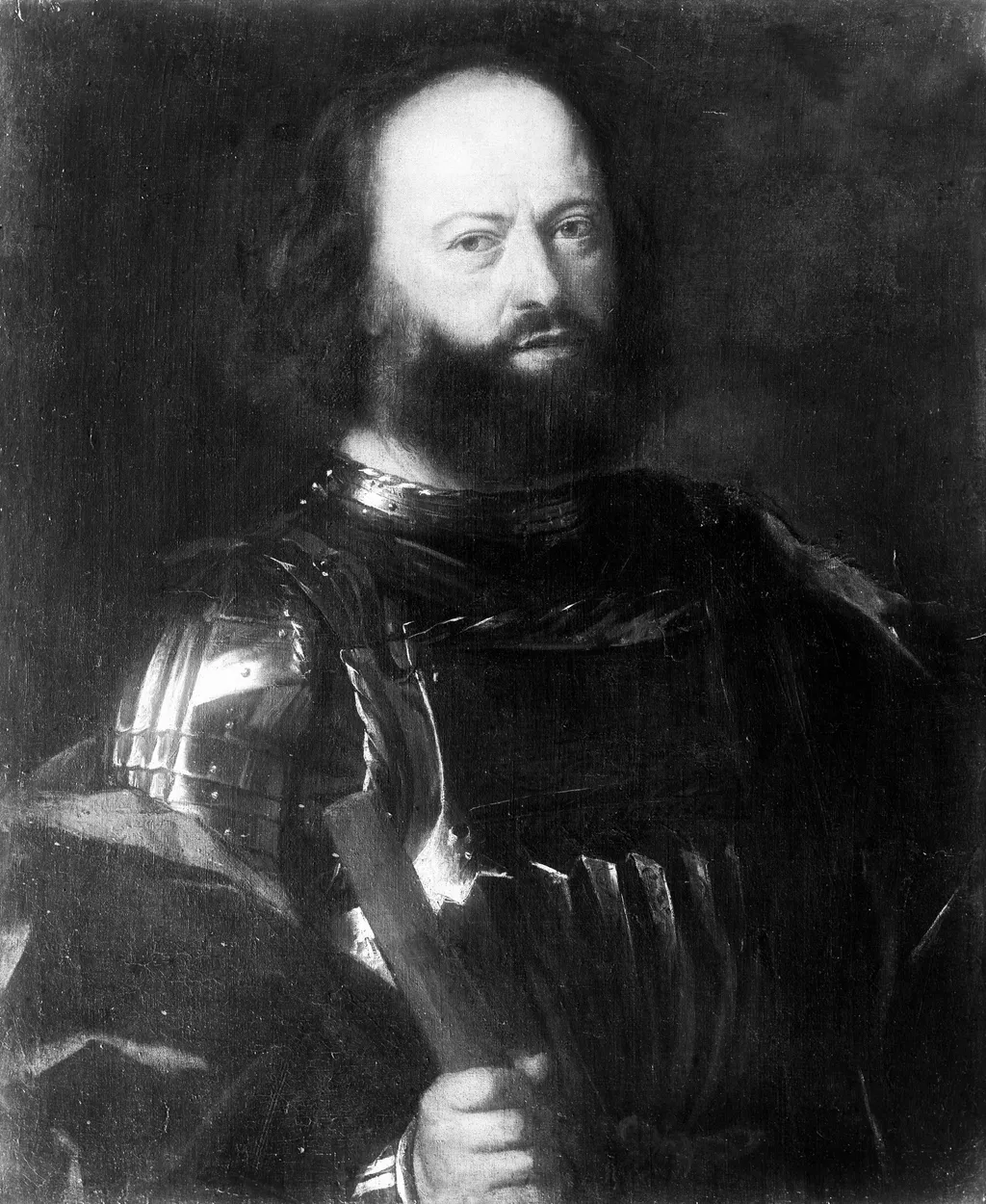
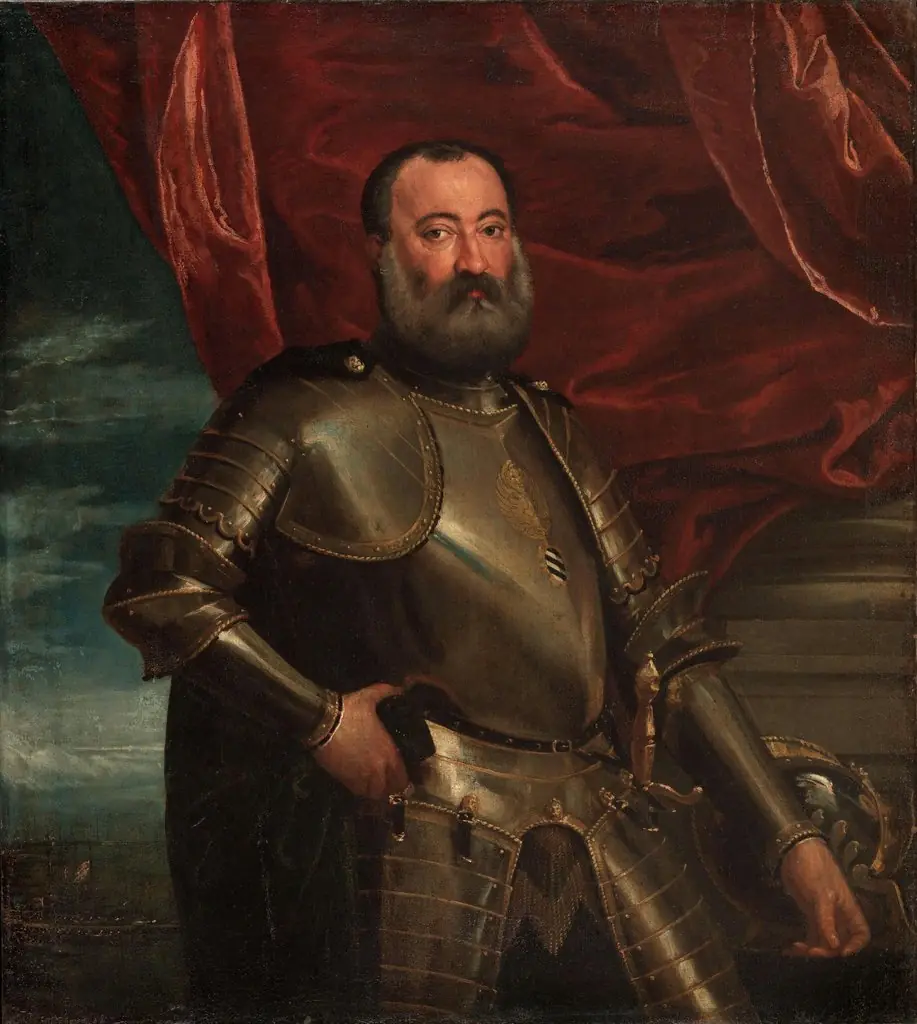
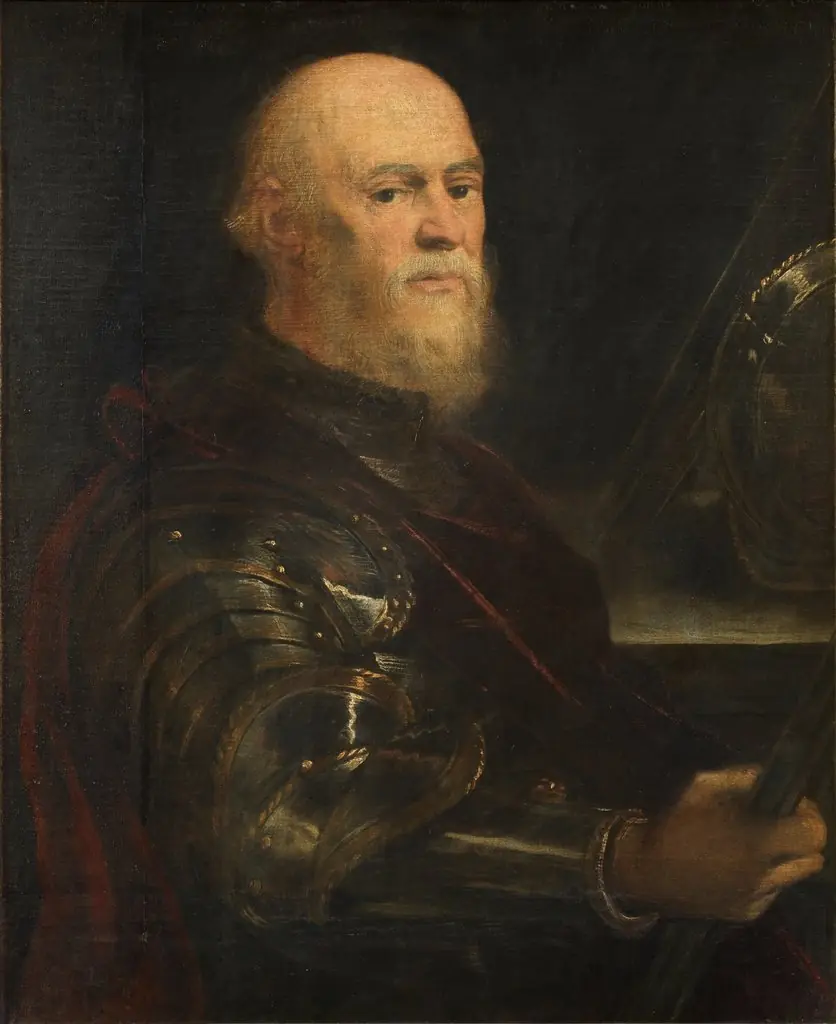
Portrait of the Venetian Admiral Giovanni Moro is an oil painting by the High Renaissance artist Titian. It dates from 1538 and is held in the collection of the Gemäldegalerie Berlin. Painted in 1538, this oil portrait captures Giovanni Moro, a Venetian naval commander, in full armor.
About this work
Overview
Painted in 1538, this oil portrait captures Giovanni Moro, a Venetian naval commander, in full armor. Executed by Titian, a central figure of the Venetian Renaissance, the work exemplifies the period’s emphasis on individual presence and material realism. It resides today in the Gemäldegalerie, Berlin, as part of a collection highlighting Renaissance portraiture.
Subject & Meaning
Giovanni Moro is portrayed not as a ceremonial figure but as a man of authority and discipline. His direct gaze and restrained expression convey quiet command rather than ostentation. The armor suggests his military role, while the absence of symbols or background elements narrows focus to his personal bearing, reflecting the Venetian ideal of stoic leadership in service to the Republic.
Technique & Style
The dark, neutral background isolates the figure, heightening the tactile quality of the materials and the psychological intensity of the sitter.
Titian employed chiaroscuro to model the armor’s surfaces, using sharp contrasts of light and shadow to suggest volume and texture. Brushwork varies: smooth transitions define the skin, while finer strokes render the intricate metal plates and fabric linings. The dark, neutral background isolates the figure, heightening the tactile quality of the materials and the psychological intensity of the sitter.
History & Provenance
Commissioned during Moro’s active service, the portrait entered the Berlin collection in the 19th century after passing through private Venetian and German holdings. Its attribution to Titian has been consistently supported by stylistic analysis and documentary evidence from the Venetian state archives, which note Moro’s prominence in naval affairs around the painting’s date.
Context
In mid-16th century Venice, naval power was vital to the Republic’s survival and prestige. Portraits of admirals like Moro served both as personal commemoration and public affirmation of state strength. Titian’s approach, focusing on character over heraldry, aligned with a broader shift toward psychological depth in Venetian portraiture, distinguishing it from more formal Florentine traditions.
Legacy
The portrait influenced later artists in its restrained realism and emphasis on material texture. Titian’s ability to convey presence through light and surface detail became a model for portraitists across Europe. While not widely exhibited, its quiet authority continues to inform scholarly understanding of how Renaissance painters rendered power without spectacle.
Own this work as a print
Artist & collection
Artist
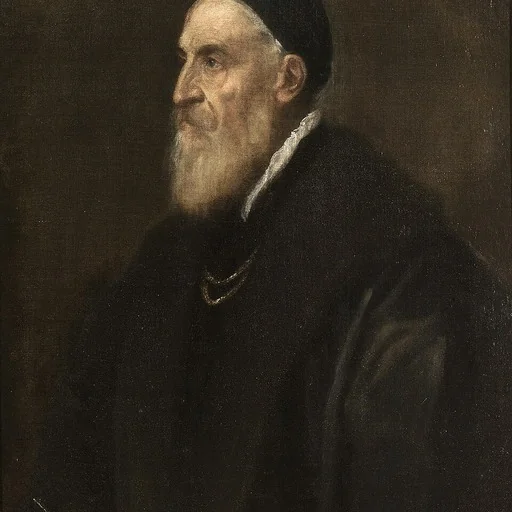
Tiziano Vecellio (Italian:; c. 1488/1490 – 27 August 1576), Latinized as Titianus, hence known in English as Titian ( TISH-ən), was an Italian Renaissance painter. The most important artist of Renaissance Venetian…