Artwork
明 佚名 舊傳夏珪 長江萬里圖 卷 (前半) |First half of Ten Thousand Li of the Yangzi River

明 佚名 舊傳夏珪 長江萬里圖 卷 (前半) |First half of Ten Thousand Li of the Yangzi River is an ink painting. It dates from 1483 and is held in the collection of the Metropolitan Museum of Art. This handscroll, titled First half of Ten Thousand Li of the Yangzi River, is an ink and color painting on silk.
About this work
Subject & Meaning
The handscroll painted in 1483 by an anonymous Chinese artist portrays a mountainous riverine vista linked to the Yangzi River, embodying the traditional Chinese landscape genre. Executed in ink and color on silk, the work is classified as a landscape painting and, according to its cataloguing, depicts a mountain within a broader riverine scenery. Its creation in China and subsequent inclusion in the Metropolitan Museum of Art underscore its significance as a representative example of early Ming‑era shan‑shui art, where natural forms convey a harmonious order of the cosmos.
Technique & Style
The technique employs layered ink washes combined with subtle mineral pigments to render atmospheric perspective and texture of mountains and river.
The work is a handscroll painted in ink and color on silk during the late Ming period (1483). The support is silk, providing a flexible surface typical of handscrolls that allows sequential viewing. The technique employs layered ink washes combined with subtle mineral pigments to render atmospheric perspective and texture of mountains and river.
Brushwork is delicate yet expressive, with varying stroke density to suggest depth. The composition is divided into registers, guiding the eye along the river’s course. Condition is stable, with minor silk wear but no major pigment loss.
History & Provenance
The handscroll known as the first half of Ten Thousand Li of the Yangzi River is attributed to an anonymous Chinese painter active during the Ming dynasty. Based on available records, the work was created in 1483. Although the piece is traditionally associated with the Song dynasty master Xia Gui, current scholarship identifies the artist as unknown.
The painting, executed in ink and color on silk, depicts a vast landscape featuring mountains. It is currently held in the collection of the Metropolitan Museum of Art. The work's creation history reflects the Ming era practice of producing landscape scrolls, though the specific commission or original patron remains unrecorded in the provided sources.
The first half of Ten Thousand Li of the Yangzi River is held in the collection of the Metropolitan Museum of Art, New York. It is recorded under accession number 1987.230.1 in the museum’s holdings. The work has not been documented in any publicly listed exhibition history according to available sources.
Context
The work, dated 1483 and executed as a handscroll in ink and color on silk, exemplifies the anonymous landscape tradition of late Ming China. As recorded in the Metropolitan Museum of Art’s catalogue, the painting belongs to the genre of landscape painting and portrays a mountainous scene, reflecting the visual language of Chinese ink scenery. Scholars interpret its authorship as representative of the unnamed masters who contributed to the development of landscape painting in the period, situating the piece within the broader trajectory of Chinese artistic production.
Its presence in the Met’s collection has encouraged detailed iconographic and contextual studies that link the work to contemporary discussions of anonymity and stylistic continuity in East Asian art.
Overview
This handscroll, titled First half of Ten Thousand Li of the Yangzi River, is an ink and color painting on silk. Created by an unidentified artist during the Ming dynasty, it depicts an expansive landscape centered around a long, winding river. The artwork captures a significant portion of the Chinese natural environment, characterized by numerous mountains and waterways, conveying a sense of tranquility and vastness.

Artist & collection

 Buddha's Conversion of Five Bhiksu
 Green Peaks under Clear Sky: After Huang Gongwang
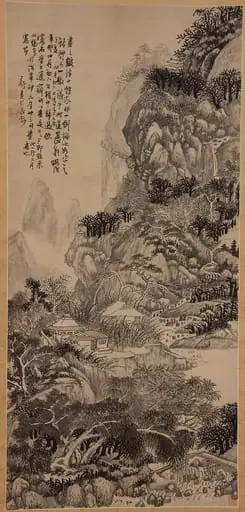 明/清 王鐸 山水圖 軸|Mountain Landscape
 Autumn Mist in the Countryside
 Autumn Mist in the Countryside
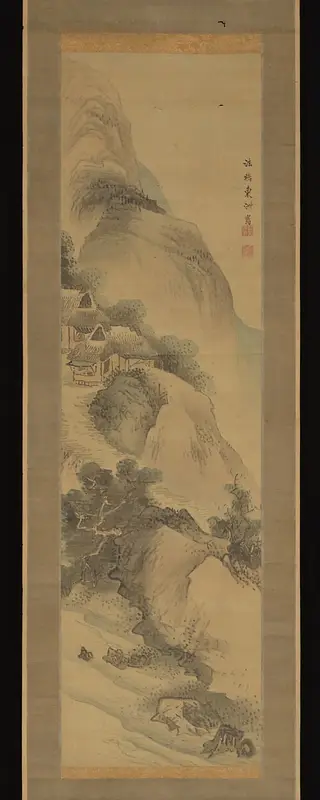 Untitled
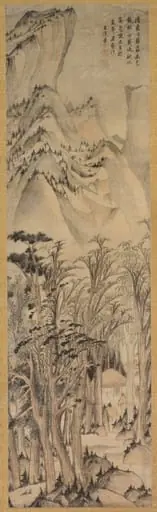 Solitary Colors of the Autumn Woods
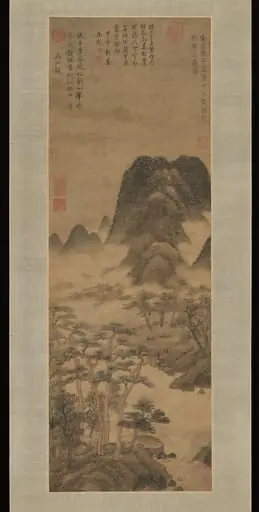 元 張羽 松軒春靄圖 軸|Spring Clouds at the Pine Studio
 Streams and Mountains without End
 Returning to the Village in a Rainstorm