Artwork
Buddhist Sage
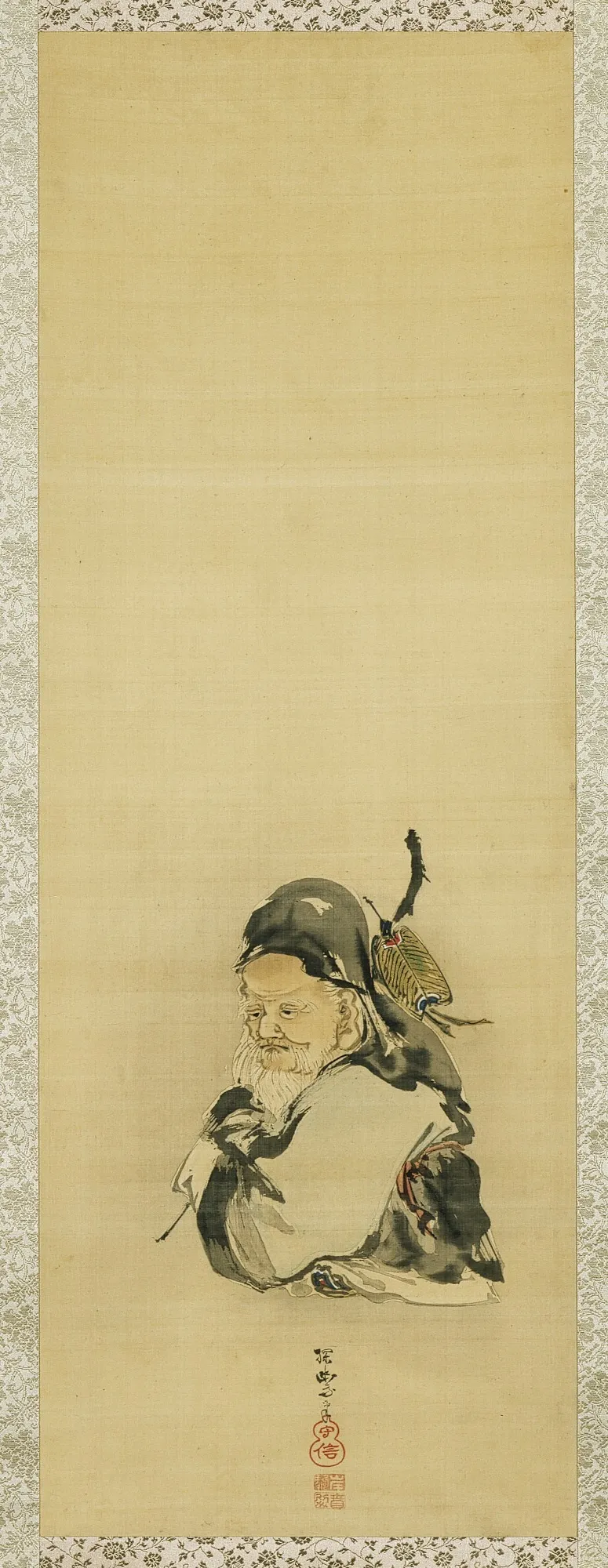
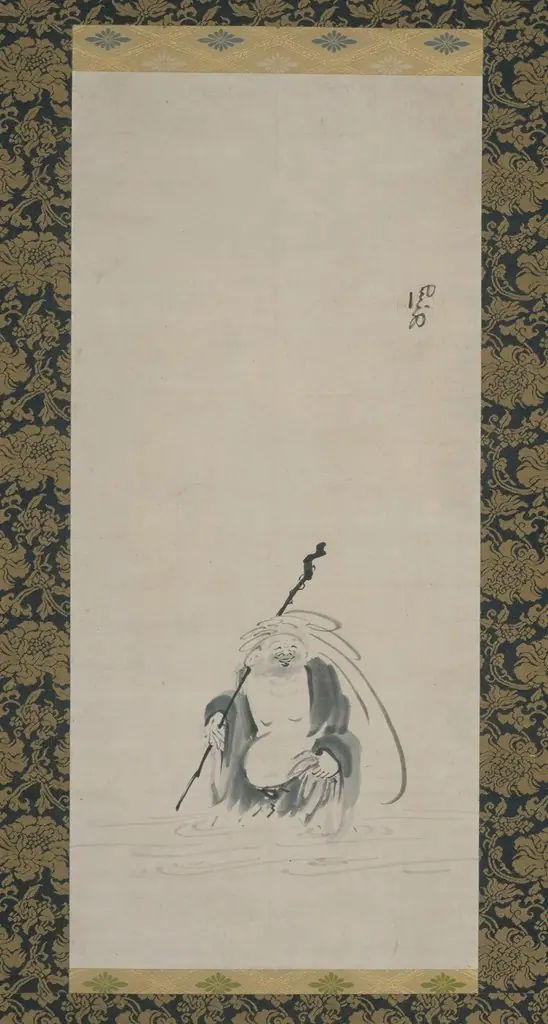
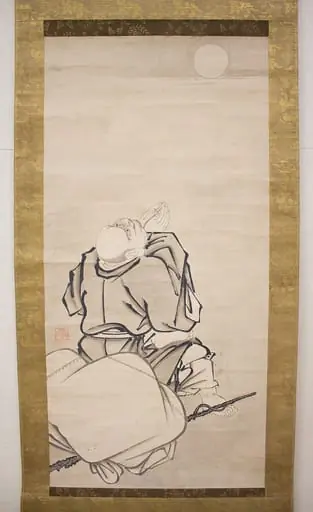
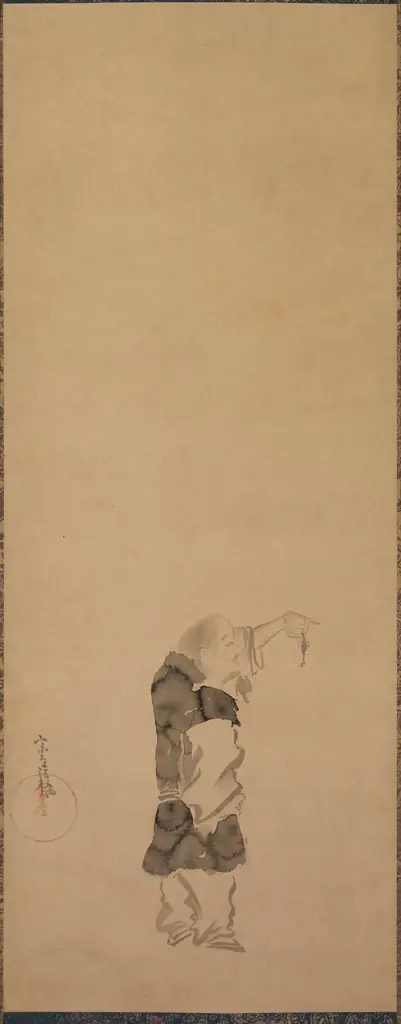
Buddhist Sage is an unspecified painting by the Nanga artist Kishi Ganku. It dates from 1756 and is held in the collection of the Detroit Institute of Arts.
About this work
Overview
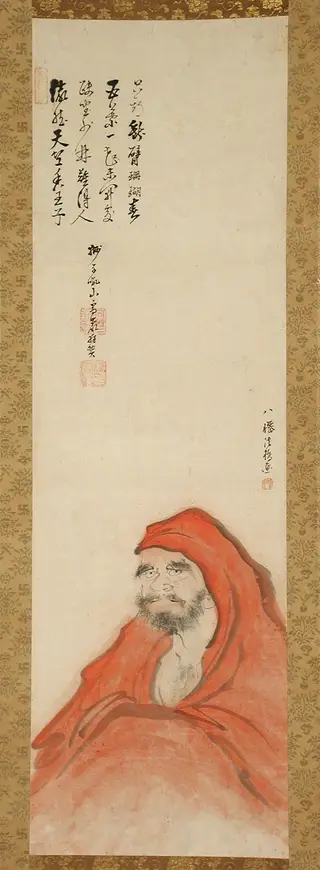
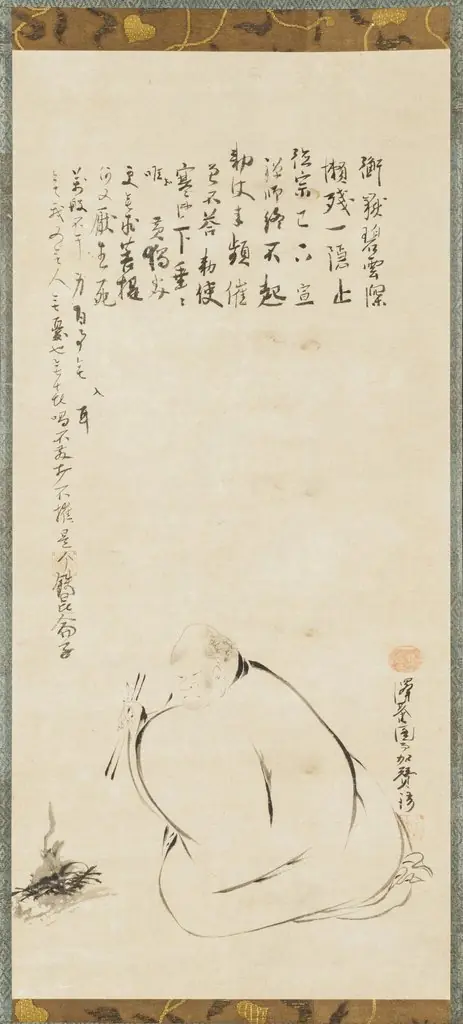
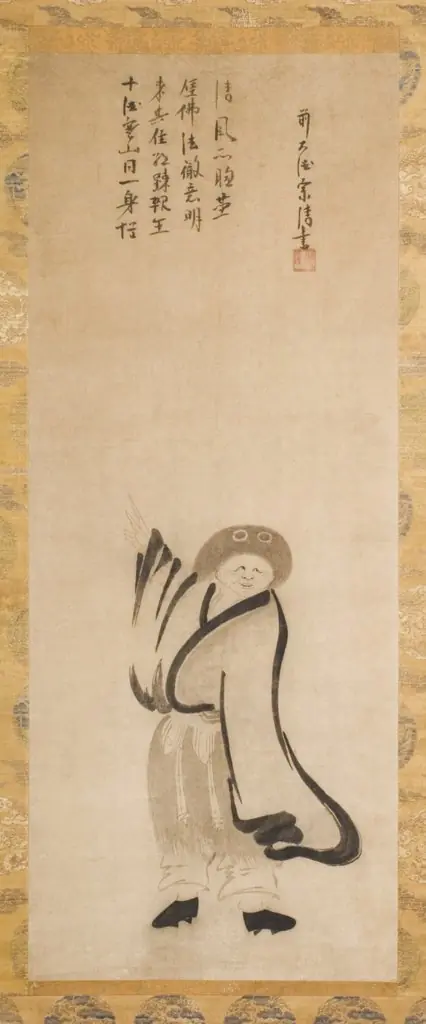
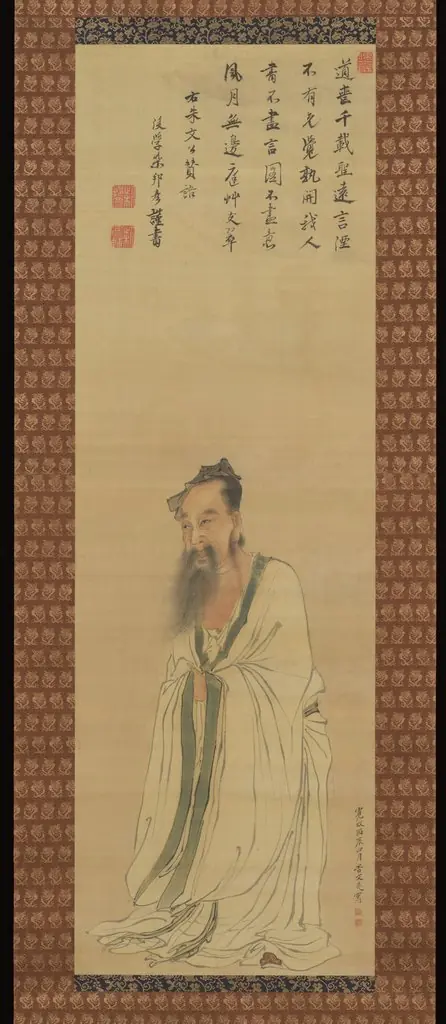
Buddhist Sage, painted in 1756 by Kishi Ganku, is a portrait of an elderly ascetic rendered in ink and color on silk. The work resides in the Detroit Institute of Arts, where it exemplifies Edo-period Japanese portraiture. Ganku’s focus on quiet dignity and naturalistic detail reflects the influence of Chinese scholarly painting traditions adapted within Japanese aesthetic sensibilities.
Subject & Meaning
The figure is likely a Buddhist monk or hermit, identified by his long white beard, simple robes, and contemplative demeanor. The bird perched on his shoulder suggests harmony with nature, a common theme in Zen-inspired imagery. His gaze, directed away from the viewer, implies inward reflection, aligning with ideals of spiritual withdrawal and mindfulness central to Buddhist practice.
Technique & Style
Ganku employs fine ink lines and subtle washes to define the folds of the robe, creating a sense of soft volume and tactile texture. The warm beige background provides a neutral field that enhances the figure’s presence without distraction. Delicate brushwork captures the wisps of beard and feathers with precision, balancing realism with restrained elegance typical of literati painting.
History & Provenance
The painting was completed during the mid-Edo period, a time when Japanese artists increasingly drew from Chinese models while developing distinct local styles.
The painting was completed during the mid-Edo period, a time when Japanese artists increasingly drew from Chinese models while developing distinct local styles. Ganku, trained in the Kanō school but influenced by Chinese ink traditions, produced works for scholarly and monastic patrons. The painting entered the Detroit Institute of Arts’ collection in the 20th century, likely through private acquisition or donation.
Context
In 18th-century Japan, depictions of sages and hermits were popular among educated elites who valued Confucian and Zen ideals. These images served not only as devotional aids but also as symbols of moral integrity and intellectual refinement. Ganku’s work fits within this trend, blending religious subject matter with the refined aesthetics of literati painting practiced by amateur scholar-artists.
Legacy
Kishi Ganku’s Buddhist Sage remains a representative example of Edo-period portraiture that bridges Chinese artistic heritage and Japanese sensibility. While not widely known outside specialized circles, the work continues to be studied for its technical subtlety and its embodiment of spiritual quietude. It contributes to broader understandings of how Buddhist themes were visually sustained in secular art contexts.
Artist & collection

Artist
Kishi Ganku wasn't just a painter, he was a showman who brought wild energy to quiet Kyoto.