Artwork
Portrait of a Man
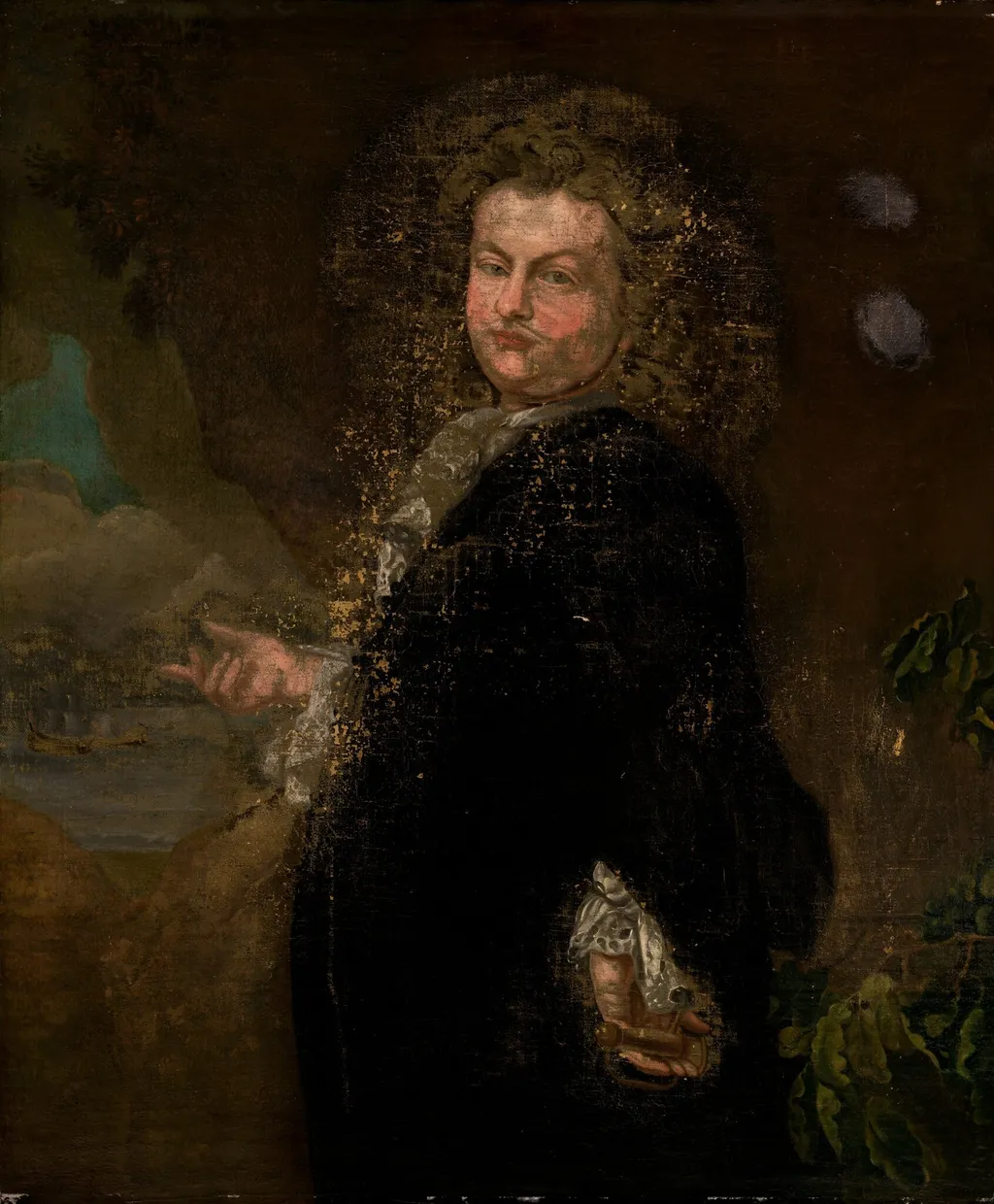
Portrait of a Man is an oil painting. It dates from 1750 and is held in the collection of the National Gallery of Art.
- Inscription
- Inscribed:Formerly bore false signature upper right: [...] Anno 1674 / HC4 (HC4 in ligature)
About this work
A man sits in a formal pose in old-fashioned dress, his expression serious and calm. The careful handling of his face and clothing suggests a sitter of some standing, the kind of portrait often made to mark a person's status. Oil on canvas, around 1750.
Subject & Meaning
The subject remains unidentified, and no specific attributes are noted that would define the figure's identity, profession, or social status beyond his gender.
The work depicts a single male figure, identified in catalog records as a generic 'man' rather than a specific historical individual. Created around 1750 by an unknown 18th-century artist, the painting functions as a standard portrait without explicit iconographic attributes or symbolic elements detailed in available records. The composition focuses entirely on the representation of the sitter, lacking additional objects or settings that would suggest a deeper allegorical meaning or specific narrative context.
As an anonymous work from the mid-18th century, its primary significance lies in its classification as a period portrait rather than in any unique symbolic program. The subject remains unidentified, and no specific attributes are noted that would define the figure's identity, profession, or social status beyond his gender.
Technique & Style
Executed in 1750 by an unidentified eighteenth-century artist, this portrait utilizes oil paint applied to a canvas support. The work measures 72.7 cm in height and 60.3 cm in width. Stylistically, the piece functions as a formal portrait focused on a single male subject.
While the specific handling of the brushwork and the current physical condition of the surface are not detailed in the available records, the material composition remains consistent with standard European painting practices of the mid-eighteenth century. The image presents the sitter without additional contextual elements noted in the primary descriptions, emphasizing the figure itself through the selected medium.
History & Provenance
Portrait of a Man is an oil‑on‑canvas portrait attributed to an unknown 18th‑century artist and dated to 1750;. The work was owned by Rose M. [Mrs. Augustus] de Forest in New York before being sold on 15 May 1923 to Thomas B. Clarke; after his death it passed through his estate and was auctioned on 29 January 1936 via M. Knoedler & Co. to the A. W. Mellon Educational and Charitable Trust, which gifted it to the National Gallery of Art in 1947. The only documented creation details are the attributed date and artist anonymity; no commission record has been identified in the cited sources.
The painting is held by the National Gallery of Art in Washington, D.C., as part of the Andrew W. Mellon Collection. Its provenance traces from Rose M. de Forest in New York, who sold it on 15 May 1923 to Thomas B. Clarke (1848–1931) of New York. After Clarke's death, the work was sold as part of the Clarke collection on 29 January 1936 through M. Knoedler & Co., New York, to The A. W. Mellon Educational and Charitable Trust in Pittsburgh.
It was subsequently gifted to the National Gallery of Art in 1947. The work was included in a 1928 Clarke exhibition, with catalogue annotations documenting the early provenance drawn from M. Knoedler & Co. records held in the NGA curatorial files and library.
Legacy
The Portrait of a Man, attributed to an unknown 18th‑century hand, entered the market through the collection of Thomas B. Clarke and was subsequently acquired by the National Gallery of Art in 1947, a trajectory documented in Clarke’s 1928 exhibition catalogue and traced in the painting’s provenance. Its inclusion in the Andrew W. Mellon collection and placement within the National Gallery of Art’s holdings have made the work a reference point for scholars studying mid‑18th‑century portraiture, influencing later attributions and comparative analyses of contemporary European portrait traditions. The painting’s scholarly visibility thus contributes to a broader reassessment of anonymous portraitists from this period.
Overview
This oil on canvas, titled Portrait of a Man, depicts an unidentified male figure seated in a formal posture. Dressed in period attire, the subject presents a serious yet composed demeanor. The artist's meticulous rendering of his features and clothing suggests a deliberate effort to convey the sitter's presence and perhaps his social standing. This work exemplifies a common mode of portraiture from its era, focusing on individual representation.
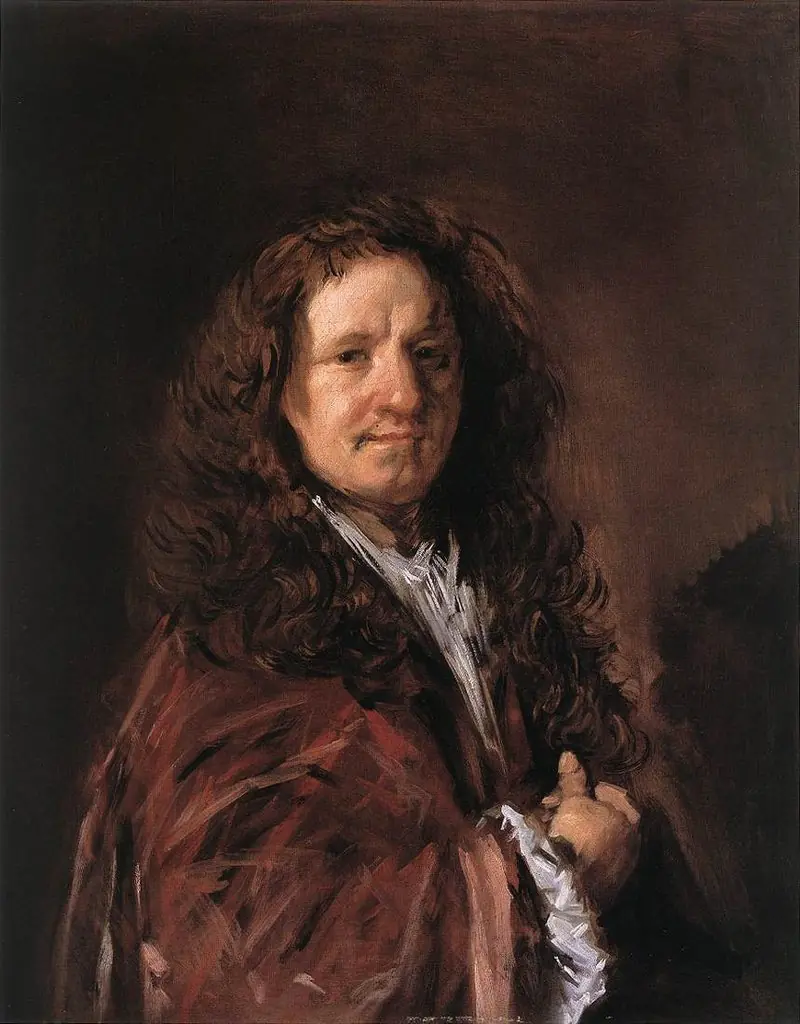
Artist & collection

- Portrait of a man
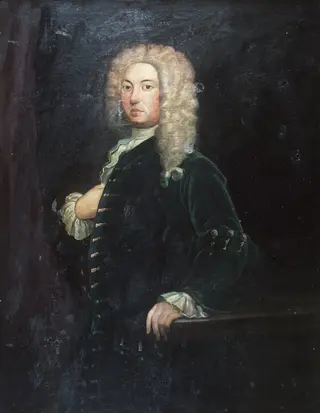 Councillor Richard Lloyd (died 1757)
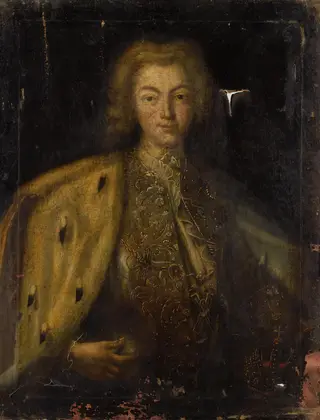 Portrait of Peter II
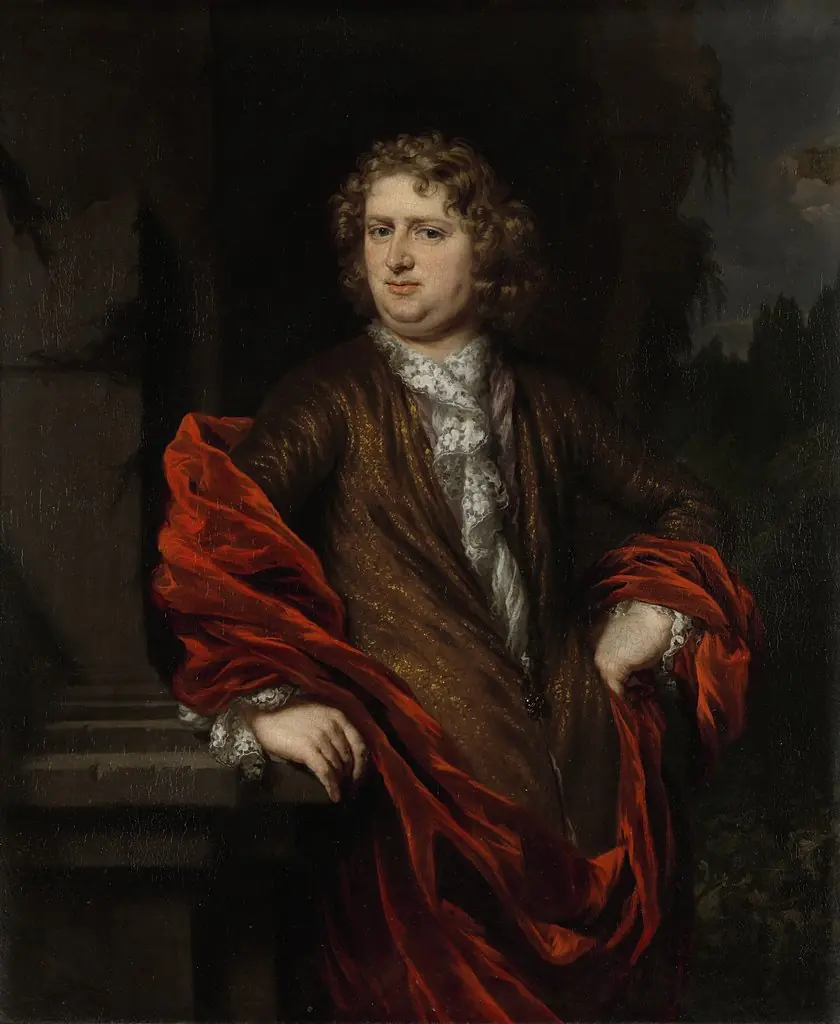 Portrait of Pieter Groenendijk
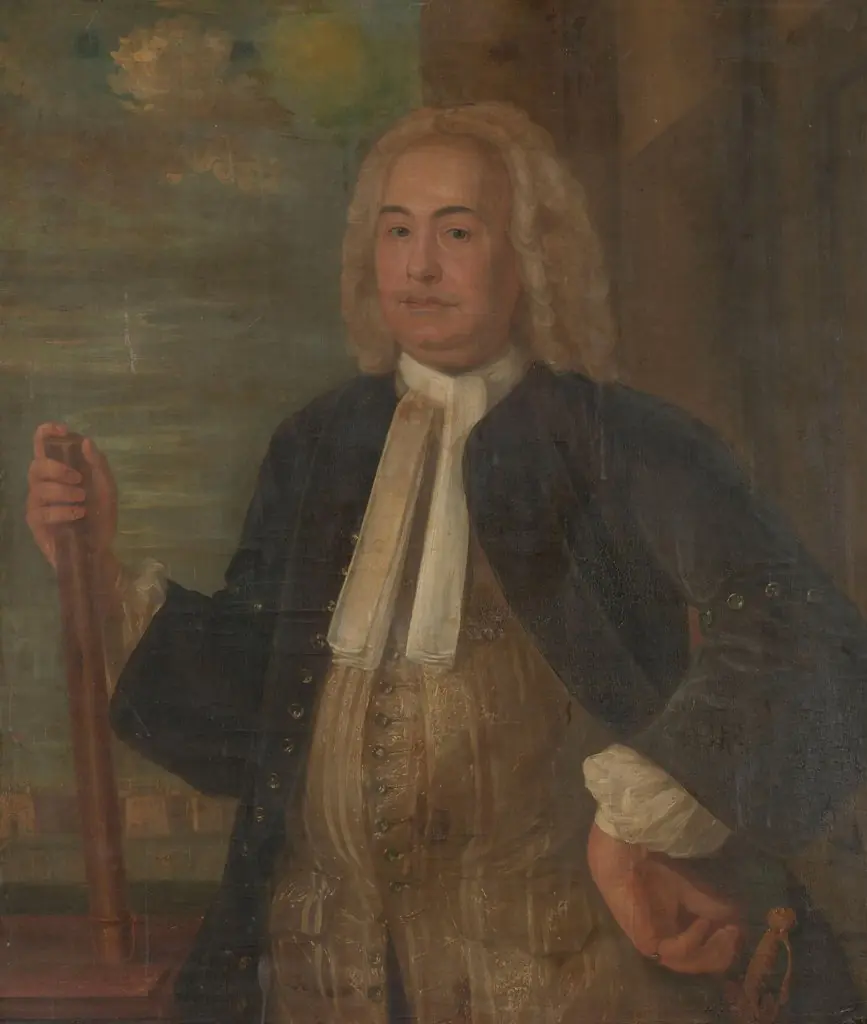 Portrait of Johannes Thedens, Governor-General of the Dutch East India Company
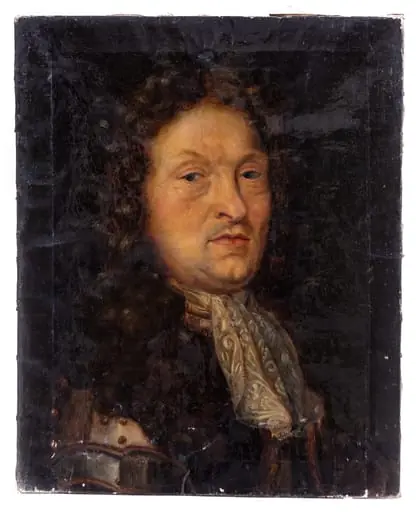 Nobil din sec. XVIII
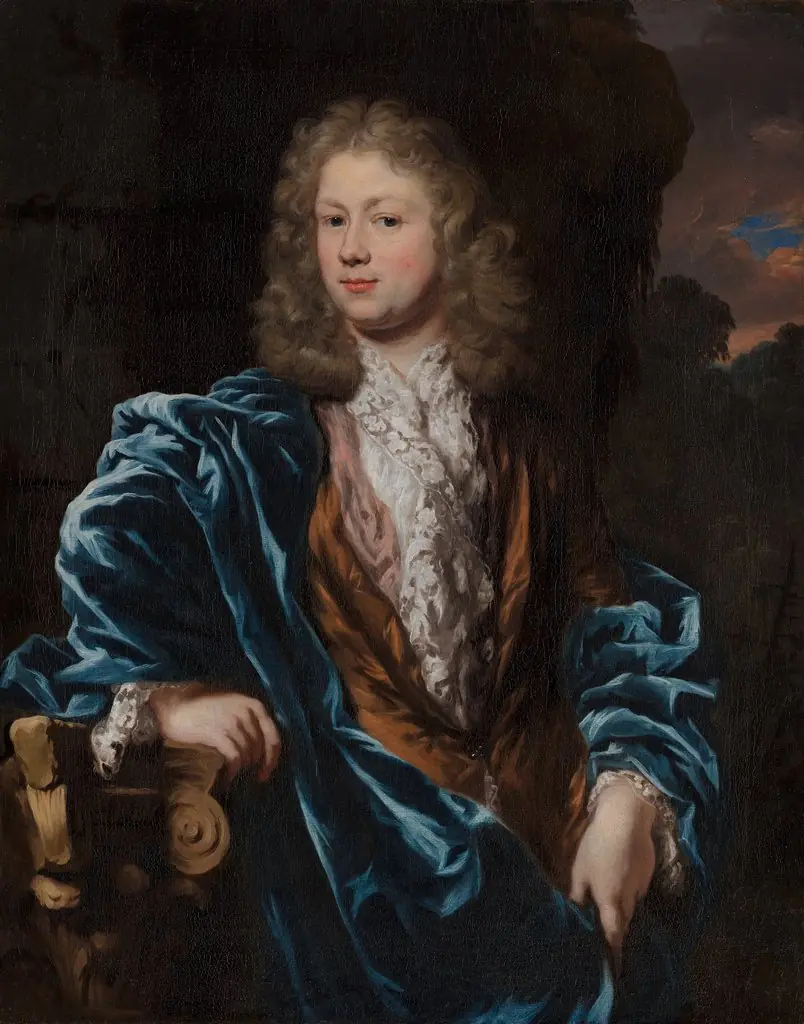 Portrait of Cornelis ten Hove
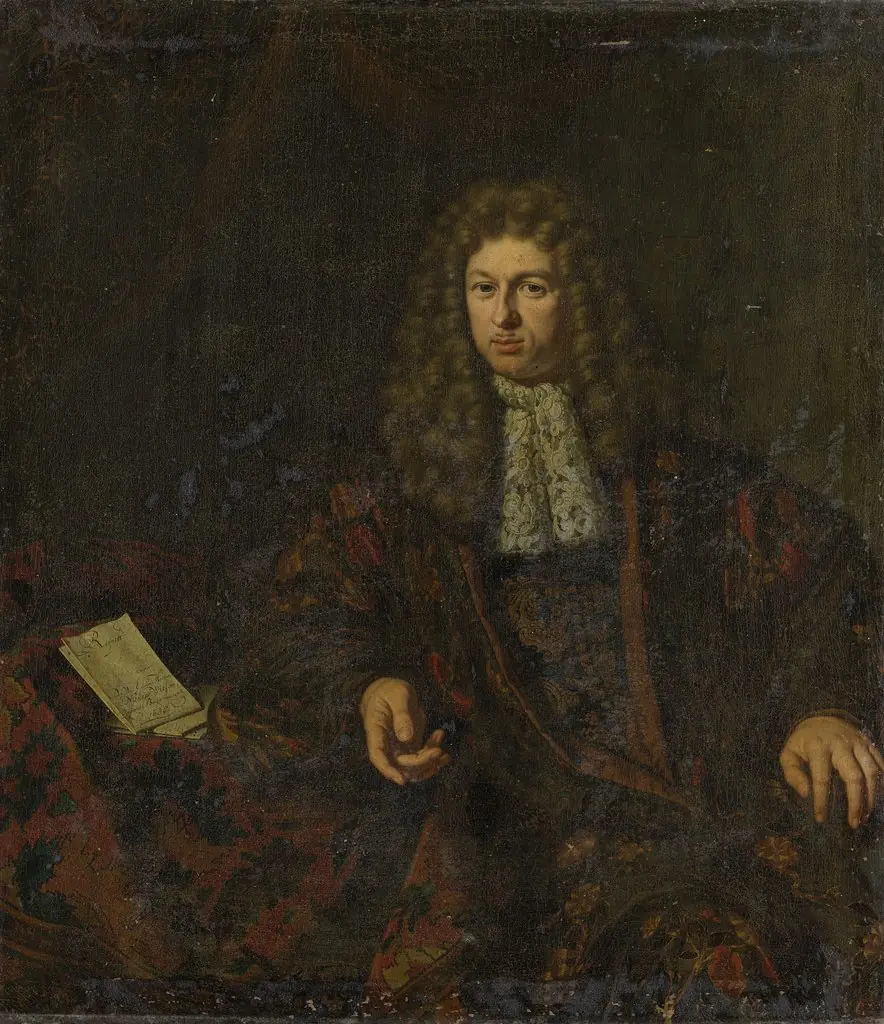 Portret van Nicolaes Witsen (1641-1717)
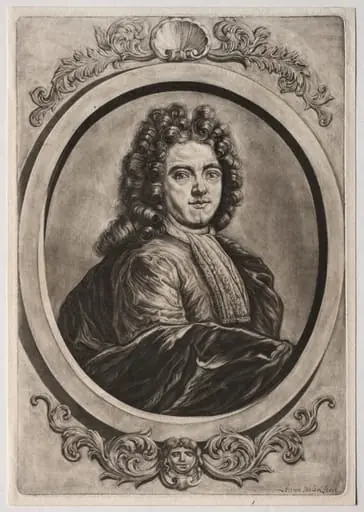 Self-Portrait
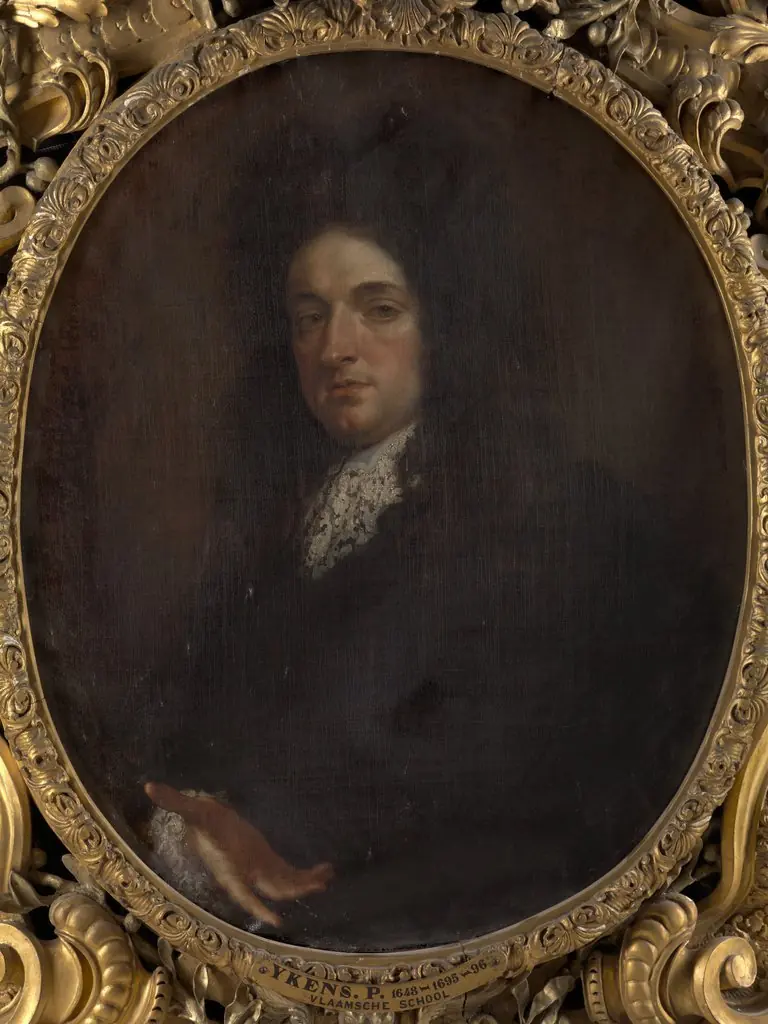 Steven Cornelis Janssens van Hujoel, Dean of the Guild of St. Luke and of the Chamber of Rhetoric De Olijftak
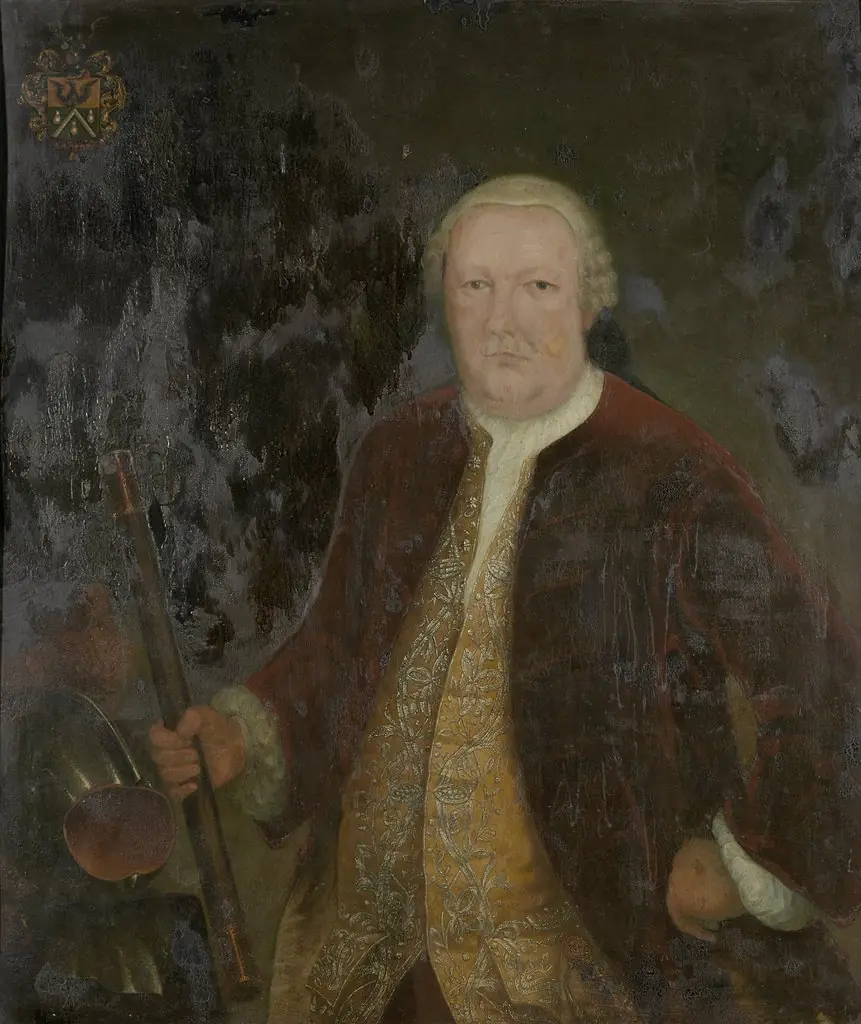 Portrait of Petrus Albertus van der Parra, Governor-General of the Dutch East India Company
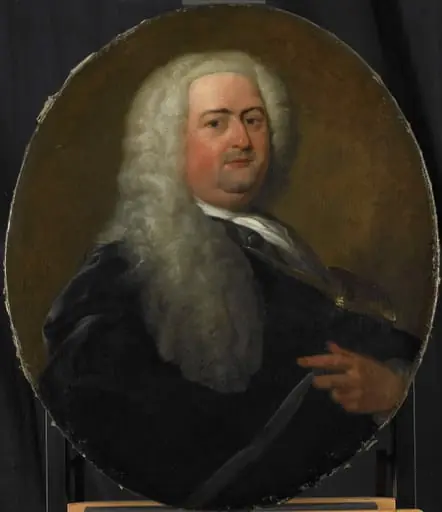 Portrait of Adriaen Paets, Director of the Rotterdam Chamber of the Dutch East India Company, elected 1734