Artwork
Abel Bede, Minister
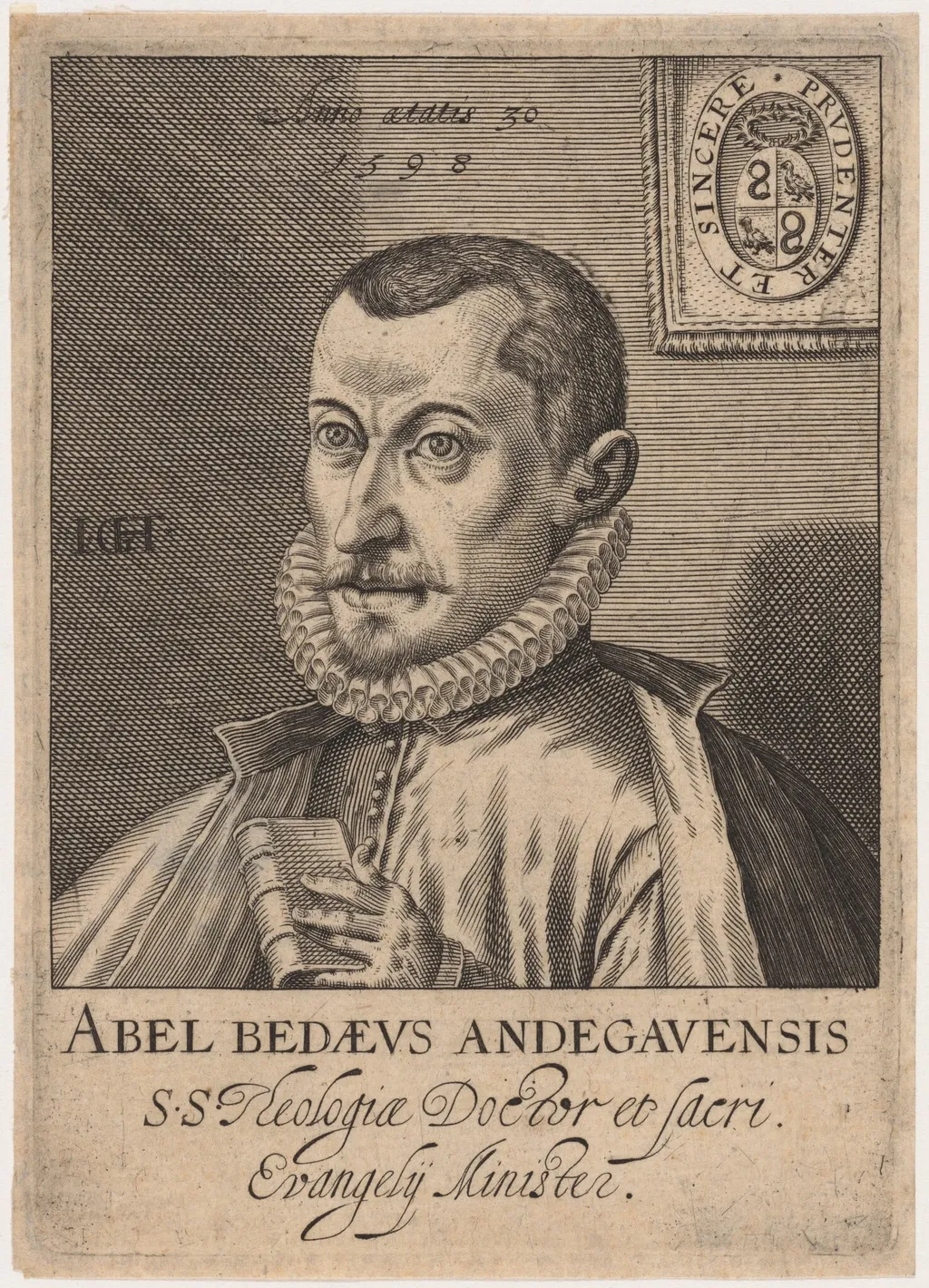
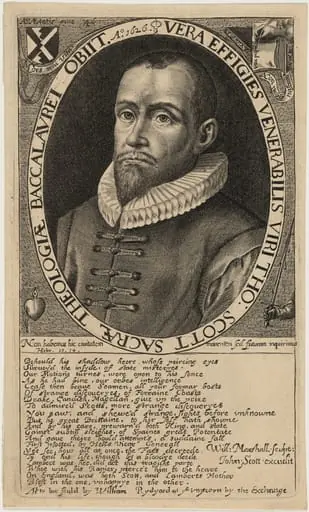
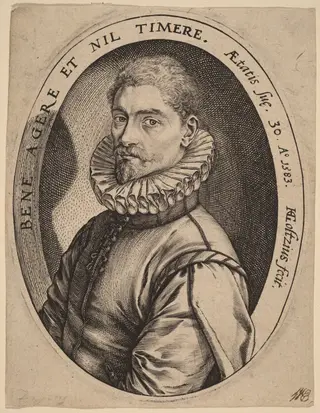
Abel Bede, Minister is an ink print by the Romanticist artist Unknown 19th Century. It dates from 1850 and is held in the collection of the National Gallery of Art. This black-and-white engraving depicts Abel Bede, a religious figure identified as a Doctor of Sacred Theology and Evangelical Minister.
- Inscription
- Inscribed:center left: IGH
About this work
Overview
Rendered in fine, precise lines typical of 17th-century printmaking, the portrait presents him in formal attire with a ruff collar and full beard.
This black-and-white engraving depicts Abel Bede, a religious figure identified as a Doctor of Sacred Theology and Evangelical Minister. Rendered in fine, precise lines typical of 17th-century printmaking, the portrait presents him in formal attire with a ruff collar and full beard. His hands are clasped over his chest, and his gaze is direct and composed. A small heraldic shield in the upper right and descriptive text below anchor his ecclesiastical identity.
Subject & Meaning
Abel Bede is portrayed not as a mere individual but as a representative of learned Protestant ministry. The formal posture, scholarly title, and presence of a family coat of arms emphasize his authority and institutional role. The plain background focuses attention on his demeanor, solemn, introspective, and dignified, reflecting the values of piety and intellectual rigor expected of Reformation-era clergy.
Technique & Style
The image is an engraving, created by incising fine lines into a metal plate, then inked and pressed onto paper. The artist used controlled, delicate strokes to model facial features and fabric textures, particularly the ruff and beard. Shading is achieved through cross-hatching, not tonal gradation, characteristic of early modern printmaking. The composition is restrained, prioritizing clarity and symbolic detail over dramatic effect.
History & Provenance
The print likely dates to the early 1600s, when engraved portraits of clergy were common in Protestant regions for devotional or archival use. Its survival suggests it was preserved within religious or scholarly circles. The inclusion of a coat of arms implies Bede’s family held social standing, possibly linked to academic or ecclesiastical institutions of the period, though specific ownership history remains undocumented.
Context
During the Reformation, printed portraits of ministers served to legitimize religious leadership and disseminate doctrinal authority. Unlike Catholic imagery, Protestant portraiture avoided saintly symbolism, favoring sober realism and textual identification. Bede’s image aligns with this trend, his title and heraldry reinforce his role as a teacher and guardian of scripture, not a mediator of divine grace.
Legacy
As a modest but carefully executed engraving, this portrait contributes to the broader archive of early modern Protestant visual culture. It reflects how religious identity was visually codified in print, preserving the likeness and status of lesser-known clergy. While not widely reproduced, it remains a tangible artifact of the era’s theological and social norms.
Artist & collection

Artist