Artwork
Satire in Relation to Charles I and His "Eikwn Basilika"(Image of a Ruler)
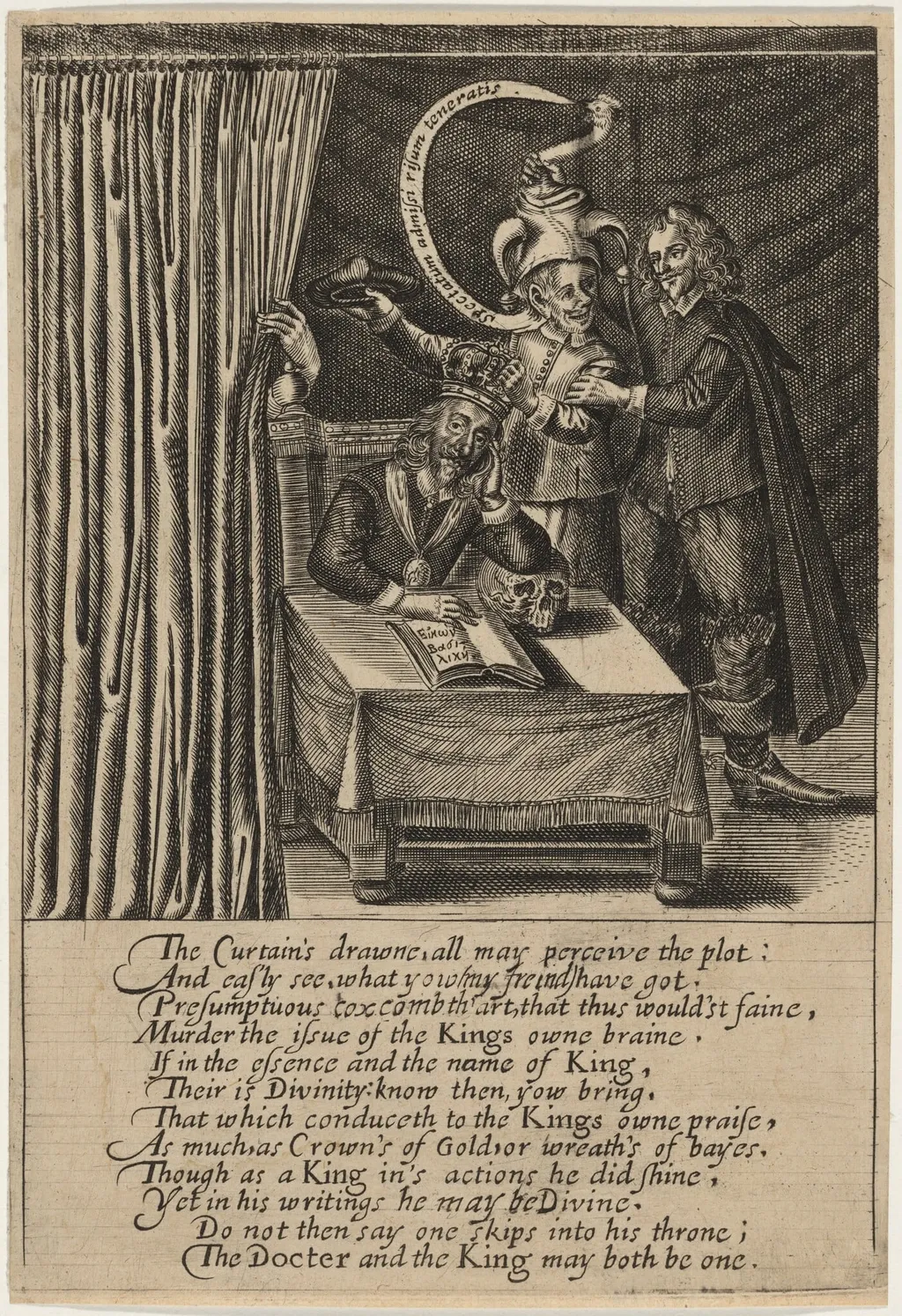
Satire in Relation to Charles I and His "Eikwn Basilika"(Image of a Ruler) is an ink print by the Romanticist artist Unknown 19th Century. It dates from 1850 and is held in the collection of the National Gallery of Art.
About this work
Overview
This engraving depicts a satirical scene involving a monarch, identifiable as Charles I, seated on a throne with a crown, holding an open book. The composition is dense, featuring two attendants, one with a scroll labeled 'Eikwn Basilika' and another gesturing towards the book, set against a backdrop of heavy curtains.
Subject & Meaning
The engraving critiques Charles I's authorship, specifically referencing his work 'Eikwn Basilika' (The Image of a King). The text beneath the image mocks the dual role of 'Doctor and King', implying an overreach of authority into intellectual realms. The tense atmosphere, achieved through sharp lines and dark shading, underscores the satire.
Technique & Style
The artist employs engraving techniques characterized by sharp, defined lines and pronounced dark shading, creating a sense of tension and crowding within the scene. This stylistic choice amplifies the satirical intent by visually emphasizing the discomfort of the king's scholarly pretensions.
History & Provenance
While specific details on the engraving's creation date and artist are not provided, its subject matter suggests production during or shortly after Charles I's reign (1625-1649), given its direct reference to 'Eikwn Basilika', published in 1632. The exact provenance of the piece is unknown.
Context
The work reflects the political and literary tensions of 17th-century England, where monarchs' forays into writing could be seen as hubristic. 'Eikwn Basilika' itself was a spiritual and political manifesto, making its targeting in satire significant. The engraving taps into broader critiques of Charles I's governance and perceived abuses of power.
Legacy
As a piece of political satire from the period, this engraving contributes to the historical record of opposition to Charles I. Its use of satire to critique royal authority reflects a broader tradition of using art for political commentary, influencing later satirical works targeting figures of power.
Artist & collection

Artist

- H Beard Print Collection
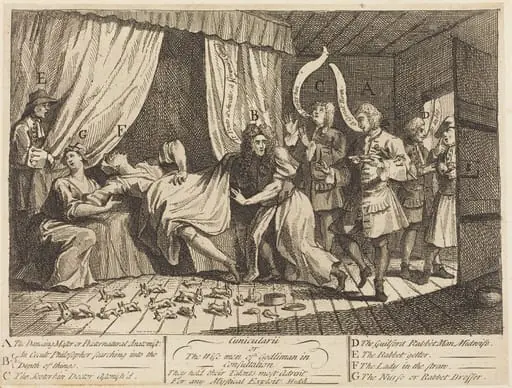 Cunicularii, or The Wise Men of Godliman in Consultation
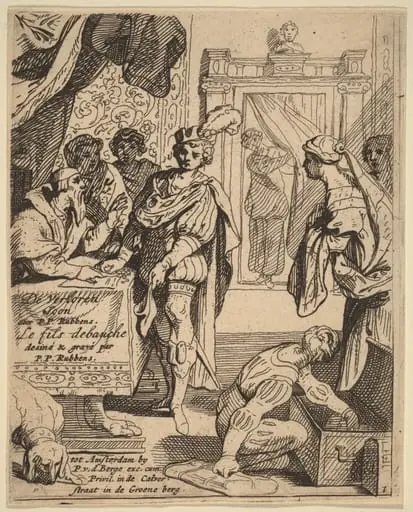 The Prodigal Son Receiving His Patrimony
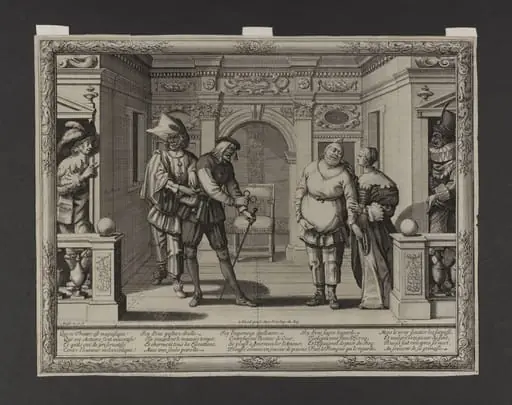 Harry Beard Print Collection
![King and Queen in Consultation about the Turks [recto], by Jacques Callot](https://artifactworldgallery.com/img/jacques-callot--king-and-queen-in-consultation-about-the-turks-recto--5b03792b86815455-w320.webp) King and Queen in Consultation about the Turks [recto]
King and Queen in Consultation about the Turks [recto]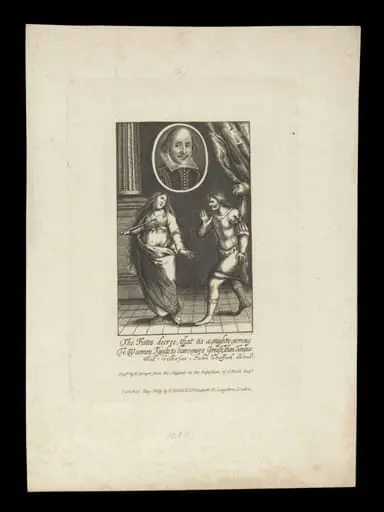 H Beard Print Collection
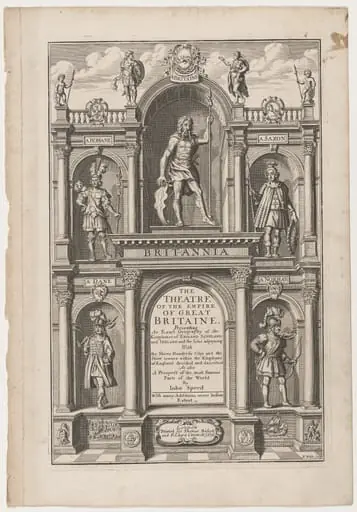 Title Page to "The Theatre of the Empire of Great Britaine" by John Speed
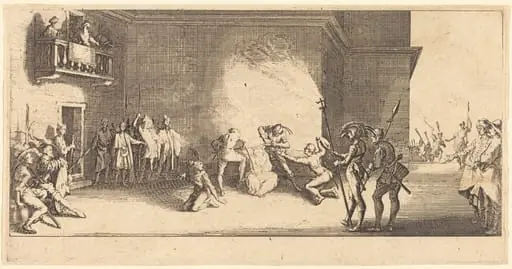 The Crowning with Thorns
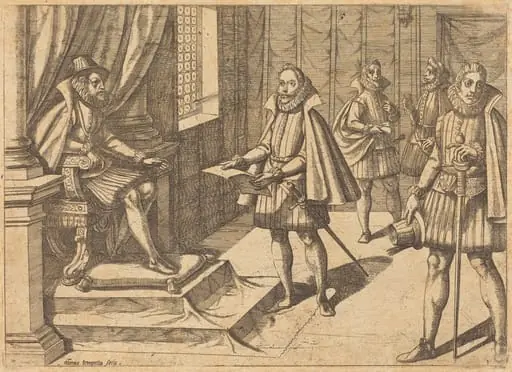 Philip II of Spain on His Throne
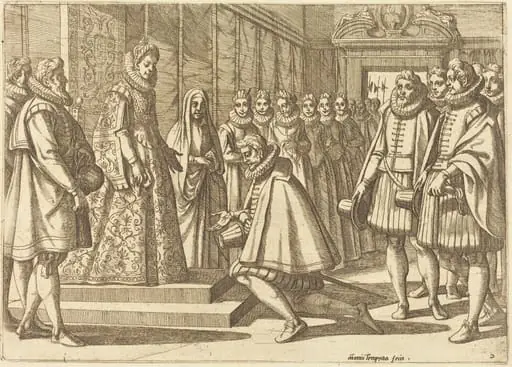 Philip of Spain Before Margaret of Austria
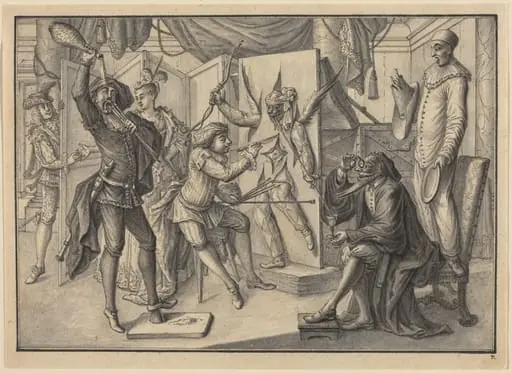 Mezzetin "Paints" a Portrait of Cupid by Cutting the Canvas to Reveal Harlequin
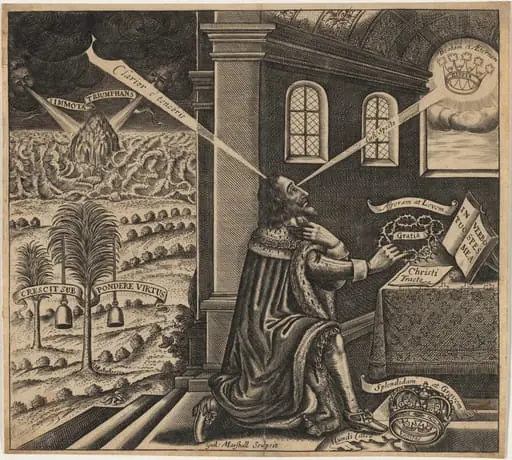 Charles I