Artwork
Anbetung der Könige
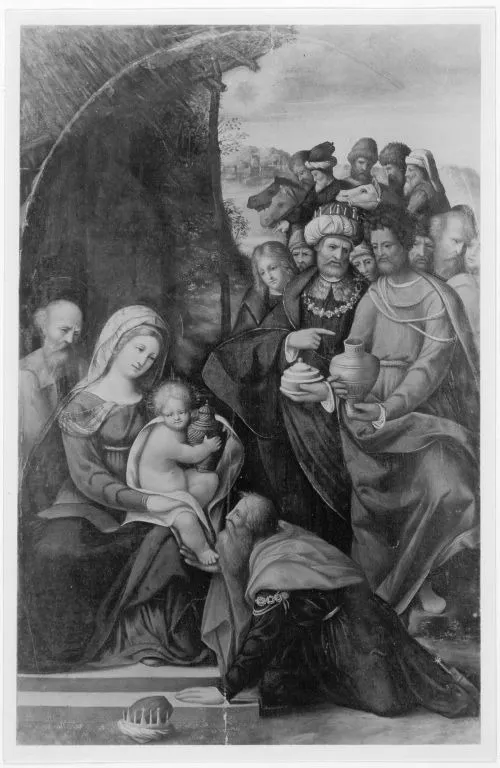
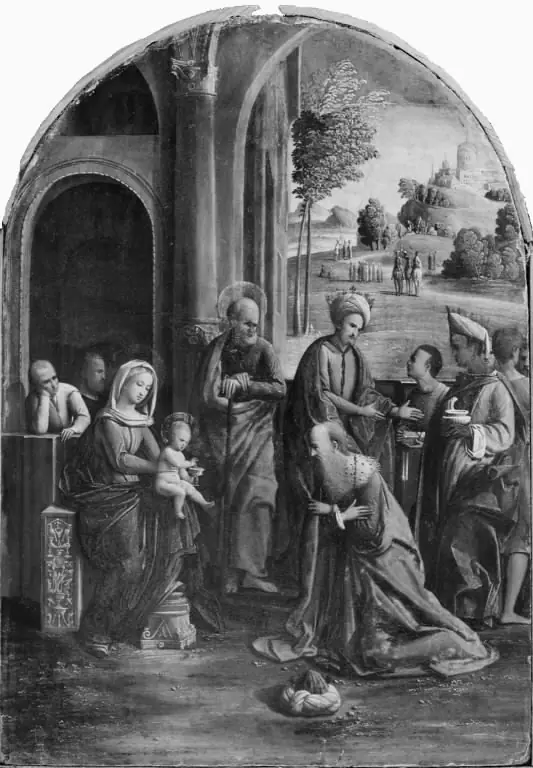
Anbetung der Könige is an unspecified painting by the Mannerist artist Unknown. It dates from 1530 and is held in the collection of the Bavarian State Painting Collections.
About this work
Subject & Meaning
The painting depicts the Adoration of the Magi, a religious subject drawn from the Gospel account of the three kings paying homage to the newborn Christ.
The painting depicts the Adoration of the Magi, a religious subject drawn from the Gospel account of the three kings paying homage to the newborn Christ. The Christ Child is identified among the figures shown, anchoring the scene's devotional focus on the moment of divine revelation to the visiting kings.
As a religious work from 1530, the image belongs to the long iconographic tradition of the Adoration of the Magi, in which the three kings' presentation of gifts to the infant Christ symbolizes the recognition of Christ's kingship by the Gentile world. The subject carries layered symbolism: the gifts of gold, frankincense, and myrrh traditionally signify Christ's royalty, divinity, and future sacrifice, while the kings themselves represent the nations coming to worship, a theme central to the painting's meaning as a devotional image.
Technique & Style
Created in 1530, the Anbetung der Könige is a religious painting executed on a panel support measuring 65.6 cm in height and 44 cm in width. The work depicts the Adoration of the Magi with the Christ Child as a central subject. Stylistically, the piece is classified within the Ferrarese tradition, reflecting the artistic characteristics of that specific regional school. It is currently held in the collection of the Bavarian State Painting Collections at the Alte Pinakothek.
History & Provenance
The work titled Anbetung der Könige was created in 1530 as a religious painting depicting the adoration of the Magi. It measures 65.6 cm in height and 44 cm in width. The painting belongs to the Bavarian State Painting Collections and is housed in the Alte Pinakothek. It is classified as a Ferraresisch work within the religious art genre.
The piece entered the collection of the Bavarian State Painting Collections and has remained in its care since its creation.
Overview
Anbetung der Könige depicts a domestic interior where a woman cradles an infant while a kneeling male figure presents an offering. Around them stand several elegantly dressed individuals, some gesturing or holding objects, suggesting a ceremonial gathering. The setting is enclosed by draped fabric, hinting at a tent or pavilion, with a muted, darkened sky visible beyond the enclosure.
Context
The work belongs to a tradition of adoration scenes popular in European art from the Renaissance onward, where domestic or sacred narratives were rendered with heightened emotional intensity. The inclusion of opulent attire and a tent‑like setting aligns with contemporary depictions of royal courts or exotic locales, suggesting an interest in both religious and worldly grandeur.
Legacy
While specific provenance details remain limited, the painting illustrates the enduring appeal of adoration motifs and the technical mastery of chiaroscuro that influenced subsequent generations of artists seeking to dramatize narrative moments through light and shadow.
Artist & collection









- Holy Family
 Adoration of the Kings
 The Adoration of the Magi
 The Adoration of the Kings
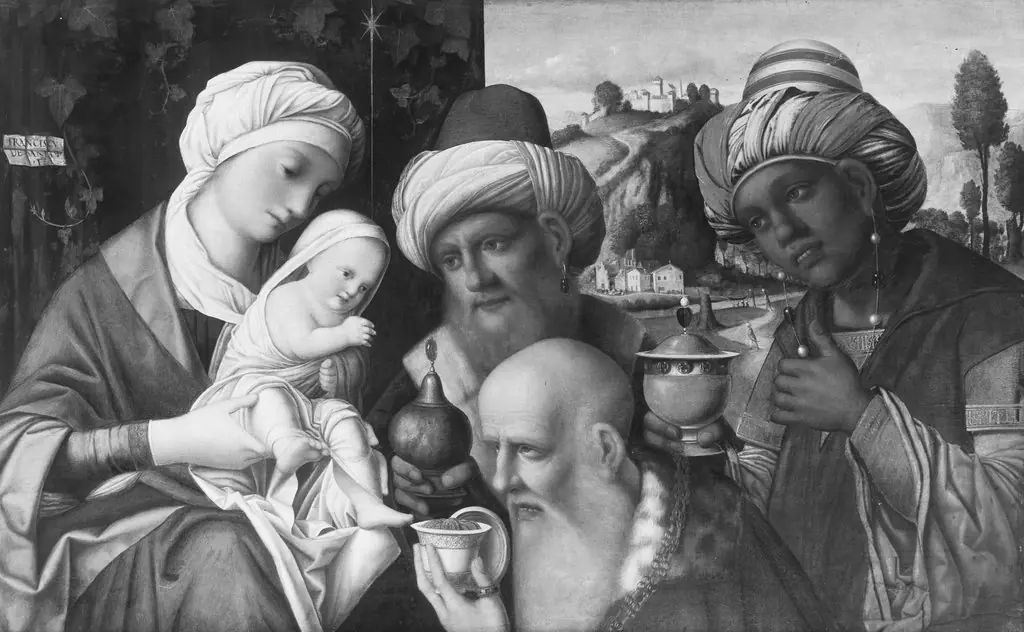 Adoration of the Kings
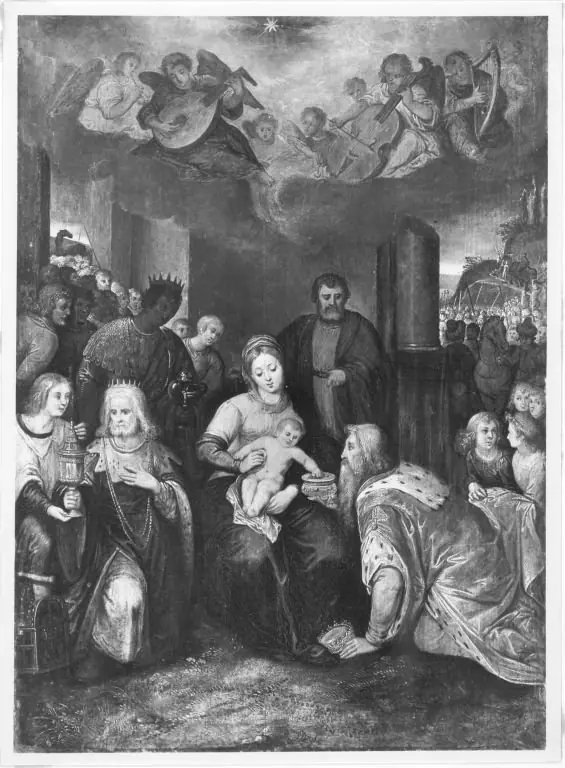 Anbetung der Könige
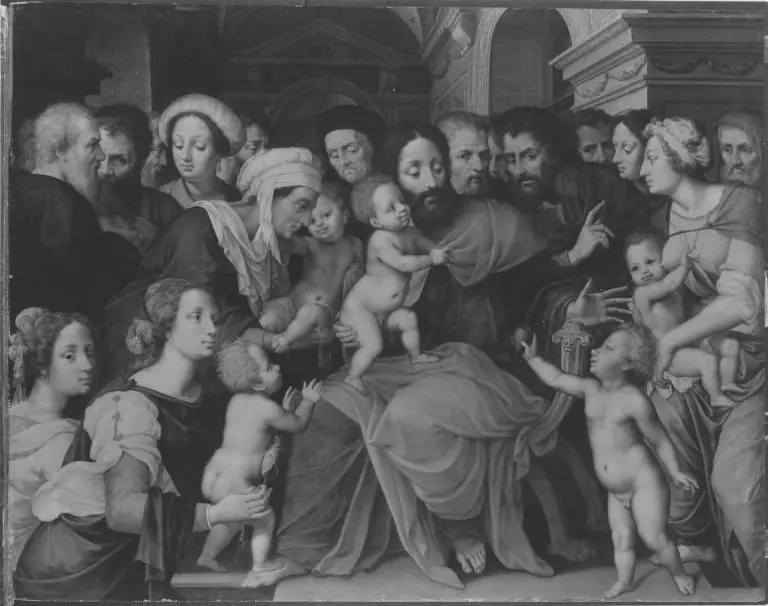 Lasset die Kindlein zu mir kommen
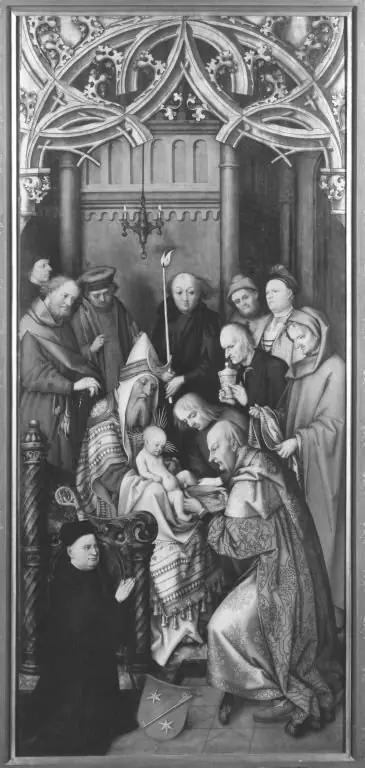 Kaisheimer Altar: Beschneidung Christi
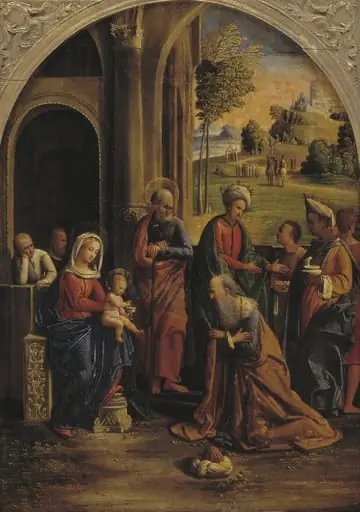 The Adoration of the Kings
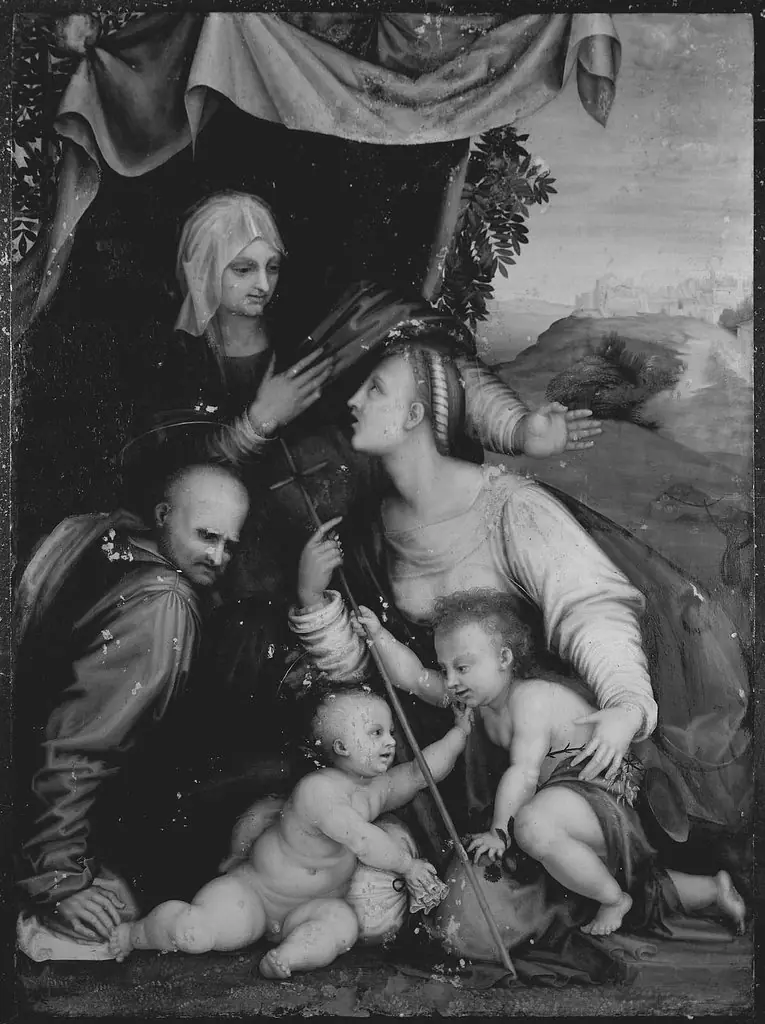 The Holy Family with St Anne and Young St John the Baptist
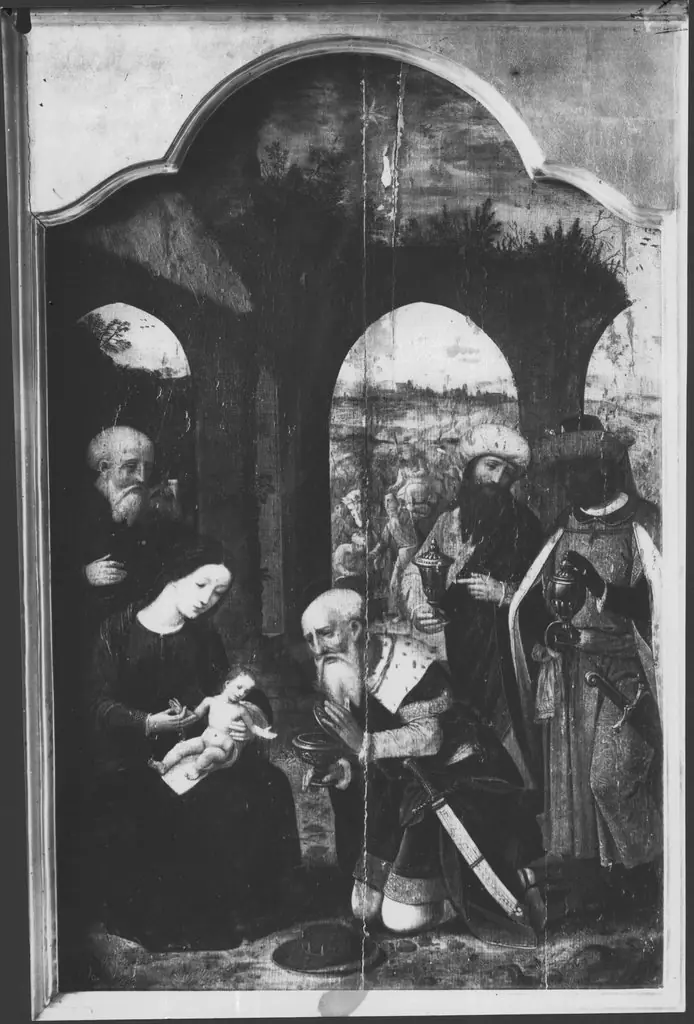 Adoration of the Magi
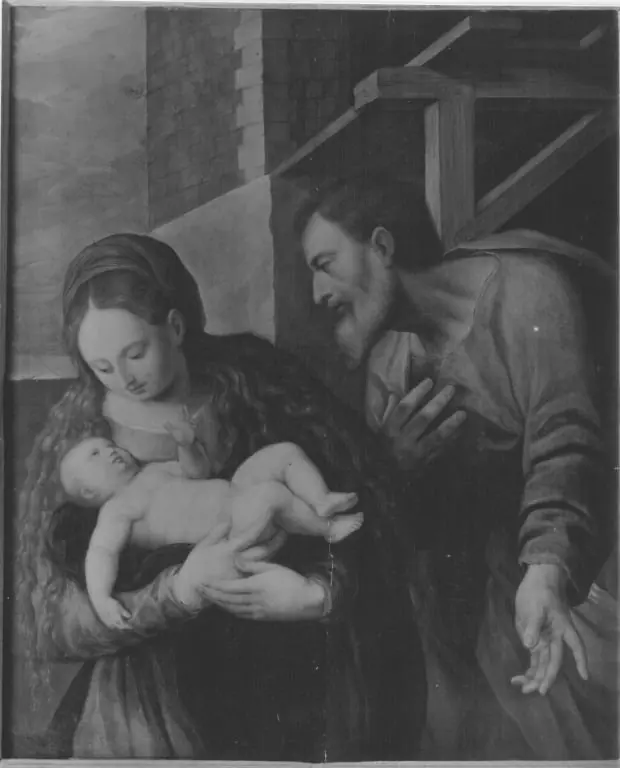 Heilige Familie