Artwork
羅漢図 (十六羅漢図の内)|Arhats
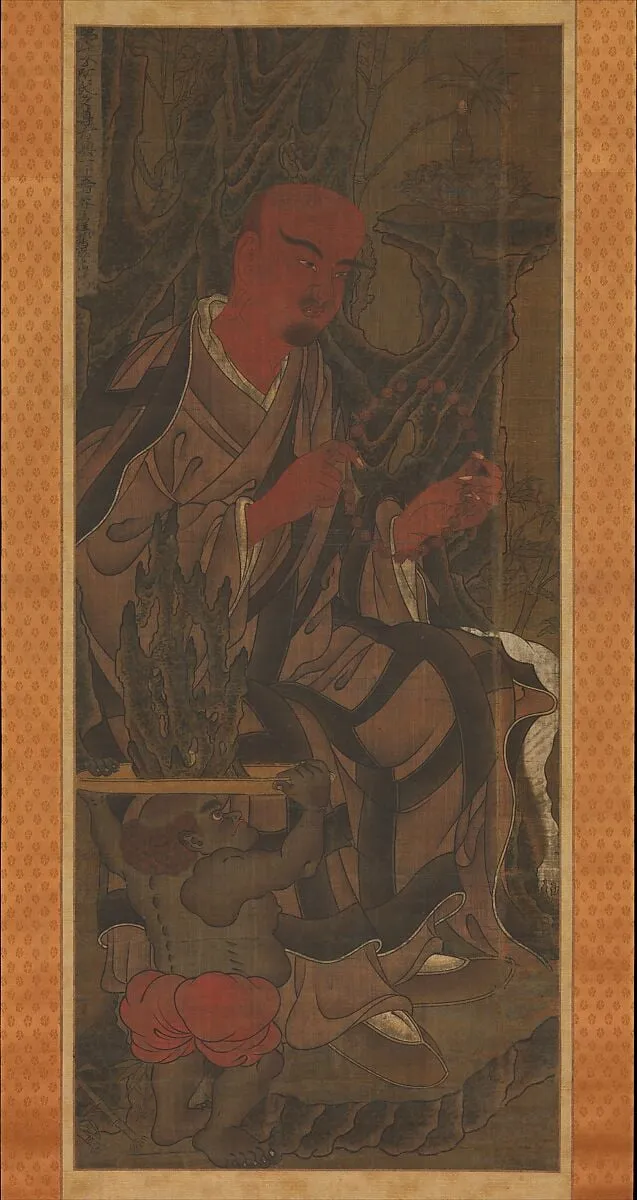
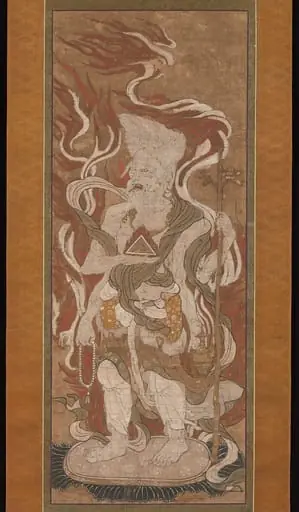
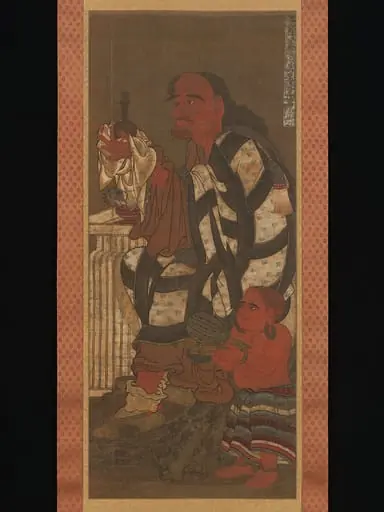
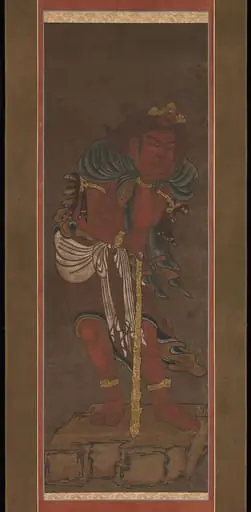
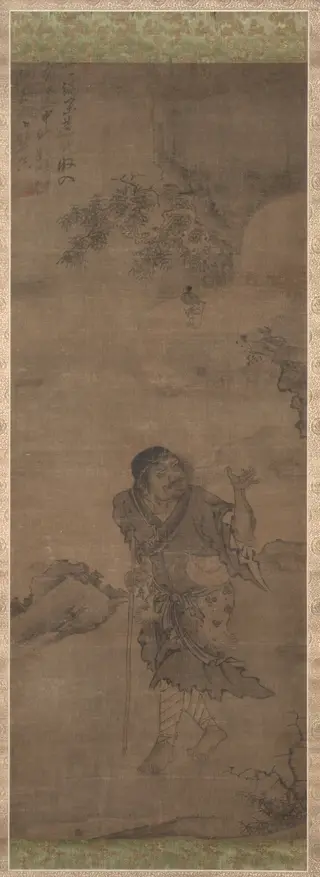
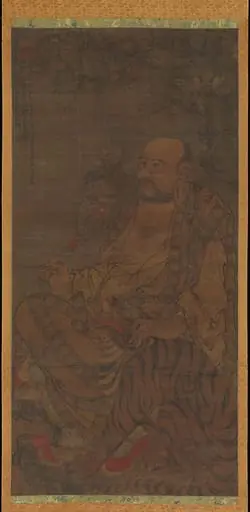
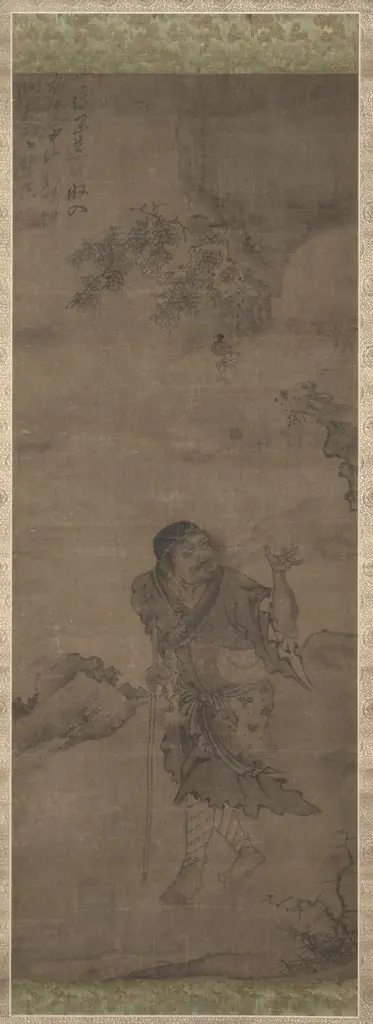
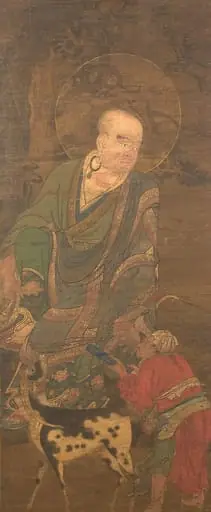
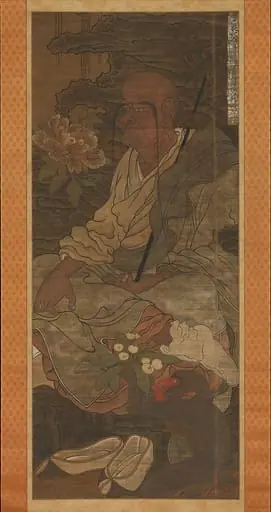
羅漢図 (十六羅漢図の内)|Arhats is an ink painting. It dates from 1379 and is held in the collection of the Metropolitan Museum of Art. This hanging scroll, titled Arhats, is one component of a larger series of sixteen works depicting Buddhist saints.
About this work
Subject & Meaning
As part of a larger set known as the Sixteen Arhats, the work portrays these enlightened disciples who historically preserved the teachings of the Buddha.
Created in 1379 in Japan, this hanging scroll depicts figures central to Buddhism, specifically identified as men. As part of a larger set known as the Sixteen Arhats, the work portrays these enlightened disciples who historically preserved the teachings of the Buddha. The iconography utilizes ink and color on silk to render these religious figures, emphasizing their status within the Buddhist tradition.
The depiction of men in this context symbolizes the human attainment of spiritual liberation and the role of the Arhats as guardians of the faith. The artwork serves as a visual representation of Buddhist devotion, focusing on the human form as a vessel for religious significance and enlightenment.
Technique & Style
The work is a hanging scroll painted in ink and color on silk, a traditional Japanese support. The ink outlines and subtle washes of pigment demonstrate brush handling typical of medieval Japanese religious painting, while the silk ground allows fine line work and delicate tonal gradations. As an anonymous piece made in Japan in 1379, it reflects the Buddhist iconographic style of the late Nanboku-chō period, with restrained composition and muted palette suited to devotional display. The sources do not note any particular condition issues or restorations.
Overview
This hanging scroll, titled Arhats, is one component of a larger series of sixteen works depicting Buddhist saints. Executed with ink and color on silk, it portrays a solitary arhat seated on a rock, accompanied by a young attendant and a dragon. The artwork's serene composition and refined execution reflect its purpose as a devotional image, embodying the calm and wisdom associated with these protectors of the Buddhist faith.
History & Provenance
The creator of this specific Arhats scroll is not documented. Despite the anonymity of the artist, the painting's stylistic attributes are consistent with those prevalent in Zen Buddhist temples during 14th-century Japan. This dating places the work within a period when such devotional imagery was integral to religious practice and artistic expression, even without a named artisan.
Artist & collection