Artwork
羅漢図(十六羅漢図の内)|Arhat from a series of sixteen Arhats
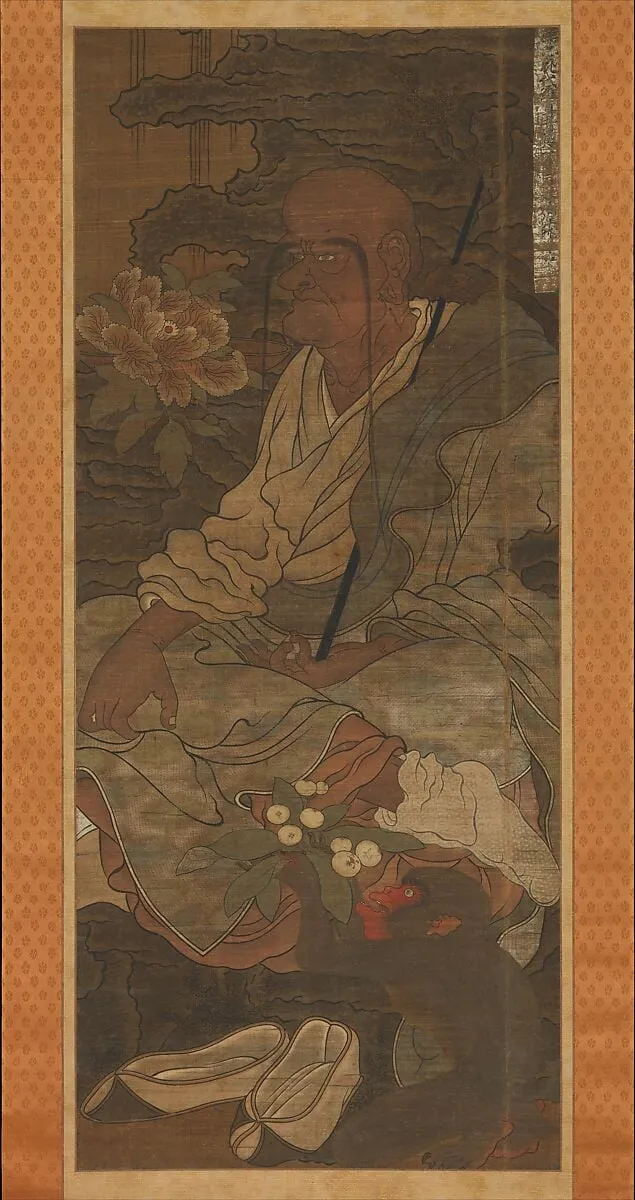
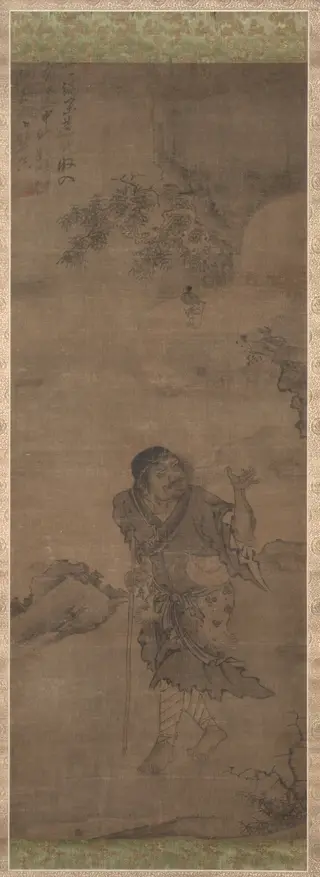
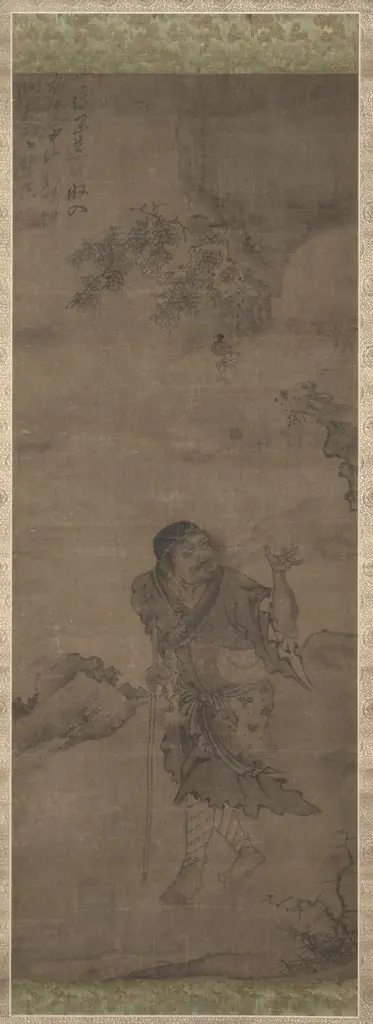
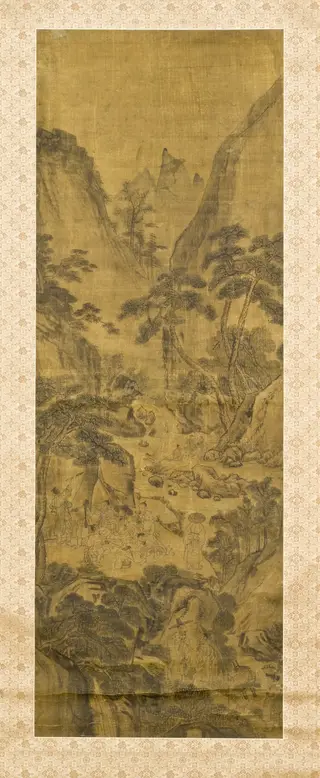
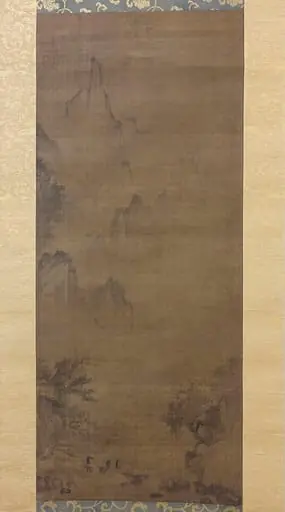
羅漢図(十六羅漢図の内)|Arhat from a series of sixteen Arhats is an ink painting. It dates from 1364 and is held in the collection of the Metropolitan Museum of Art. This hanging scroll, rendered with ink and color on silk, depicts an arhat, a Buddhist saint.
About this work
Subject & Meaning
The combination of human and monkey imagery conveys narrative elements of Buddhist lore, linking moral lessons to the spiritual theme of the composition.
The painting depicts an arhat, a Buddhist saint, shown as a man and accompanied by a monkey, within a religious context that highlights Buddhist teachings; it is one of sixteen figures in a series of Arhats, each representing a distinct archetype of Buddhist virtue. Executed in 1364 as a hanging scroll on silk with ink and color, the work reflects the devotional emphasis of the period. The combination of human and monkey imagery conveys narrative elements of Buddhist lore, linking moral lessons to the spiritual theme of the composition.
Technique & Style
Created in 1364 in Japan, this work is executed as a hanging scroll. The artist utilized ink and mineral colors applied directly onto a silk support, a standard medium for religious paintings of this period. While the specific identity of the painter remains unknown, the piece displays formal qualities characteristic of Buddhist iconography, depicting a male figure accompanied by a monkey.
The combination of ink line work with color on silk allows for the detailed rendering of the subject's features and attire. As part of a larger series originally comprising sixteen Arhats, this individual panel demonstrates the technical handling required to maintain stylistic consistency across a multi-panel religious commission. The surviving condition of the silk and pigment reflects its preservation within a major museum collection.
History & Provenance
The hanging scroll titled 羅漢図 (Arhat from a series of sixteen Arhats) dates to 1364 and is executed in ink and color on silk. It belongs to a group of sixteen Buddhist figures and was produced in Japan by an anonymous painter. The work is classified as a religious painting and depicts a man, a monkey, and Buddhist iconography.
It is currently held by the Metropolitan Museum of Art in New York, where it is listed in the museum’s collection with an inception record of 1364.
The hanging scroll titled Arhat from a series of sixteen Arhats is currently held in the collection of the Metropolitan Museum of Art in New York. Created in 1364 by an unknown Japanese artist, the work is classified within the museum's paintings department. While the sources confirm its location and accession into the Met's holdings, they do not provide a specific inventory or accession number for the piece.
Furthermore, the available documentation does not record any specific exhibition history or dates of display for this particular artwork.
Overview
This hanging scroll, rendered with ink and color on silk, depicts an arhat, a Buddhist saint. It is part of a larger series originally comprising sixteen such portraits. The painting, over six centuries old, presents a detailed figure seated in a natural setting, reflecting a long tradition of devotional art. Its creation contributes to the extensive body of Buddhist iconography.
Context
This painting belongs to a traditional set of sixteen scrolls, each dedicated to portraying a distinct arhat. Such series were common in Buddhist art, serving as objects of veneration and study. The depiction of quiet, detailed figures like this arhat aligns with established artistic conventions for illustrating Buddhist saints across various periods and regions, emphasizing their spiritual attainment.

Artist & collection