Artwork
Blazonul funerar al unui membru din familia Bánffy
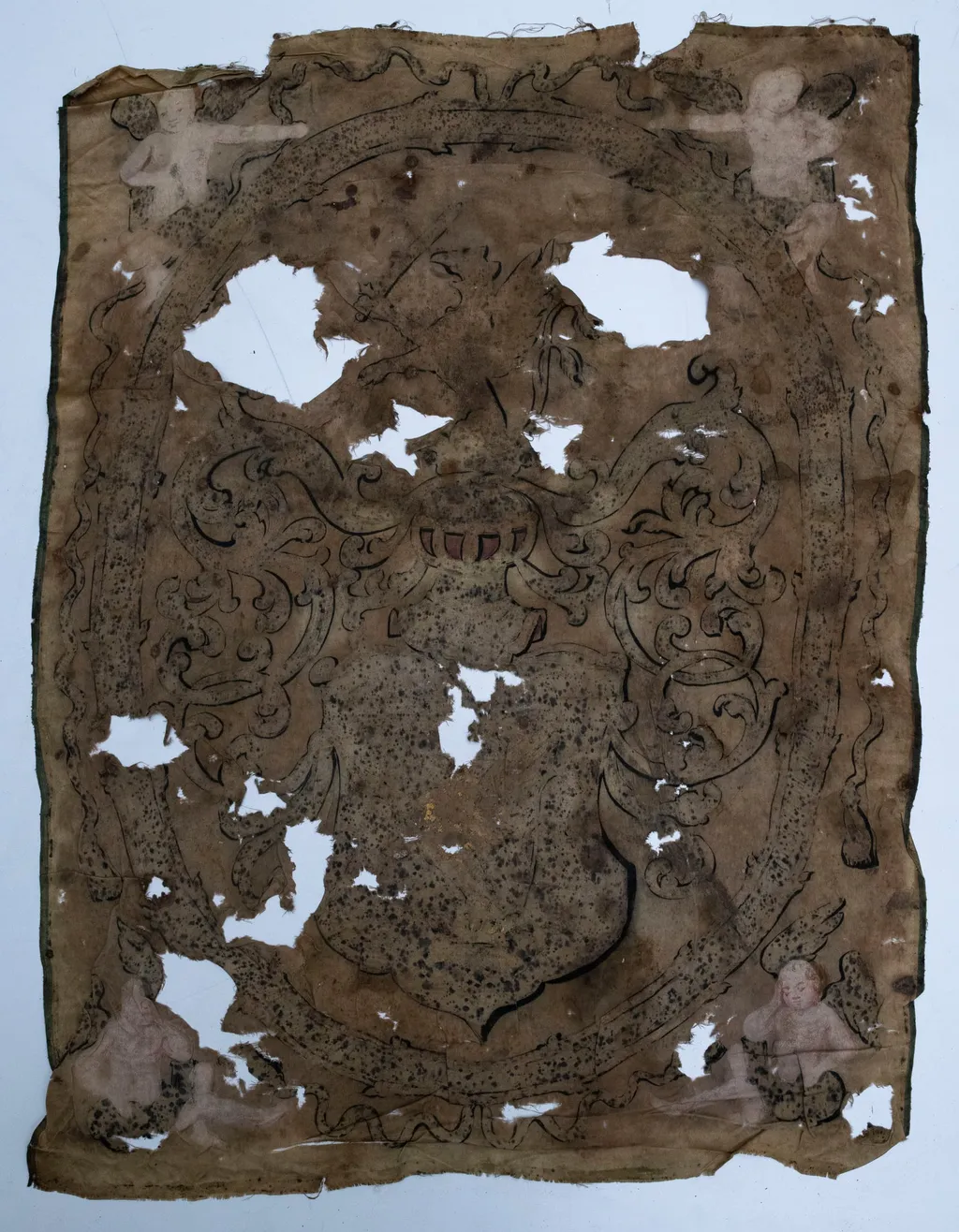
Blazonul funerar al unui membru din familia Bánffy is an unspecified painting by Unknown. It dates from 1650 and is held in the collection of the National Museum of Transylvanian History. The object is a funerary blazon, a textile emblem associated with a member of the Bánffy family.
About this work
Overview
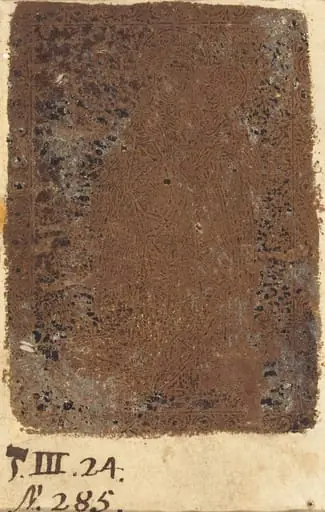
The object is a funerary blazon, a textile emblem associated with a member of the Bánffy family. Executed on a light‑coloured fabric, the piece displays a muted brown pattern that has faded with age, leaving occasional white patches where the material has torn or worn away. Its edges are irregular, indicating extensive handling over time.
Subject & Meaning
At the centre of the cloth a shield‑like motif is discernible, suggesting the representation of the family’s coat of arms. Such heraldic symbols were traditionally employed on funerary textiles to identify the deceased’s lineage and to invoke the protective qualities associated with heraldry.
Technique & Style
The design consists of swirling lines and abstract shapes that may echo stylised foliage or symbolic motifs common in Central European heraldic art. The execution appears to be a painted or dyed application of brown pigment onto a stiffened linen or wool base, a technique typical of early modern commemorative textiles.
History & Provenance
The blazon originates from the Bánffy family, a noble house historically rooted in Transylvania and the broader Habsburg lands. While the precise date of creation is not recorded, the material condition and stylistic traits place it within the early modern period, likely between the 16th and 18th centuries.
Context
Funerary blazons such as this were used in aristocratic burial practices to display lineage and status within the chapel or tomb setting. The Bánffy family, known for its political and cultural influence, employed such emblems to reinforce their identity in both private and public commemorations.
Artist & collection

Museum
National Museum of Transylvanian History
Continue through works from the same source collection.








 遼 宴飲圖(殘片)|Banquet Scene
 Iconographic Drawings: Chakrashamvara with Vajravarahi, Hevajra with Nairatmya, and Yamantaka (verso)
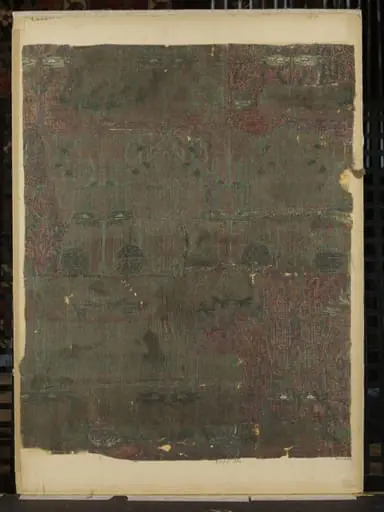 Untitled
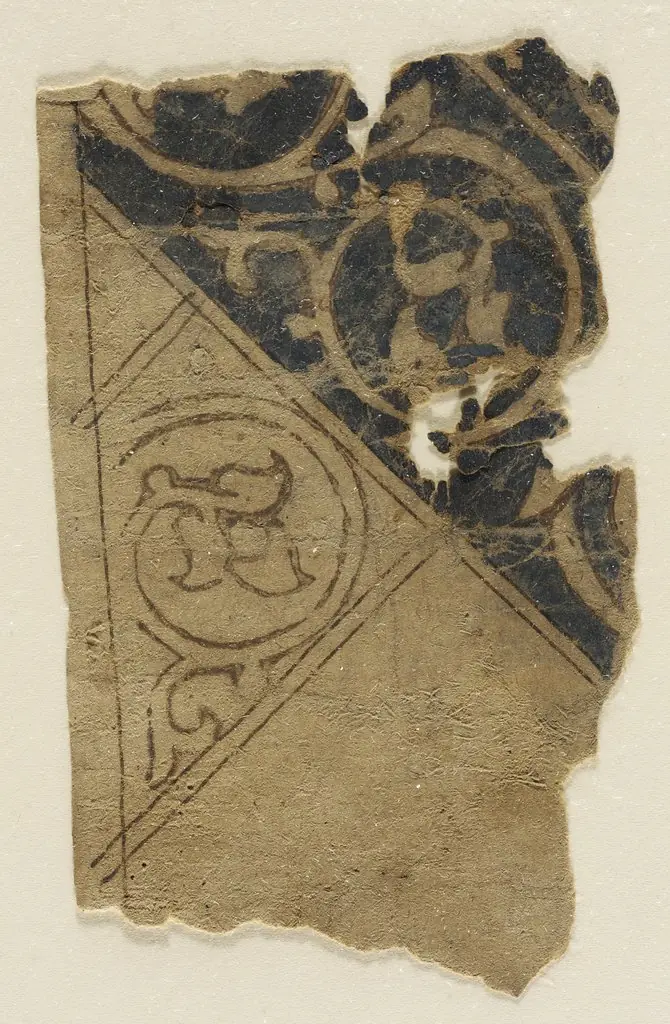 Fragmentary Playing Card
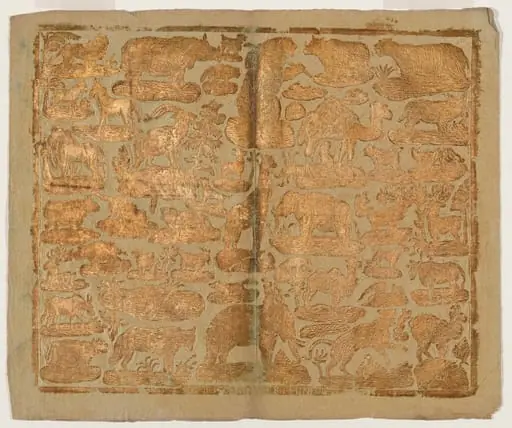 Endpaper with Animals
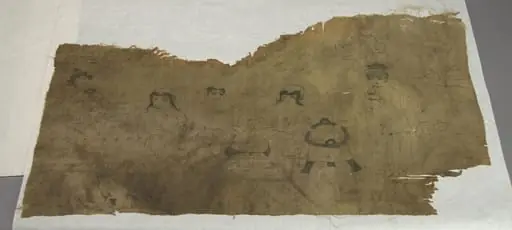 遼 宴飲圖(殘片)|Banquet Scene
 Playing Card
 Mogao Christian painting
 Guardian Kings: Dhrtarastra and Virupaksa
 Madonna and Child
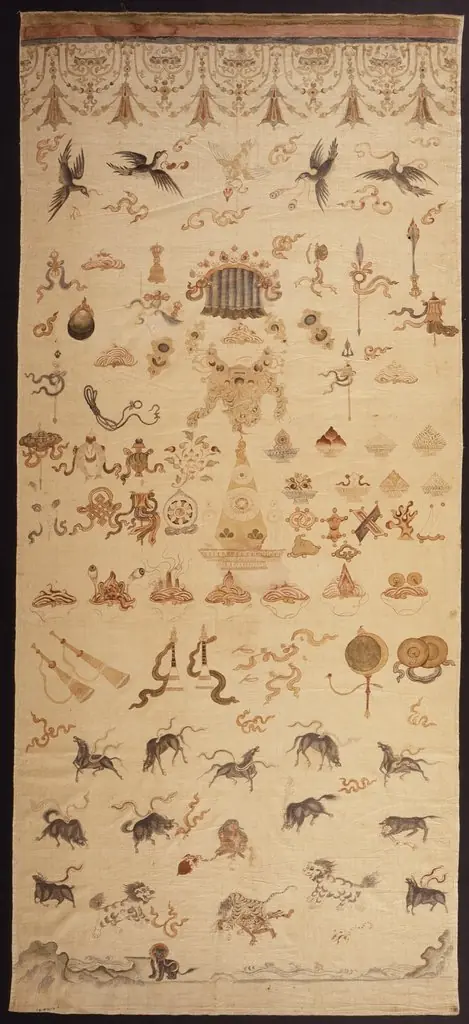 Ceremonial Offerings to the Dharmapala
- Icoana o prezintă pe Maica Domnului cu capul orientat spre dreapta cu coroana pe cap; pe bratul sting Isus copil. Decorul este reprezentat de motive florale pe fundal: trandafiri; Cromatică: roșu; verde; galben; alb; fond albastru.