Artwork
Ceres, Bacchus en Amor
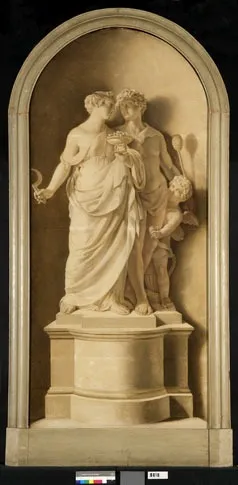
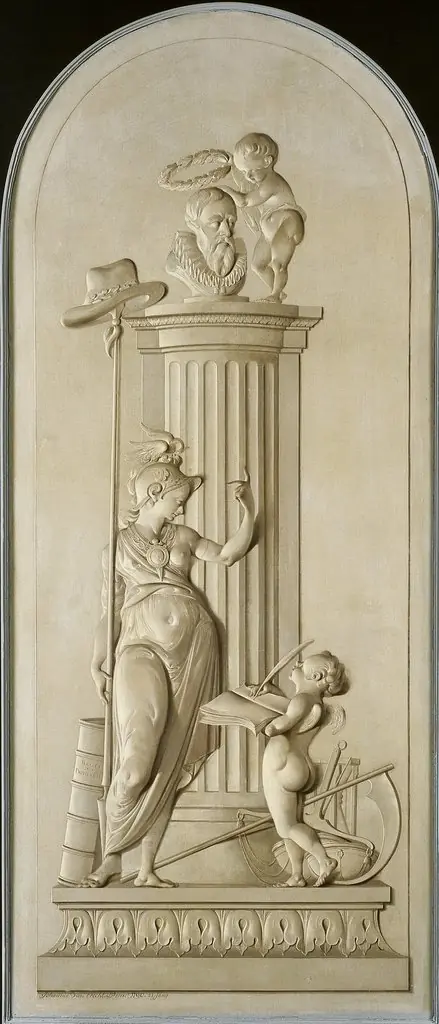
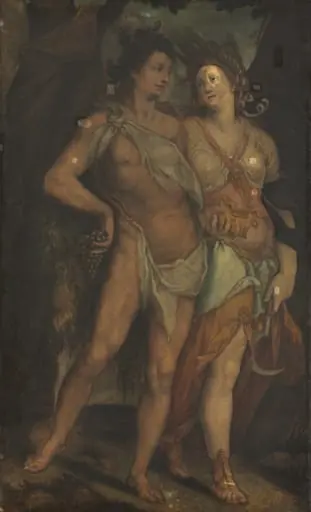
Ceres, Bacchus en Amor is an oil painting. It dates from 1750 and is held in the collection of the Rijksmuseum.
About this work
Subject & Meaning
The composition likely evokes the intertwined domains of fertility and intoxication, underscoring the balance between nurturing and pleasure in nature’s cycles.
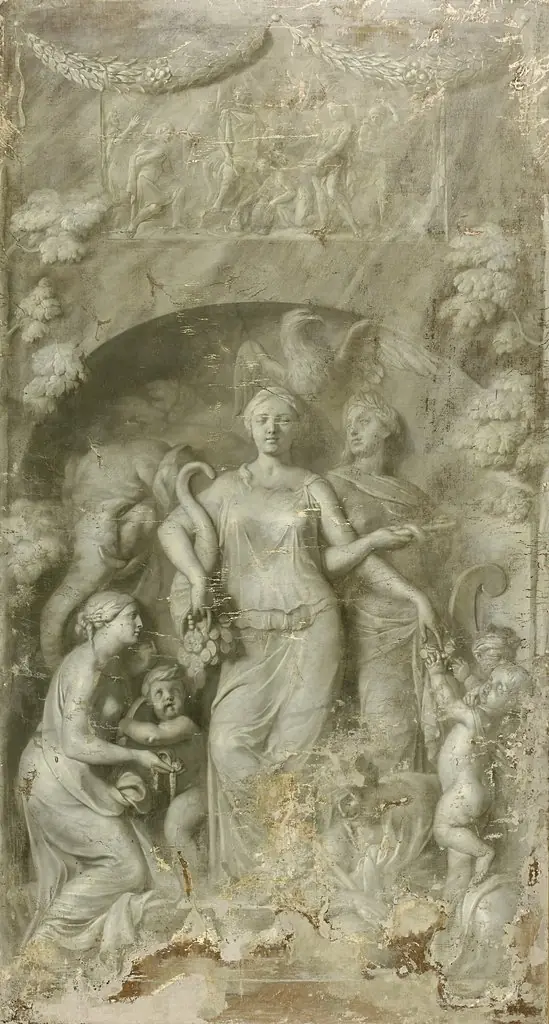
The painting depicts the Roman deities Ceres and Bacchus alongside a putto, drawing on classical mythology. Ceres, goddess of agriculture and fertility, is shown with attributes associated with harvest and sustenance, while Bacchus, god of wine, embodies revelry and abundance. The presence of a putto introduces themes of love and playful desire, linking the figures within a mythological narrative of earthly and sensual indulgence.
The composition likely evokes the intertwined domains of fertility and intoxication, underscoring the balance between nurturing and pleasure in nature’s cycles.
Technique & Style
The work is an oil painting executed on a canvas support, created in the Northern Low Countries around 1750. Measuring 248 cm in height and 120 cm in width, the piece presents a substantial mythological scene depicting Bacchus and Ceres. As an anonymous production from the mid-18th century, the painting adheres to the conventions of Dutch mythological art of the period.
The medium of oil paint allows for the detailed rendering required by the genre, while the vertical format emphasizes the figures within the composition.
History & Provenance
The painting was created in 1750 in the Northern Low Countries as an oil on canvas work. It depicts the mythological figures Bacchus and Ceres, reflecting its mythological genre classification. The work entered the collection of the Rijksmuseum, where it remains on display.
The attribution to a specific artist is indicated through a Wikidata identifier linked to the artist entity, though the creator is described as anonymous in the source documentation. The painting was made using oil paint medium on canvas, consistent with contemporary practices of the period.
The date of creation is recorded as 1750, with the inception noted as 1750-00-00 in the source metadata. Its dimensions are 248 cm in height and 120 cm in width, confirming its scale within the corpus of 18th-century mythological paintings.
Ceres, Bacchus en Amor is held in the collection of the Rijksmuseum, where it is located as part of the museum's holdings of mythological paintings. The work is catalogued as an anonymous painting executed in oil on canvas, dated 1750.
No specific exhibition history is recorded in the available sources for this work.
Overview
The work titled "Ceres, Bacchus en Amor" is an oil painting that brings together three mythological figures in a compact composition. Central is a woman, identified as Ceres, the Roman goddess of agriculture, holding a sheaf of wheat and dressed in a flowing robe. Flanking her are two youthful figures: a child crowned with a leafy wreath, representing Bacchus, the god of wine, and a second child clutching a bunch of grapes, symbolizing Amor or Cupid.
Context
During the Baroque period, artists frequently revisited Roman deities to explore themes of abundance, fertility, and love. By integrating Ceres, Bacchus, and Amor, the work reflects contemporary interests in the interconnectedness of agriculture, viticulture, and romantic affection, echoing the era’s moral and aesthetic preoccupations.
Legacy
While not widely reproduced, the painting contributes to the visual tradition of allegorical groupings of deities, influencing later depictions of harvest and wine motifs in decorative arts. Its balanced composition and serene atmosphere continue to offer insight into the period’s symbolic language and artistic priorities.
Artist & collection