Artwork
Christ Crowned with Thorns
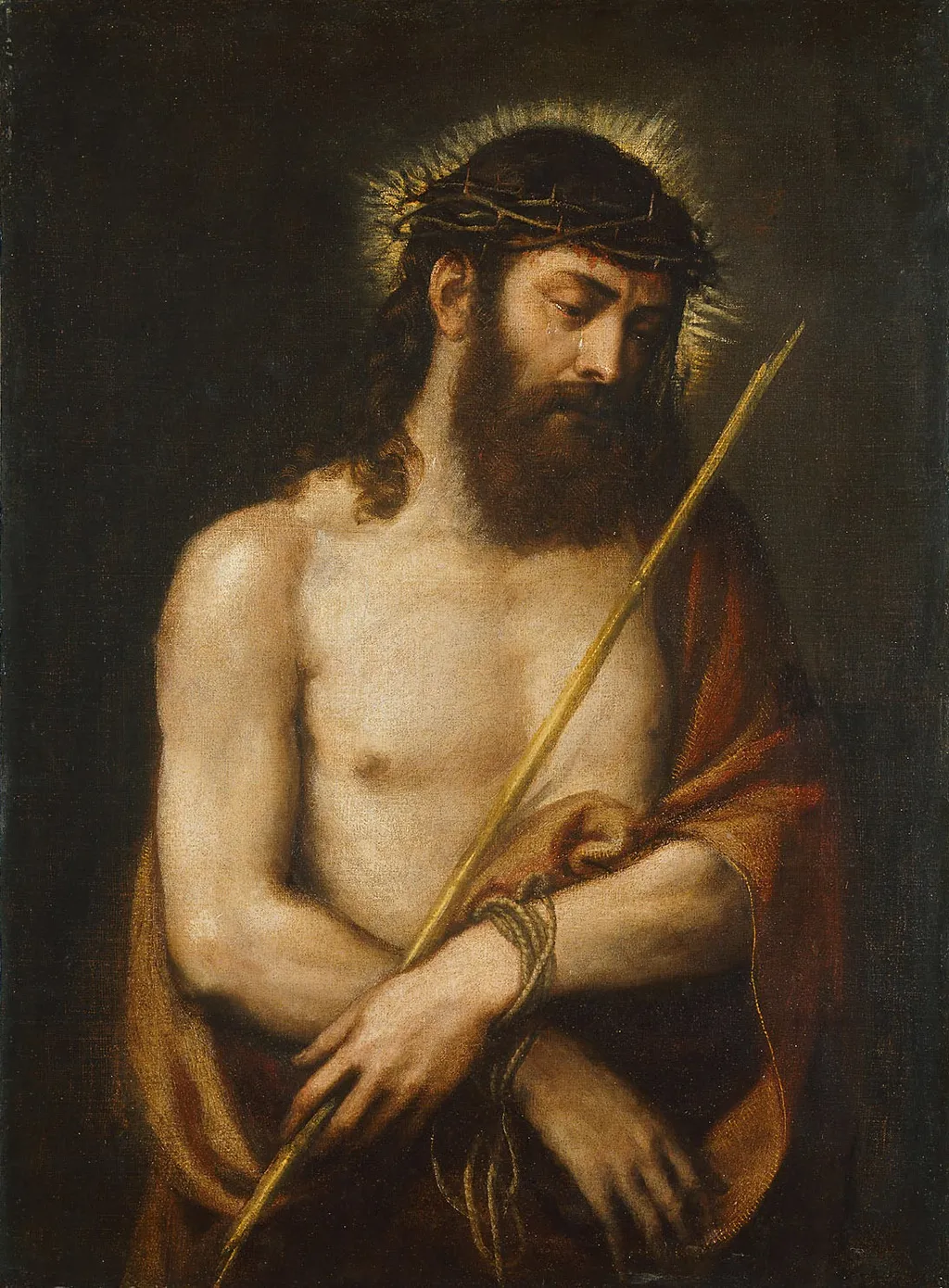
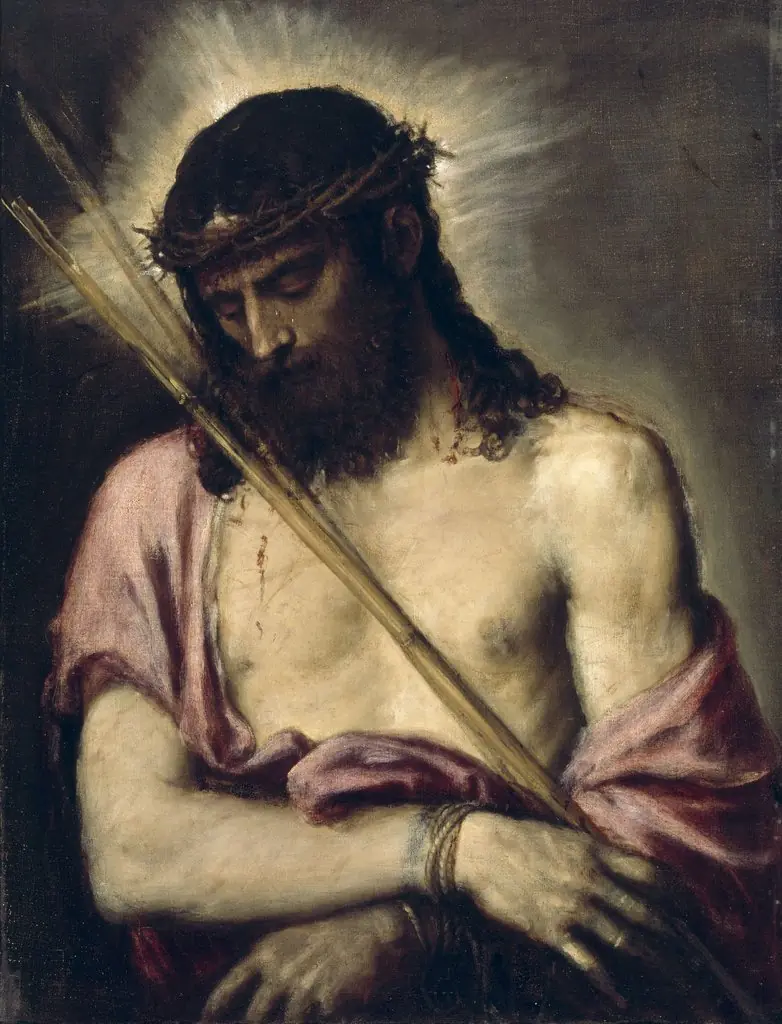
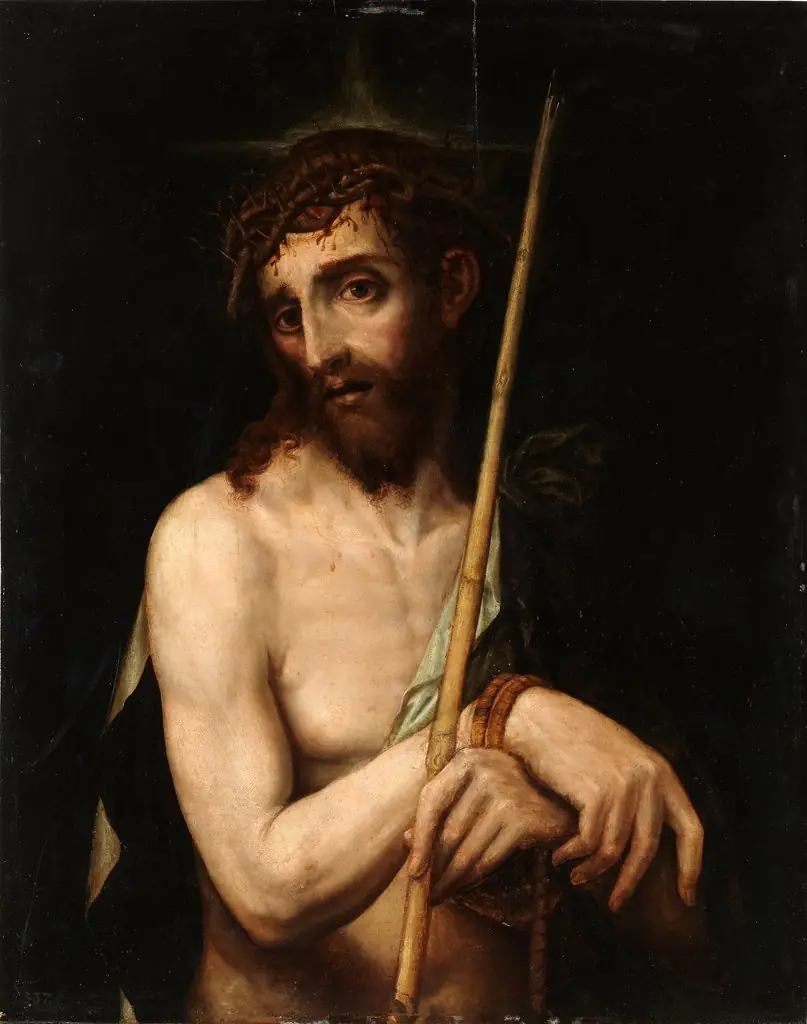
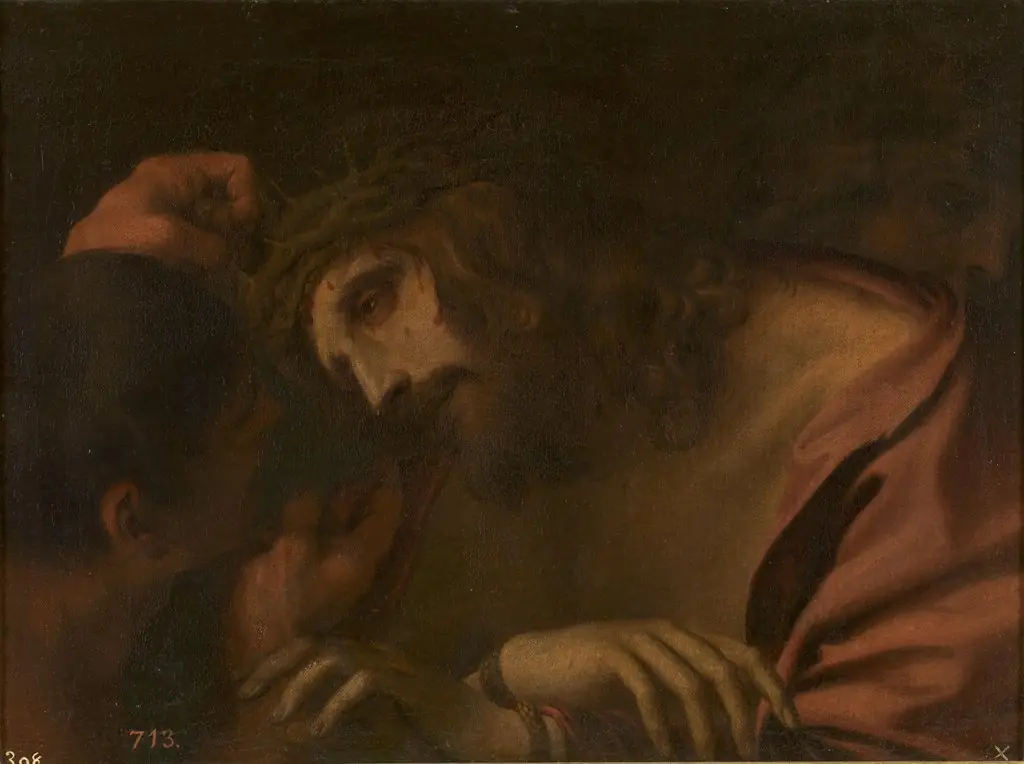
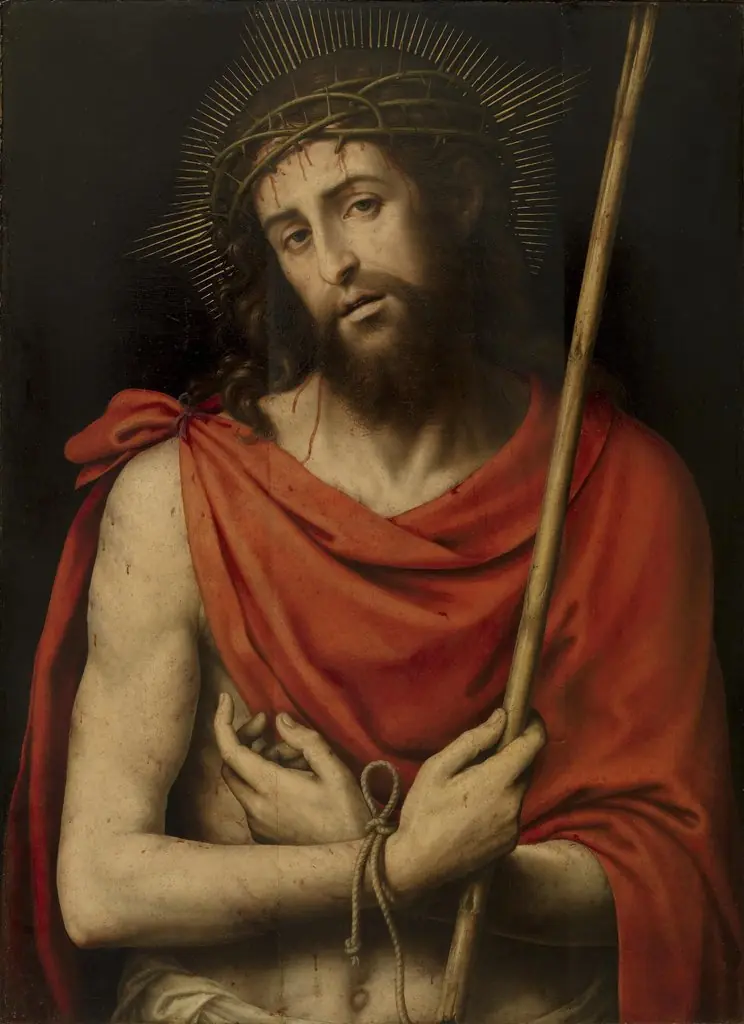
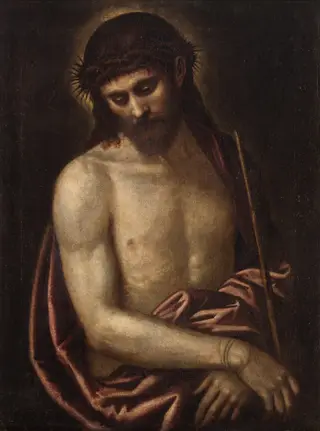
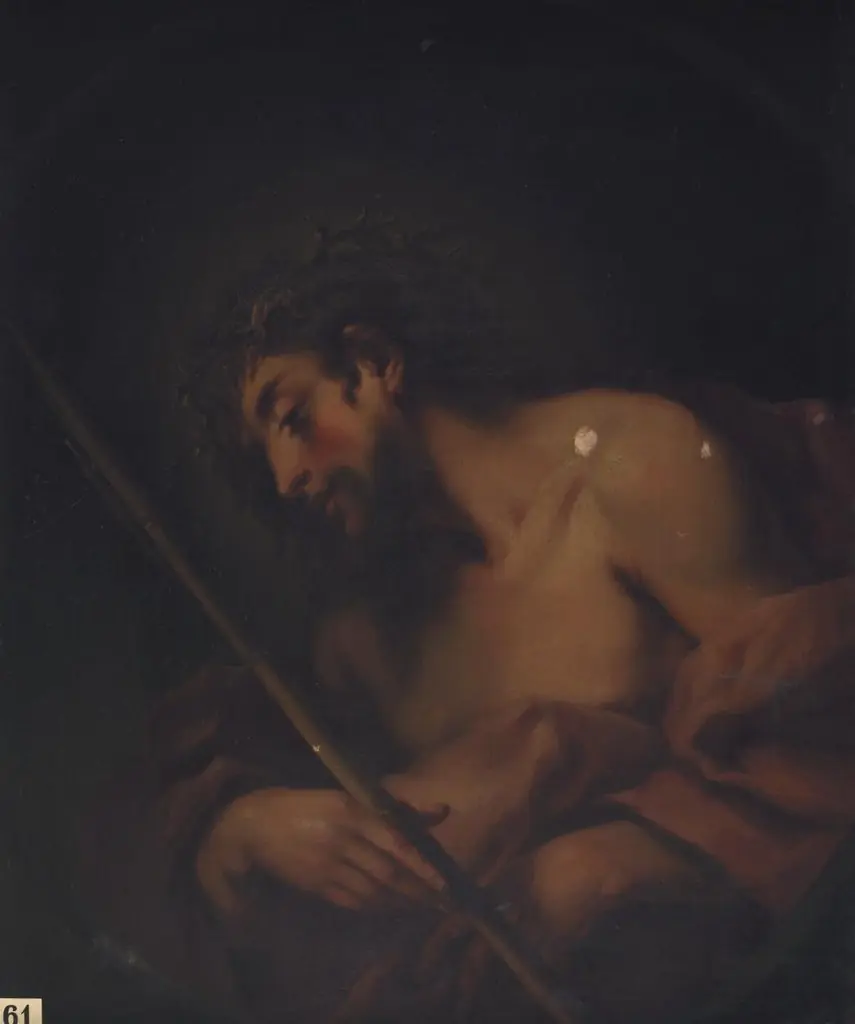
Christ Crowned with Thorns is an oil painting. It dates from 1570 and is held in the collection of the Kunsthistorisches Museum. The work portrays a naked figure whose head is crowned with thorns, his gaze directed downward.
About this work
Subject & Meaning
As a work of religious art from the Venetian school, the piece focuses on the suffering and humiliation of the figure before his crucifixion.
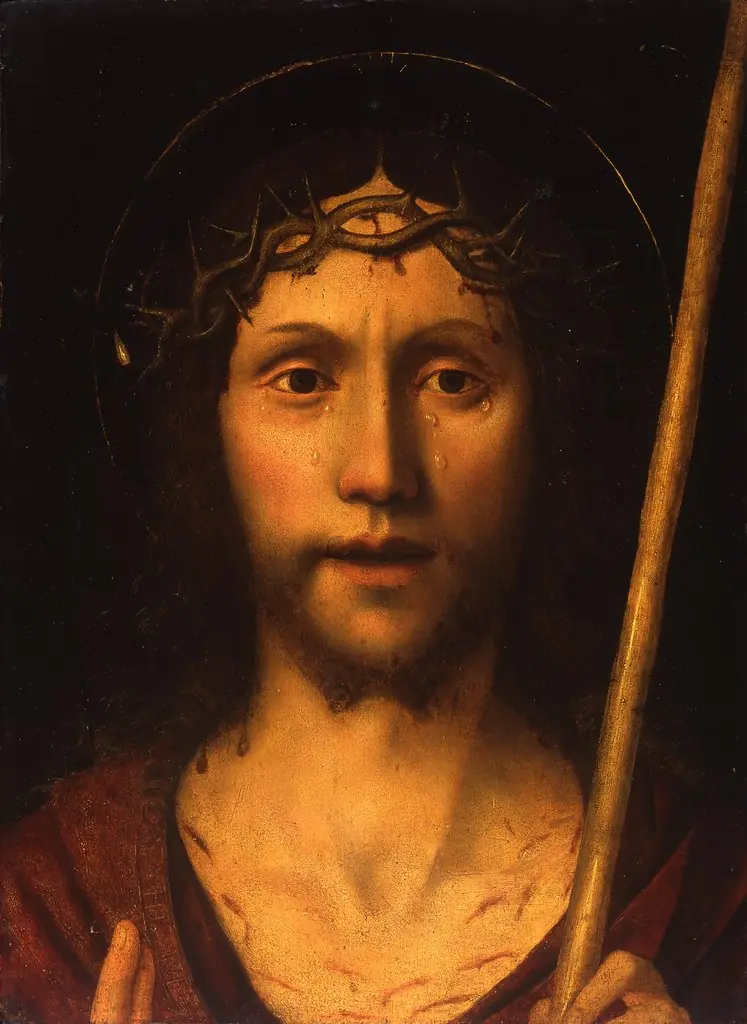
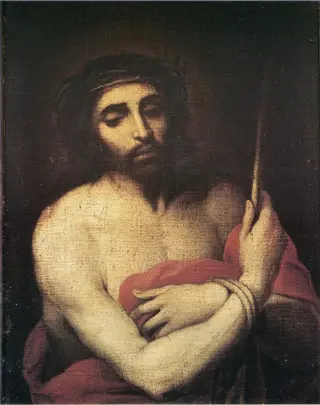
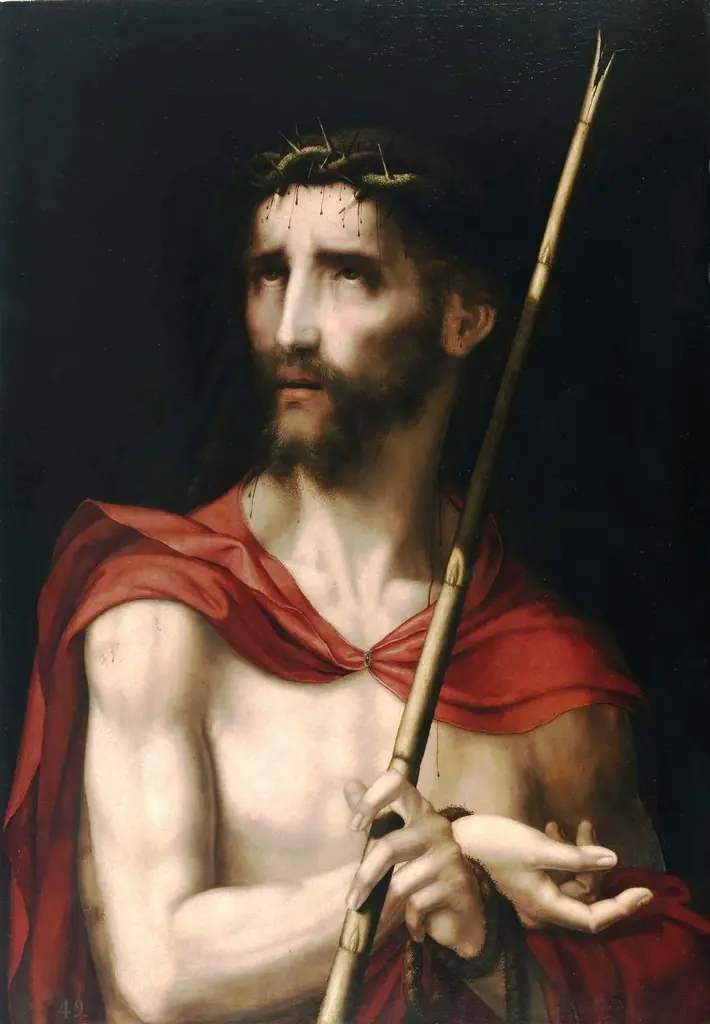
The painting depicts the moment of Christ Crowned with Thorns, a scene central to the Passion narrative. The main subject is identified as the Ecce Homo theme, presenting Jesus Christ wearing the Crown of Thorns. As a work of religious art from the Venetian school, the piece focuses on the suffering and humiliation of the figure before his crucifixion.
The iconography relies on the specific visual elements of the thorned crown and the presentation of Christ to the viewer, emphasizing the theological weight of his sacrifice.
Technique & Style
The work is executed in oil paint on canvas, a medium characteristic of the Venetian school to which it is attributed. The relatively modest dimensions, 64 cm in height by 47 cm in width, indicate an intimate scale suited to private devotional viewing.
Stylistically, the painting belongs to the Venetian tradition of the late sixteenth century, produced in the workshop of Titian in 1570. Its religious subject, the Ecce Homo depicting Christ crowned with thorns, is rendered in a manner consistent with the workshop's handling of devotional imagery of the period.
History & Provenance
The painting Christ Crowned with Thorns was created in 1570 within the workshop of Titian. Executed in oil on canvas, the work measures 64 cm in height and 47 cm in width. It is classified as a religious piece belonging to the Venetian school movement. The artwork currently resides in the collection of the Kunsthistorisches Museum.
The oil painting Christ Crowned with Thorns, attributed to the workshop of Titian and dated to 1570, is held in the collection of the Kunsthistorisches Museum. The work depicts the religious subject of Jesus Christ wearing a crown of thorns as part of an Ecce Homo scene. The provided sources confirm the museum's current ownership and the painting's creation date but do not specify a unique inventory or accession number for this piece. Additionally, the available documentation contains no record of specific exhibitions where the work has been displayed.
Context
The work belongs to the workshop of Titian and exemplifies the Venetian school's emphasis on coloristic richness and dynamic composition within Counter-Reformation religious painting. Its depiction of Christ crowned with thorns aligns with Counter-Reformation demands for emotionally charged sacred imagery, reflecting the period's theological imperatives and artistic conventions. The painting's stylistic analysis situates it within the broader trajectory of 16th-century Venetian devotional art, demonstrating how workshop practices disseminated Titian's innovative approaches to sacred narrative.
Overview
The work portrays a naked figure whose head is crowned with thorns, his gaze directed downward. A red cloth hangs over his left shoulder while ropes bind his wrists, and a spear leans against his left arm. Blood streams from his forehead, emphasizing his anguish amid a darkened backdrop that heightens the contrast with his warm skin tones.
Artist & collection