Artwork
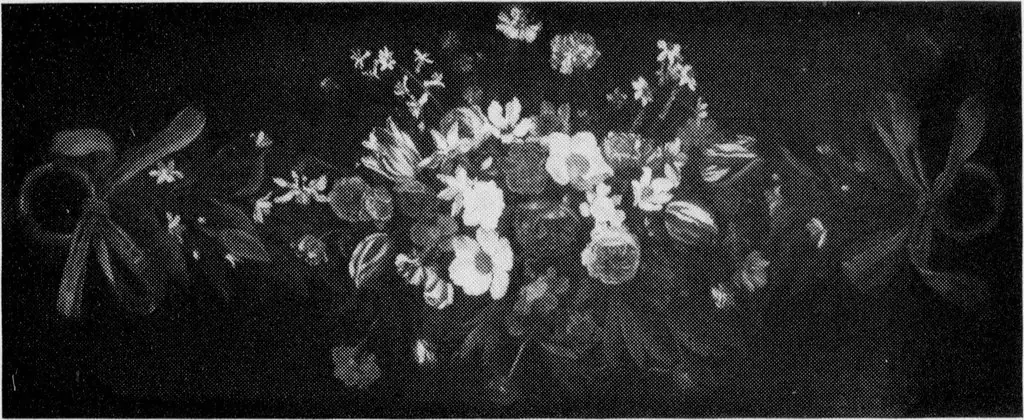
Decoratiestuk met een guirlande met muziekinstrumenten
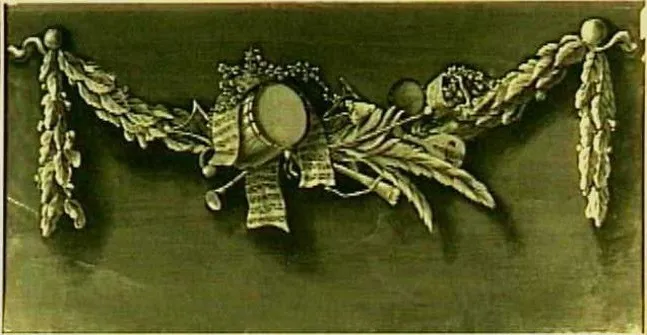
Decoratiestuk met een guirlande met muziekinstrumenten is an unspecified painting by Unknown. It dates from 1650 and is held in the collection of the Rijksmuseum. This painting features a decorative panel adorned with a garland of musical instruments.
About this work
Overview
This painting features a decorative panel adorned with a garland of musical instruments. Executed in the manner of still-life composition, it presents instruments arranged in a symmetrical, ornamental pattern. The work belongs to a genre popular in the Low Countries during the late 16th and early 17th centuries, where such arrangements served both aesthetic and symbolic purposes.
Subject & Meaning
The garland includes lutes, violins, flutes, and other period instruments, suspended or arranged as if woven by foliage. These objects likely symbolize harmony, the arts, or the transient nature of earthly pleasures. The absence of human figures shifts focus to the instruments themselves, suggesting a quiet reverence for music as a refined cultural pursuit.
Technique & Style
The painting employs fine brushwork and careful modeling to render the textures of wood, metal, and gut strings. Light falls evenly across the composition, enhancing the three-dimensionality of each object. Backgrounds are muted, allowing the garland to dominate. The style reflects Flemish attention to detail and a preference for balanced, orderly arrangements.
History & Provenance
The work likely originated in Antwerp or Brussels, where such decorative panels were commissioned for private homes or civic buildings. It may have been part of a larger series or altarpiece surround. Early records are sparse, but its stylistic traits align with workshop practices of the period, possibly linked to artists specializing in still-life ornamentation.
Context
During the late Renaissance, decorative garlands with objects of daily or cultural life became popular in Northern Europe. These compositions often appeared alongside religious imagery or as standalone wall decorations. The inclusion of musical instruments reflects the era’s intellectual interest in the liberal arts and the growing status of music as a refined pursuit among the urban elite.
Legacy
This type of painting influenced later still-life traditions in the Netherlands, particularly in the development of vanitas and allegorical compositions. While not widely attributed to a single renowned artist, such works contributed to the codification of symbolic still-life language and remain important examples of period decorative art.
Artist & collection