Artwork
Diane de Poitiers, Lady of Brézé and Duchess of Valentinois
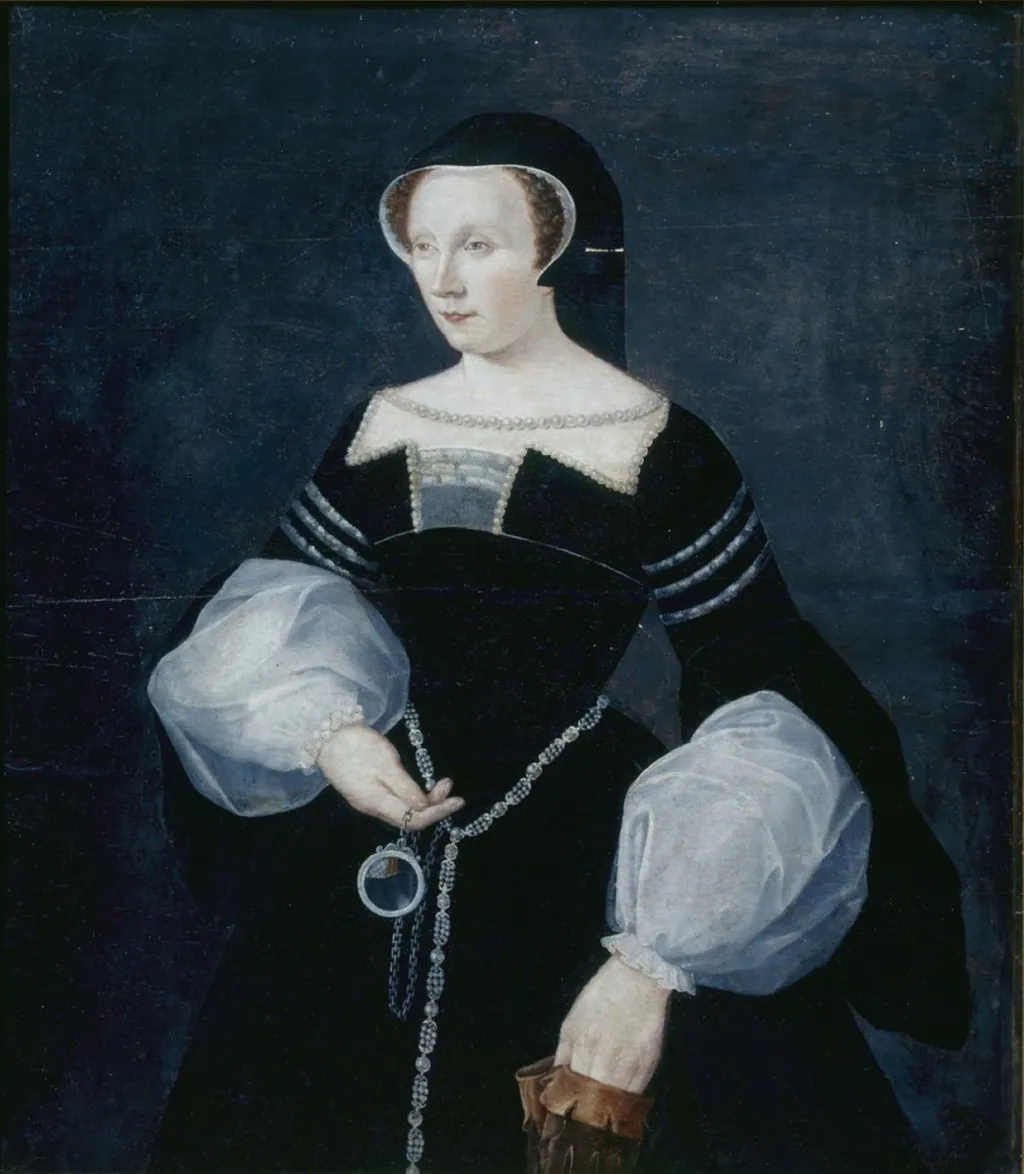
Diane de Poitiers, Lady of Brézé and Duchess of Valentinois is an oil painting by the Early Baroque Italian artist Unknown. It dates from 1550 and is held in the collection of the Palace of Versailles.
About this work
Overview
The work measures 64 by 54 centimeters and is currently held by the Museum of the History of France at the Palace of Versailles.
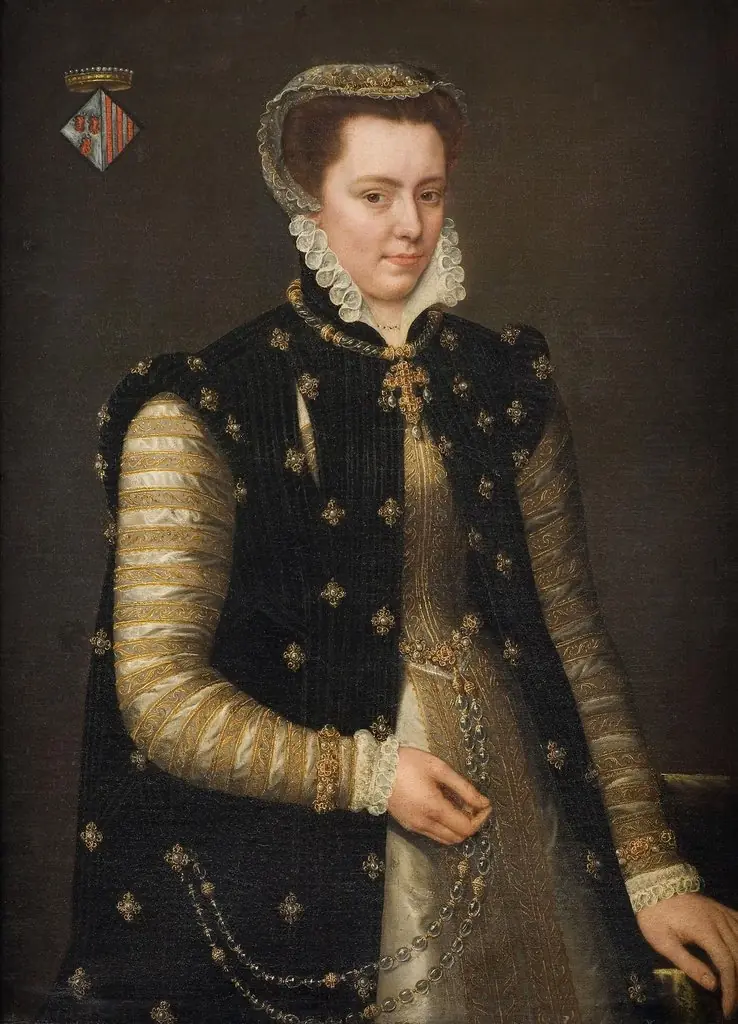
Diane de Poitiers, Lady of Breze and Duchess of Valentinois is an oil on panel portrait dating to 1550. The work measures 64 by 54 centimeters and is currently held by the Museum of the History of France at the Palace of Versailles. The painting portrays Diane de Poitiers, the powerful mistress of King Henry II of France. Created by an anonymous artist, the portrait is a significant visual record of one of the most influential women of the French Renaissance, capturing her status and identity during the height of her political and social power.
Subject & Meaning
The painting depicts Diane de Poitiers in a three-quarter pose, her identity firmly established by her titles. Her attire carries specific iconographic meaning related to her life stages and status. The black dress and hood, lined with white, signify her widowhood following the death of her husband, Louis de Breze, in 1531. Despite this somber sartorial reference, the luxurious details of her clothing, such as the vertical rows of pearls on the gray central bodice panel, communicate her immense wealth and rank as the Duchess of Valentinois. The long chain and circular pendant she holds in her right hand further emphasize her aristocratic standing, while her left hand rests on a tasseled object at her hip, grounding her composed posture.
Technique & Style
Executed in oil paint on a wooden panel, the portrait demonstrates a controlled and refined technique. The artist employed a dark, flat background to focus entirely on the sitter, using even, frontal lighting to model the face, hands, and fabric folds with soft gradations. The palette is restrained, dominated by black, white, and gray tones, with subtle warm notes in the skin and brown accents on the tasseled accessory. Brushwork is smooth and meticulous, capturing the sheen of the black fabric and the translucent quality of the puffed white sleeves, which are gathered at the shoulders with striped bands and loosely ruffled at the wrists. The surface of the painting exhibits fine craquelure throughout, indicating its age and material history.
History & Provenance
The painting was created in 1550, during the period when Diane de Poitiers held unprecedented influence as the mistress of Henry II. The documented provenance of the panel includes ownership by the notable French antiquaries Francois Roger de Gaignieres and Pierre Clairambault. Formerly misidentified as a portrait of Claude de France, the work has since been correctly attributed to Diane de Poitiers. It eventually entered the French national collections and is now housed at the Museum of the History of France in the Palace of Versailles, where it is photographed and managed by the Reunion des musees nationaux.
Context
Created during the French Renaissance, the portrait emerges from a court culture deeply shaped by Diane de Poitiers. As the mistress of Henry II, she wielded power rivaling that of the queen, Catherine de Medici, acting as an unofficial queen who advised the king, controlled patronage, and even signed royal correspondence. Diane was a noted patron of the arts, counting the poet Pierre de Ronsard among her friends, and commissioning works from the architect Philibert Delorme and the Mannerist sculptor Jean Goujon for her chateau at Anet. The 1550 date of this portrait places it squarely in the era of her greatest authority, before the death of Henry II in 1559 led to her sudden downfall and exile by the vengeful queen.
Artist & collection









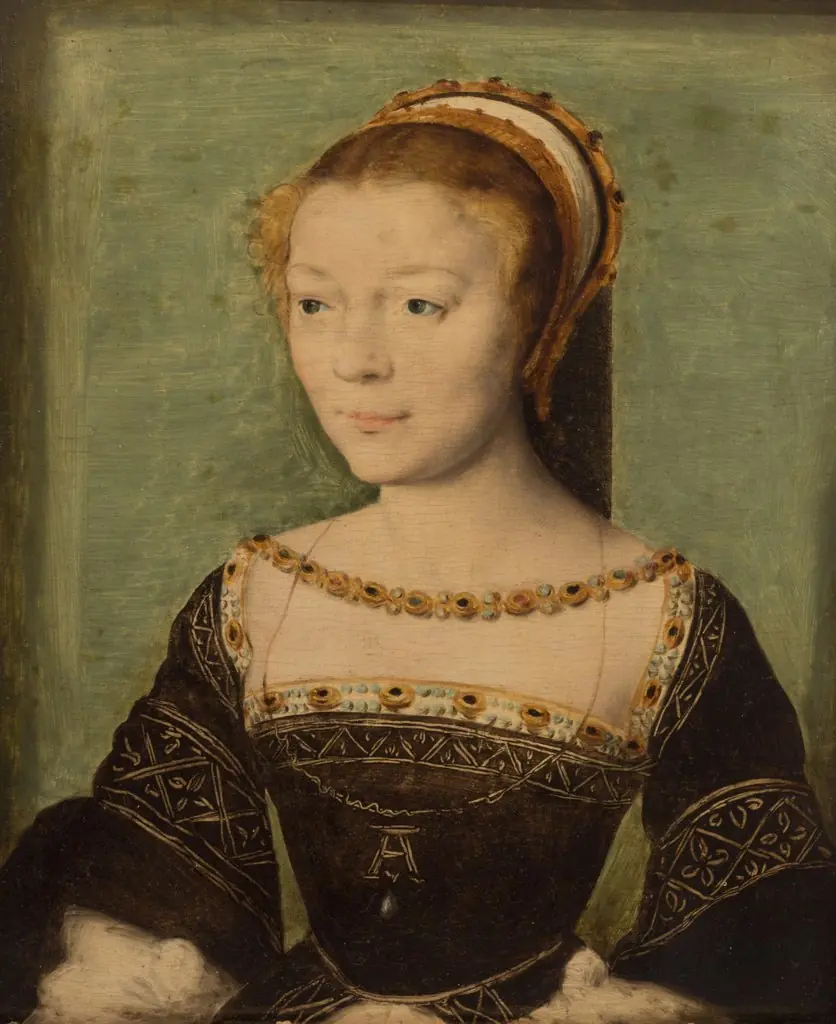
- Anne de Pisseleu (1508–1576), Duchesse d'Étampes
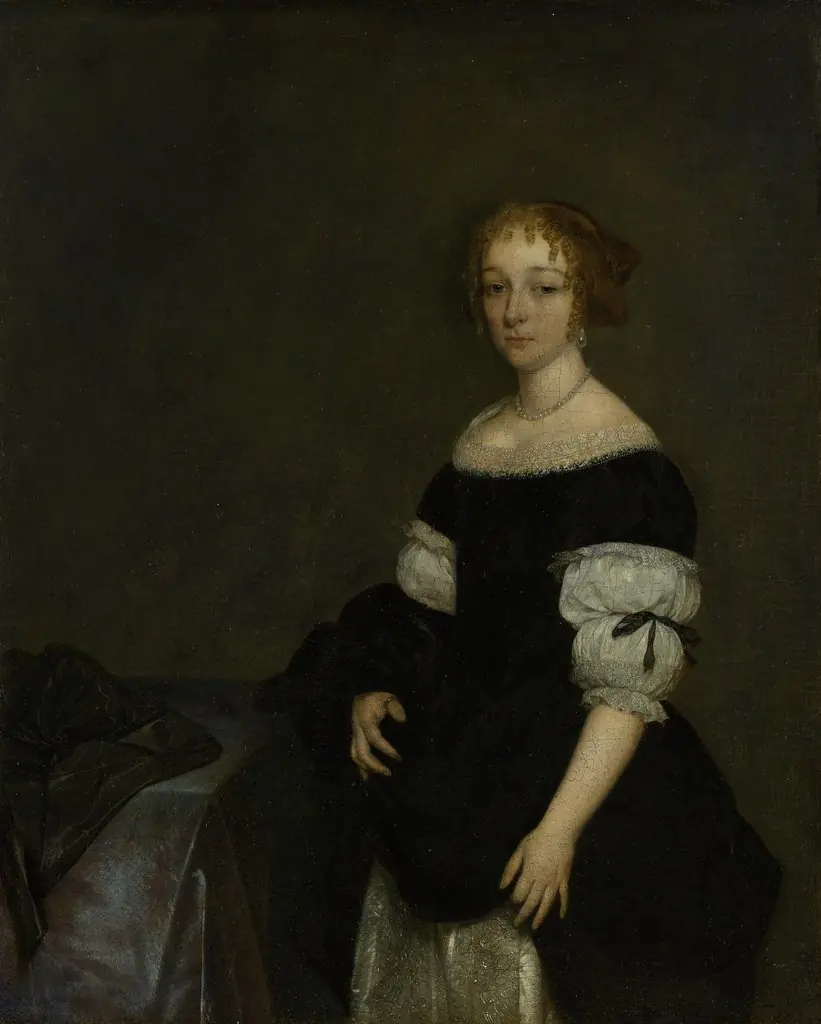 Portrait of Aletta Pancras (1649-1707). Wife of François de Vicq
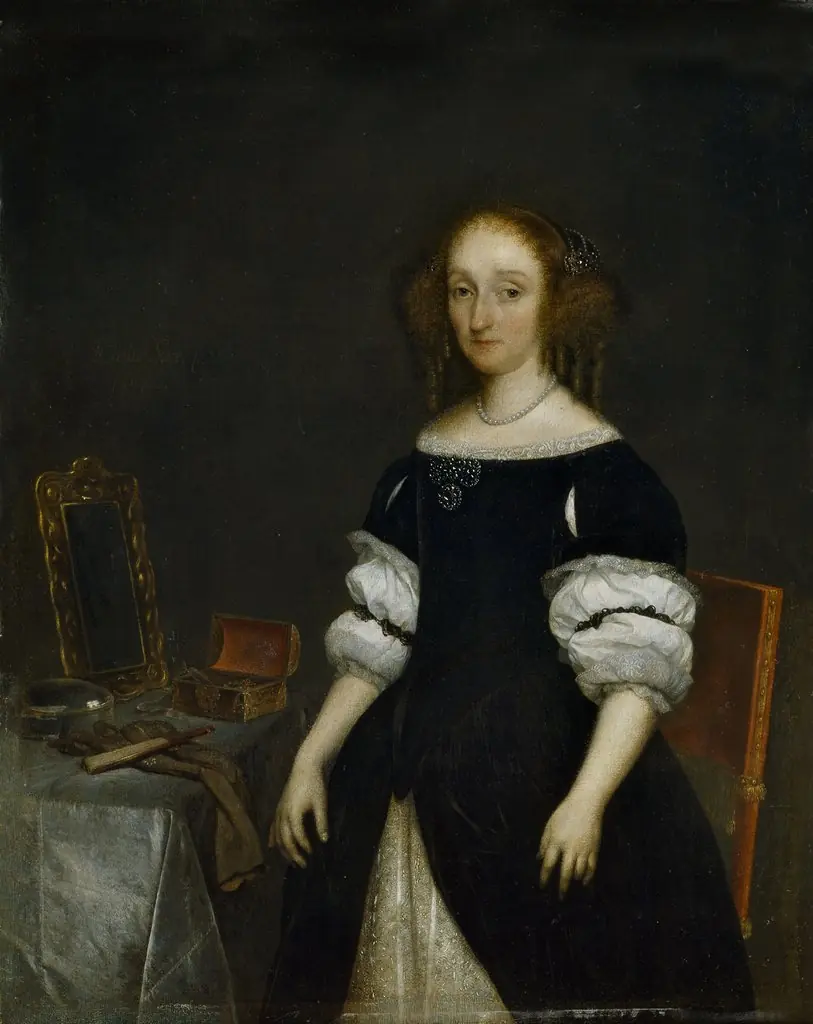 Portrait of Petronella de Waert
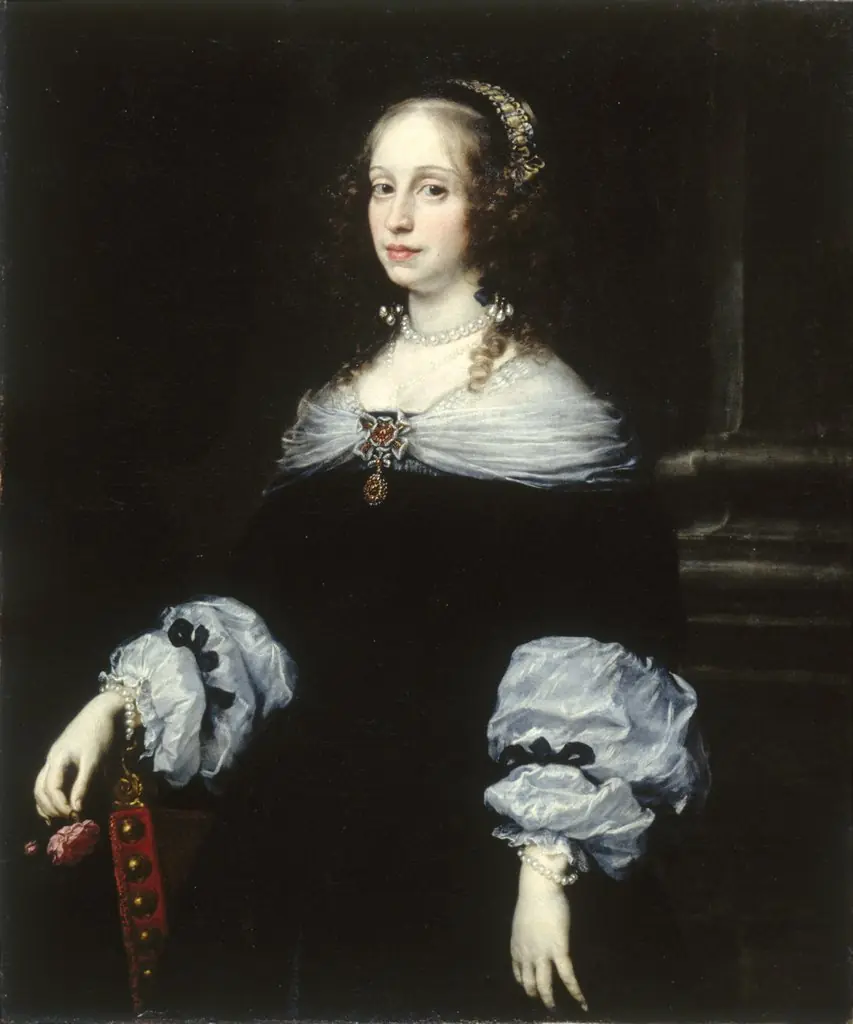 Portrait of Countess Teresa Dudley di Carpegna
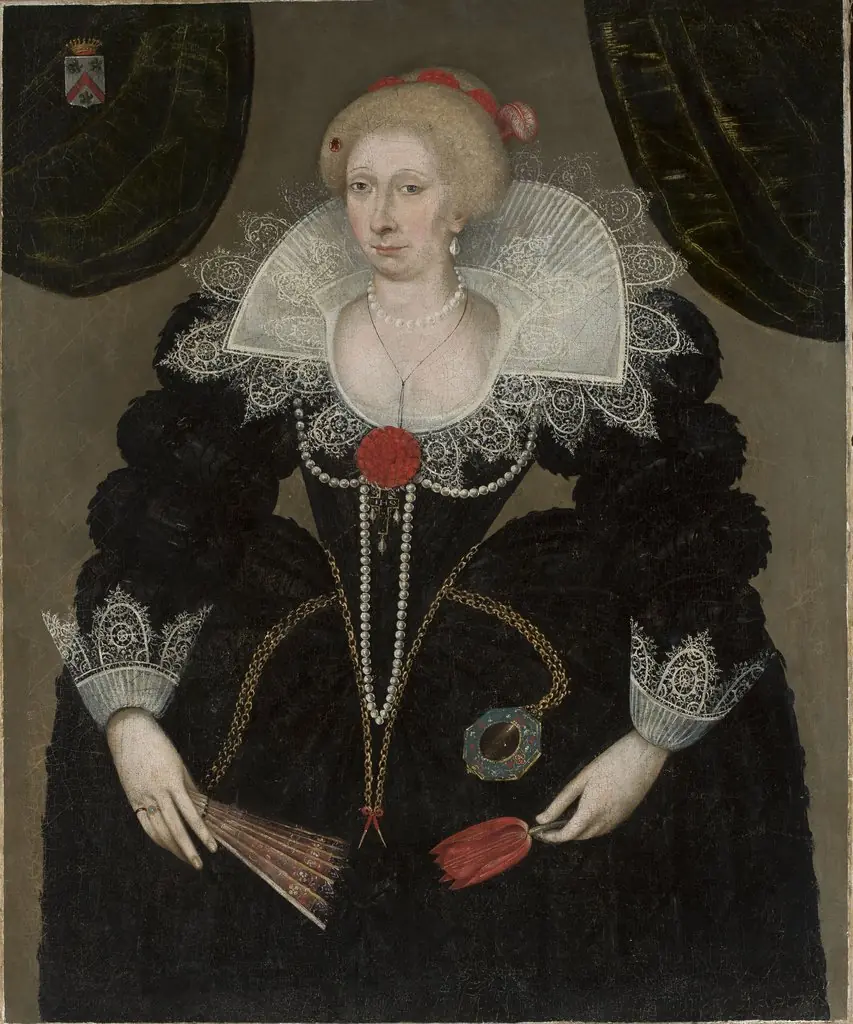 Portrait of Susanne le Royer de Brisolliéres
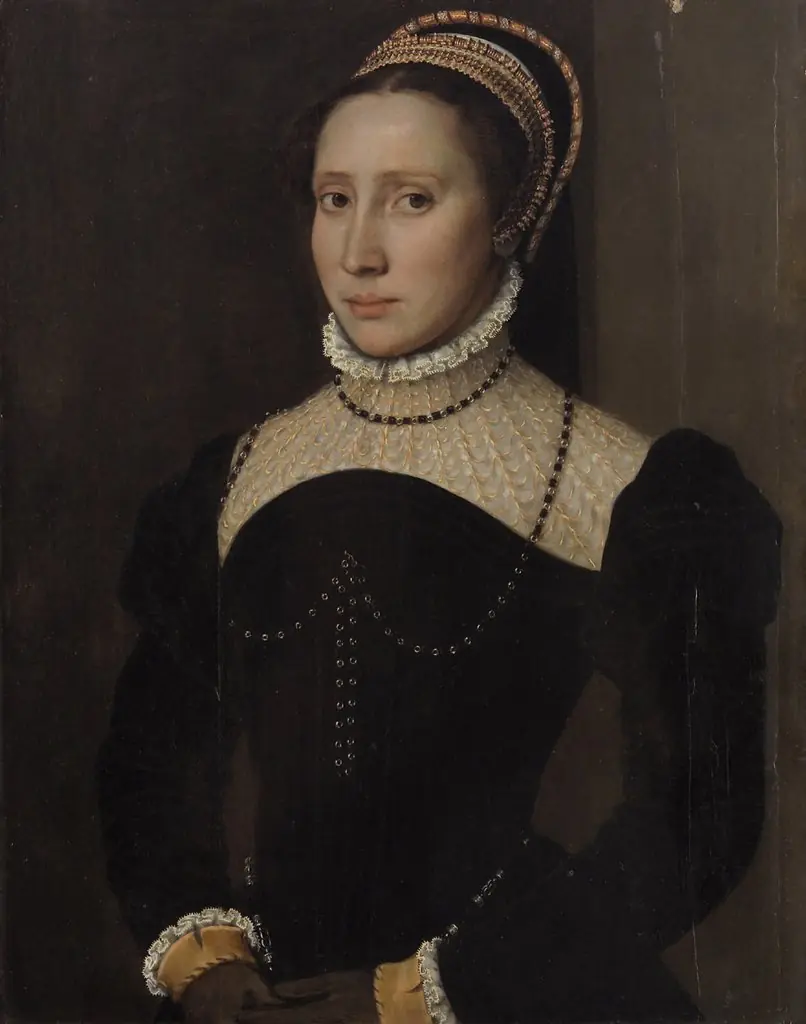 Weibliches Bildnis
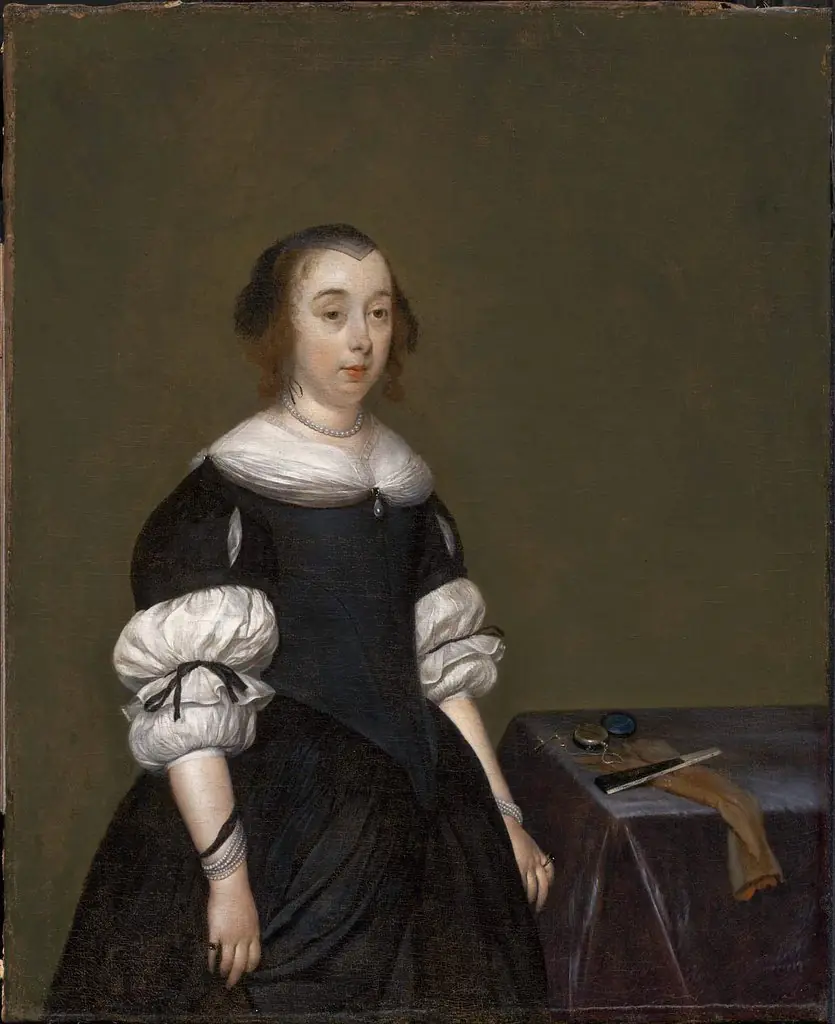 Portrait of a Woman
 Portrait of a Young Italian Lady
 Portrait of Margherita van der Goes
 Lady with the Jewel
 Portrait of a Young Italian Lady
 Portrait of Margaret of Parma