Artwork
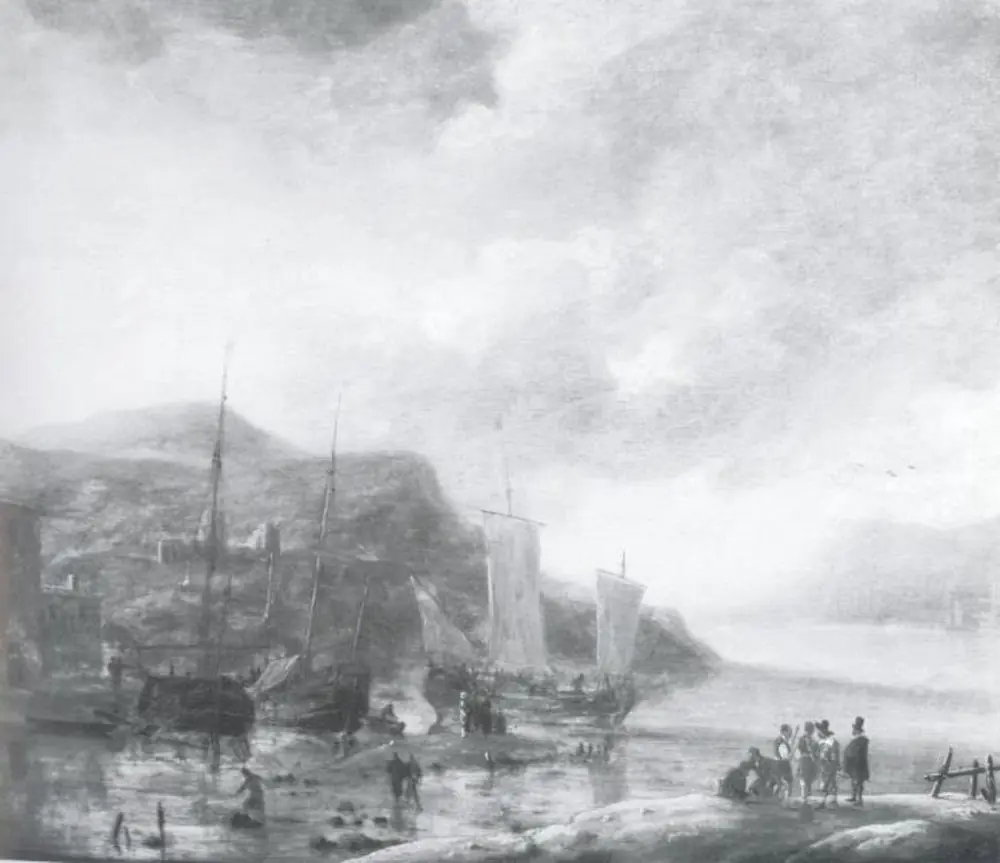
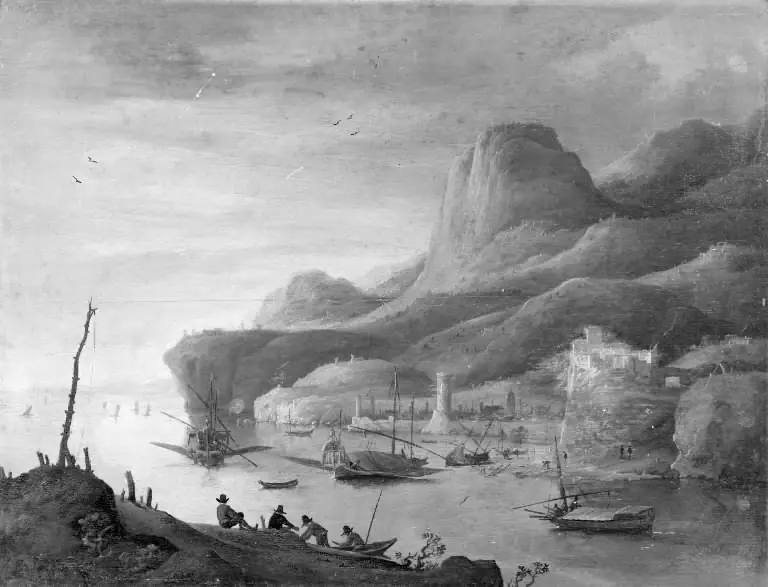
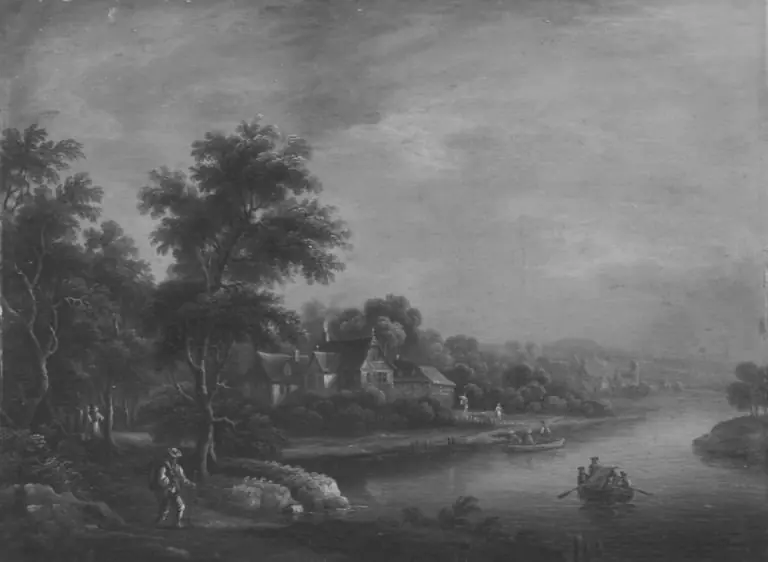
En tilfrossen sø med skøjteløbere, til venstre ses en by i mellemgrunden
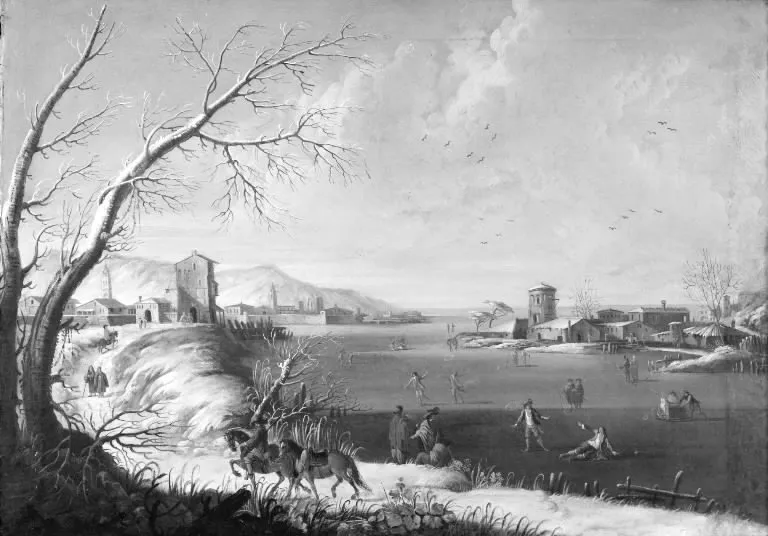
En tilfrossen sø med skøjteløbere, til venstre ses en by i mellemgrunden is an unspecified painting by the Rococo painting artist Unknown. It dates from 1700 and is held in the collection of the Statens Museum for Kunst. The canvas depicts a winter scene in which a frozen lake serves as a skating rink for figures dressed in period attire.
About this work
Overview
The canvas depicts a winter scene in which a frozen lake serves as a skating rink for figures dressed in period attire. To the left, a town rises amid a muted skyline, while a distant mountain range frames the right side. Sparse, leafless trees and low shrubs populate the foreground, adding depth to the tranquil, overcast atmosphere rendered in a restrained palette of grays.
Subject & Meaning
The work captures a communal winter pastime, emphasizing the contrast between human activity and the stillness of the ice. The juxtaposition of the bustling skaters against the quiet, snow‑covered landscape conveys a sense of shared leisure within a harsh climate, while the distant urban and mountainous elements suggest both settlement and the broader natural environment surrounding the scene.
Technique & Style
Executed in monochromatic tones, the painting relies on subtle variations of gray to model form and convey atmospheric perspective. The artist employs delicate brushwork for the reflective ice surface and more textured strokes for the bare trees, creating a layered visual effect. The overall composition balances detailed figuration with a simplified, almost lyrical treatment of sky and terrain.
History & Provenance
The piece is part of the collection of Denmark’s National Gallery, Statens Museum for Kunst. Its acquisition details are recorded in the museum’s holdings, indicating its status as a representative example of winter genre painting within the institution’s European art holdings.
Context
Winter genre scenes were popular in Northern European art, reflecting both the climatic realities and cultural practices of the region. The inclusion of period clothing and a recognizable urban backdrop situates the work within a historical narrative, aligning it with traditions that document everyday life and seasonal rituals in the 19th‑century Scandinavian context.
Artist & collection