Artwork
Fragment of a Wall Painting with a Fox or a Dog (and Painted Layers)
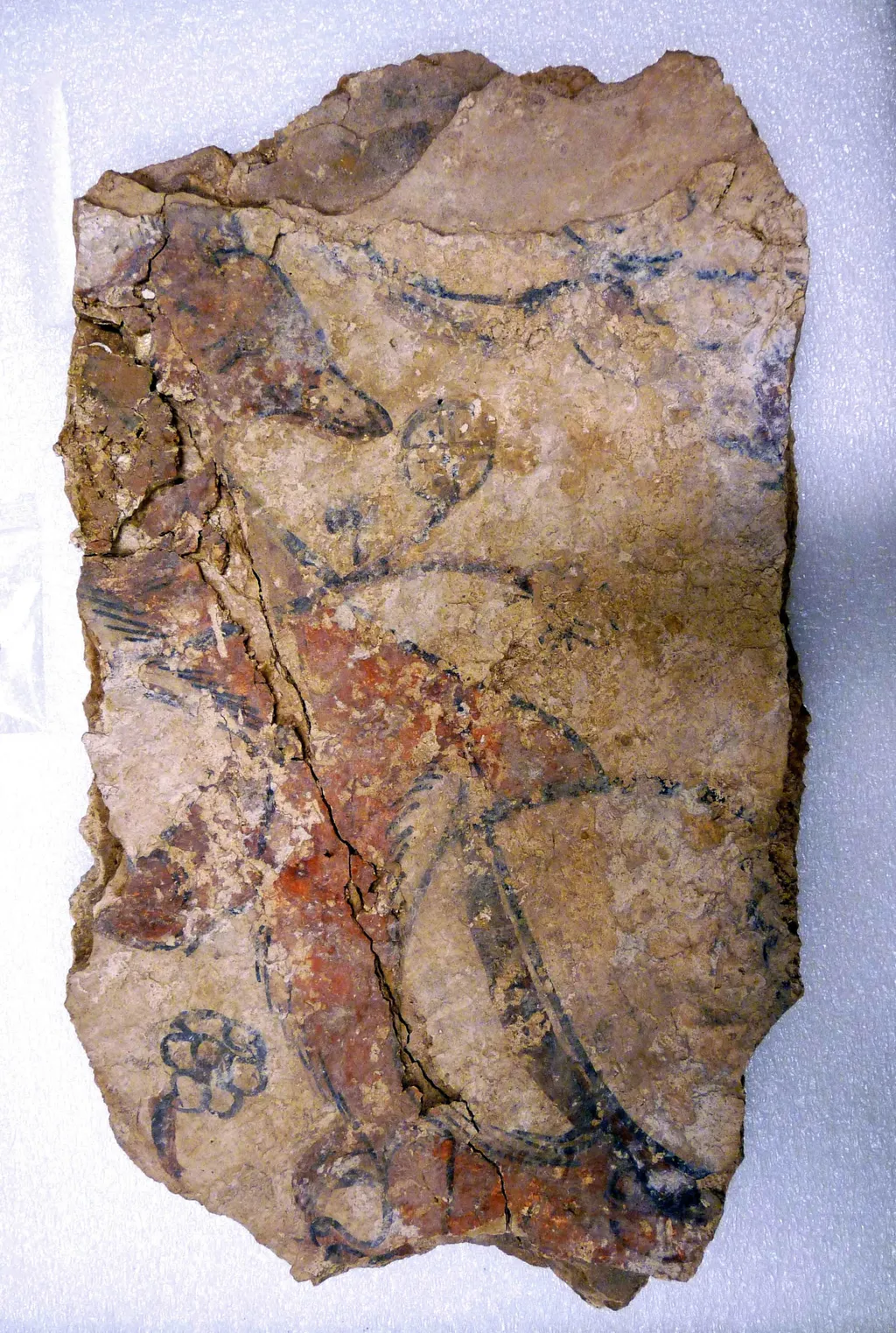
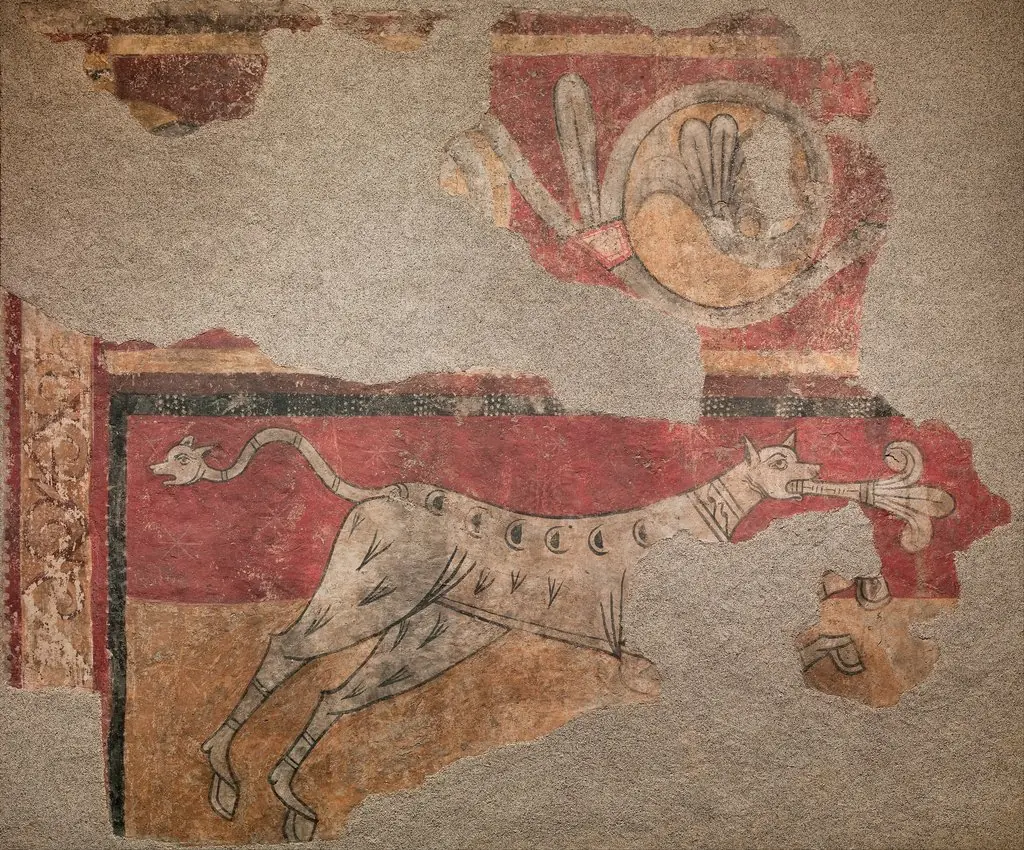
Fragment of a Wall Painting with a Fox or a Dog (and Painted Layers) is an unspecified painting. It dates from 1149 and is held in the collection of the Metropolitan Museum of Art. The fragment is a remnant of a wall painting, detached from a larger composition.
About this work
Subject & Meaning
Created in Iran in 1149, the fragment serves as a representation of fauna typical of its regional context during the twelfth century.
The artwork depicts an animal, specifically identified as either a fox or a dog, executed within the genre of animal art. Created in Iran in 1149, the fragment serves as a representation of fauna typical of its regional context during the twelfth century. As a wall painting fragment, the subject is presented without additional narrative context in the available records, focusing solely on the depiction of the creature itself.
History & Provenance
The fragment originates from a painted wall in Iran dating to 1149, created by an anonymous artist. It entered the collection of the Metropolitan Museum of Art, where it remains on view. The work depicts an animal, specifically a fox or dog, and is classified as an animal-themed painting.
The fragment is held in the collection of the Metropolitan Museum of Art in New York. While the work is dated to 1149 and identified as originating from Iran, the provided records do not specify a unique inventory or accession number for the piece. Furthermore, no information regarding its exhibition history is contained within the available sources.
Overview
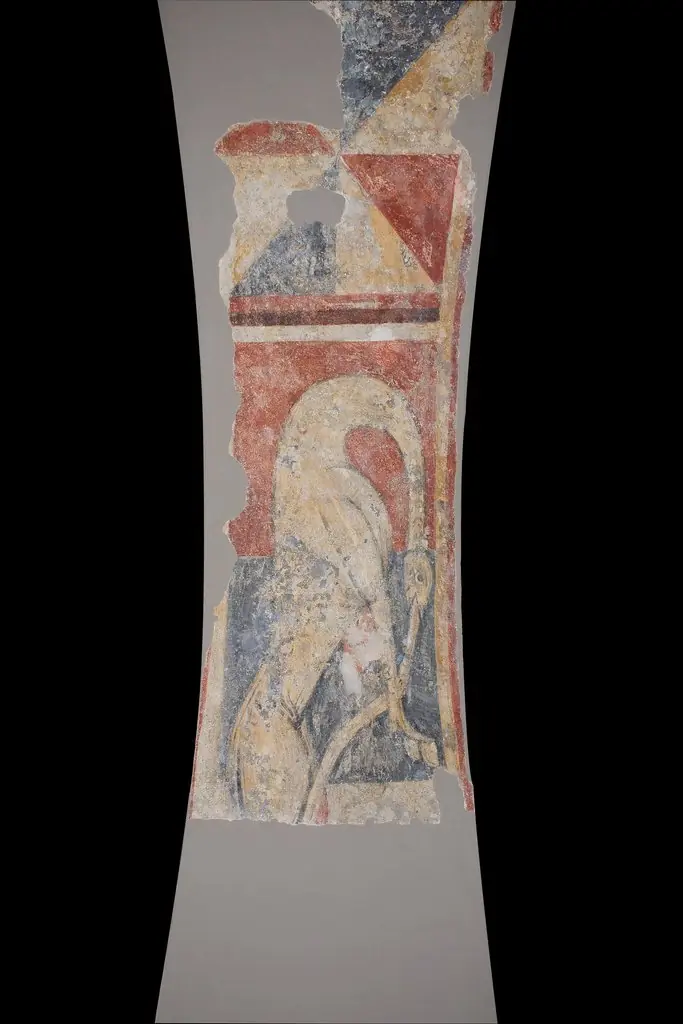
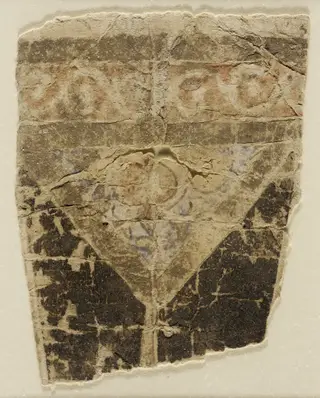
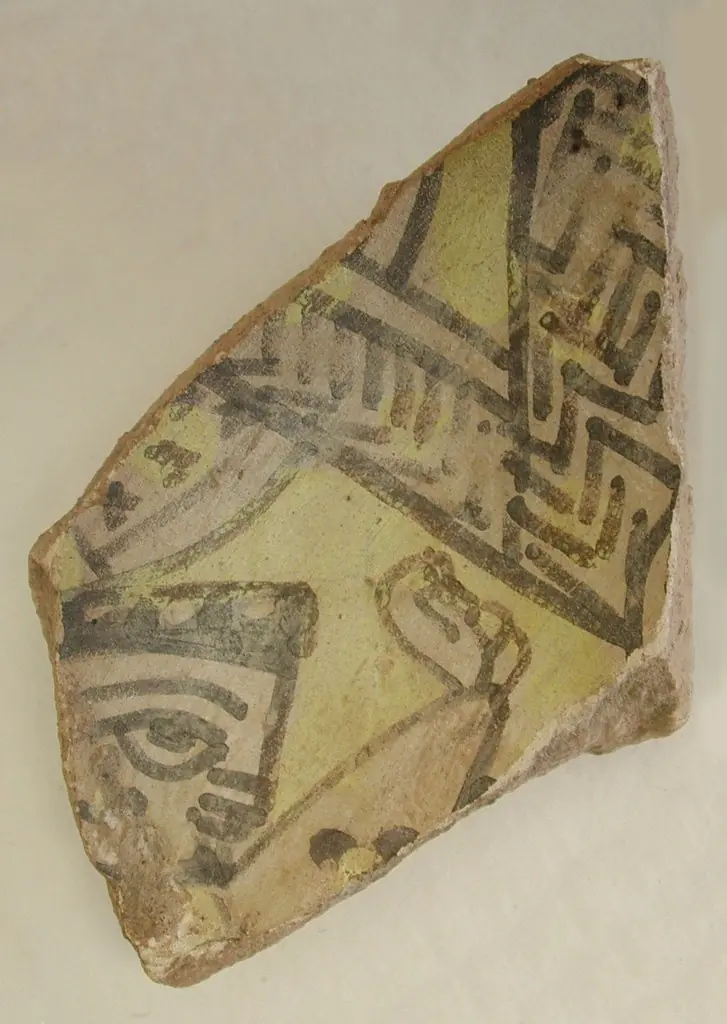
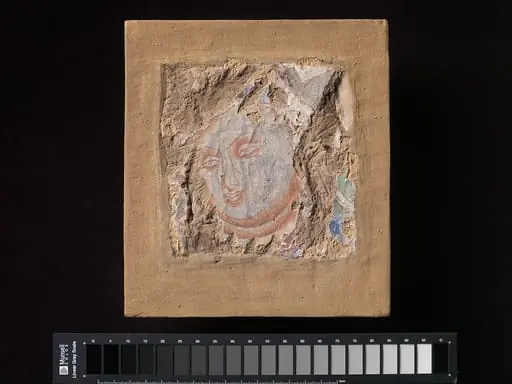
The fragment is a remnant of a wall painting, detached from a larger composition. Its surface bears a muted palette of earthy browns and blues, with a faint silhouette that suggests a canine figure, possibly a fox or a dog. The piece is irregular, with cracked edges and visible layers of paint that have faded unevenly over time.
Technique & Style
The work exhibits multiple pigment applications, visible as streaks of darker and lighter tones where the original paint has worn away. The brushwork appears modest, with broad, flat areas of color typical of wall frescoes or tempera applied directly onto plaster, suggesting a utilitarian rather than highly refined artistic approach.
Context
Wall paintings featuring animal motifs were common in various cultures, serving both decorative and symbolic functions in domestic, religious, or public spaces. The fragment’s subdued colors and simple rendering align with utilitarian wall schemes rather than elite commissions, reflecting everyday visual culture.
Artist & collection