Artwork
Horse Race at the Kamo Shrine (Kamo kurabeuma zu)
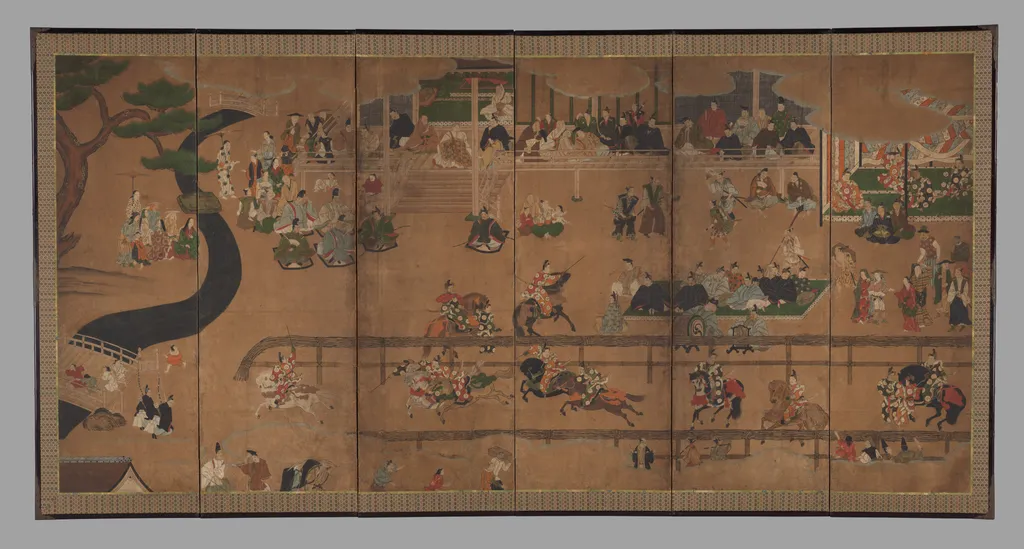
Horse Race at the Kamo Shrine (Kamo kurabeuma zu) is an unspecified painting. It dates from 1600 and is held in the collection of the Metropolitan Museum of Art.
About this work
Subject & Meaning
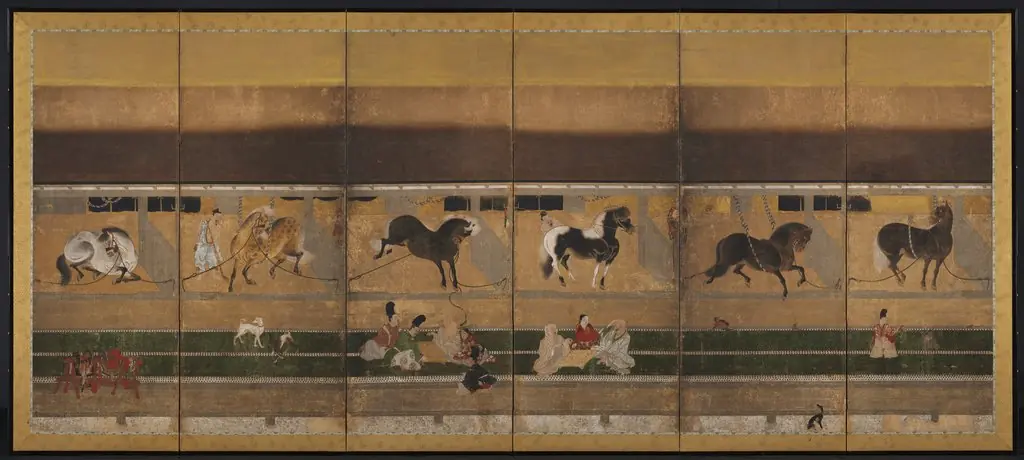
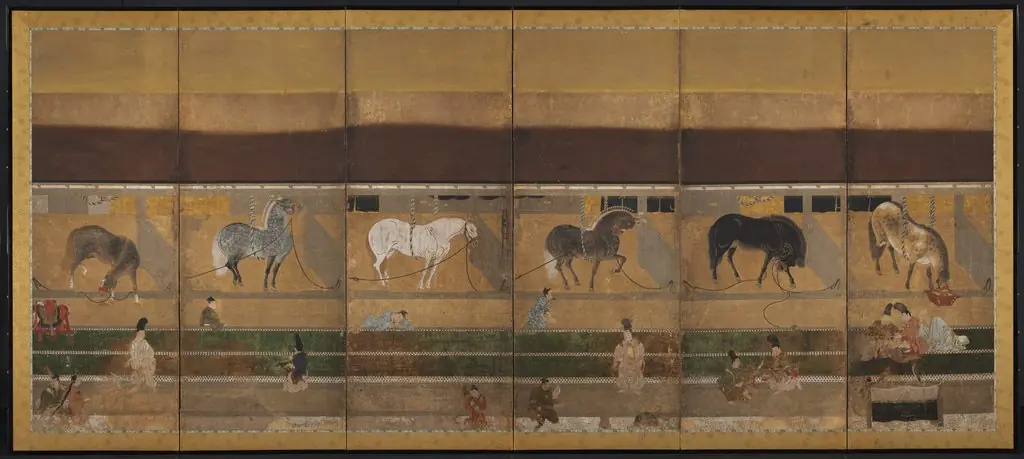
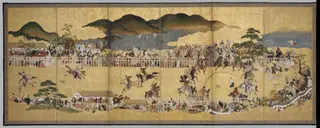
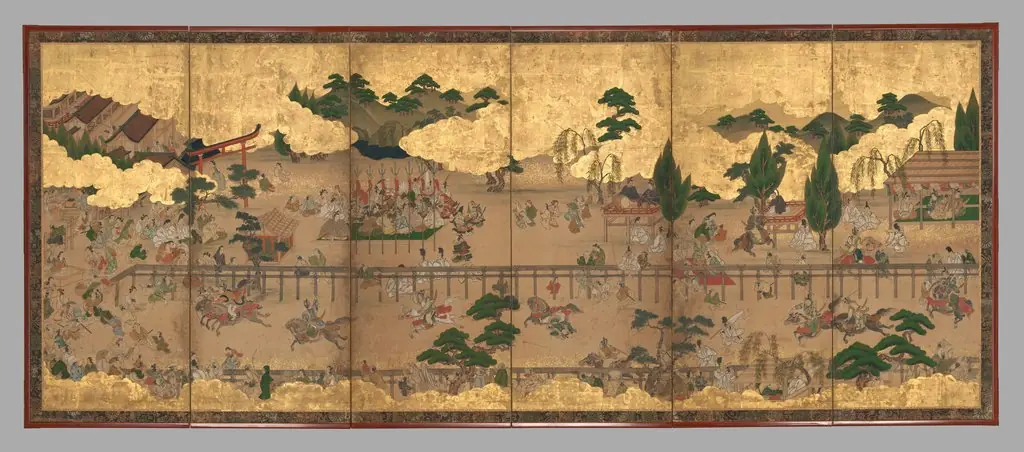
The work portrays a ceremonial horse race held at the Kamo Shrine in Kyoto, a Shinto ritual associated with divine divination and purification rites.
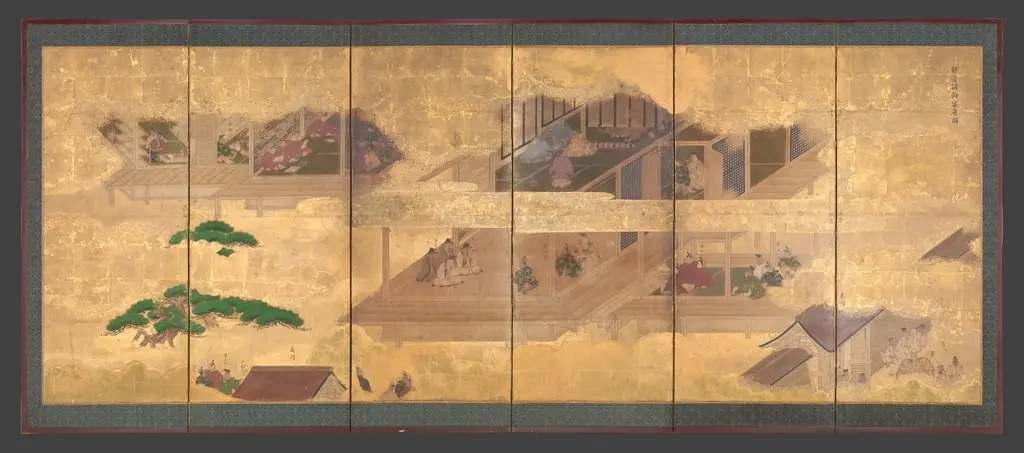
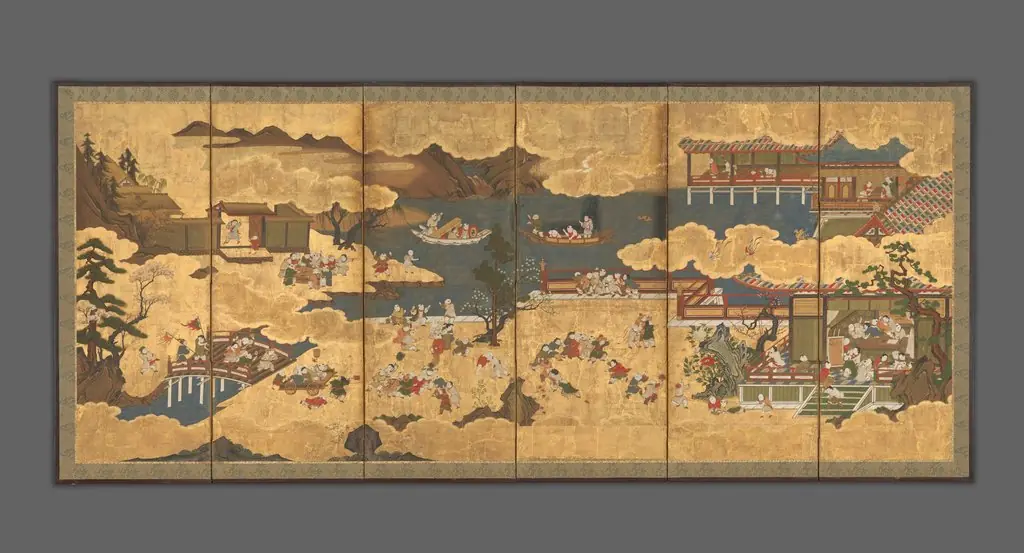
The work portrays a ceremonial horse race held at the Kamo Shrine in Kyoto, a Shinto ritual associated with divine divination and purification rites. The depicted scene captures the dynamic movement of horses and riders within a sacred landscape, symbolizing the communion between the kami and the earthly realm. Visual elements such as the ornate banners, ceremonial robes, and stylized clouds reinforce the ritual's spiritual significance, conveying themes of protection, renewal, and the harmonious order of nature.
History & Provenance
Horse Race at the Kamo Shrine (Kamo kurabeuma zu) is dated to 1600, a date recorded in both the internal catalog record and the work’s Wikidata entry.
The painting entered the collection of the Metropolitan Museum of Art, where it is currently held. Its presence in the museum’s holdings is documented in the Wikidata record, which specifies the Metropolitan Museum of Art as the location and assigns the inception year as 1600.
The painting Horse Race at the Kamo Shrine (Kamo kurabeuma zu), dated to 1600, is held in the collection of the Metropolitan Museum of Art in New York. The work is identified as a Japanese painting created at the beginning of the seventeenth century. While the museum's possession of the piece is established, specific inventory or accession numbers are not provided in the available records.
Furthermore, no details regarding the artwork's exhibition history or loan record are currently documented in the source material.
Context
Horse Race at the Kamo Shrine (Kamo kurabeuma zu) is a 1600 painting attributed to an unidentified artist, housed in the Metropolitan Museum of Art collection. The work depicts a traditional Shinto ritual race at Kyoto's Kamo Shrine and reflects Edo-period artistic engagement with religious festivals. Its creation in Japan aligns with early Tokugawa period patronage of shrine-related subjects, offering insight into contemporary cultural practices.
Scholarship situates it within broader studies of Japanese screen painting traditions, though specific critical reception history remains undocumented in available records.
Legacy
The painting has shaped the visual language of Japanese festival imagery, inspiring later artists to depict equestrian contests with heightened dynamism and ceremonial detail. Its reputation as a masterful record of Heian-era court sport contributed to renewed scholarly interest in Edo-period genre scenes during the twentieth century, influencing exhibitions that framed early modern Japanese art within global contexts. The work's presence in a major Western collection has also reinforced its status as a symbolic representation of Japan's cultural heritage, affecting how subsequent generations view traditional competitive rituals.
Overview
Horse Race at the Kamo Shrine (Kamo kurabeuma zu) is a Japanese painted scroll that depicts a bustling equestrian competition set within the precincts of the Kamo Shrine. The composition is divided into several horizontal panels that together portray spectators, musicians, riders, and surrounding architecture in a single continuous narrative scene.
Technique & Style
Executed in ink and color on paper, the scroll employs a restrained palette of earthy browns and greens for the background, punctuated by vivid reds and blues on clothing and decorative elements. The artist arranges numerous figures in a compressed, rhythmic layout, using patterned borders that frame the scene like a window and guide the viewer’s eye across the sequential panels.
Artist & collection