Artwork
Joseph's Bloody Coat
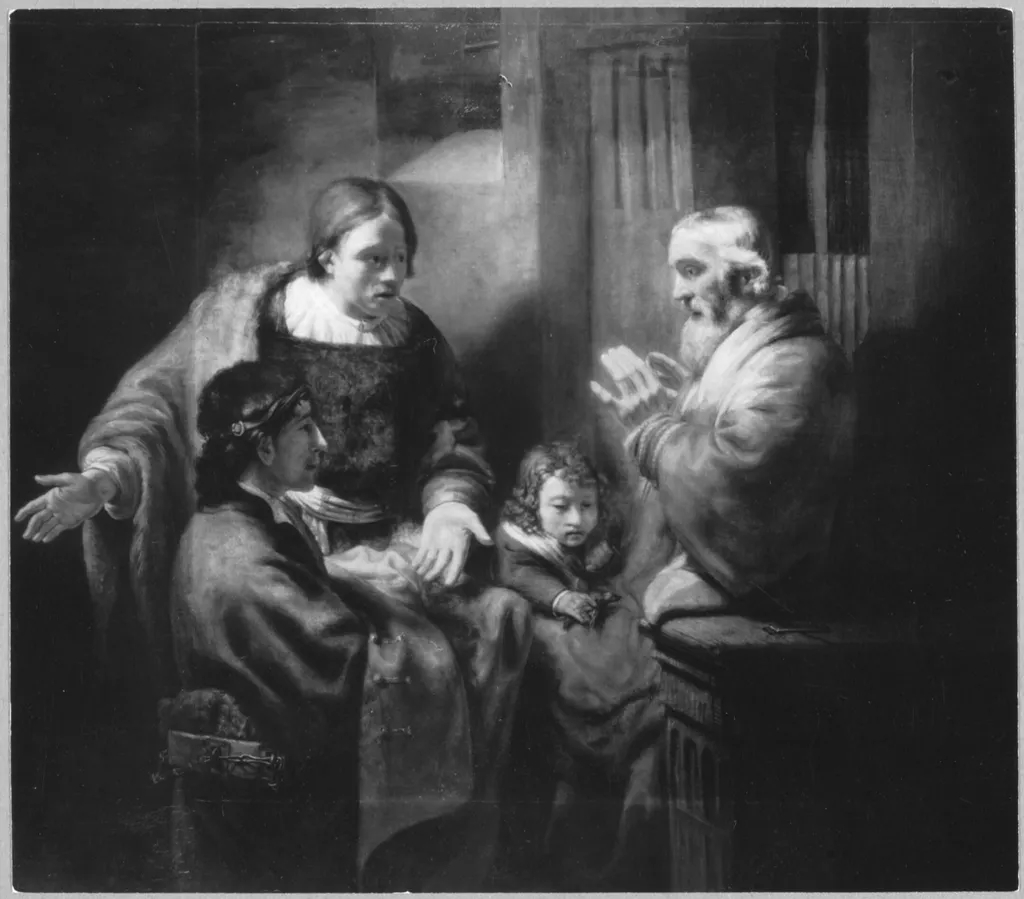
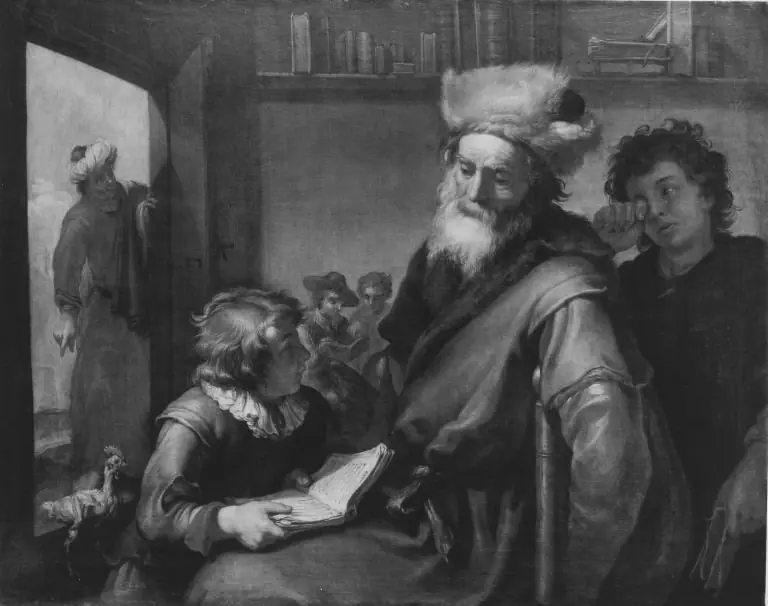
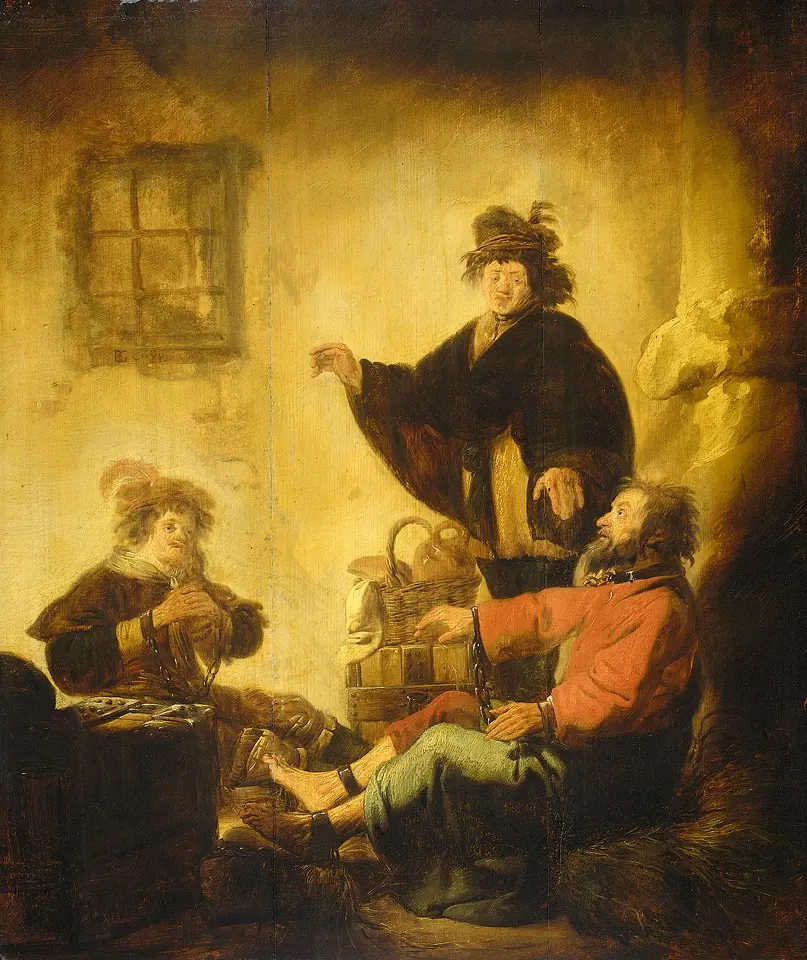
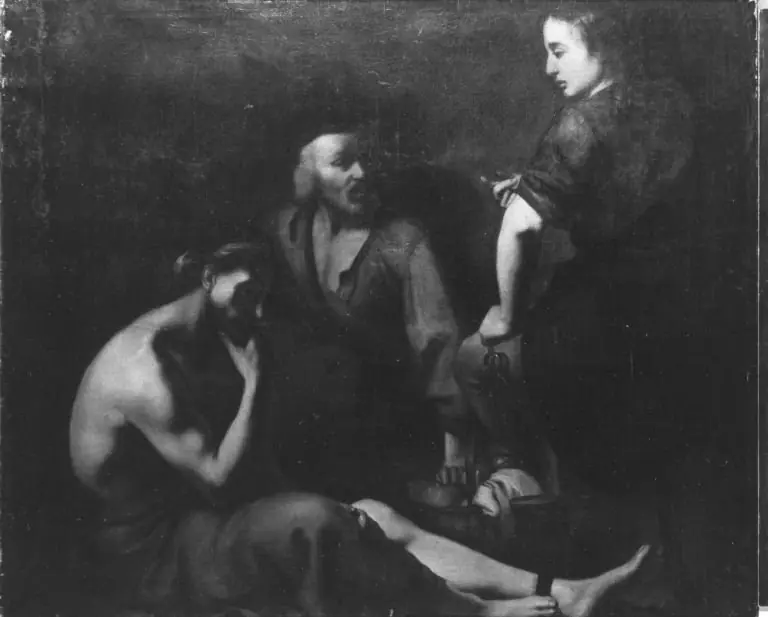
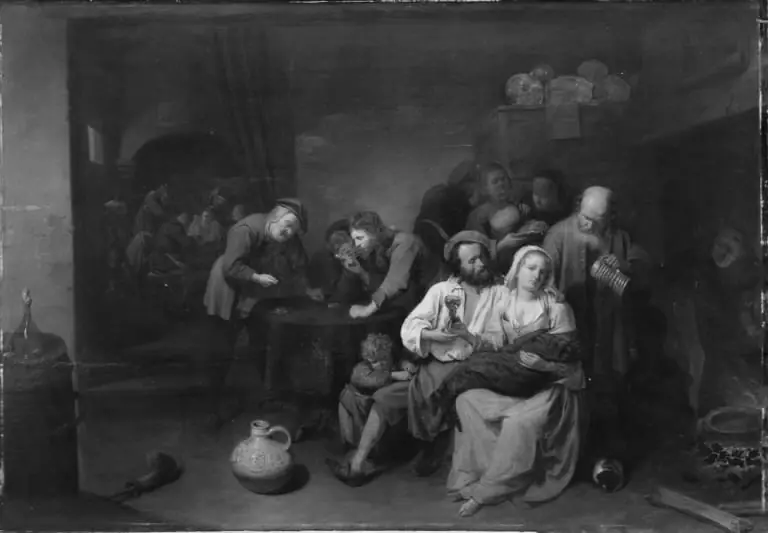
Joseph's Bloody Coat is an oil painting. It dates from 1650 and is held in the collection of the Hermitage Museum. The oil painting titled “Joseph’s Bloody Coat” depicts a dimly lit interior scene in which four figures are gathered around a table.
About this work
Subject & Meaning
The scene centers on the moment of deception and grief, with the sons presenting the garment as evidence that Joseph has been killed by a wild animal.
The painting depicts the biblical episode in which Jacob is shown Joseph's blood-stained coat by his sons, a narrative drawn from Genesis. The scene centers on the moment of deception and grief, with the sons presenting the garment as evidence that Joseph has been killed by a wild animal. The coat of many colors, originally a gift from Jacob to his favored son Joseph, becomes a symbol of betrayal, fraternal jealousy, and the manipulation of a father's love.
Classified as a religious work, the painting belongs to the long tradition of Old Testament imagery that dramatized moral lessons about truth, family conflict, and divine providence. The bloody coat functions as the central iconographic device, transforming an article of clothing into a token of false witness and foreshadowing Joseph's later exile and eventual rise in Egypt.
Technique & Style
Executed in oil on canvas around 1650, the work adheres to the period’s handling of thick, layered paint typical of Dutch painting, with visible brushwork that modulates from fine detail in the figures to broader passages in the drapery and background.
The composition focuses on Jacob receiving the bloodied coat from his sons, rendered frontally with strong chiaroscuro to heighten the dramatic moment. The palette is restrained, dominated by earth tones and deep crimson, with the stained garment providing a vivid focal accent against muted surroundings.
History & Provenance
The work was painted circa 1650, as indicated by its inception date in the Hermitage Museum’s record and the medium and genre entries for Joseph’s Bloody Coat.
The painting entered the collection of the Hermitage Museum, where it remains located according to institutional documentation. Its dimensions are recorded as 153 cm in height and 167 cm in width, matching the museum’s catalog entry for a religious scene depicting Jacob showing Joseph’s blood-stained coat to his sons.
The painting Joseph's Bloody Coat is held in the collection of the Hermitage Museum. The work, dated to 1650, is classified as a painting after Rembrandt depicting the biblical scene where Jacob is shown Joseph's blood-stained coat by his sons. Specific inventory or accession numbers for this piece are not provided in the available records.
Context
The painting depicts Jacob displaying Joseph's blood-stained coat to his sons, illustrating a biblical moment of betrayal and revelation. It belongs to the religious art genre and was created in 1650 as an oil painting on canvas. The work is part of the Hermitage Museum's collection in St. Petersburg, reflecting its significance within the broader context of Dutch Golden Age religious painting and Rembrandt's influence on biblical narrative interpretation.
Legacy
Joseph's Bloody Coat, painted in 1650, established a powerful visual precedent for biblical narratives emphasizing betrayal and divine revelation. Its dramatic portrayal of Jacob displaying Joseph's blood-stained coat influenced 17th-century interpretations of the story, particularly within religious art circles that favored emotionally charged compositions. The work's composition and narrative intensity were cited by contemporaries as a benchmark for historical painting, shaping how artists approached Old Testament subjects through heightened realism and psychological depth.
This legacy persists in scholarly discussions of Rembrandt's workshop and the broader European tradition of biblical storytelling in oil paint.
Overview
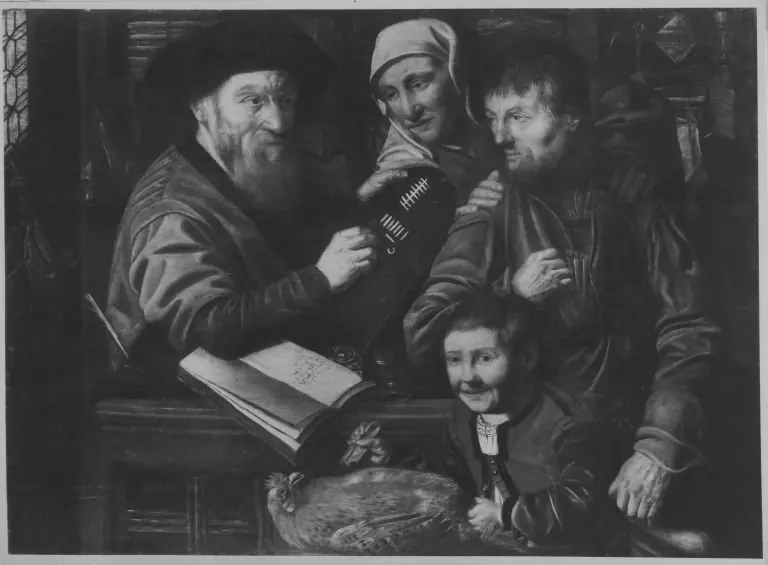
The oil painting titled “Joseph’s Bloody Coat” depicts a dimly lit interior scene in which four figures are gathered around a table. A woman in a dark fur coat stands with outstretched arms, her expression solemn. An elderly bearded man sits, holding a torn, vividly red garment, while a cloaked man leans forward, gesturing toward the fabric. A small boy observes from a nearby seat.
Artist & collection