Artwork
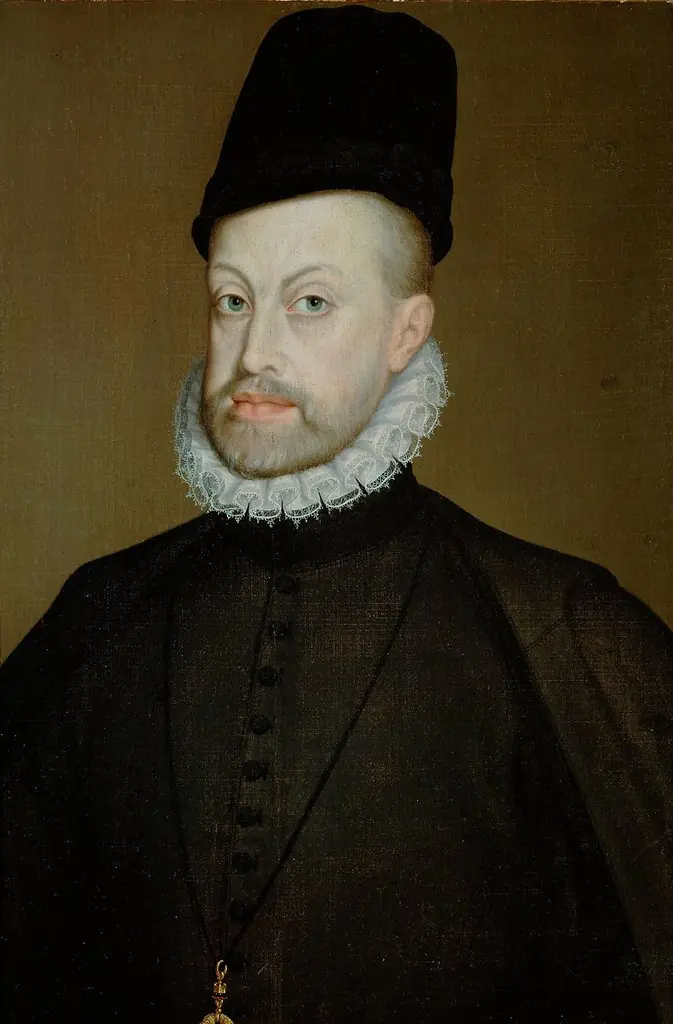
König Philipp IV. von Spanien (1605-1665) in schwarzem Kleid, Brustbild
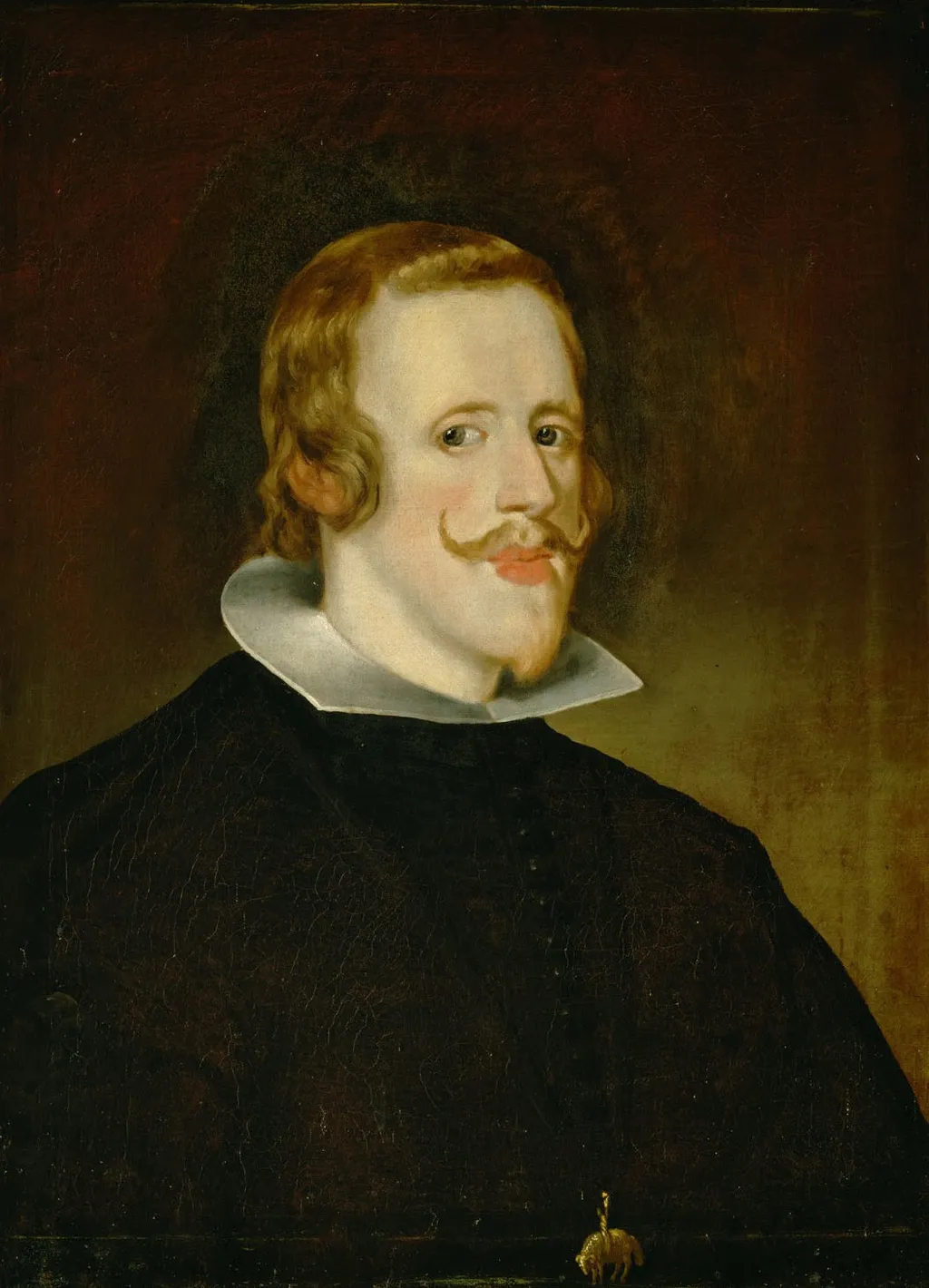
König Philipp IV. von Spanien (1605-1665) in schwarzem Kleid, Brustbild is an oil painting by the Flemish Baroque painting artist Unknown. It dates from 1630 and is held in the collection of the Kunsthistorisches Museum.
About this work
Subject & Meaning
The subject is identified explicitly as Philip IV of Spain, with the composition centering on his likeness without additional narrative elements.
The painting depicts Philip IV of Spain, the monarch born in 1605 and reigning until 1665, presented here as a bust-length portrait. Created in 1630, the work focuses entirely on the figure of the Spanish king, who is shown wearing black attire. As a formal portrait genre piece, the image serves to represent the sovereign's presence and status during the early period of his reign.
The subject is identified explicitly as Philip IV of Spain, with the composition centering on his likeness without additional narrative elements.
Technique & Style
The portrait is executed in oil on canvas, measuring 69.5 × 53 cm. Its modest scale and bust-length format suggest a personal, intimate presentation rather than a grand ceremonial image. The handling of black attire, presumably the king's customary dark clothing, would have demanded sophisticated control of oil medium to render subtle tonal variations in a restricted palette. As a workshop production associated with Diego Velázquez's circle, the painting likely emulates the master's restrained, naturalistic approach to court portraiture, prioritizing directness and psychological presence over ornament. The canvas support and oil technique were standard for Spanish court painting of the 1630s.
History & Provenance
The portrait of King Philip IV of Spain in black attire, shown as a half-length bust, was produced in 1630 and is attributed to the workshop of Diego Rodríguez de Silva y Velázquez. It is executed in oil paint on canvas, measuring 69.5 cm in height and 53 cm in width, and depicts Philip IV of Spain as its main subject.
The work is held in the collection of the Kunsthistorisches Museum and is housed at Schloss Ambras in Innsbruck. No further details regarding its original commission, intermediate ownership, or chain of custody prior to its acquisition by the museum are documented in the available sources.
Overview
This oil painting presents a half-length portrait of Philip IV of Spain, dressed in a black garment with a white collar and a gold emblem on the chest. The figure faces slightly to the right, his gaze steady and composed. Against a dark, undefined background, the contrast of light and shadow emphasizes his features and attire, conveying a restrained formality.
The palette is subdued, dominated by black and white, with subtle highlights drawing attention to the face and insignia.
Context
In mid-17th century Spain, portraiture served political and dynastic functions, yet Philip IV’s reign saw a shift toward more intimate, less ceremonial depictions. This image aligns with a broader trend among Habsburg rulers to project moral seriousness amid declining imperial fortunes. The preference for dark clothing and minimal ornamentation mirrored both religious austerity and the economic pressures facing the monarchy after decades of war.
Legacy
This portrait contributes to a visual record of Spanish monarchy that prioritizes psychological presence over spectacle. While not as widely recognized as Velázquez’s royal portraits, it exemplifies the quiet, disciplined aesthetic favored in later Habsburg court art. Its restrained composition influenced later generations of European portraitists seeking to convey authority through subtlety rather than display.
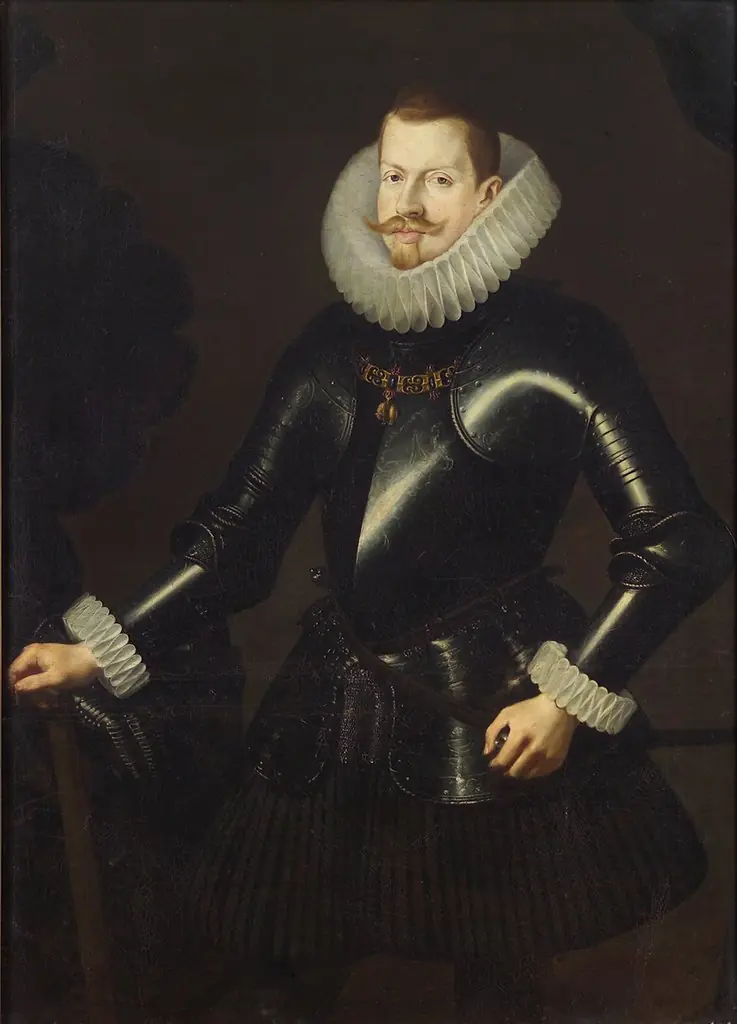
Artist & collection









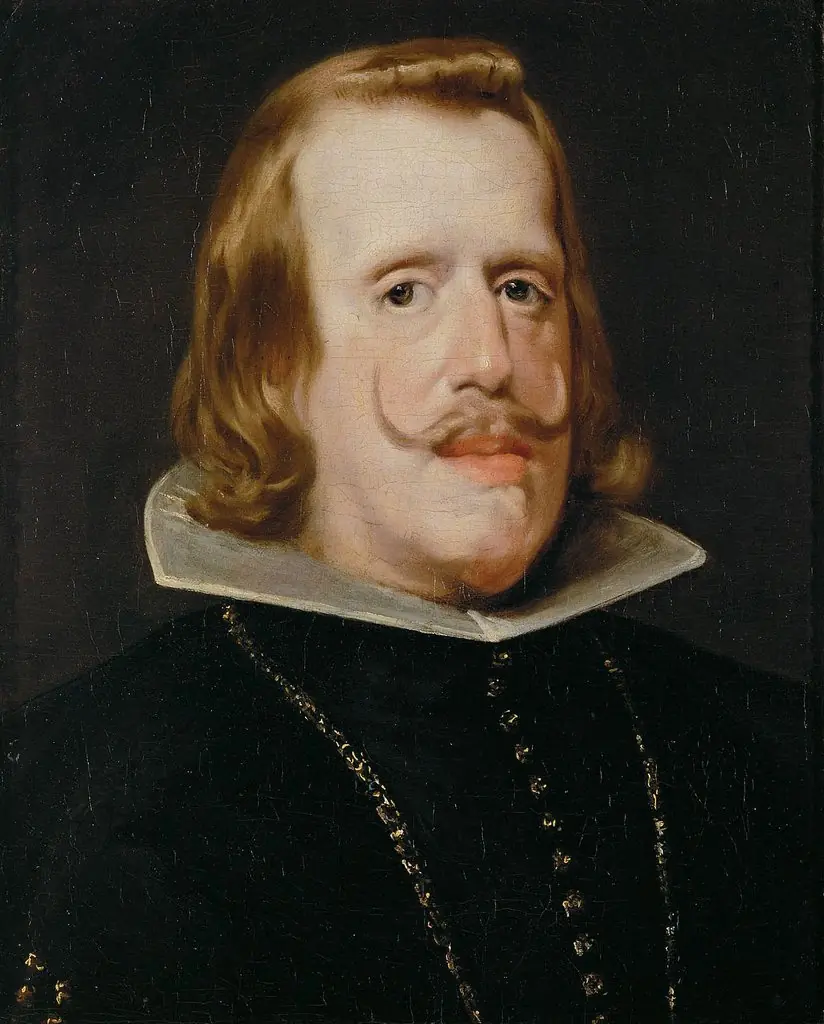 Portrait of King Philip IV of Spain
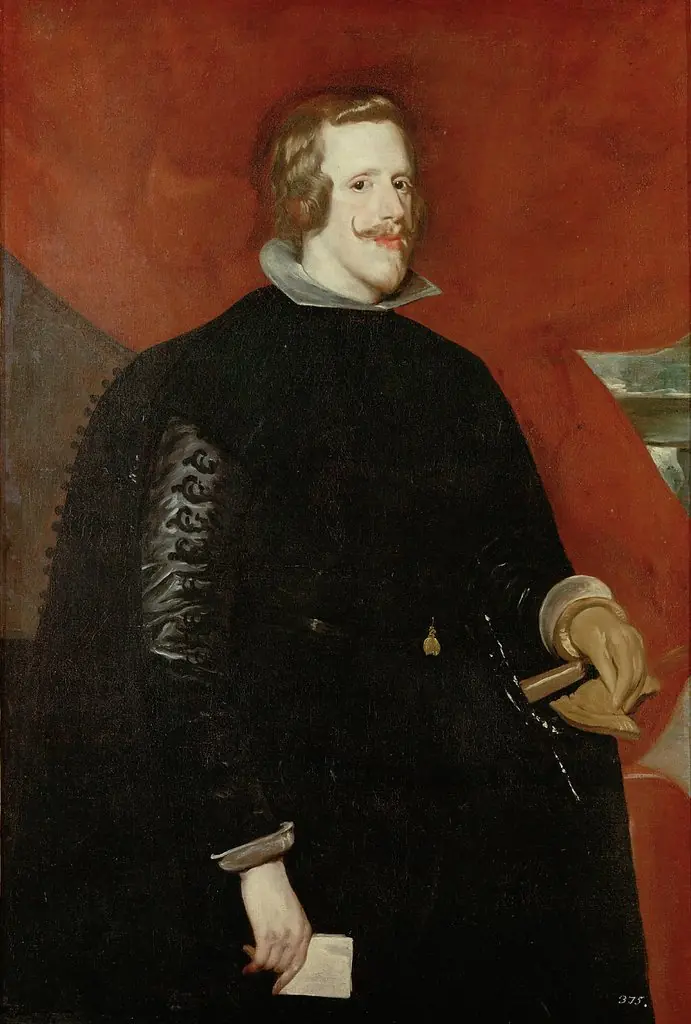 Portrait of Phillip IV of Spain, at three-quarter length
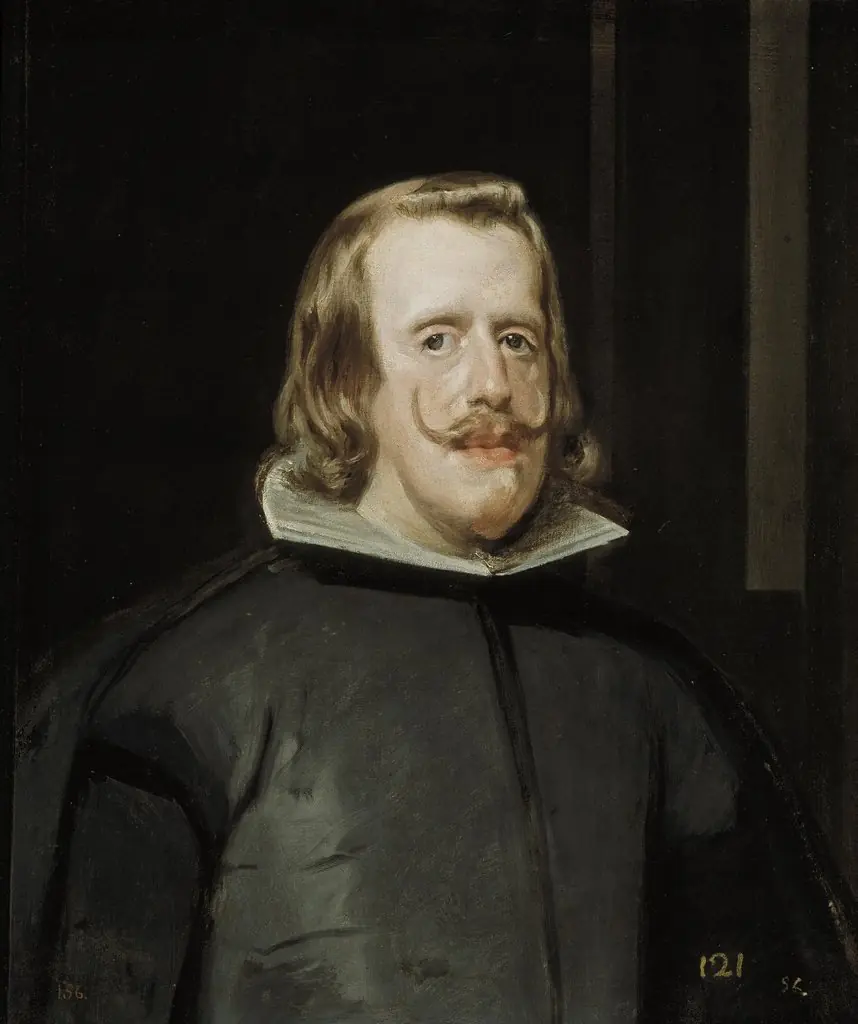 Philip IV in old age
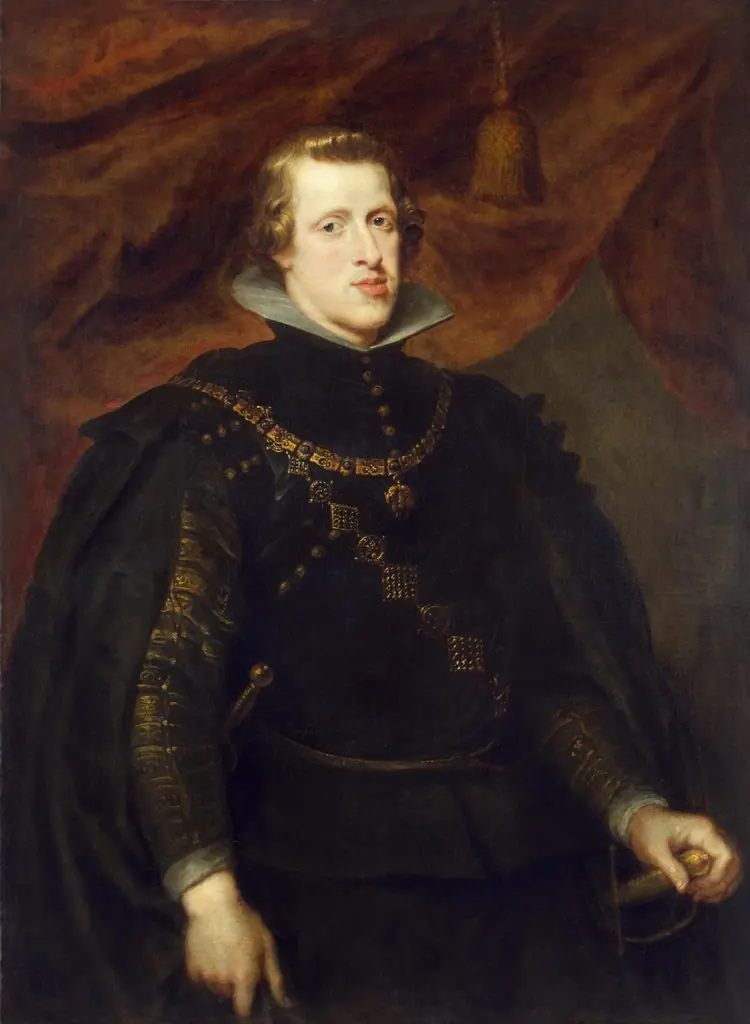 Portrait of Philip IV, King of Spain
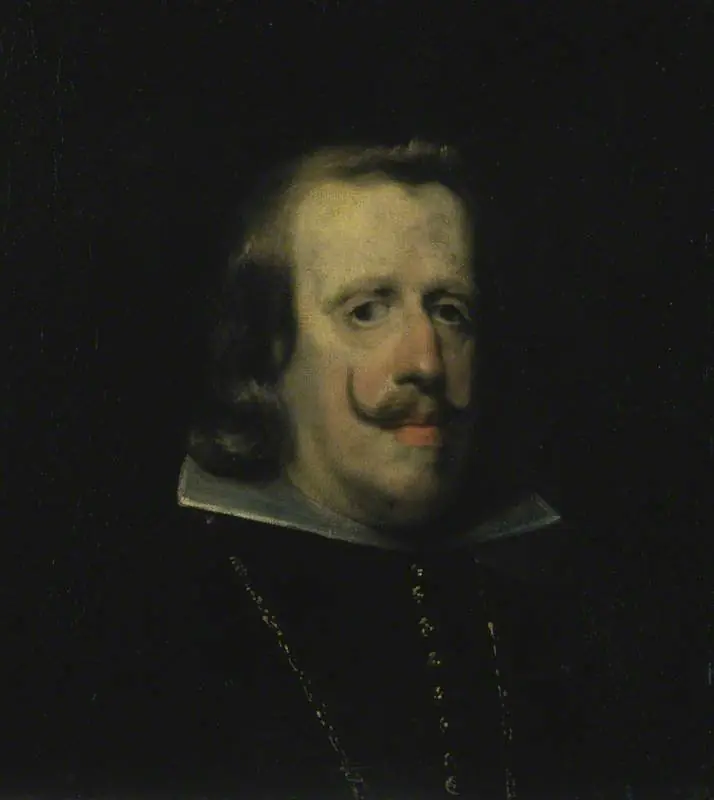 King Philip IV of Spain (1605 - 1665)
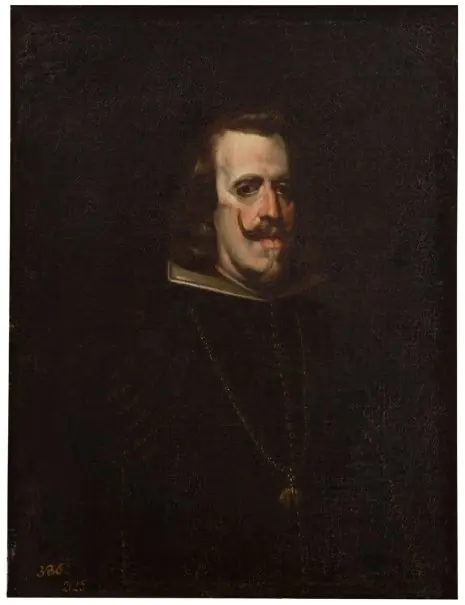 King Philip IV at half-length
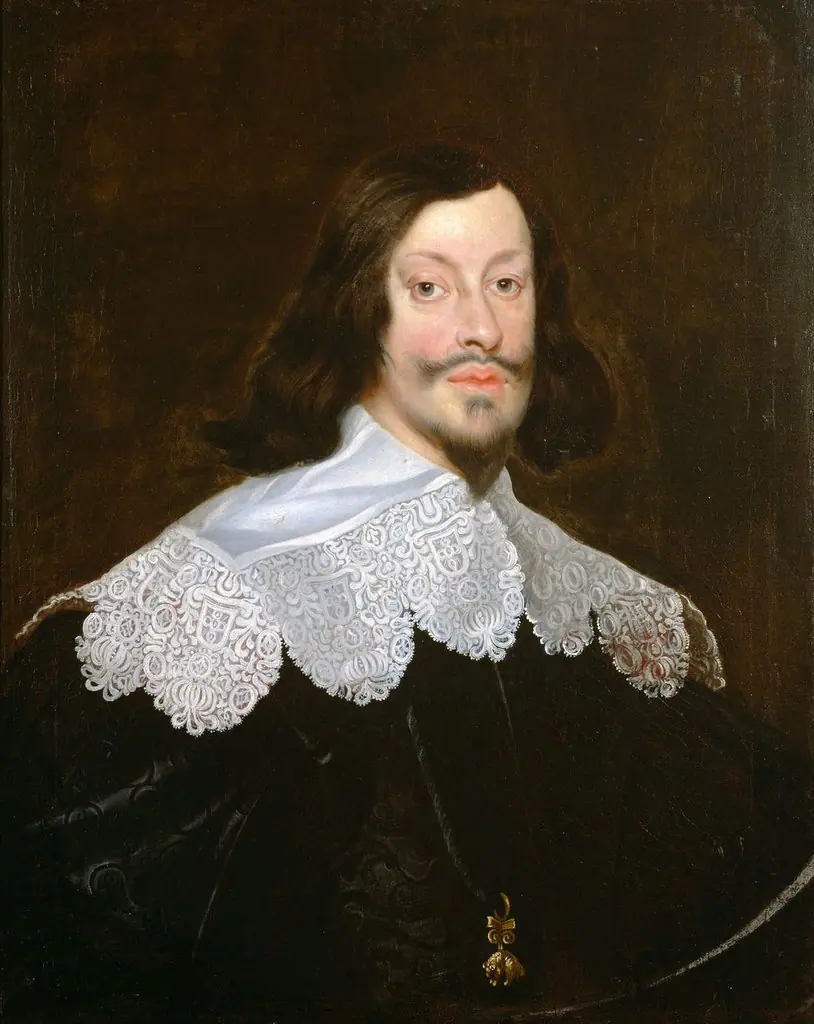 Kaiser Ferdinand III. (1608-1657), Brustbild
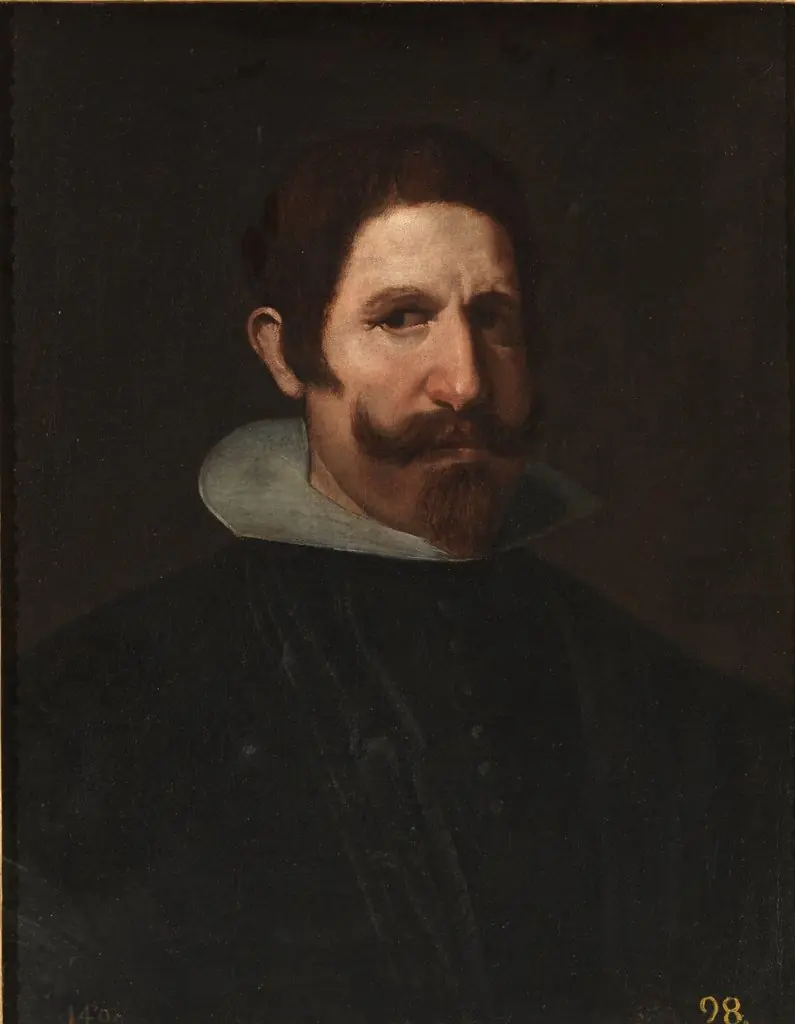 Alonso Martínez de Espinar (¿?)
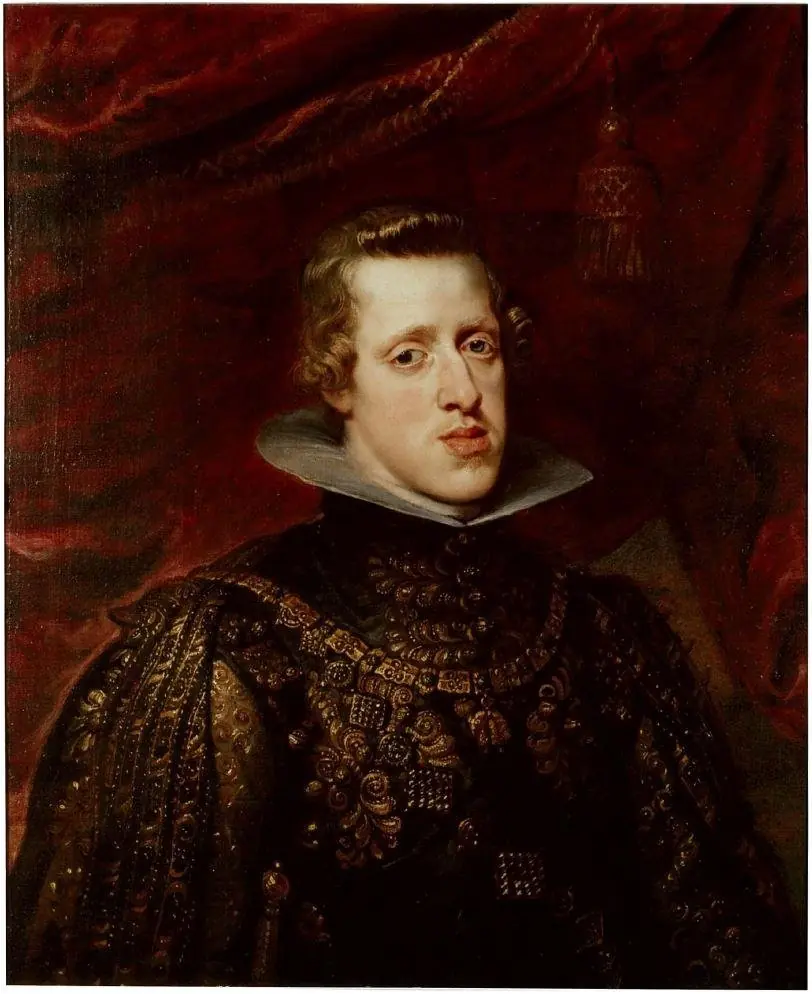 Portrait of Philip IV (1605-1665), King of Spain
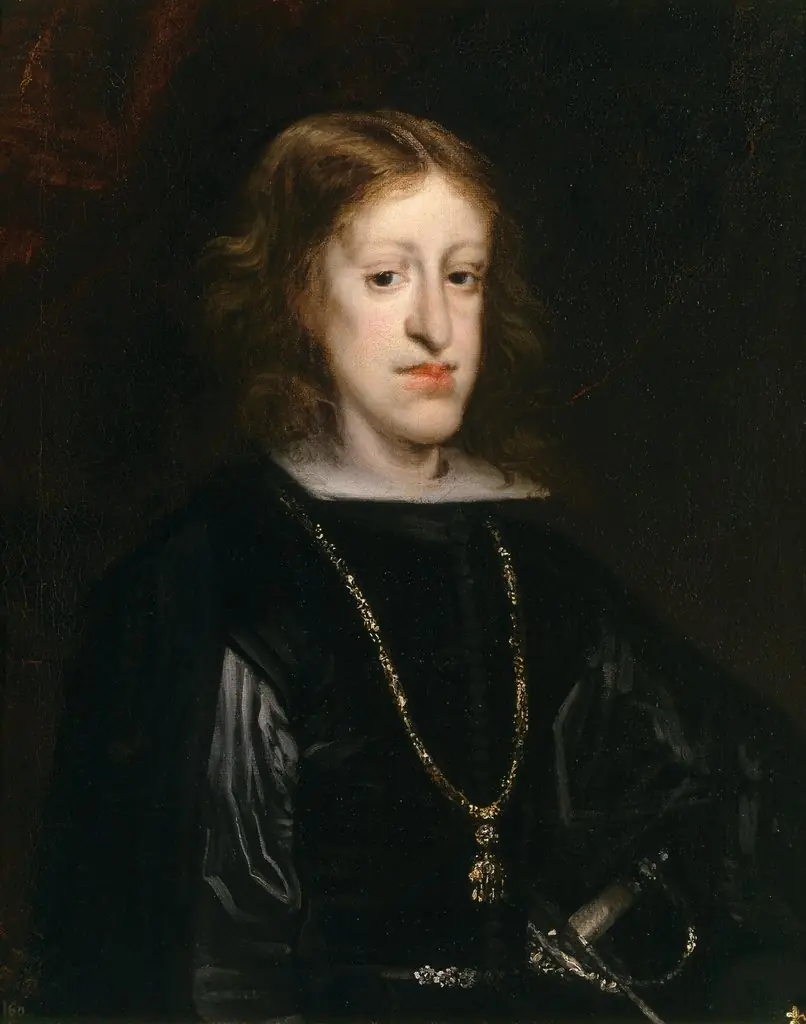 Charles II of Spain
 Portrait of Philip II of Spain
- König Philipp III. von Spanien (1578-1621), Bildnis im Harnisch