Artwork
Kabir and Two Followers on a Terrace (recto)
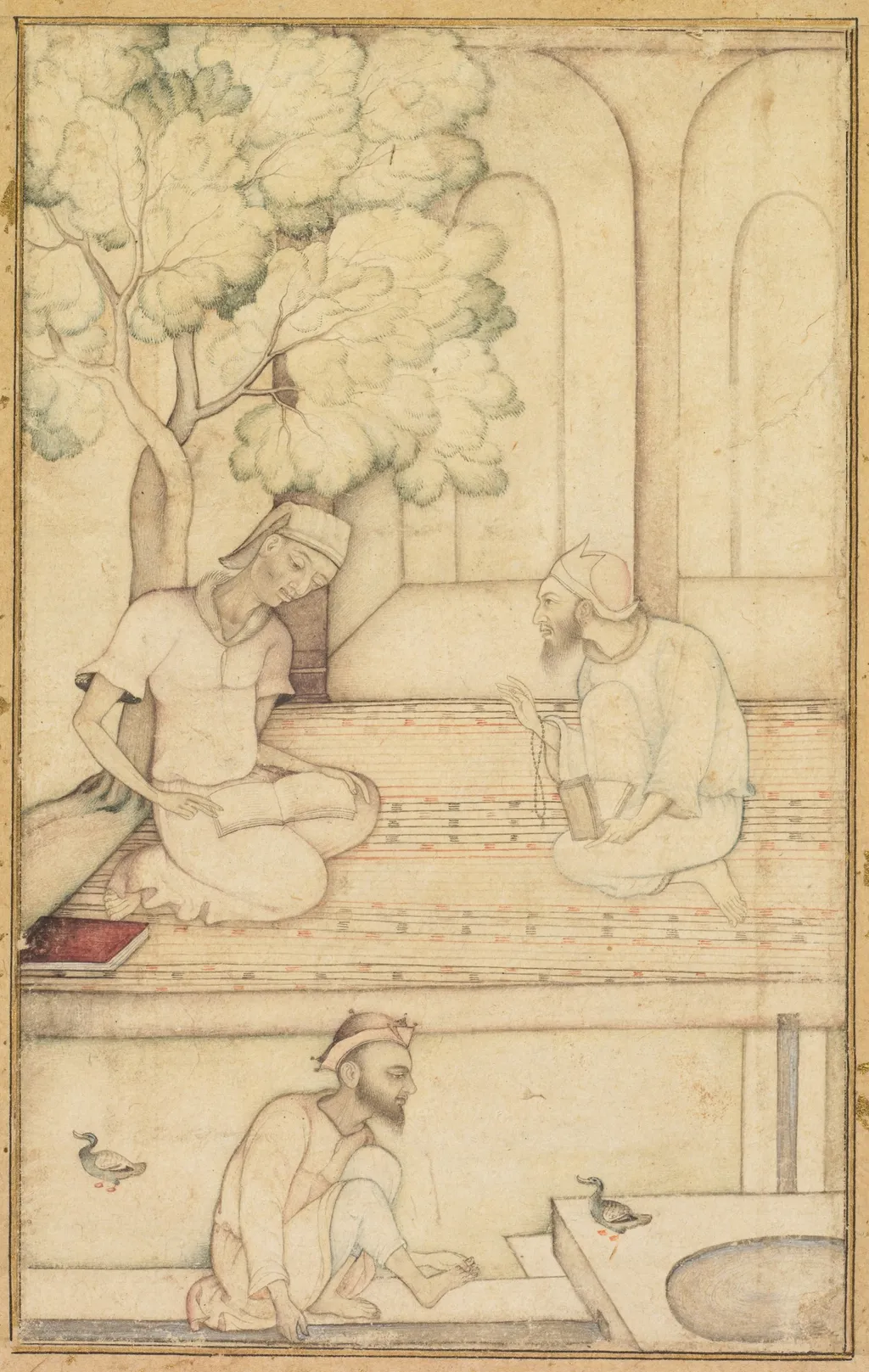
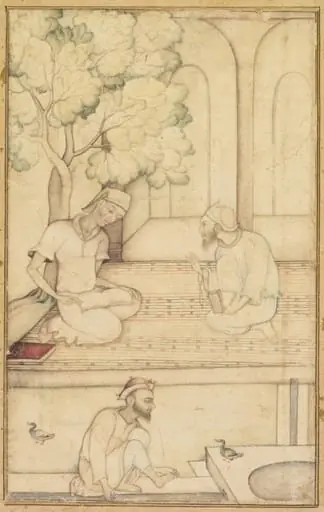
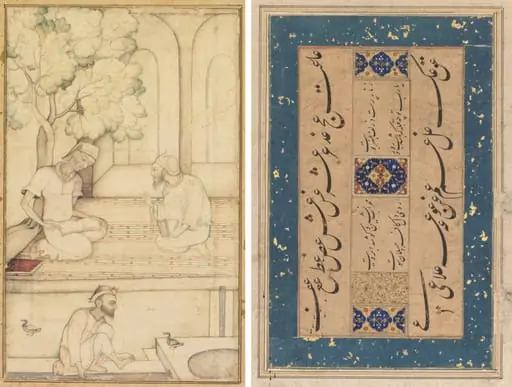
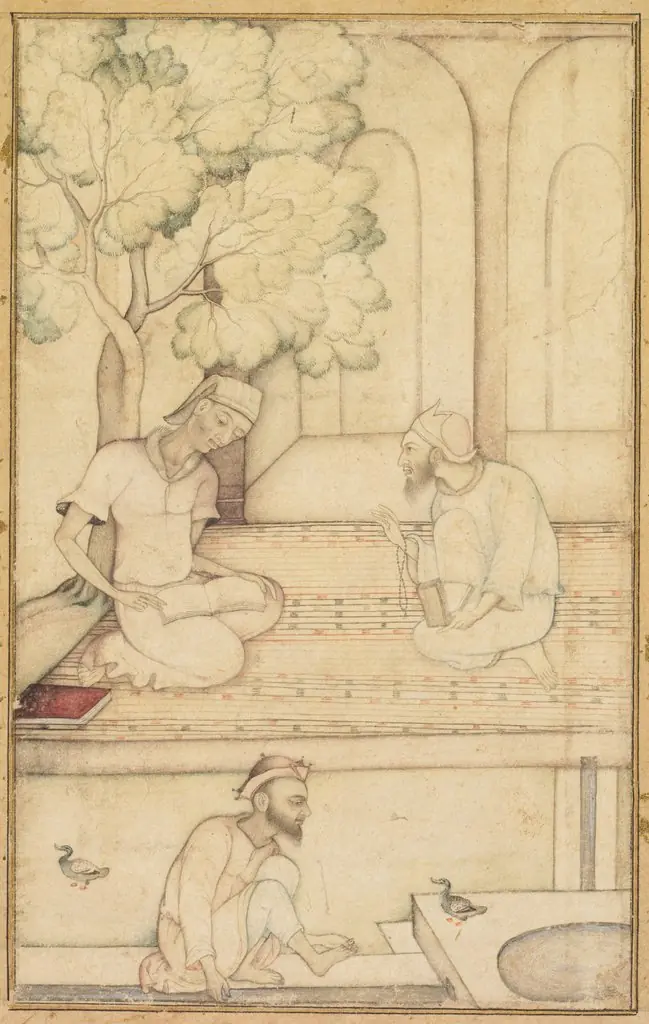
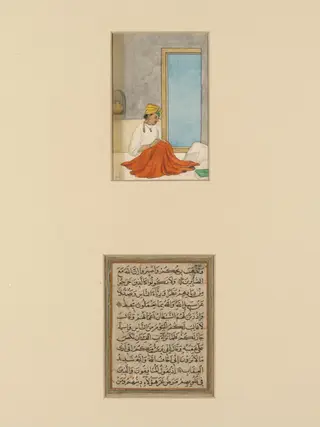
Kabir and Two Followers on a Terrace (recto) is an unspecified painting. It dates from 1615 and is held in the collection of the Cleveland Museum of Art. The work depicts three figures positioned on a flat rooftop.
About this work
History & Provenance
Provenance records indicate its inclusion in the museum's holdings, establishing a clear chain of ownership from its creation to its current location.
The recto painting titled Kabir and Two Followers on a Terrace was created in 1615 during the Mughal period. It is part of the Cleveland Museum of Art's collection, having been acquired through the museum's acquisition of the work in 2013 under the accession number 2013.326.a. The piece is attributed to an unknown artist and reflects the artistic milieu of the Mughal Empire.
Provenance records indicate its inclusion in the museum's holdings, establishing a clear chain of ownership from its creation to its current location.
Kabir and Two Followers on a Terrace (recto) is held in the collection of the Cleveland Museum of Art in Cleveland, Ohio. Its accession number is 1913.326.a. The work was created in 1615 within the Mughal Empire and has not been documented in any major exhibition history according to the source material.
Overview
The work depicts three figures positioned on a flat rooftop. A shirtless man reclines against a stylised tree, while a turbaned figure in loose robes engages him in conversation. A bearded man kneels near a shallow pool populated by ducks. The background consists of plain walls and a muted sky, emphasizing the intimate scene.
Subject & Meaning
The composition suggests a moment of informal gathering, perhaps a pause in daily life or a teaching scene, with the central figure receiving attention from a visitor. The presence of water and ducks introduces a tranquil, domestic element, hinting at themes of hospitality and contemplation.
Technique & Style
The artist renders the tree with twisting branches that form a distinct, almost abstract shape, contrasting with the soft, muted drapery of the figures. Simple colour palettes and gentle modelling give the scene a calm atmosphere, while the flat background underscores the two‑dimensional quality of the composition.
Context
The rooftop setting and modest attire reflect a domestic interior common in certain regional artistic traditions, where everyday activities are rendered with a focus on compositional balance rather than narrative detail.
Artist & collection

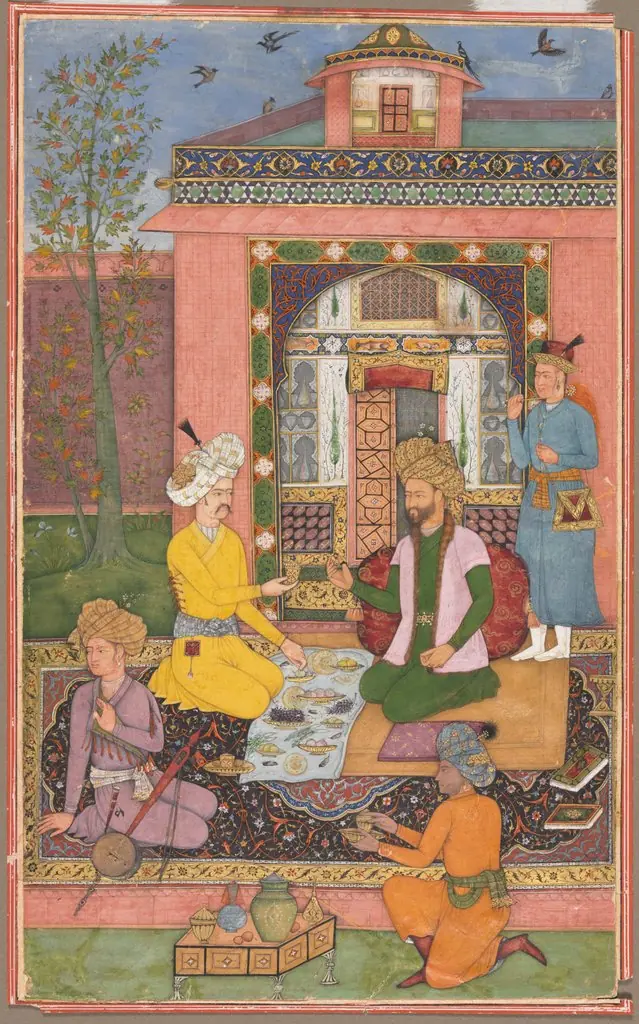 A Royal Picnic on a Terrace
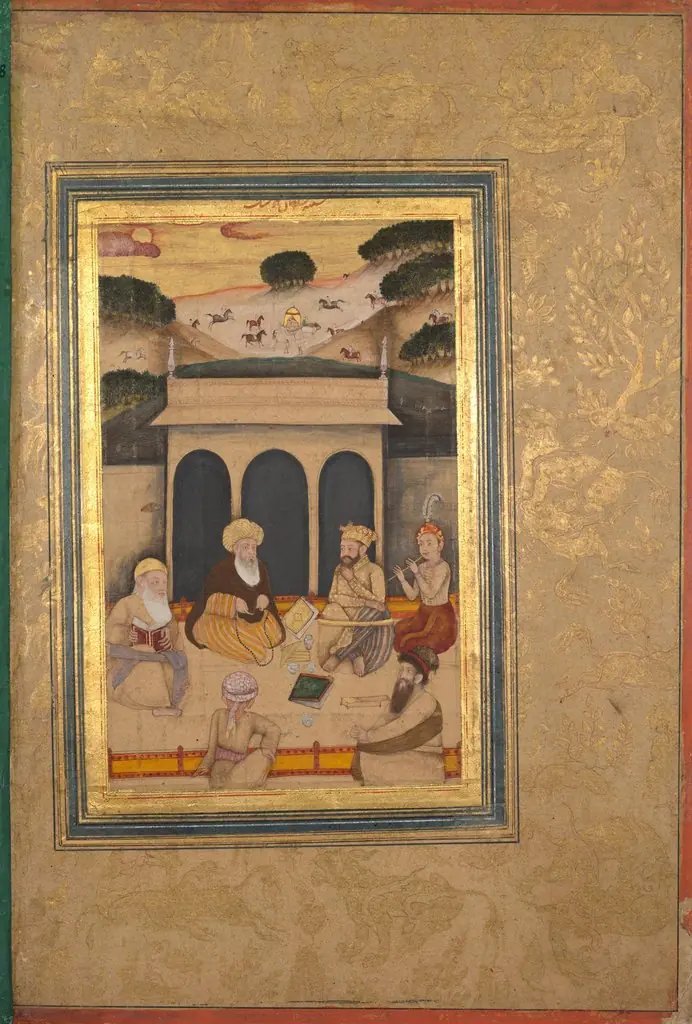 Nobleman Visiting Saint at his Shrine
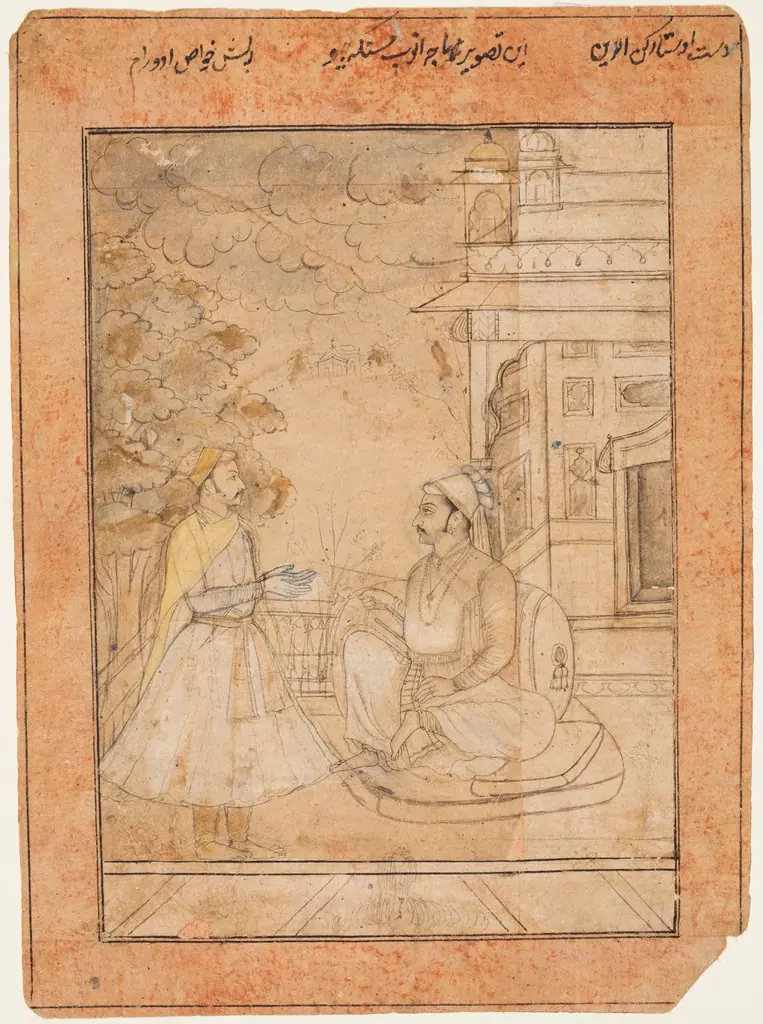 Maharaja Anup Singh of Bikaner (reigned 1669–98) Receives a Courtier
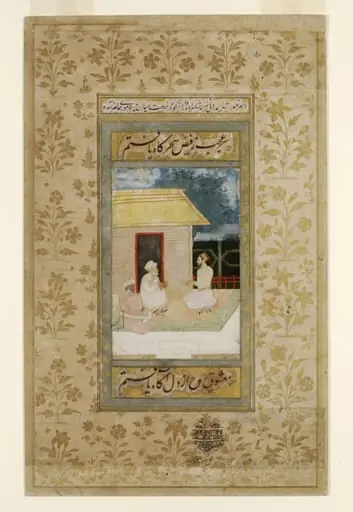 Dara Shikoh
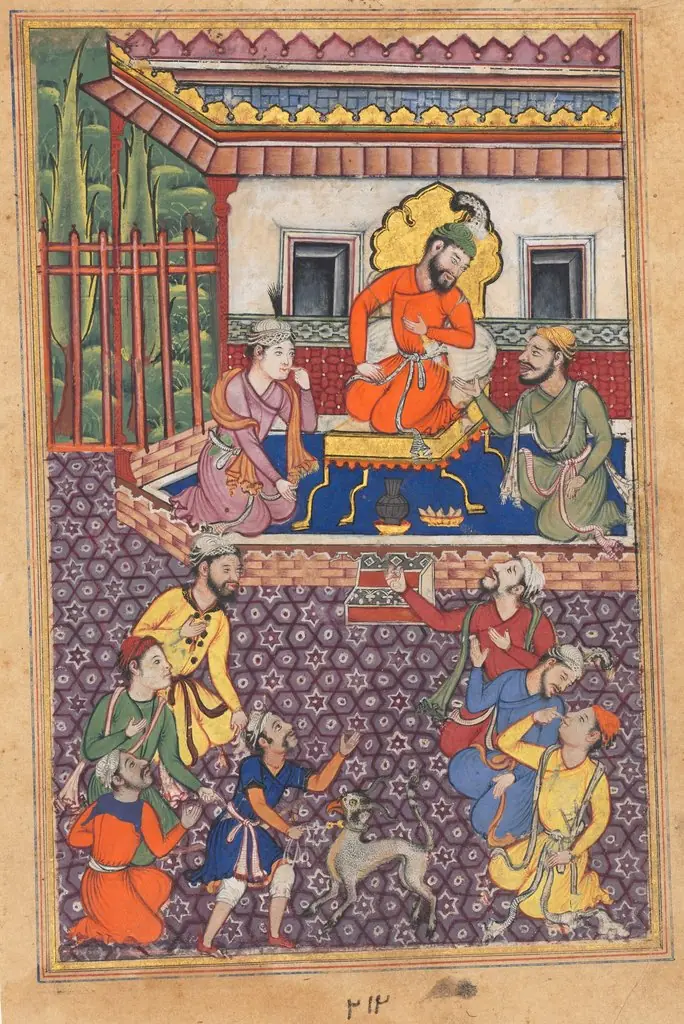 The court of the Raja of Ujjain, from a Tuti-nama (Tales of a Parrot): Forty-sixth Night
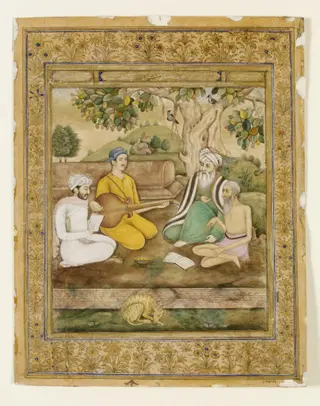 Shaikh Salim Chishti
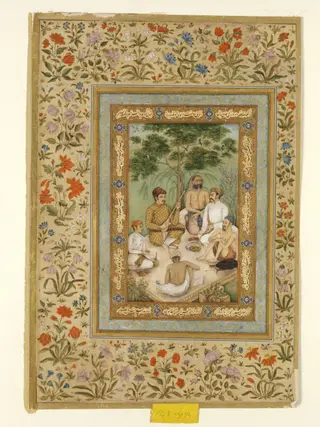 Prince Salim
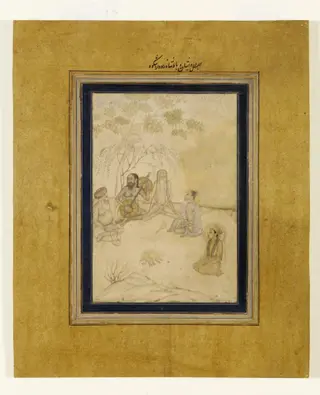 The gathering of dervishes with Prince Dara Shikuh
 An embroiderer