Artwork
Lovers Embracing
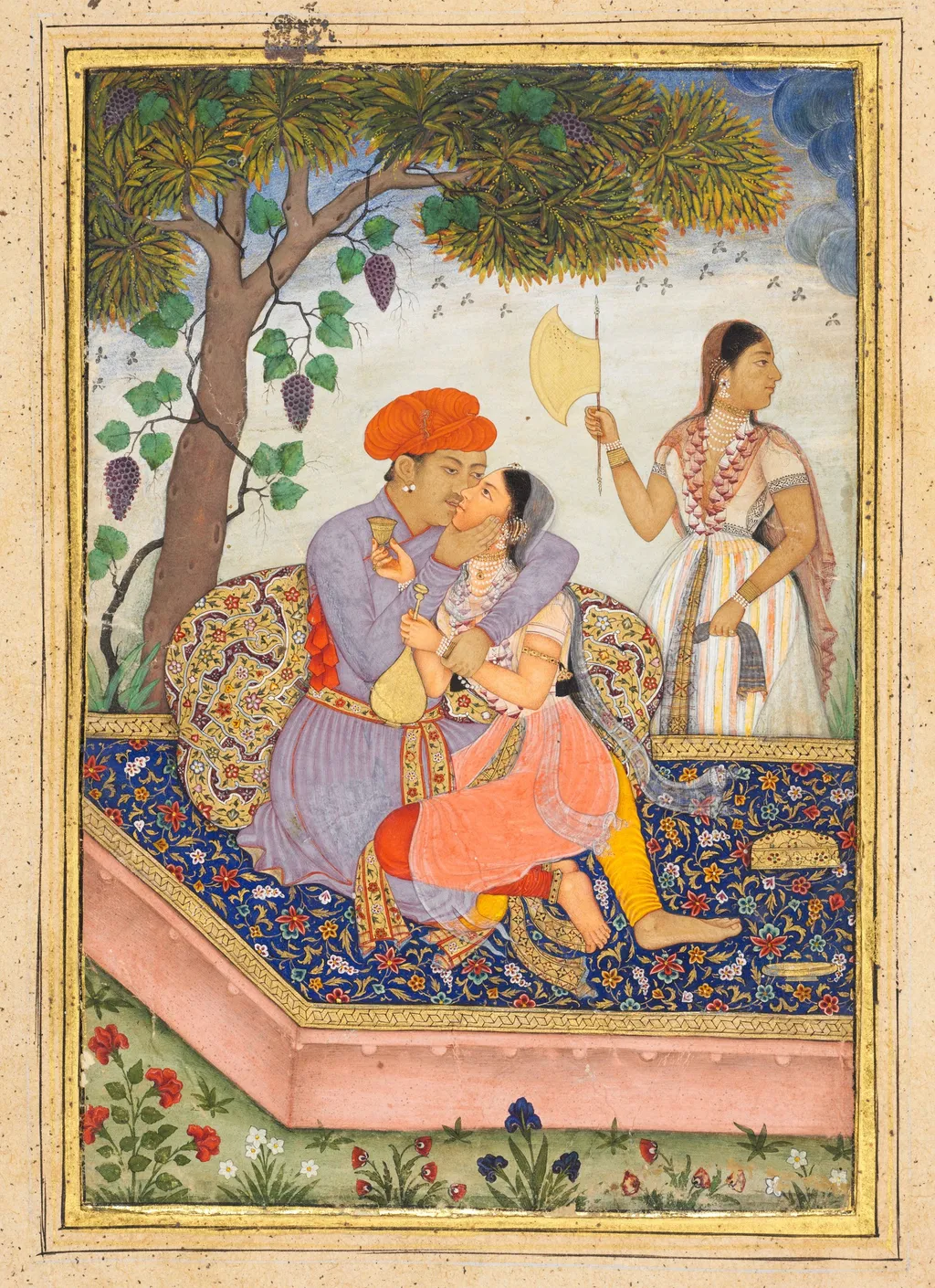
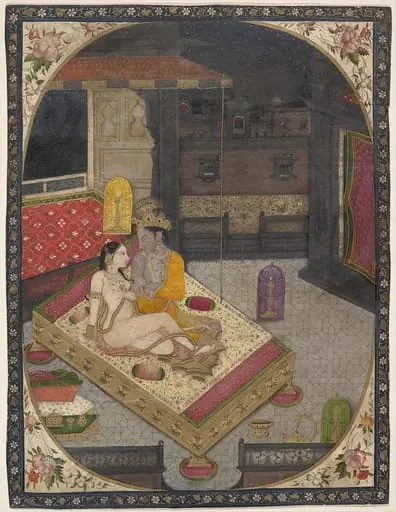
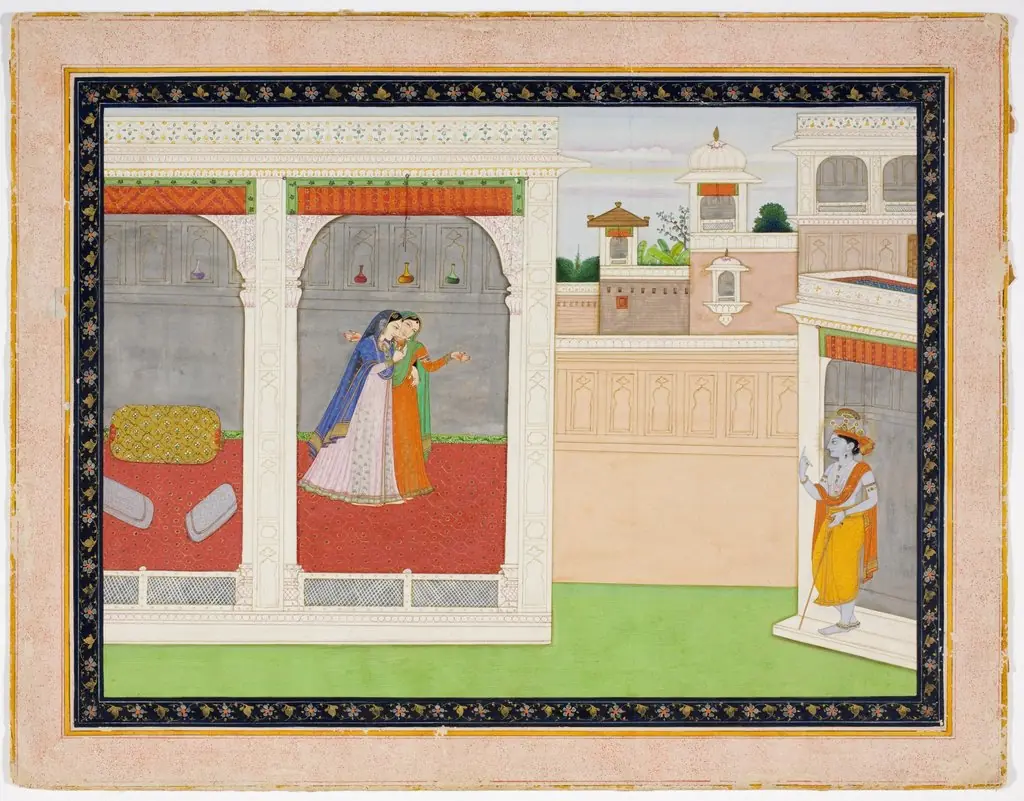
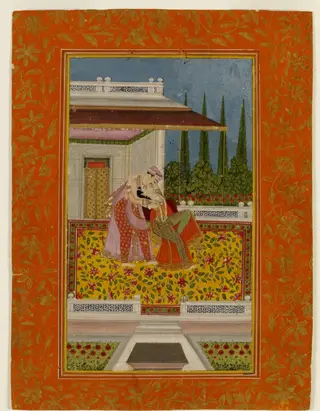
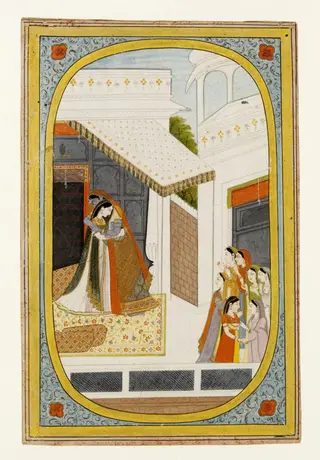
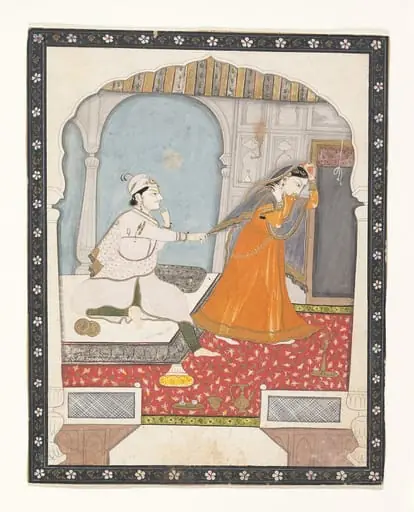
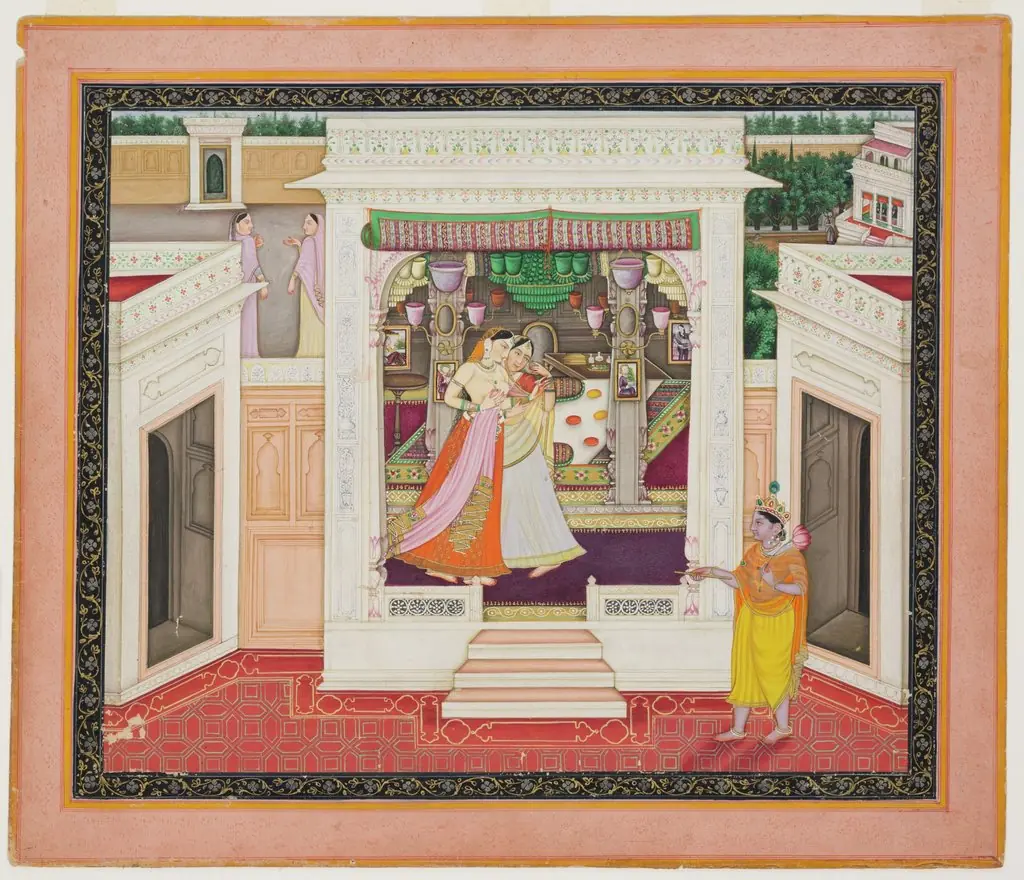
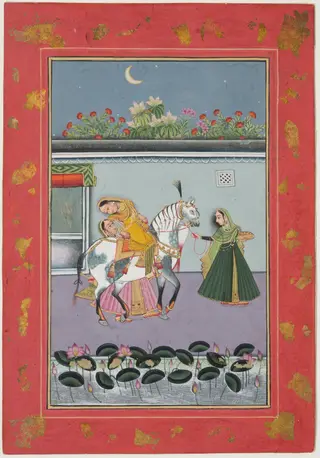
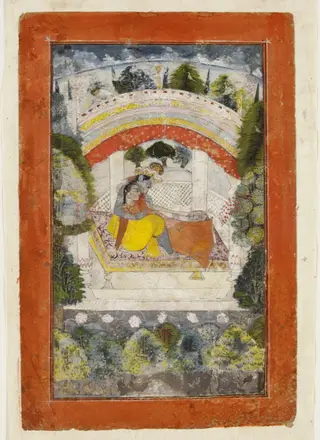
Lovers Embracing is an unspecified painting. It dates from 1630 and is held in the collection of the Cleveland Museum of Art. The work depicts a seated couple on an elaborately patterned platform beneath a tree, accompanied by a standing figure holding a fan.
About this work
History & Provenance
The work is dated to 1630 on curatorial records and appears in the Cleveland Museum of Art’s collection as an anonymous painting (accession no.
The work is dated to 1630 on curatorial records and appears in the Cleveland Museum of Art’s collection as an anonymous painting (accession no. 1971.91). Its early provenance is undocumented, and no commissioning records survive; the Cleveland Museum of Art acquired it in 1971, placing it in a public collection thereafter.
Lovers Embracing is held by the Cleveland Museum of Art, accessioned under the identifier 1971.91. The work was created in 1630 and has been part of the museum's collection since its inception.
It was displayed in the exhibition "Masterpieces of Dutch Painting" at the Cleveland Museum of Art in 2018.
Context
The painting Lovers Embracing from 1630 is cataloged as a work by an unknown artist in the Cleveland Museum of Art collection. It is currently housed in Cleveland, Ohio, where it remains part of the museum's permanent holdings. While specific critical commentary on the piece is not detailed in the available sources, its classification as a 17th-century painting situates it within the broader Baroque period, reflecting the stylistic trends of the era.
Scholars continue to study its authorship and historical context as part of ongoing research into early modern European art.
Overview
The work depicts a seated couple on an elaborately patterned platform beneath a tree, accompanied by a standing figure holding a fan. The setting includes grapevines, floral motifs, and a clear blue sky, creating a tranquil outdoor scene rendered in vivid hues.
Subject & Meaning
The central figures, a man in a bright red turban and purple robes and a woman dressed in orange and gold, appear relaxed and intimate, suggesting a private moment of affection. The third figure, observing from a short distance, adds a narrative element of witness or service.
Technique & Style
The painting employs bold, saturated colors, reds, purples, golds, and intricate decorative patterns on clothing and the platform. The composition balances detailed surface ornamentation with a simplified natural background, characteristic of a decorative, possibly courtly aesthetic.
Artist & collection